
Resources
Explore a wide range of valuable resources on GCED to deepen your understanding and enhance your research, advocacy, teaching, and learning.
145 Results found
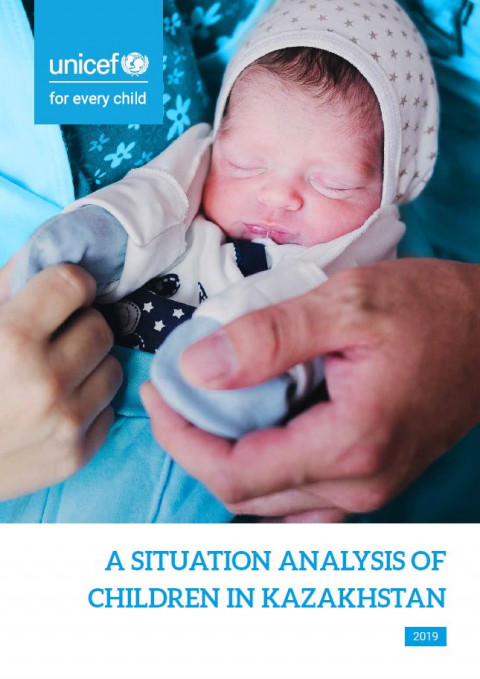 A Situation Analysis of Children in Kazakhstan Year of publication: 2019 Corporate author: UNICEF Kazakhstan Kazakhstan has set the overarching objective of becoming one of the 30 most developed countries in the world by 2050. Children and adolescents in Kazakhstan, who constitute 31.4 per cent of the total population, should be the beneficiaries and active contributors to achieving these goals. This Situation Analysis provides analysis and recommendations to ensure that children remain at the centre of the country’s development priorities. It confirms measurable progress made in advancing the rights of children and identifies outstanding challenges. Анализ положения детей в Республике Казахстан Year of publication: 2019 Corporate author: UNICEF Kazakhstan Казахстан поставил перед собой важную стратегическую цель – стать одной из 30 самых развитых стран мира к 2050 году. При этом нынешние дети и подростки, составляющие 31,4% от общей численности населения страны, будут теми, кто больше всех ощутит положительные изменениня и поэтому также должны стать активными участниками в реализации поставленной цели.В данном документе представлены анализ и рекомендации, направленные на то, чтобы дети оставались в центре приоритетов развития страны. Отчет подтверждает ощутимый прогресс, достигнутый в продвижении прав детей, а также выявляет факторы, влияющие на их уязвимость.
  Social Media to P/CVE: Toolkit for Practitioners Year of publication: 2017 Corporate author: Search for Common Ground This Toolkit has been created on the basis of the key findings obtained in the framework of the Search for Common Ground (Search) “Social Media for De-Radicalization in Kyrgyzstan: A Model for Central Asia’s” pilot project funded by the Bureau of Counterterrorism, US Department of State. The project is based on two parts: a participatory approach, focused on UN Resolution 2250, and a professional approach aimed at creating and conducting social media campaigns in Kyrgyzstan.Extremist and terrorist groups use the Internet to radicalize and recruit young people through social media and instant messaging applications. Therefore, it is important to create new methods to combat online extremist propaganda, focusing not only on measures such as blocking and filtering content, or counter-narratives which are very popular and come naturally in response to radicalization and violent extremism, but also offering a positive alternative to extremist propaganda, while challenging their ideology and messages. Социальные медиа для профилактики/предотвращения насильственного экстремизма: практическое руководство Year of publication: 2017 Corporate author: Search for Common Ground Данный инструментарий был создан на основе ключевых результатов, полученных в рамках пилотного проекта «Поиск социальных сетей (Кыргызстан: модель для Центральной Азии)« Поиск в социальных сетях для Кыргызстана: модель для Центральной Азии », финансируемого Бюро по борьбе с терроризмом, Госдеп США. Проект основан на двух частях: совместный подход, ориентированный на Резолюцию ООН 2250, и профессиональный подход, направленный на создание и проведение кампаний в социальных сетях в Кыргызстане.Экстремистские и террористические группы используют Интернет для радикализации и вербовки молодых людей через социальные сети и приложения для обмена мгновенными сообщениями. Поэтому важно создать новые методы для борьбы с экстремистской пропагандой в Интернете, сосредоточив внимание не только на таких мерах, как блокировка и фильтрация контента, либо контррассказах, которые очень популярны и появляются естественным образом в ответ на радикализацию и насильственный экстремизм, но также предлагая Позитивная альтернатива экстремистской пропаганде, бросая вызов их идеологии и сообщениям.
 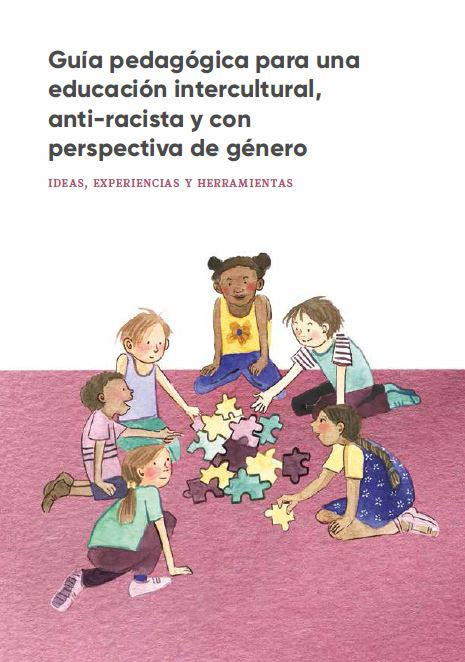 Pedagogical Guide for an Intercultural, Anti-racist and Gender Perspective Education: Ideas, Experiences and Tools Year of publication: 2017 Author: Carolina Stefoni | Andrea Riedemann | Fernanda Stang | Andrea Guerrero | Antonia Garcés | Marta Camarena Corporate author: Programa Interdisciplinario de Estudios Migratorios (PRIEM) | Universidad Alberto Hurtado | Fundación para la Superación de la Pobreza (FUSUPO) The main purpose of this Guide is, then, to share some ideas, tools and experiences that can help build and walk the path towards an intercultural, anti-racist and gender perspective education in various educational spaces. It is directed primarily - though not exclusively, of course - to all those people who are part of formal and informal teaching-learning processes. It is important to emphasize that the Guide does not pretend to be a recipe for a mechanical application, but a tool box that each educational community can use considering its specific context, its particular needs and its potentialities. Guía pedagógica para una educación intercultural, anti-racista y con perspectiva de género: ideas, experiencias y herramientas Year of publication: 2017 Author: Carolina Stefoni | Andrea Riedemann | Fernanda Stang | Andrea Guerrero | Antonia Garcés | Marta Camarena Corporate author: Programa Interdisciplinario de Estudios Migratorios (PRIEM) | Universidad Alberto Hurtado | Fundación para la Superación de la Pobreza (FUSUPO) El propósito principal de esta Guía es, entonces, compartir algunas ideas, herramientas y experiencias que puedan ayudar a construir y andar el camino hacia una educación intercultural, anti-racista y con perspectiva de género en diversos espacios educativos. Está dirigida principalmente -aunque no de manera exclusiva, por supuesto- a todas aquellas personas que sean parte de procesos de enseñanza-aprendizaje formales e informales. Es importante enfatizar que la Guía no pretende ser un recetario para una aplicación mecánica, sino una caja de herramientas que cada comunidad educativa puede usar considerando su contexto específico, sus necesidades particulares y sus potencialidades.
  World Trends in Freedom of Expression and Media Development: Special Digital Focus 2015 Year of publication: 2017 Author: Iginio Gagliardone | Danit Gal | Thiago Alves Pinto | Gabriela Martinez Sainz Corporate author: UNESCO Given the success of the first World Trends report and the need for additional research, UNESCO led a second edition in the series, focusing in depth on selected digital-era trends. World Trends in Freedom of Expression and Media Development – Special Digital Focus 2015 provides a substantive analysis of key areas identified in the first World Trends as particularly relevant for further study, namely the issues of: online hate speech, protection of journalism sources, and the role of internet intermediaries in fostering freedom of expression, as well as continued focus on the safety of journalists. It also builds on issues raised in the 2015 UNESCO study titled Keystones to foster inclusive Knowledge Societies. Tendencias mundiales en libertad de expresión y desarrollo de los medios: consideración prioritaria del ámbito digital 2015 Year of publication: 2017 Author: Iginio Gagliardone | Danit Gal | Thiago Alves Pinto | Gabriela Martinez Sainz Corporate author: UNESCO Dado el éxito del primer informe de Tendencias Mundiales y la necesidad de una investigación ulterior, la UNESCO emprendió una segunda edición en la serie, en la que se hace hincapié en determinadas tendencias de la era digital. Tendencias Mundiales en Libertad de Expresión y Desarrollo de los Medios - Consideración prioritaria del ámbito digital 2015 proporciona un análisis significativo de las áreas clave identificadas en la primera edición del informe como de especial relevancia para un estudio ulterior, y en concreto, de la incitación al odio en Internet, la protección de las fuentes periodísticas, y el papel de los intermediarios de Internet en el fomento de la libertad de expresión, así como de la atención prioritaria continuada a la seguridad de los periodistas. Se basa asimismo en los asuntos planteados en el estudio de 2015 de la UNESCO titulado Keystones to foster inclusive Knowledge Societies (Claves para promover unas sociedades del conocimiento integradoras). Tendances mondiales en matière de liberté d'expression et de développement des médias: regards sur le numérique, 2015 Year of publication: 2017 Author: Iginio Gagliardone | Danit Gal | Thiago Alves Pinto | Gabriela Martinez Sainz Corporate author: UNESCO Étant donné le succès du premier rapport Tendances mondiales et les besoins d’effectuer des recherches supplémentaires, l’UNESCO a lancé une deuxième édition de la série, qui cette fois approfondit son travail sur une sélection de tendances propres à l’ère numérique. Tendances mondiales en matière de liberté d’expression et de développement des médias – Regards sur le numérique 2015 fournit une analyse substantielle des principaux domaines identifiés dans la première édition comme pouvant faire l’objet de recherches complémentaires, notamment les questions du discours de haine en ligne, de la protection des sources des journalistes et du rôle des intermédiaires de l’Internet dans la promotion de la liberté d’expression, et elle s’intéresse également, tout comme la première, à la sécurité des journalistes. Elle traite également des questions soulevées dans l’étude intitulée Des clés pour la promotion de sociétés du savoir inclusives, publiée en 2015 par l’UNESCO. Глобальные тенденции в области свободы выражения мнений и развития средств массовой информации: Цифровые средства информации, 2015 г. Year of publication: 2017 Author: Iginio Gagliardone | Danit Gal | Thiago Alves Pinto | Gabriela Martinez Sainz Corporate author: UNESCO Учитывая успех первого доклада о глобальных тенденциях и необходимость проведения дополнительных исследований, ЮНЕСКО возглавила работу над вторым изданием в серии докладов, сосредоточив внимание на подробном анализе ряда тенденций цифровой эпохи. В докладе ЮНЕСКО о «Глобальных тенденциях в области свободы выражения мнений и развития средств информации: цифровые средства информации» за 2015 г. содержится глубокий анализ ключевых областей, названных в первом докладе о глобальных тенденциях наиболее важными для дальнейшего изучения, а именно: язык ненависти в интернете, защита журналистских источников информации и роль интернет-посредников в содействии свободе выражения мнений, а также обращается особое внимание на вопрос безопасности журналистов. Доклад также опирается на вопросы, поднятые в проведенном ЮНЕСКО в 2015 г. исследовании под названием «Основные принципы построения инклюзивных обществ знаний».