
Resources
Explore a wide range of valuable resources on GCED to deepen your understanding and enhance your research, advocacy, teaching, and learning.
10 Results found
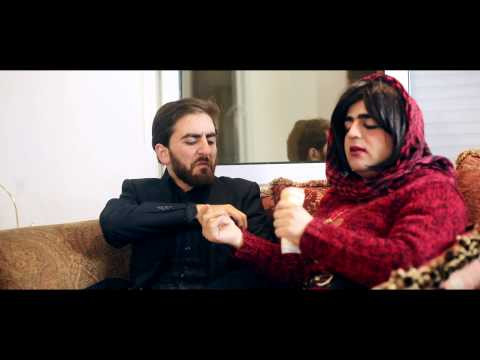 Violence Against Women Year of publication: 2015 Corporate author: Jordanian National Commission for Women A short drama film that reviews violence against women. This film was produced as part of the annual International Campaign Against Violence Against Women. العنف ضد المرأة Year of publication: 2015 Corporate author: Jordanian National Commission for Women فيلم قصير تمثيلي يستعرض العنف ضد المرأة. وهذا الفيلم تم إنتاجه ضمن ضمن الحملة الدولية السنوية لمناهضة العنف ضد المرأة.
 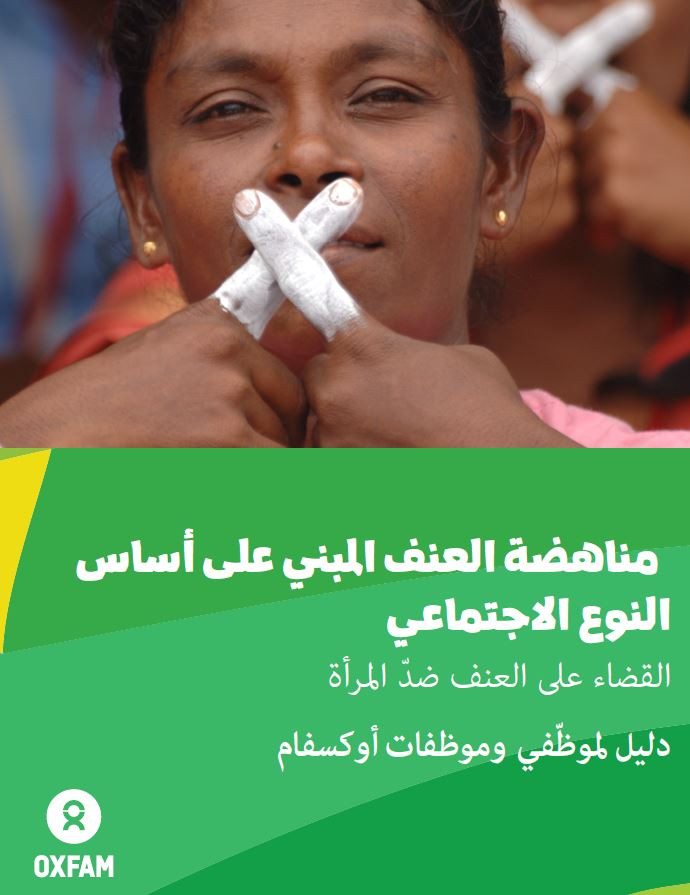 Combating Gender-Based Violence: Ending Violence Against Women Year of publication: 2012 Corporate author: Oxfam GB This file is a practical guide produced by Oxfam for its employees to combat gender-based violence, specifically violence against women. Oxfam works to eliminate violence against women because it is a violation of human rights and a major obstacle to human development. In order to achieve an effective intervention, violence against women must be defined and its root causes understood. مناهضة العنف المبني على أساس النوع الاجتماعي: القضاء على العنف ضد المرأة Year of publication: 2012 Corporate author: Oxfam GB هذا الملف هو دليل عملي أنتجته مؤسسة أوكسفام لموظفيها في سبيل مناهضة العنف المبني على أساس النوع الاجتماعي، وبالتحديد العنف ضد المرأة. حيث تعمل منظمة أوكسفام على القضاء على العنف ضدّ المرأة لأنه انتهاك لحقوق الإنسان وعائق أساسي في وجه التنمية البشرية. فلتحقيق تدخّل فعّال لا بدّ من تعريف العنف ضدّ المرأة وفهم أسبابه الأساسية.
 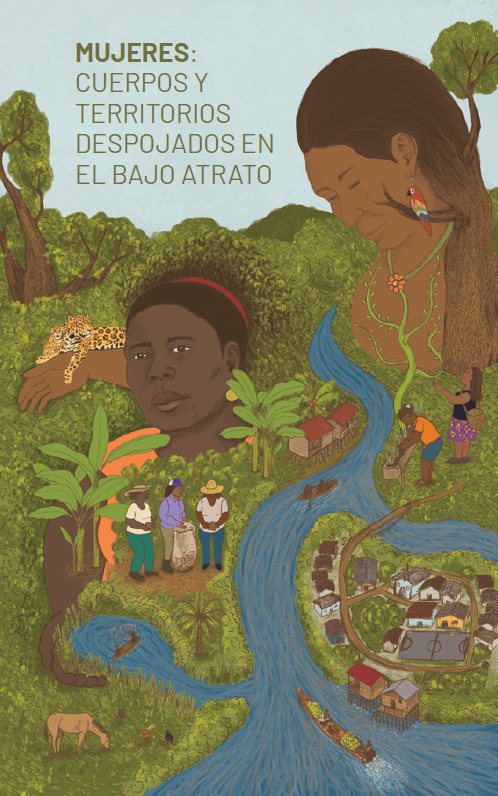 Women: Dispossessed Bodies and Territories in the Bajo Atrato Year of publication: 2022 Author: Magda Rocio Martínez Montoya Corporate author: Centro de Investigación y Educación Popular (CINEP) The violence exerted against the bodies of women is also a violence exerted against the territories. For the black, indigenous and mestizo women of the Bajo Atrato, their bodies are a substantive part of the territories and, from there, they have built and defended it. The rivers, swamps and streams are the extension of their arms and legs, waters in which they remain submerged carrying out daily tasks together with other women, their sons and daughters. In said construction and defense, their body-territories have been severely dispossessed and violated. However, they have fought and resisted, and continue to do so despite enormous risks, serious human rights violations and state abandonment. In Women: dispossessed bodies and territories in the Bajo AtratoAnalytical and contextual elements are presented that help to understand the complex relationship between gender-based violence and the processes of defending the rights to land and territory. With the delivery of this report to the Special Jurisdiction for Peace (JEP), the CINEP/PPP and the Inter-Church Commission for Justice and Peace, within the framework of the Vamos por la Paz project, provide relevant information to case 004, which prioritizes the events that occurred in the region of Urabá, Bajo Atrato and Darién. Mujeres: cuerpos y territorios despojados en el Bajo Atrato Year of publication: 2022 Author: Magda Rocio Martínez Montoya Corporate author: Centro de Investigación y Educación Popular (CINEP) La violencia ejercida contra los cuerpos de las mujeres también es una violencia ejercida contra los territorios. Para las mujeres negras, indígenas y mestizas del Bajo Atrato sus cuerpos son parte sustantiva de los territorios y, desde allí, lo han construido y defendido. Los ríos, ciénagas y quebradas son la extensión de sus brazos y sus piernas, aguas en las que permanecen sumergidas desarrollando labores cotidianas junto a otras mujeres, sus hijos e hijas. En dicha construcción y defensa, sus cuerpos-territorios han sido fuertemente despojados y violentados. Sin embargo, ellas han luchado y resistido, y lo siguen haciendo a pesar de los enormes riesgos, las graves violaciones a los derechos humanos y el abandono estatal. En Mujeres: cuerpos y territorios despojados en el Bajo Atrato se presentan elementos analíticos y contextuales que ayudan a comprender la compleja relación entre las violencias basadas en género y los procesos de defensa de los derechos a la tierra y el territorio. Con la entrega de este informe a la Jurisdicción Especial para la Paz (JEP), el Cinep/PPP y la Comisión Intereclesial de Justicia y Paz, en el marco del proyecto Vamos por la Paz, aportan información relevante al caso 004, que prioriza los hechos ocurridos en la región de Urabá, Bajo Atrato y Darién.
  العنف ضد المرأة، صوره وآليات الحماية القانونية منه على ضوء القانون رقم 15-19لسنة 2015 Year of publication: 2020 Author: Houbah Abdel Qader,Awad Fateha تناولت الدراسة موضوع العنف ضد المرأة، وكذا مظاهر وآليات الحماية القانونية لها ضد العنف المادي والمعنوي المارس ضدها، وقد فرضت طبيعة الموضوع التطرق إلى أهم ما جاء به المشرع الجنائي الجزائري من نصوص تجرم العنف ضد المرأة بشكل صريح، وخاصة ما تعلق منه بالعنف الجسدي والعنف الجنسي واللفظي ...، حيث تشكل في مجملها مظاهر وأشكال للعنف. وقد كشفت هذه الدراسة أهم النصوص القانونية، التي استحدثها المشرع في التعديل الأخير لقانون العقوبات سنة 2015، حيث تم فيه تجريم بعض صور العنف الممارس ضد المرأة داخل الأسرة وخارجها، أبرزها العنف الجسدي واللفظي، زيادة على العنف المعنوي كالإهمال العائلي والتحرش الجنسي، وغيرها من مظاهر العنف الذي يطال المرأة في المجالين الخاص العام. ولقد شدد المشرع في العقوبة على مرتكبيها في إطار تجسيد الحماية القانونية للمرأة ضد العنف، وذلك من خلال سياسة التجريم والتشديد في العقوبة على مرتكبي أفعال العنف لاسيما المرتكب ضد المرأة. Violence against Women, its forms and Legal Protection Mechanisms against it in light of Law No. 15-19 of 2015 Year of publication: 2020 Author: Houbah Abdel Qader,Awad Fateha Violence against women is a real appearance of a social phenomenon. It has been widespread in recent years since the beginning of this millennium, as violence in its material and moral appearance has become a real threat to all vulnerable groups in societies. Violence against women in all its forms is also considered a crime punishable by law, which requires combating, criminalizing it, and emphasizing its perpetrators. Since violence against women is a crime recognized today locally and internationally, most laws and legislations have come to condemn it. It also recognizes its serious, health and psychological effects on women specifically. This research paper discusses the forms of physical and moral violence practiced against her, and to identify the mechanisms adopted by the criminal Algerian legislator following the recent changes taking place in the Penal Code for the year 2015 in order to combat violence.
  Voices Against Violence: Younger Years Corporate author: World Association of Girl Guides and Girl Scouts | International Women's Day (IWD) This resource aims to help children and young adolescents to understand gender stereotypes and develop the mindset and strategies to challenge them.The lesson objectives are to:think about what toys and films tell us about being a girl or a boyunderstand how these stereotypes are used in play and how they limit the lives and development of girls and boysnegotiate more positive gender rules and roles in the playgroundThe Pack materials are aimed at children aged:5 - 11 years
  Gender, Media and ICTs: New Approaches for Research, Education & Training Year of publication: 2019 Author: Lisa French | Aimée Vega Montiel | Claudia Padovani Corporate author: UNESCO Higher education has to grapple with intense change in communications technologies, genres and business models - and with stubborn continuities in gender inequalities. This publication helps to navigate and transform the conundrum. It provides seven structured and practical modules, and a treasure trove of links to further resources. The book’s contents can empower its readers to advance gender equality in and through communications.