
Resources
Explore a wide range of valuable resources on GCED to deepen your understanding and enhance your research, advocacy, teaching, and learning.
1,364 Results found
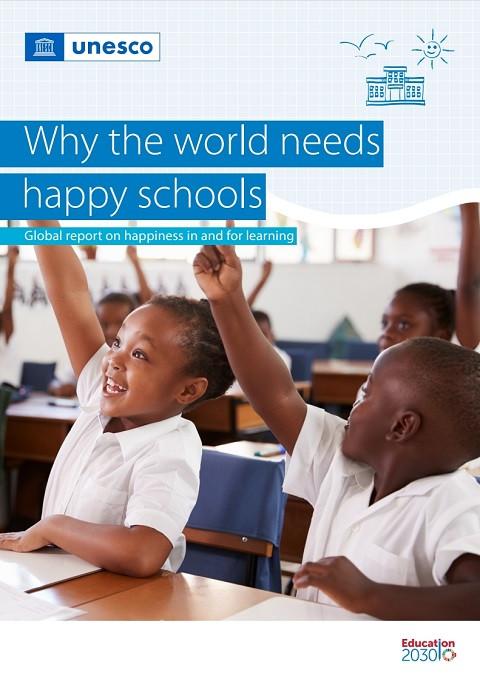 Why the World Needs Happy Schools: Global Report on Happiness In and For Learning Year of publication: 2024 Corporate author: UNESCO Seeing a teacher smile. Hearing students laugh. Feeling a hug from a friend. Smelling fresh air. Tasting a nutritious school meal. These five senses can stimulate happiness at school and improve the learning experiences, outcomes and well-being of students. Through the ‘Happy Schools’ initiative, UNESCO is placing happiness at the core of the transformation of education. It encourages education systems to recognize happiness as both a means to and a goal of quality learning. The initiative is informed by a growing evidence base linking happiness with better learning, teaching, well-being and overall system resilience. This report presents the UNESCO global Happy Schools framework consisting of 4 pillars – people, process, place and principles – and 12 high-level criteria to guide the transformation of learning. It offers a holistic model for embedding happiness into education policies and cultivating it in schools through systemic changes. The report illustrates how the ‘Happy Schools’ initiative aims to create top-down and bottom-up transformation, encouraging governments to recognize happiness as a core objective of education. It supports the scaling of promising practices of joyful learning from the school to the policy level.
 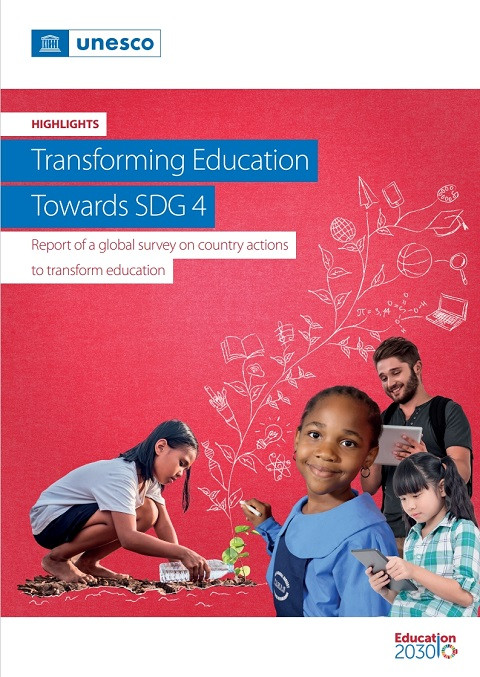 Transforming Education Towards SDG4: Report of a Global Survey on Country Actions to Transform Education; Highlights Year of publication: 2024 Corporate author: UNESCO In 2022, the United Nations Transforming Education Summit responded decisively to mobilize action, ambition and solidarity as well as to elevate education to the top of the political agenda. This powerful mobilization led to 143 countries presenting national statements of commitment, demonstrating their political resolve to reimagine and transform their education systems. On the Summit’s fi rst anniversary, UNESCO invited its Member States to participate in the Survey on Country Actions to Transform Education and report on how they have translated their commitments into actions. This document presents highlights from the Transforming Education Towards SDG 4: Report of a global survey on country actions to transform education. It showcases transformative actions that countries have undertaken to accelerate progress towards SDG 4. The report emphasizes that education must adopt a holistic, lifelong and comprehensive approach that addresses the development and well-being of individual learners and society. Transforming education requires placing inclusion, equity and gender equality at the core of policies and interventions. It also requires more and better education fi nancing, and investments in the teaching profession.
  Guidelines for the governance of digital platforms: safeguarding freedom of expression and access to information through a multi-stakeholder approach Year of publication: 2023 Corporate author: UNESCO Guidelines for an Internet for TrustSafeguarding freedom of expression and the right to information while dealing with dis- and misinformation, hate speech, and conspiracy theories requires a multistakeholder approach. This is the reason why UNESCO, the leading UN agency for the promotion and protection of freedom of expression and to information, is launching Guidelines for the Governance of Digital Platforms. The Guidelines outline a set of duties, responsibilities and roles for States, digital platforms, intergovernmental organizations, civil society, media, academia, the technical community and other stakeholders to enable the environment where freedom of expression and information are in the core of digital platforms governance processes. The Guidelines were produced through a multi-stakeholder consultation that gathered more than 10,000 comments from 134 countries. These global-scale consultations fostered inclusive participation, ensuring a diversity of voices to be heard, including those from groups in situation of marginalization and vulnerability. Cultivating an Internet of Trust is a shared responsibility among all stakeholders. It calls upon us all to sustain an enabling environment for freedom of expression and the right to information.
 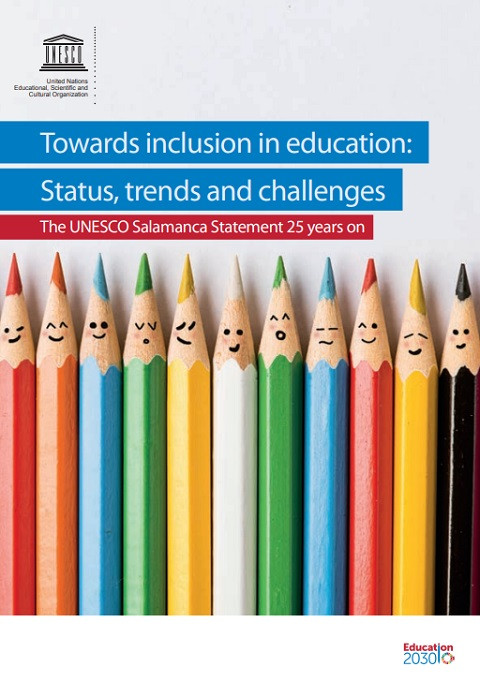 Towards Inclusion in Education: Status, Trends and Challenges: The UNESCO Salamanca Statement 25 Years on Year of publication: 2020 Corporate author: UNESCO The 2030 Agenda for Sustainable Development focuses on leaving no one behind with its Goal 4 on education calling upon education systems ‘to ensure inclusive and equitable quality education and promote lifelong learning opportunities for all’. With ten years remaining to the target date of 2030, countries need to step up e¬orts to reach out to all learners, respect their diverse needs, abilities and characteristics and eliminate all forms of discrimination in the learning environment. This requires adopting an inclusive approach whose foundations have been laid by the UNESCO World Conference on Special Needs Education held in Salamanca, Spain, in 1994. The publication looks at the past, present and future since Salamanca. It provides examples from around the world and make recommendations to guide the further development of inclusive national policies and practices.
 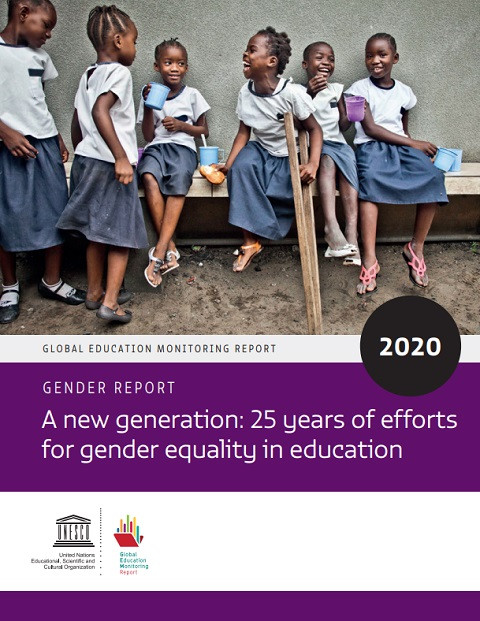 Gender Report 2020: A New Generation; 25 Years of Efforts for Gender Equality in Education (Global Education Monitoring Report) Year of publication: 2020 Corporate author: UNESCO | Global Education Monitoring Report Team Building on the 2020 Global Education Monitoring Report, this report investigates how inclusion in education can advance gender equality in and through education, which is critical to make progress towards gender equality in society. The goal of gender equality is, of course, not new. It was enshrined in the 1979 Convention on the Elimination of All Forms of Discrimination Against Women and was at the core of the 1995 Beijing Declaration and Platform for Action, whose 25th anniversary is marked in 2020.
 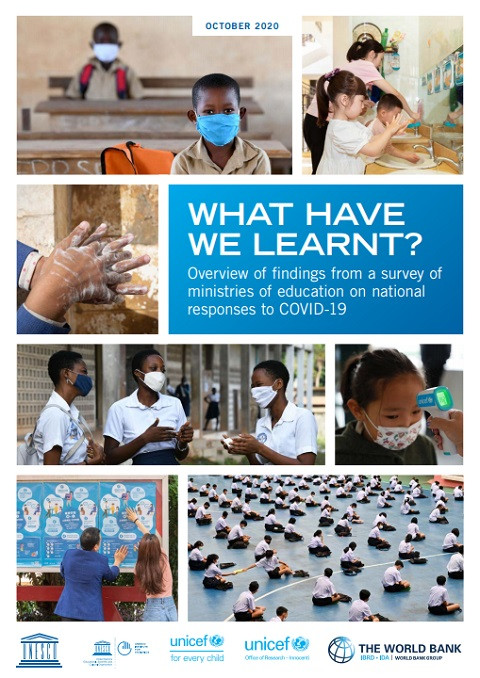 What Have We Learnt?: Overview of Findings From a Survey of Ministries of Education on National Responses to COVID-19 Year of publication: 2020 Corporate author: UNESCO | United Nations Children's Fund (UNICEF) | World Bank As part of the coordinated global education response to the COVID-19 pandemic, UNESCO, UNICEF and the World Bank conducted a Survey on National Education Responses to COVID-19 School Closures. In this joint report, the results of the first two rounds of data collection administered by the UNESCO Institute for Statistics (UIS) were analysed. They cover government responses to school closures from pre-primary to secondary education.
 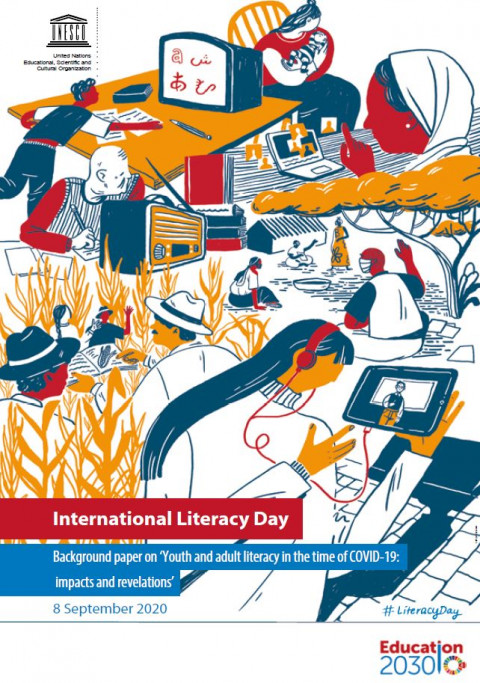 International Literacy Day: Background Paper on 'Youth and Adult Literacy in the Time of COVID-19; Impacts and Revelations' Year of publication: 2020 Corporate author: UNESCO Specially prepared on the occasion of International Literacy Day 2020, this background paper illustrates the impact of the COVID-19 crisis on youth and adult literacy, based on the limited information that is currently available. It provides five regional snapshots and identifies preliminary lessons learned thus far, while aiming to inspire continued reflection and subsequent action. It also makes the case for the ongoing importance of advancing youth and adult literacy, a priority that was already neglected even before the pandemic but which deserves all our attention. ILD 2020 thus seeks to trigger reimaginations of literacy teaching and learning in the COVID-19 crisis and beyond, with a particular focus on the role of educators.
 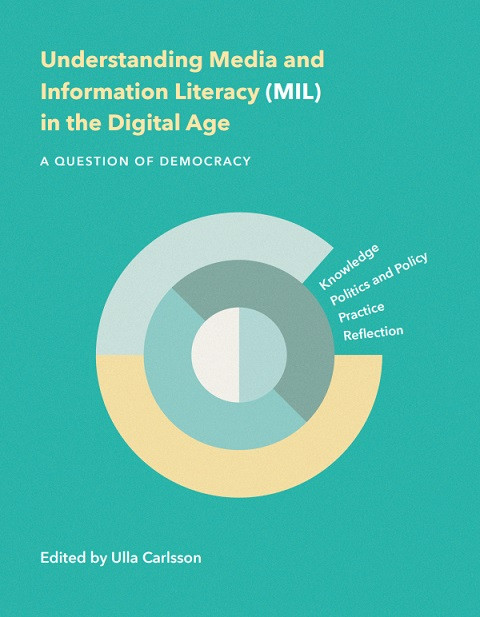 Understanding Media and Information Literacy (MIL) in the Digital Age: A Question of Democracy Year of publication: 2019 Author: Ulla Carlsson Corporate author: University of Gothenburg | UNESCO This book consists of three parts. In the first part, a number of articles of a more general nature discuss media and information literacy (MIL) in a variety of contexts as well as courses of development on national, regional and global levels. The focus in the second part is on Sweden, the host the UNESCO Global MIL Week Feature Conference 2019. The articles in this part present current research findings, policy decisions and political initiatives, and some examples of ‘best practices’ in the MIL area. The third part presents a new approach to MIL in a context of social change and Agenda 2030.
 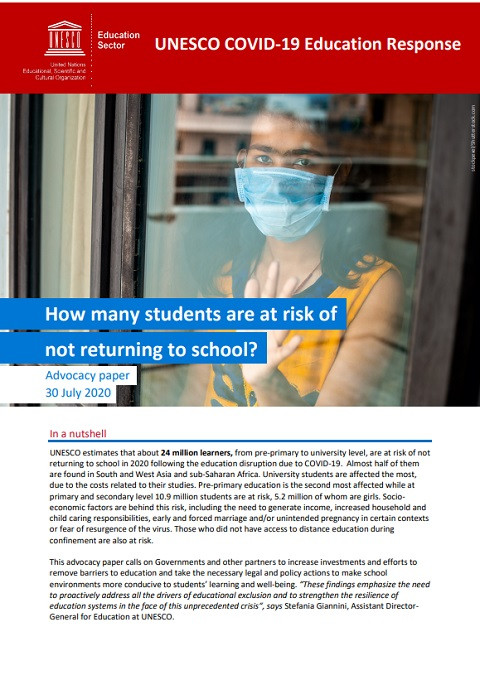 UNESCO COVID-19 Education Response: How Many Students Are at Risk of Not Returning to School?; Advocacy paper Year of publication: 2020 Corporate author: UNESCO UNESCO estimates that about 24 million learners, from pre-primary to university level, are at risk of not returning to school in 2020 following the education disruption due to COVID-19. Almost half of them are found in South and West Asia and sub-Saharan Africa. University students are affected the most, due to the costs related to their studies. Pre-primary education is the second most affected while at primary and secondary level 10.9 million students are at risk, 5.2 million of whom are girls. Socioeconomic factors are behind this risk, including the need to generate income, increased household and child caring responsibilities, early and forced marriage and/or unintended pregnancy in certain contexts or fear of resurgence of the virus. Those who did not have access to distance education during confinement are also at risk. This advocacy paper calls on Governments and other partners to increase investments and efforts to remove barriers to education and take the necessary legal and policy actions to make school environments more conducive to students’ learning and well-being. “These findings emphasize the need to proactively address all the drivers of educational exclusion and to strengthen the resilience of education systems in the face of this unprecedented crisis“, says Stefania Giannini, Assistant DirectorGeneral for Education at UNESCO.
 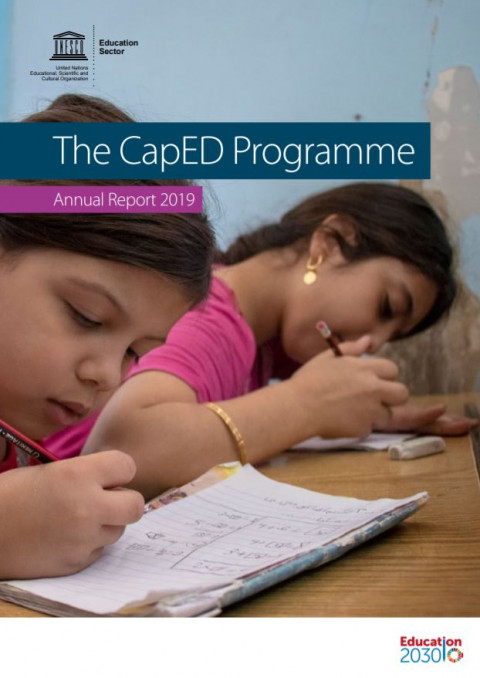 The CapED Programme: Annual Report 2019 Year of publication: 2020 Corporate author: UNESCO UNESCO is the United Nation’s specialized agency for education and is mandated to lead and coordinate progress towards Sustainable Development Goal 4 – “Ensure inclusive and equitable quality education and promote lifelong learning opportunities for all”.The CapED Programme is central to delivering on this mandate through capacity development. It mobilizes UNESCO’s worldwide network of specialized Institutes and offices and works with partners to assist countries as they develop and implement national plans to deliver on SDG4 commitments.The Annual Report 2019 provides information on achievements and progress made in the 26 countries where CapED is operational.