
Resources
Explore a wide range of valuable resources on GCED to deepen your understanding and enhance your research, advocacy, teaching, and learning.
1,364 Results found
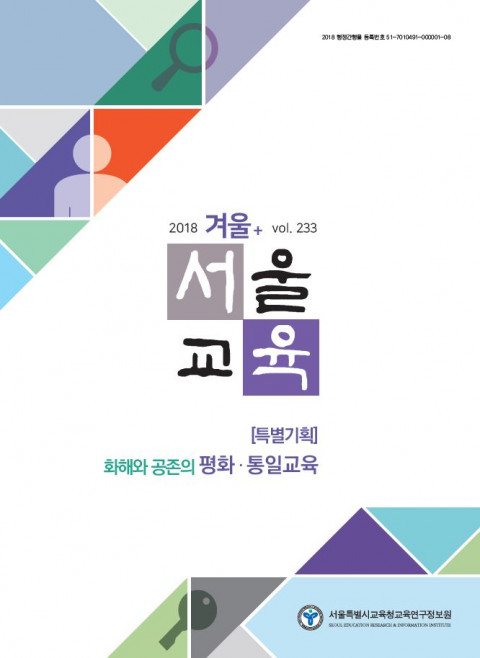 서울교육 2018년 겨울호 (제60권 통권 233호) Year of publication: 2018 Corporate author: 서울특별시교육청 교육연구정보원 권두칼럼:통일교육 패러다임 전환 키워드: #평화특별기획:평화시대를 여는 새로운 통일교육 – 평화와 민주시민교육을 담는 통일교육으로 –화해로 나아가는 평화와 공존의 통일교육한반도 대변혁기의 학교 평화·통일교육 방향 – 통일교육연구학교 운영사례를 중심으로 –해외교육:독일 통일교육이 한국 통일교육에 주는 시사점통일독일의 동독청소년 사회통합을 통해 보는 21세기 통일한국의 청소년 사회통합 정책연구:평화에 대한 비판적 공부: 평화학 출처 URL:http://www.serii.re.kr/photo/viw.do?method=getView&mcode=S029a&seq=1081
 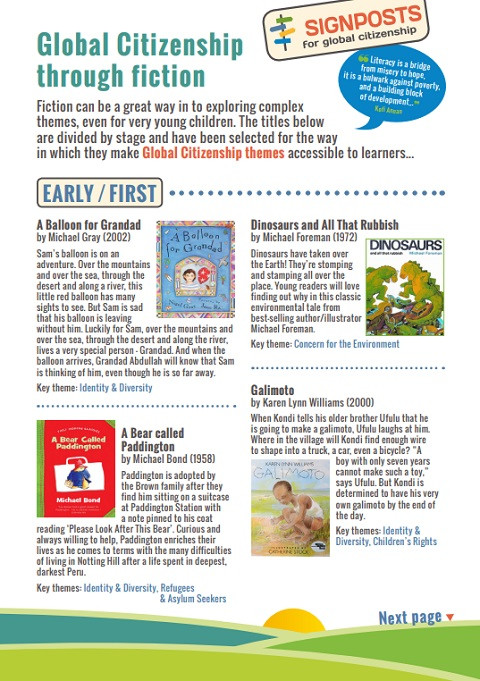 Global Citizenship through Fiction Year of publication: 2016 Corporate author: Signposts | International Development Education Association Scotland (IDEAS) This flyer summarises a selection of texts linking global citizenship and fiction. There is a synopsis of each text and texts range from Early Years to Stage 2.
 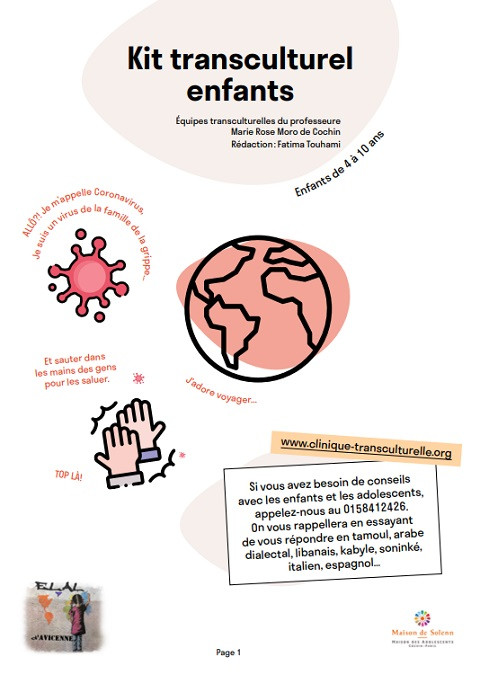 Kit transculturel enfants Year of publication: 2020 Author: Marie Rose Moro Corporate author: Maison de Solenn Ce kit transculturel est destiné à aider les les familles migrates en période de confinement où il devient crucial d’expliquer à chacun, avec les bons mots et dans sa langue, ce qui se passe. Il est nécéssaire d’aider l’enfant à continuer sa vie d’enfant.
 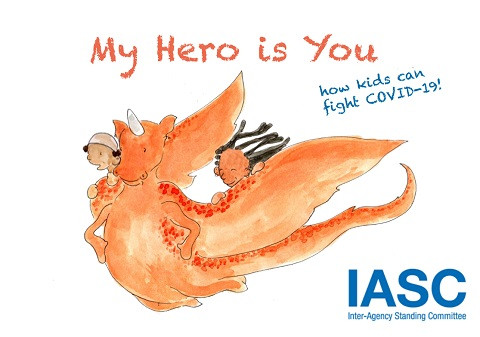 My Hero Is You: How Kids Can Fight COVID-19 Year of publication: 2020 Author: Helen Patuck Corporate author: Inter-Agency Standing Committee (IASC) A new story book that aims to help children understand and come to terms with COVID-19 has been produced by a collaboration of more than 50 organizations working in the humanitarian sector. With the help of a fantasy creature, Ario explains how children can protect themselves, their families and friends from coronavirus and how to manage difficult emotions when confronted with a new and rapidly changing reality. Mon héroïne, c’est toi: Comment combattre la COVID-19 quand on est un enfant Year of publication: 2020 Author: Helen Patuck Corporate author: Inter-Agency Standing Committee (IASC) Un novel livre qui a pour but d’aider les enfants à comprendre et à y faire face a été publié par plus d’une cinquantaine d’organisations actives dans le secteur humanitaire. Ario, une créature fantastique, comment les enfants peuvent se protéger et protéger leurs proches et leurs amis du coronavirus et comment ils peuvent gérer les émotions complexes qui s’emparent d’eux lorsqu’ils sont confrontés à une réalité nouvelle qui évolue rapidement.
 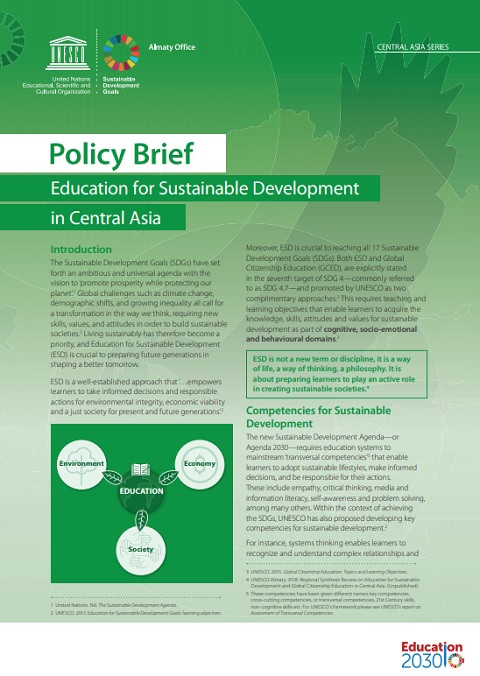 Policy Brief: Education for Sustainable Development in Central Asia Year of publication: 2019 Corporate author: UNESCO Almaty Education for Sustainable Development(ESD) is crucial to reaching all 17 Sustainable Development Goals (SDGs). Both ESD and Global Citizenship Education (GCED) are explicitly stated in the seventh target of SDG4 and promoted by UNESCO as two complimentary approaches. This requires teaching and learning objectives that enable learners to acquire the knowledge, skills, attitudes and values for sustainable development as part of cognitive, socio-emotional and behavioural domains. This policy brief explores the challenges, promising practices, and policy recommendations when it comes to mainstreaming ESD in Central Asia’s education systems. Аналитическая записка: Образование в интересах устойчивого развития в Центральной Азии Year of publication: 2019 Corporate author: UNESCO Almaty ОУР имеет решающее значение для достижения всех установленных 17 ЦУР. Как ОУР, так и Образование в духе глобальной гражданственности (ОГГ) непосредственно указаны в седьмой задаче ЦУР 4 как два взаимодополняющих подхода. Для этого перед преподаванием и обучением необходимо ставить задачи, которые позволяют учащимся приобретать знания, навыки, подходы и ценности для устойчивого развития в рамках когнитивных, социальноэмоциональных и поведенческих аспектов. В настоящей аналитической записке излагаются проблемы, примеры применения многообещающих практик и рекомендации по внедрению ОУР в системы образования стран Центральной Азии.
  Young Children’s Citizenship Education in Canada: Background, Content and Values; Based on the Analysis of Early Learning Guidelines in Alberta, British Columbia and Nova Scotia Year of publication: 2019 Author: Xu Peng Corporate author: Primary and Secondary Education in Foreign Countries Citizenship education for young children has been growingly emphasized by western countries. With the influence of global policy discourses, curriculum reform in early childhood education and studies of young children’s citizenship, citizenship education has become a key aspect in Canadian early childhood curriculum. Based on recent studies, this research forms a theoretical framework for citizenship education, which covers four dimensions of citizenship (political education, social education, subjectivity education and civic practice education). The early learning frameworks in Alberta, British Columbia and Nova Scotia are analyzed through thematic analysis. In general, citizenship education for young children in these three provinces reveal the following features: emphasizing young children’s rights and responsibilities, and advocating young children’s subject positions as citizens; the traditional citizenship is being changed and young children’s participation is highlighted as the root of democracy; young children’s citizenship lies in multiple discursive fields with indigenous perspective emerging. 加拿大学前儿童公民教育: 时代背景、内容向度与价值导向; 基于阿尔伯塔等三省早期学习框架的分析 Year of publication: 2019 Author: Xu Peng Corporate author: Primary and Secondary Education in Foreign Countries 当下,学前儿童公民教育愈发受到西方各国的关注。在国际政策话语、学前教育 课程改革以及儿童公民研究的共同推动下,公民教育逐渐成为加拿大各省学前教育课程的 重要组成部分。在近期儿童公民研究的基础上,形成以政治教育、社会性教育、主体性教育 和公民实践教育为内容向度的理论分析框架。通过主题分析,对阿尔伯塔省、不列颠哥伦比 亚省和新斯科舍省学前教育阶段的公民教育内容进行了分析。总的来看,三省的学前儿童 公民教育凸显了如下价值导向:强调儿童公民权责,倡导儿童为公民主体;变革传统公民身 份,视儿童参与为社会民主的根基;儿童公民话语多元,国际语境下凸显本土立场。
  Preschool Children's Citizenship Education in Global Context: The Transformation of Ideas and Development Trends Year of publication: 2019 Author: Xu Peng Corporate author: International and Comparative Education In recent years, preschool children’s citizenship education has been emphasized globally and gradually becomes a main content in early childhood curriculum. Traditional ideas on early age citizens see some new changes. As the core of early age children’s citizenship education, children’s citizenship is gradually transferred from citizens in waiting to citizens today, including right, active participation, identity and sense of belonging, and collective responsibility. The above transformation highlights global trends such as enriching ideas and contents on citizenship, regarding equity as the logic starting point, paying attention to young children’s participation and experience, and being rooted in indigenous context and culture. In the meantime, potential challenges still exist for the future development of young children's citizenship, such as the difficulty of transferring ideas, ambiguous standing point and the tokenism of curriculum content and practice.