
Resources
Explore a wide range of valuable resources on GCED to deepen your understanding and enhance your research, advocacy, teaching, and learning.
1,364 Results found
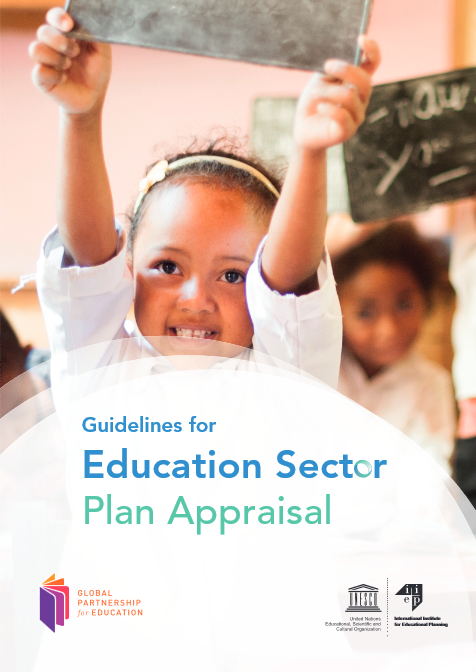 Guidelines for education sector plan appraisal Year of publication: 2015 Corporate author: UNESCO International Institute for Educational Planning (IIEP) | Global Partnership for Education (GPE) At the World Education Forum, in Dakar in 2000, the international community pledged that no country with a credible plan to achieve the Education for All goals would be thwarted by a lack of resources. Since then, the development of an education sector plan (ESP) has become a priority in many countries. ESPs present the policies and strategies for national education reform, and are a powerful tool for coordinating partners and for mobilizing additional domestic and external resources. They have become a critical instrument for governments to signal to all potential investors that their education policies are credible, sustainable, and worthy of investment.The consensus on the need for credible ESPs is strong. However, what does a credible plan require in terms of government leadership, knowledge and data, institutional and human capacities, and dialogue among the education stakeholders? What are the criteria that establish the credibility of a plan? The purpose of these guidelines is to assist education stakeholders in appraising the soundness, relevance, and coherence that form the credibility of ESPs. The primary objective of an appraisal report is to support the finalization of a credible ESP. It provides a fair review of the ESP strengths and areas in need of improvement before the endorsement by partners which signifies their commitment to support the implementation of the ESP. These guidelines are meant to be adapted to national contexts and needs. The stakeholders should discuss the scope and the methodology of the appraisal to be used, and develop a common vision of the whole process. The appraisal process should be participatory, and grounded in the political and technical dialogue for ESP development. It should involve consultations, interviews with key stakeholders, and field visits, in addition to a desk review of the ESP and any other relevant documents. It is good practice to organize a validation workshop of the appraisal report’s findings, conclusions, and recommendations to feed into the ESP finalization. The appraisal process should occur early enough in the ESP development process to allow time for decision-makers to open consultations on these conclusions and recommendations in order to improve the final version of the ESP. Guide pourl’évaluation d’un plan sectoriel d’éducation Year of publication: 2015 Corporate author: UNESCO International Institute for Educational Planning (IIEP) | Global Partnership for Education (GPE) Le Partenariat mondial pour l’éducation (GPE, du sigle anglais) est le seul mécanisme mondial et multilatéral visant à ce que tous les enfants puissent aller à l’école et y recevoir une éducation de qualité. Rassemblant près de 60 gouvernements de pays en développement, ainsi que des gouvernements donateurs, des organisations de la société civile, des fondations privées, des institutions internationales, des enseignants et le secteur privé, il propose un soutien financier pour l’élaboration et la mise en œuvre de plans sectoriels d’éducation de qualité dans les pays les plus pauvres. Le GPE réunit dirigeants nationaux et mondiaux pour concevoir des stratégies coordonnées, donnant à chaque enfant l’opportunité d’apprendre dans un contexte éducatif stimulant et sûr. En soutenant des programmes de développement qui visent à atteindre les objectifs éducatifs d’un pays (parité, bons résultats d’apprentissage, accès universel à l’enseignement primaire), le Partenariat veille à ce que les investissements dans le secteur de l’éducation portent leurs fruits. Le GPE a contribué à améliorer les résultats des pays en matière d’éducation, non seulement en réunissant ses partenaires pour élaborer des plans sectoriels d’éducation, dont la qualité est quantifiable, mais aussi en investissant dans des domaines stratégiquement essentiels mais sous-financés de ces plans, et en mobilisant l’expertise des partenaires nationaux pour tirer le meilleur parti de leurs atouts respectifs. Le GPE a alloué 3,9 milliards de dollars EU au cours des dix dernières années, en soutien aux réformes éducatives dans certains des pays les plus pauvres du monde. En 2014, près de la moitié de ses financements a été attribuée à des pays fragiles ou touchés par des conflits. Guía para la evaluación de un plan sectorial de educación Year of publication: 2015 Corporate author: UNESCO International Institute for Educational Planning (IIEP) | Global Partnership for Education (GPE) La Alianza Mundial para la Educación (GPE, por sus siglas en inglés) es la única alianza multilateral global cuya misión es conseguir que todos los niños y niñas estén escolarizados en un sistema educativo de calidad. La Alianza Mundial para la Educación engloba a alrededor de 60 gobiernos de países en desarrollo, así como a gobiernos socios, organizaciones de la sociedad civil, instituciones internacionales, profesores, fundaciones privadas y sector privado. Proporciona financiación para apoyar el diseño y la ejecución de planes sectoriales de educación de calidad en los países más pobres del mundo. La GPE reúne a líderes mundiales y nacionales para apoyar estrategias coordinadas que ofrezcan a todos los niños y niñas la oportunidad de aprender en un entorno de aprendizaje seguro y adecuado. La Alianza Global, mediante el apoyo a programas de desarrollo enfocados a alcanzar las metas educativas de cada país, tales como la paridad de género, resultados de aprendizaje de calidad y acceso universal a la educación primaria, garantiza que la inversión en educación valga la pena. Hemos ayudado a mejorar los resultados nacionales en educación gracias al trabajo conjunto de socios en la elaboración de planes sectoriales de educación, medibles y de calidad, a la inversión en componentes del plan que eran estratégicamente importantes y que no estaban suficientemente financiados y a la activación del expertise de socios en el país que han aportado su ventaja comparativa. La Alianza Mundial para la Educación ha asignado 3.900 millones de dólares en los últimos diez años para apoyar reformas educativas en los países más pobres de mundo. Prácticamente lamitad de la financiación de 2014 se destinó a estados frágiles o países en situación de conflicto. Guidelines for education sector plan appraisal (prs) Year of publication: 2015 Corporate author: UNESCO International Institute for Educational Planning (IIEP) | Global Partnership for Education (GPE) مشارکت جهانی برای تعلیم و تربیهیگانه تفاهمنامه چند جانبه جهانی است که جهت فراخواندن تمام اطفال در مکاتب با کیفیت وقف گردیده است. مشارکت جهانی برای تعلیم و تربیه حدودأ شامل دولت 60کشور رو به ترقی و همچنان کشور های حمایت کننده،نهاد های جامعه مدنی، نهاد های بین المللی، اتحادیه های خصوصی و معلمان، و سکتور خصوصی میباشد. این مشارکت منابع مالی را جهت حمایت انکشاف و تطبیق پلان های استراتیژیک با کیفیت در فقیر ترین کشور های جهان میباشد.مشارکت جهانی برای تعلیم و تربیه رهبری های ملی و بین المللی را دور هم جمع می نماید تا از آموزش هر طفل در یک فضای مصئون و مؤثر آموزشی حمایت گردد. با حمایت برنامه های انکشافی جهت رسیدن به اهداف تعلیمی یک کشور، مانند تساوی جنسیتی، نتایج با کیفیت آموزشی، و دسترسی همگانی به مکاتب ابتدائیه، مشارکت جهانی تعلیم وتربیه تضمین می کند که به قدر کافی در تعلیم و تربیه سرمایه گذاری میشود. ما از بهبود رسیدن به نتایج آموزشی از طریق گردهم آوردن شرکا میان هم تا پلان های استراتیژیک با کیفیت را ترتیبنمایند، از طریق سرمایه گذاری بالای بخش های مهم استراتیژیکی و نیازمند بودجه پلان استراتیژیک کشور ها و از طریق بسیج نمودن شرکای داخلی در کشور ها تا از مزیت نسبی شان استفاد بتوانند حمایت نموده ایم.مشارکت جهانی برای تعلیم و تربیه در دهه گذشته مبلغ 3.9میلیارد دالر را برای حمایت اصلاحات در تعلیم و تربیه بعضی فقیر ترین کشور های جهان تخصیص داده است. در سال 2014تقریبأ نیم از این سرمایه گذاری به کشور های نا امن و متاثر از جنگ داده شد.
  Toward one world or many? A comparative analysis of OECD and UNESCO global education policy documents Year of publication: 2019 Author: Vaccari, Victoria | Gardinier, Meg P. Education policymaking has gone global. The 2030 Agenda for Sustainable Development aims to galvanize efforts to promote sustainable development, decrease global inequalities, and realize universal quality education. Supporting these efforts, two leading international organizations, UNESCO and the OECD, have set out normative frameworks for their vision of global education. This paper examines the policy discourses of these organizations in light of SDG 4–Education. Specifically, through a comparative analysis of selected terms and underlying concepts in key policy documents, the paper distinguishes between UNESCO's notion of global citizenship and the OECD's framework for global competence. Ultimately, the authors discuss whether the organizations' agendas are aimed at a common global vision, or, alternatively, towards two distinct and divergent conceptualizations of an imagined future.
  Учёт показателей достижения ЦУР 4: доклад о ходе достижения национальных контрольных показателей; в фокусе внимания — учителя Year of publication: 2024 Corporate author: Global Education Monitoring Report Team | UNESCO Institute for Statistics (UIS) В настоящем издании представлена вторая оценка прогресса в достижении странами контрольных показателей, или национальных плановых ориентиров, установленных ими в отношении восьми показателей достижения ЦУР 4 в качестве вклада в реализацию глобальных целей. В этой оценке, охватывающей период с 2015 года, анализируется вероятность достижения каждой из стран национального контрольного показателя на 2025 год или (если контрольный показатель не был установлен) значения, которого они могли бы достичь в случае, если бы темпы их прогресса в истекший период (2000–2015 годы) были на уровне 25 % наиболее быстро прогрессирующих стран.В докладе об учете показателей достижения ЦУР 4 за 2024 год отмечено, что по большинству показателей темпы прогресса в достижении национальных целевых ориентиров отстают от плановых. Более того, по двум аспектам – гендерный дисбаланс (в пользу девочек) по показателю завершения полной средней школы и государственные расходы на образование в процентной доле от общего объема государственных расходов – в странах был зафиксирован регресс.Напротив, ускорился прогресс в достижении нового, восьмого показателя ЦУР 4 (доступ школ к интернету), который был добавлен с учетом приоритетного внимания, уделенного в ходе Саммита по трансформации образования 2022 года проблематике внедрения цифровых технологий. Треть стран установила в 2023 году национальные плановые ориентиры по этому показателю, в связи с чем в настоящем издании был впервые рассмотрен прогресс в этом вопросе.Наряду с этим относительно быстрыми темпами растет процентная доля учителей, имеющих минимально требуемый уровень квалификации. Этому показателю в настоящей публикации также было уделено повышенное внимание. В докладе представлены новые данные о национальных стратегиях в отношении минимальных уровней квалификации для доступа к учительской профессии, а также о правилах и стандартах, касающихся обязательного непрерывного повышения квалификации и обучения учителей навыкам применения новых технологий в сфере образования.
 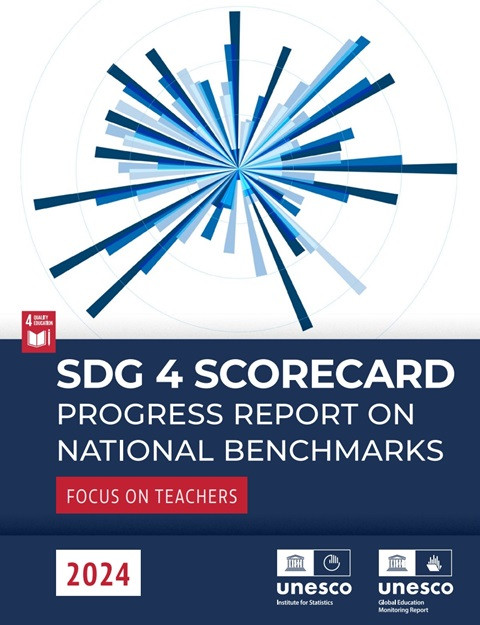 سجّل الأداء بشأن تحقيق هدف التنمية المستدامة 4: التقرير المرحلي عن المؤشرات المرجعية الوطنية Year of publication: 2024 Corporate author: Global Education Monitoring Report Team | UNESCO Institute for Statistics (UIS) يتضمن هذا التقرير نتائج عملية التقييم الثانية للتقدم المحرز على الصعيد القطري نحو تحقيق المؤشرات المرجعية، أو الأهداف الوطنية، التي حددتها البلدان المساهمة في أهداف التنمية المستدامة بهدف تحديد مساهمتها في تحقيق الأهداف العالمية في مجال التعليم. وتغطي عملية التقييم هذه الفترة منذ عام 2015، وتقيّم مدى احتمال بلوغ البلدان المؤشر المرجعي الخاص بكل بلد لعام 2025، أو القيمة التي كان باستطاعة البلدان الوصول إليها في حال واصلت وتيرة التقدم المحرز فيها خلال الفترة 2000-2015.وأظهر شكل التقييم لعام 2024 أن معظم البلدان تتقدم ببطء نحو بلوغ الأهداف الوطنية المرجوة منها. بل إن البلدان تتراجع عن تحقيق هدفين اثنين – أحدهما التفاوت بين الجنسين لمصلحة الفتيات في إتمام التعليم الثانوي الكامل، والآخر الإنفاق العام على التعليم كنسبة مئوية من الإنفاق العام الإجمالي.وعلى ذلك، سجّل البلدان تقدّمًا متسارعًا في بلوغ المؤشر المرجعي الثامن، ألا وهو الاتصال بالإنترنت في المدارس، الذي أضيف نتيجةً للأولوية التي أُعطيت للتحول الرقمي في قمة التحول في التعليم لعام 2022. وقد وضعت ثلث البلدان أهدافًا وطنية بشأن هذا المؤشر في عام ٢٠٢٣. ويجري في هذا الإصدار من التقرير تقييم التقدم في هذا المجال لأول مرة.وتستمر البلدان كذلك في تحقيق تقدّم سريع نسبيًا بالنسبة للمؤشر المتعلق بالنسبة المئوية للمعلمين الذين يستوفون الحد الأدنى من المؤهلات. وقد أولى هذا الإصدار اهتمامًا خاصًا لهذا المؤشر. ويعرض التقرير بيانات جديدة بشأن الأطر الوطنية المتعلقة بالحد الأدنى من المؤهلات المطلوبة للالتحاق بمهنة التدريس، وكذلك القواعد والمعايير الخاصة بالتطوير المهني المستمر الإلزامي للمعلمين، إضافة إلى التدريب على استخدام الوسائل التكنولوجية في مجال التعليم.
 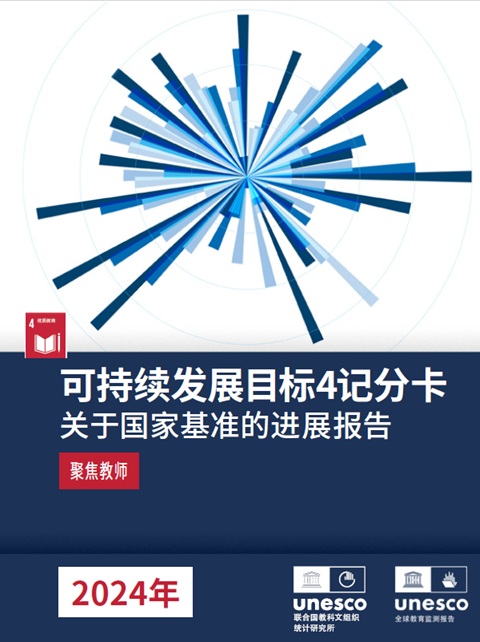 可持续发展目标4记分卡:关于国家基准的进展报告:聚焦教师 Year of publication: 2024 Corporate author: Global Education Monitoring Report Team | UNESCO Institute for Statistics (UIS) 这是第二份关于各国在实现基准或国家目标方面取得进展的评估报告,这些基准或国家目标是各国为八项可持续发展目标4指标而设定的,代表着其对全球目标的贡献。该评估涵盖了自2015年以来的时期,审查了每个国家实现其2025年基准的可能性;对于未设定此项基准的国家,则审查其是否有可能实现以历史上(2000–2015年)进展最快的25%国家的速度进步或将达到的数值。2024年可持续发展目标4记分卡表明,大多数指标的国家目标进展偏离轨道。在高中教育完成率方面男童处于不利地位的性别差距和公共教育支出占公共支出总额的比例这两项指标方面,各国甚至出现了倒退。相比之下,第八项基准指标——学校互联网连通性方面的进展较快,这项指标是在2022年教育变革峰会将数字变革作为优先事项后新增的。三分之一的国家在2023年制定了国家目标,本期报告首次审查了该指标的进展情况。另一个取得较快进展的指标,是具有最低必备资格的教师比例,这也是本期报告重点关注的指标。报告介绍了关于从事教师职业最低必备资格的国家政策、强制性持续专业培训政策,以及教师在教育技术方面培训政策的新证据。
  Global Education Monitoring Report 2019: Gender Report: Building Bridges for Gender Equality Year of publication: 2019 Corporate author: Global Education Monitoring Report Team Achieving gender equality in education participation, in the teaching and learning process and in access to social and economic opportunities that education can facilitate are key interlinked ambitions in two of the Sustainable Development Goals (SDGs) in the 2030 Agenda for Sustainable Development: SDG 4 on education and SDG 5 on gender equality. These aims are also key to the Education 2030 Framework for Action, which calls on countries to adopt strategies that not only cover access to education for all but also address substantive gender equality issues: ‘supporting gender-sensitive policies, planning and learning environments; mainstreaming gender issues in teacher training and curricula; and eliminating gender-based discrimination and violence in schools’. The 2019 Gender Report is based on a monitoring framework first introduced in the 2016 Global Education Monitoring Report.In addition to focusing on gender parity in education participation, attainment and learning achievement, the framework examines broad social and economic contexts (gender norms and institutions) and key education system characteristics (laws and policies, teaching and learning practices, learning environments, and resources). The framework also looks at the relationship between education and selected social and economic outcomes. For instance, a move towards parity in education attainment may increase women’s labour force participation rates, but low levels of labour force participation feed into existing norms and may constrain expansion of education opportunities for women.
  Beyond commitments 2019: how countries implement SDG 4 Year of publication: 2019 Corporate author: Global Education Monitoring Report Team Almost one-third of the time set to achieve the Sustainable Development Goals (SDGs) has elapsed. The 2019 High-level Political Forum (HLPF), the global SDG follow-up and review mechanism, represents a major stock-taking moment for countries, especially as regards SDG 4, the education goal, which is being reviewed for the first time. The international community relies primarily on quantitative measures to assess progress towards the SDGs. Acompanion publication by the UNESCO Institute for Statistics and the Global Education Monitoring Report for the 2019 HLPF, titled ‘Meeting commitments: Are countries on track to achieve SDG 4?’, shows that there are major challenges ahead. But increasingly, member states demand more than quantitative information. They ask for guidance on how to respond when their education systems do not reach their targets. To respond to this demand, this publication has the following purposes: Understand countries’ perceptions of SDG 4 based on responses to a questionnaire prepared for this publication, which asked countries to report on their flagship SDG 4 policies Distil those perceptions into a framework of the types of national policies that are best aligned with SDG 4 and whose implementation should be monitored Communicate the framework succinctly and provide a complementary input for the review of SDG 4 at the 2019 HLPF Provide an opportunity for countries to engage in dialogue on how they approach SDG 4. An analysis of the questionnaires submitted by 72 governments shows that most countries refer to SDG 4 as a framework in which they place their education planning. A core recommendation is that countries should align their education plans and policies with their international commitments.