
Resources
Explore a wide range of valuable resources on GCED to deepen your understanding and enhance your research, advocacy, teaching, and learning.
1,372 Results found
 Gender-Based Hate Crime Year of publication: 2021 Corporate author: Organization for Security and Co-operation in Europe (OSCE) Gender-based hate crimes are a consequence of gender inequalities and disproportionately affect women, as well as anyone perceived as not complying with prevailing gender norms. Gender-based hate crimes often seek to intimidate and suppress ways of life or expressions of identity that are perceived as not complying with traditional gender norms. They have a significant, long-lasting impact on the victims, and undermine security and social cohesion by perpetuating gender inequalities. The existence of such crimes also underscores wider trends of intolerance towards other groups. Everyone has a role to play in countering this and all forms of intolerance.
  Arts Education for the Children of the Arab World as a Mediator for Development and the Axis of International Understanding: The Child's Song Year of publication: 2014 Author: Amal Sadiq Corporate author: Arab Council for Childhood and Development (ACCD) This paper focuses on art education and music in the Arab world and its link to development. The paper goes on critical understanding on how music and art can educate children for international understanding. تعليم الفنون لأطفال العالم العربى وسيط للتنمية ومحور التفاهم الدولى : أغنية الطفل Year of publication: 2014 Author: Amal Sadiq Corporate author: Arab Council for Childhood and Development (ACCD) تركز الورقة على التربية الفنية والموسيقى في الوطن العربي وصلتها بالتنمية. تتناول الورقة فهمًا نقديًا لكيفية تعليم الموسيقى والفن للأطفال من أجل التفاهم الدولي.
 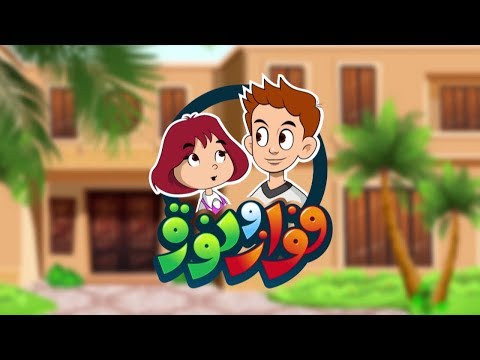 Dialogue Protocols (Fawaz and Nora Series, Episode 29) Year of publication: 2018 Corporate author: Tatweer Company | Saudi Arabia. Ministry of Education The clip is a short video that talks about etiquette of dialogue between children. The teacher enters the classroom and finds quarrels between the children and begins to teach them etiquette of dialogue. آداب الحوار (مسلسل فواز ونورة - الحلقة 29) Year of publication: 2018 Corporate author: Tatweer Company | Saudi Arabia. Ministry of Education المقطع عبارة عن فيديو قصير يتحدث عن اداب الحوار بين الأطفال. يدخل المعلم الصف ويجد التخاصم بين الأطفال ويبدأ بتعليمهم اداب الحوار.
  The Role of Education Towards Enhancing the Peaceful Coexistence Culture and Devoting the Citizenship Values of Postmodern Society Year of publication: 2019 Author: Lilia Bensouilah Corporate author: Research & Development of Human Resources Center REMAH This study aims to examine the role of education in creation the peaceful coexistence culture, promote opportunities for cosmopolitan openness to the other, preserve mutual respect and legitimize culture of difference, tolerance and pluralism of religions, beliefs and ideologies away from all manifestations of intolerance, hatred and destructive conflicts that violate human rights. دور التعليم في تعزيز ثقافة التعايش السلمي وتكريس قيم المواطنة في سياق مجتمع ما بعد الحداثة Year of publication: 2019 Author: Lilia Bensouilah Corporate author: Research & Development of Human Resources Center REMAH تركز الورقة على تحليل دور التعليم وبحث المجهودات العالمية والمساعي الدولية في سياق مجتمعي لما بعد الحداثة نحو تعزيز ثقافة التعايش السلمي وتكريس قيم المواطنة بما يتوافق مع المنظور الحقوقي الإنساني، وما ينبثق عنه من احترام وتقبل لتعددية واختلاف المذاهب والأديان والأيديول وجيات والثقافات بعيدا عن كل مظاهر التعصب الفكري المذهبي والعرقي والذي يمكن أن يهيأ بيئة محفزة لنشوب النزاعات المسلحة والصراعات المدمرة المنتهكة الكيان الحقوقي للبشرية قاطبة.
 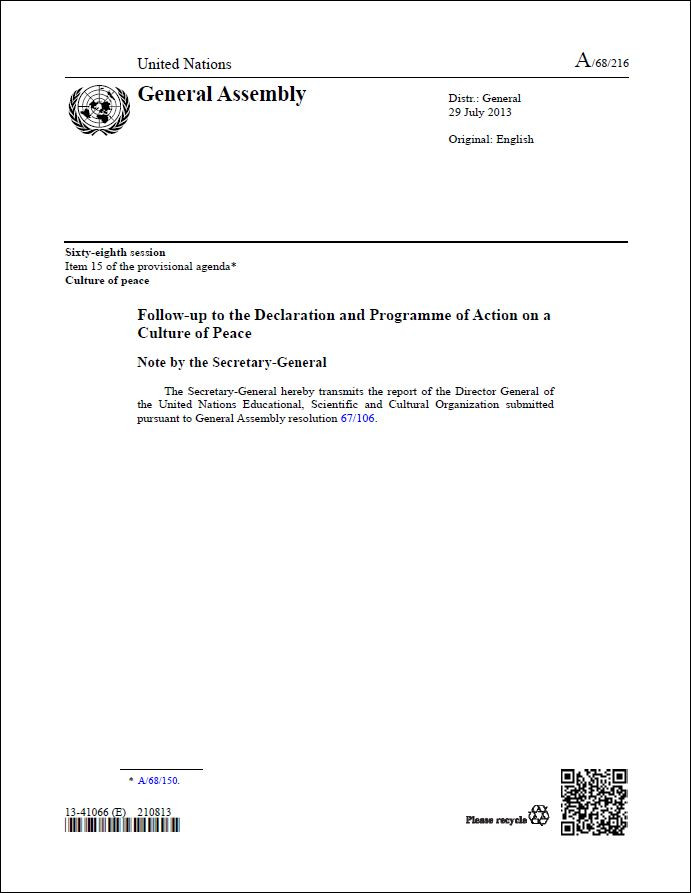 Report of the Director-General of the United Nations Educational, Scientific and Cultural Organization on the follow-up to the implementation of the Declaration and Program of Action on a Culture of Peace Year of publication: 2013 Corporate author: United Nations. Secretary-General, 2007-2016 (Ban, Ki-moon) | UNESCO. Director-General, 2009-2017 (Bokova, I.G.) This is a report submitted by the Director-General of the United Nations Educational, Scientific and Cultural Organization, pursuant to General Assembly resolution 67/1, to follow up on the implementation of the Declaration and Program of Action on a Culture of Peace. The Director-General has reviewed an overview of the activities carried out to promote a culture of peace and non-violence, jointly with the United Nations Educational, Scientific and Cultural Organization (UNESCO) as the lead agency in the United Nations system on this subject. تقرير المديرة العامة لمنظمة الأمم المتحدة للتربية والعلم والثقافة عن متابعة تنفيذ الإعلان وبرنامج العمل المتعلقين بثقافة السلام Year of publication: 2013 Corporate author: United Nations. Secretary-General, 2007-2016 (Ban, Ki-moon) | UNESCO. Director-General, 2009-2017 (Bokova, I.G.) هذا هو تقريـر مقـدم مـن المـديرة العامـة لمنظمـة الأمـم المتحـدة للتربيـة والعلم والثقافة عملاً بقرار الجمعية العامة ٦٧/١، لمتابعة تنفيذ الإعلان وبرنامج العمل المتعلقين بثقافة السلام. وقد استعرضت المديرة العامة لمحة عامة عن الأنشطة المنفذة لترويج ثقافة السلام واللاعنف، بالاشتراك مع منظمة الأمم المتحدة للتربية والعلم والثقافة (اليونيسكو) باعتبارها الوكالة الرائدة في منظومة الأمم المتحدة المعنية بهذا الموضوع.
  세계시민교육 학교 만들기 가이드 -전학교적 접근으로 실천하는 세계시민교육 Year of publication: 2018 Corporate author: 유네스코 아시아태평양 국제이해교육원 '전학교적 접근으로 실천하는 세계시민교육'이라는 부제를 갖고 있는 본 도서는 학교 차원에서 세계시민교육을 실천할 때 참고할 수 있는 유용한 가이드를 제공한다. 세계시민교육은 지식뿐 아니라 가치관, 태도, 행동의 변화까지 아우르기 때문에 교실을 넘어 학교, 가정, 지역사회까지 그 실천 범위가 확장되었을 때 더욱 효과적이다. 본 도서는 세계시민교육의 범위를 확장시켜 전학교적으로 실천하기 위한 전략과 활동 계획 구축에 대한 가이드를 구체적으로 제공하고 있다. 또한, 현장의 목소리를 담아 세계시민교육을 실천하며 겪었던 어려움, 고민, 극복 방안, 참고 사례 등을 나누고자 하였다. 여는 글PART I. 함께 그려보는 세계시민교육 학교의 비전Step 1_세계시민교육 학교, 왜 필요한가요?Step 2_세계시민교육 학교, 누가 만들 수 있나요?Step 3_세계시민교육 학교, 어떻게 만들 수 있나요?Step 4_세계시민교육 학교, 무엇을 하면 되나요? PART II. 학교에 부는 변화의 바람Story 1_아이들을 위한 변화를 만드는 교사 Story 2_학교 변화의 디자이너, 교장Story 3_다시 생각하는 학교의 역할