
Resources
Explore a wide range of valuable resources on GCED to deepen your understanding and enhance your research, advocacy, teaching, and learning.
1,372 Results found
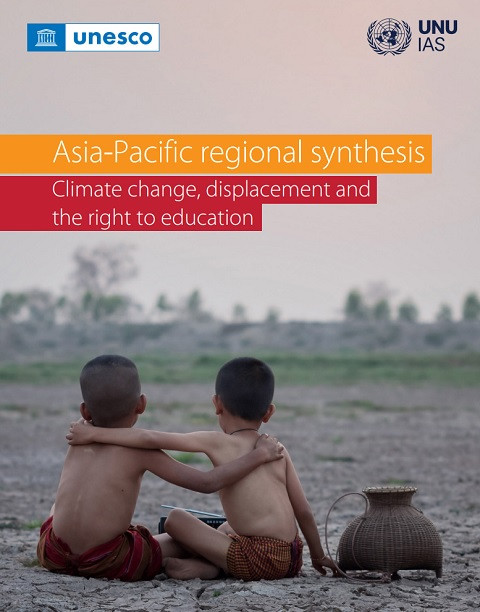 Asia-Pacific Regional Synthesis: Climate Change, Displacement and the Right to Education Year of publication: 2023 Corporate author: UNESCO | United Nations University Institute for the Advanced Study of Sustainability (UNU-IAS) | UNESCO Bangkok In 2020, 30.7 million people were displaced by natural disasters – disasters which the scientific community acknowledges are more frequent and more intense as a result of climate change. In Asia and the Pacific alone, 21.3 million people were displaced, making it the region the most impacted by national disasters and climate change in the world. Therefore, country case studies were carried out in Bangladesh, India, Indonesia, Tuvalu, and Viet Nam to examine not only specific vulnerabilities to climate change and related mobility, but also the impacts of climate change on the right to education in Asia and the Pacific. These case studies show that climate change directly threatens education – through the destruction of schools and property – but also indirectly puts education in peril by forcing people to cross borders, ensuring neither legal residency nor the right to education. This regional synthesis report aims to guide policy-makers through providing operational policy recommendations on how to ensure education is protected in Asia and the Pacific in the face of climate change and displacement from a human rights-based approach. The report is one of four being developed and will contribute to the global initiative on climate change and displacement and the right to education – launched by UNESCO in 2020 – by informing the development of a Global Report with global policyrecommendations.How climate change impacts the right to education in Asia and the Pacific21.3million displacementstook place in Asia and the Pacific
  Good Practices in South-South and Triangular Cooperation: Transforming Education and Delivering on SDG 4 Year of publication: 2023 Corporate author: UNESCO | United Nations Children's Fund (UNICEF) | UN. Office for South-South Cooperation (UNOSSC) Quality Education: South-South cooperation as a lever for action. This publication showcases 40 innovative solutions on how South-South and Triangular Cooperation can transform education.South-South and triangular cooperation is at the heart of SDG4 implementation on Quality Education. As demonstrated in the last few years, this kind of cooperation can mobilize action, ambition, solidarity and solutions to transform education in a rapidly changing world. From the inclusive approach to digital learning in Lao People’s Democratic Republic to distance learning and teacher training strategies in Caribbean SIDS, South-South cooperation is a key modality of cooperation for transforming education and supporting internationally agreed development goals, including the 2030 Agenda. This publication showcases 40 innovative solutions on how South-South and Triangular Cooperation can transform education.This publication presents forty innovative solutions from around the world which showcase how South-South and triangular cooperation can support the development of more efficient, equitable and resilient education systems that are adapted to the challenges of the 21st century. Countries of the South, with the support of partners, must enhance South-South and triangular cooperation to exchange resources, technology, skills and knowledge to realize the promise of making inclusive, quality education available to all.
 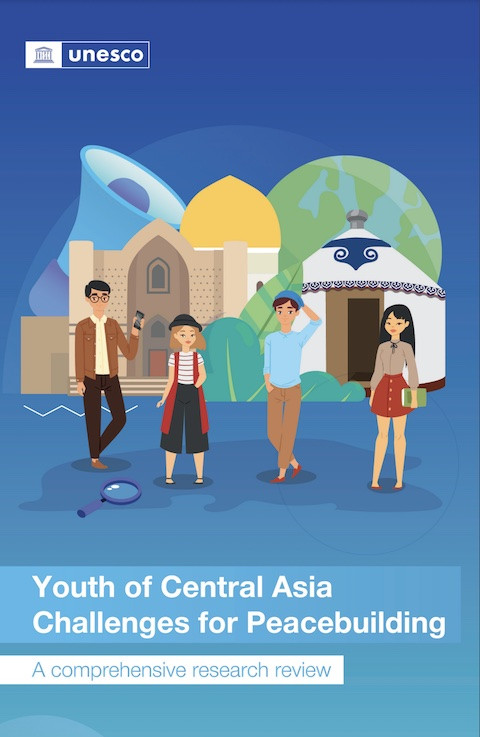 Youth of Central Asia, Challenges for Peacebuilding: A Comprehensive Research Review Year of publication: 2021 Author: Laura Yerekesheva Corporate author: UNESCO The estimations are that by 2030, the world will be home to 1.3 billion young people. This speaks about the importance of the youth for development in various parts of the globe, particularly in developing countries which constitute 90% of the global youth population. From comprehensive holistic perspective peace, peacebuilding and dialogue embrace all aspects and dimensions of life – inter-generational, social, economic, political, ethnic, religious, civic, ideological, cultural, and natural. The youth related issues are directly linked with the SDGs agenda. Central Asian states are also on the list of developing countries, with an increasing demographic share of the youth in the general population, meaning that the countries of the region are “young.” As of 2020, the total population of the four countries of Central Asia (Kazakhstan, Kyrgyzstan, Tajikistan and Uzbekistan) was 68.46 million, of which youth comprised 16.55 million or 24,1%. What Challenges for Peacebuilding the Youth of Central Asia Face? This highlights the urgency required for elaborating and implementing special policies on youth development. For Central Asia, the peace and peacebuilding agenda is the development agenda, and vice versa, as neither is possible without the other, and these in turn are intrinsically linked with youth-related issues. This report provides a detailed overview of the existing challenges to the youth of the 4 countries of the region – Kazakhstan, Kyrgyzstan Tajikistan, Uzbekistan – structured around three main themes of peacebuilding: (1) an education and learning environment; (2) economic and social participation; and (3) civic engagement. Governments, international organizations, professionals and policymakers in the youth, peacebuilding and development sectors, academia and NGOs are invited to join forces to accelerate the achievement of youth development for a more just, sustainable and peaceful future. Молодежь Центральной Азии, Вызовы миростроительству : Комплексный исследовательский обзор Year of publication: 2021 Author: Laura Yerekesheva Corporate author: Организация Объединенных Наций по вопросам образования, науки и культуры (UNESCO) По оценкам, к 2030 году в мире будут проживать 1,3 миллиарда молодых людей. Это говорит о важной роли, которую будет играть молодежь, особенно в развивающихся странах, в которых проживает 90% общего мирового населения молодежи. В рамках всеобъемлющего системного подхода, мир, миростроительство и диалог подразумевают все аспекты и измерения жизни - межпоколенческие, социальные, экономические, политические, этнические, религиозные, гражданские, идеологические, культурные и природные. Вопросы, связанные с молодежью, напрямую связаны с повесткой в области достижения Целей устойчивого развития (ЦУР). Государства Центральной Азии относятся к развивающимся странам с высокой долей молодежи в общем составе населения, что делает эти страны «молодыми». По состоянию на 2020 год общая численность населения четырех стран Централь ной Азии (Казахстана, Кыргызстана, Таджикистана и Узбекистана) - 68,46 миллиона человек, из которых молодежь составляла 16,55 миллиона человек или 24,1%.Это свидетельствует о важности разработки и реализации специальных стратегий и мер по развитию молодежи. Для Центральной Азии повестка дня в области мира и миростроительства – это, прежде всего, повестка дня в области развития, и наоборот, поскольку обе они взаимосвязаны между собой, а также с проблемами молодежи.В данном отчете представлен подробный обзор существующих вызовов, с которыми сталкивается молодежь четырех стран региона - Казахстана, Кыргызстана, Таджикистана, Узбекистана. Данные вызовы структурированы вокруг трех основных тем миростроительства: (1) образование и обучающая среда; (2) экономическое и социальное участие; и (3) гражданское участие.Правительствам, международным организациям, специалистам и политикам, работающим в сферах молодежи, миростроительства и развития, академическим кругам и неправительственным организациям предлагается объединить усилия для ускорения достижения целей развития молодежи для более справедливого, устойчивого и мирного будущего.
 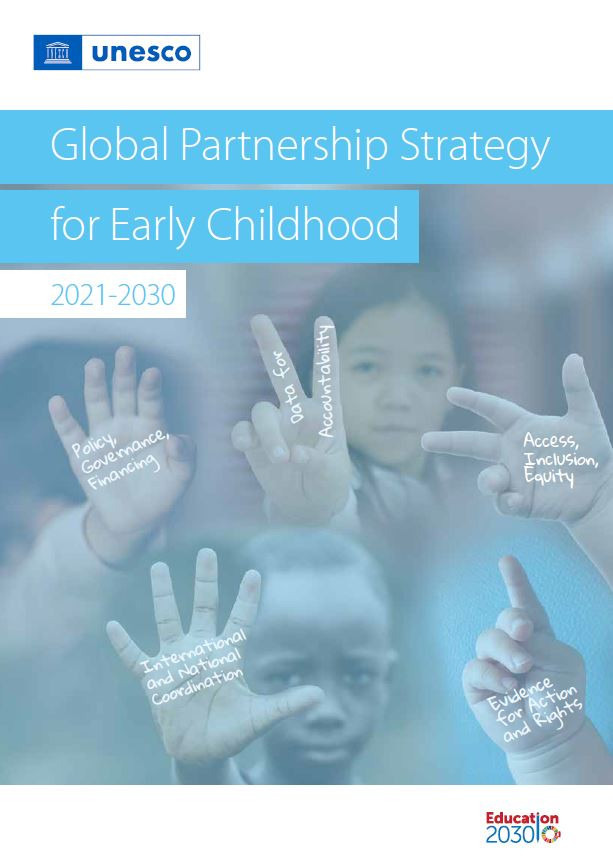 Global Partnership Strategy for Early Childhood, 2021-2030 Year of publication: 2022 Corporate author: UNESCO The Global Partnership Strategy for early childhood is the result of inter-agency efforts to counter the negative trend in education and to overcome the reduction and closure of services for health, nutrition, sanitation, and child protection in all regions of the world during the COVID-19 pandemic. Well-designed and implemented policies and services for early childhood care, education and development enable all countries to protect and guarantee child rights, achieve high rates of return on their investments in child and family development and widen avenues for transforming societies and lives. Stratégie de partenariat mondial pour la petite enfance, 2021-2030 Year of publication: 2022 Corporate author: Organisation des Nations Unies pour l'éducation, la science et la culture (UNESCO) La Stratégie de Partenariat mondial pour la petite enfance est le résultat des efforts interagences pour contrer la tendance négative dans l’éducation et pour surmonter la réduction et la fermeture des services de santé, de nutrition, d’assainissement et de protection de l’enfance dans toutes les régions du monde pendant la pandémie de COVID-19. Des politiques et des services bien conçus et mis en oeuvre pour la protection, l’éducation et le développement de la petite enfance permettent à tous les pays de protéger et de garantir les droits de l’enfant, d’obtenir des taux de rendement élevés sur leurs investissements dans le développement de l’enfant et de la famille et d’élargir les possibilités de transformation des sociétés et des vies.
 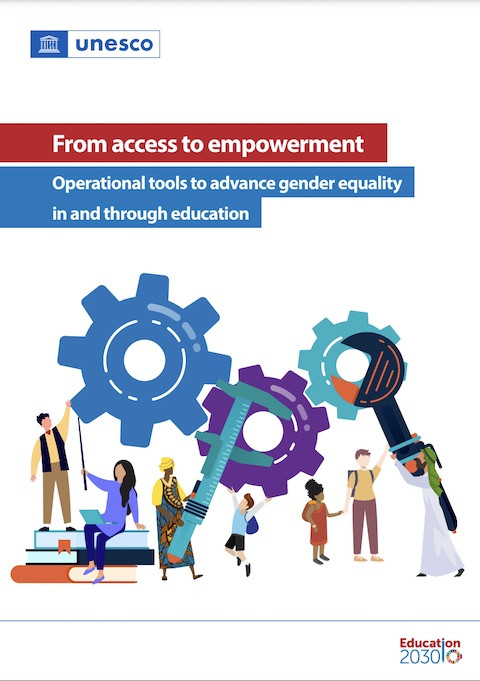 De l’accès à l’autonomisation: Outils opérationnels pour promouvoir l’égalité des genres dans et par l’éducation Year of publication: 2021 Corporate author: Organisation des Nations Unies pour l'éducation, la science et la culture (UNESCO) Ce guide a été conçu pour renforcer la capacité individuelle et institutionnelle à intégrer de manière efficace l’égalité des genres aux programmes éducatifs. Ce guide a été préparé pour l’ensemble du personnel du Secteur de l’éducation de l’UNESCO, notamment pour celles et ceux travaillant au Siège, dans les bureaux hors Siège/régionaux/multipays et dans les instituts, ainsi que pour les partenaires d’exécution. Ce guide fournit des outils d’orientation et opérationnels pour intégrer efficacement le genre à tous les programmes relatifs à l’éducation. La première partie est une présentation succincte des concepts clés de l’égalité des genres dans et par l’éducation, et un aperçu de la manière dont l’égalité des genres dans l’éducation s’inscrit dans la vision de l’UNESCO et dans les objectifs fixés au niveau international. La deuxième partie fournit des conseils pratiques sur la manière d’intégrer l’égalité des genres aux programmes éducatifs, d’élaborer des programmes transformateurs et, enfin, de suivre et d’évaluer les résultats en matière de genre dans les programmes éducatifs.
 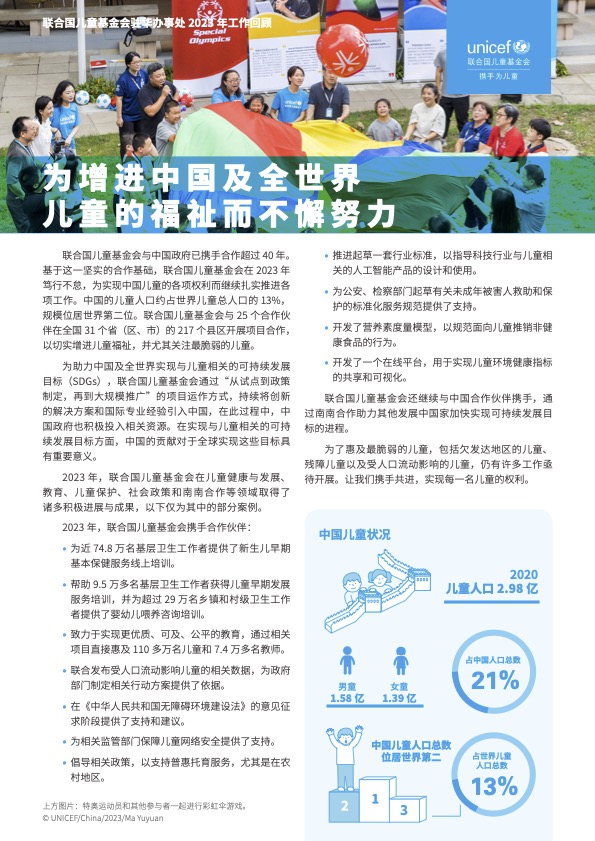 为增进中国及全世界儿童的福祉而不懈努力: 联合国儿童基金会驻华办事处2023年工作回顾 Year of publication: 2024 Corporate author: 联合国儿童基金会 联合国儿童基金会与中国政府已携手合作超过40年。基于这一坚实的合作基础,联合国儿童基金会在2023年笃行不怠,为实现中国儿童的各项权利而继续扎实推进各项工作。中国的儿童人口约占世界儿童总人口的13%,规模位居世界第二位。联合国儿童基金会与25个合作伙伴在全国31个省(区、市)的217个县区开展项目合作,以切实增进儿童福祉,并尤其关注最脆弱的儿童。为助力中国及全世界实现与儿童相关的可持续发展目标(SDGs),联合国儿童基金会通过“从试点到政策制定,再到大规模推广”的项目运作方式,持续将创新的解决方案和国际专业经验引入中国,在此过程中,中国政府也积极投入相关资源。在实现与儿童相关的可持续发展目标方面,中国的贡献对于全球实现这些目标具有重要意义。2023年,联合国儿童基金会在儿童健康与发展、教育、儿童保护、社会政策和南南合作等领域取得了诸多积极进展与成果,以下仅为其中的部分案例。2023年,联合国儿童基金会携手合作伙伴:为近74.8万名基层卫生工作者提供了新生儿早期基本保健服务线上培训。帮助9.5万多名基层卫生工作者获得儿童早期发展服务培训,并为超过29万名乡镇和村级卫生工作者提供了婴幼儿喂养咨询培训。致力于实现更优质、可及、公平的教育,通过相关项目直接惠及110多万名儿童和7.4万多名教师。联合发布受人口流动影响儿童的相关数据,为政府部门制定相关行动方案提供了依据。在《中华人民共和国无障碍环境建设法》的意见征求阶段提供了支持和建议。为相关监管部门保障儿童网络安全提供了支持。倡导相关政策,以支持普惠托育服务,尤其是在农村地区。推进起草一套行业标准,以指导科技行业与儿童相关的人工智能产品的设计和使用。为公安、检察部门起草有关未成年被害人救助和保护的标准化服务规范提供了支持。开发了营养素度量模型,以规范面向儿童推销非健康食品的行为。开发了一个在线平台,用于实现儿童环境健康指标的共享和可视化。联合国儿童基金会还继续与中国合作伙伴携手,通过南南合作助力其他发展中国家加快实现可持续发展目标的进程。为了惠及最脆弱的儿童,包括欠发达地区的儿童、残障儿童以及受人口流动影响的儿童,仍有许多工作亟待开展。让我们携手共进,实现每一名儿童的权利。
 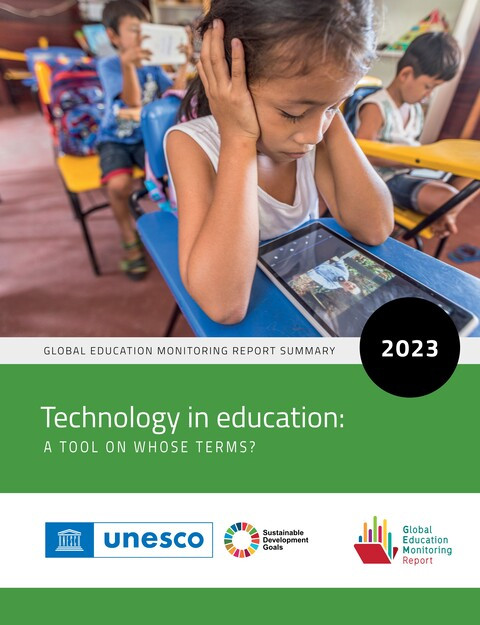 [요약본] 2023 세계 교육 현황 보고서 요약본: 교육 분야에서의 기술; 누구를 위한 도구인가? Year of publication: 2023 Corporate author: 유네스코 | 세계교육현황보고서팀 교육 분야에서 기술의 역할은 오랫동안 격렬한 논쟁을 불러일으켜 왔다. 기술은 지식을 민주화할 것인가, 선택된 소수가 정보를 통제함으로써 민주주의를 위협할 것인가? 기술은 무한한 기회를 제공할 것인가, 돌이킬 수 없이 기술에 종속되는 미래로 이끌 것인가? 기술은 공평한 경쟁의 장을 제공할 것인가, 불평등을 악화시킬 것인가? 기술은 아이들을 가르치는 데 사용되어야 할 것인가, 아이들의 발달에 위험 요소가 될 것인가? 이러한 논쟁은 코로나19로 인한 휴교와 생성형 인공지능의 등장으로 더욱 고조되고 있다. 하지만 개발자가 의사결정권자보다 한 발 앞서 있는 경우가 많기 때문에 교육 기술에 대한 연구는 복잡하다. 강력하고 공정한 증거가 부족하다. 사회는 기술을 해결책으로서 선택하기 전에 교육에 대해 올바른 질문을 던지고 있는가? 사회는 기술이 가져다줄 이익을 모색하는 동시에 기술의 위험을 인식하고 있는가 정보통신기술은 소외된 학습자에게 다가가고 더 많은 지식을 매력적이고 저렴한 포맷으로 보급한다는 측면에서 형평성과 포용성을 뒷받침할 잠재력을 갖고 있다. 특정한 상황과 일부 학습 유형에서 기술은 교수 및 학습의 기초 역량을 질적으로 향상시킬 수 있다. 어떤 경우에서든 디지털 역량은 기초 역량 패키지의 일부가 되었다. 또한 디지털 기술은 관리를 지원하고 효율성을 높여 더 많은 양의 교육 데이터를 처리하는 데 도움이 될 수 있다. 동시에 기술은 완전히 해롭지는 않더라도 일부를 배제하거나 일부에게 부적절하거나 부담을 줄 수도 있다. 따라서 정부는 모두를 위한 교육에 공평하게 접근할 수 있도록 적절한 환경을 보장하고, 학습자를 부정적인 영향으로부터 보호하기 위해 기술 사용을 규제하고 교사들을 준비시켜야 한다. 본 보고서는 적절하고 공평하며 측정 가능하고 지속 가능한 증거를 바탕으로 기술을 교육에 도입해야 한다고 권장하고 있다. 다시 말해, 기술 사용은 학습자의 최선의 이익을 고려해야 하며, 교사와의 대면적 상호작용을 보완해야 한다. 기술은 이러한 조건에 따라 사용되는 도구로 인식되어야 한다. [резюме] ВСЕМИРНЫЙ ДОКЛАД ПО МОНИТОРИНГУ ОБРАЗОВАНИЯ РЕЗЮМЕ 2023: Технологии в образовании; НА ЧЬИХ УСЛОВИЯХ? Year of publication: 2023 Corporate author: Организация Объединенных Наций по вопросам образования, науки и культуры (UNESCO) | Global Education Monitoring Report Team Вопрос о роли технологий в образовании уже давно вызывает бурные дискуссии. Способствуют ли они распространению знаний или же ставят под угрозу доступ к ним, позволяя избранному кругу лиц контролировать информацию? Открывают ли они безграничные возможности или же безвозвратно ведут нас к зависимому от технологий будущему? Уравнивают ли они возможности или же усугубляют неравенство? Следует ли использовать их при воспитании детей младшего возраста или же существуют риски для нормального развития детей? Закрытие школ в связи с пандемией COVID-19 и развитие генеративного искусственного интеллекта придали новый импульс обсуждению этих вопросов. Однако учитывая, что разработчики технологий зачастую идут на шаг впереди ответственных за принятие решений лиц, исследования в области образовательных технологий сопряжены с определенными трудностями. Надежных, объективных данных крайне мало. Задается ли общество правильными вопросами об образовании, прежде чем прибегнуть к помощи технологий? Информационно-коммуникационные технологии способны содействовать обеспечению справедливости и инклюзивности с точки зрения охвата находящихся в неблагоприятном положении учащихся и более широкого распространения знаний в удобных и доступных форматах. В определенных условиях и в рамках некоторых видов обучения они могут повышать качество преподавания и изучения базовых навыков. Так или иначе, цифровые компетенции становятся неотъемлемой частью набора базовых навыков. Цифровые технологии также могут способствовать управлению и повышению эффективности, помогая обрабатывать большие объемы данных об образовании. В то же время технологии могут приводить к изоляции, не соответствовать потребностям и быть обременительными, а иногда даже вредными. Правительства должны создавать надлежащие условия для обеспечения справедливого доступа к образованию для всех, регулировать использование технологий, с тем чтобы защитить учащихся от их негативного воздействия, и заниматься подготовкой учителей. В данном докладе рекомендуется внедрять технологии в образование на основании данных, подтверждающих их целесообразность, соответствие принципам справедливости, применимость и устойчивость. Иными словами, они должны использоваться с учетом интересов учащихся и в качестве дополнения к образованию, основанному на человеческом взаимодействии. Их следует рассматривать как инструмент, использование которого должно осуществляться на этих условиях. Во Всемирном докладе по мониторингу образования 2023 года приводится анализ того, что еще предстоит сделать для достижения к 2030 году целей в области образования, в то время, когда мир находится на полпути к установленному сроку. Образование играет не последнюю роль в технологическом прогрессе, однако оно также имеет решающее значение для достижения других целей в области развития.