
Resources
Explore a wide range of valuable resources on GCED to deepen your understanding and enhance your research, advocacy, teaching, and learning.
3,171 Results found
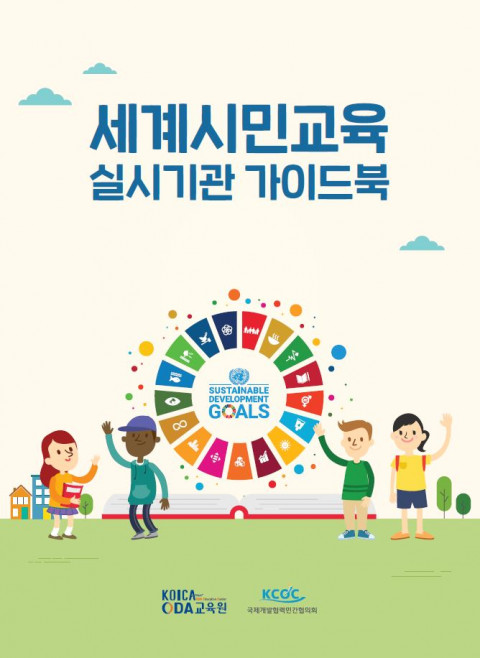 세계시민교육 실시기관 가이드북 Year of publication: 2019 Corporate author: KOICA ODA 교육원 | 국제개발협력민간협의회 다양한 기관과 NGO 등에서 운영하고 있는 다채로운 세계시민교육 프로그램과 각 기관에 대한 소개 및 교재와 교구 등 참고자료를 수록하고 있다.이 가이드북은 단순히 세계시민교육을 제공하는 기관의 리스트가 아니라 기관의 특성과 운영 프로그램 · 교육 대상을 담고 있다는 점에서 세계시민교육과 세계시민교육 프로그램에 관심 있는 이들에게 유용한 안내서가 될 것이다.
 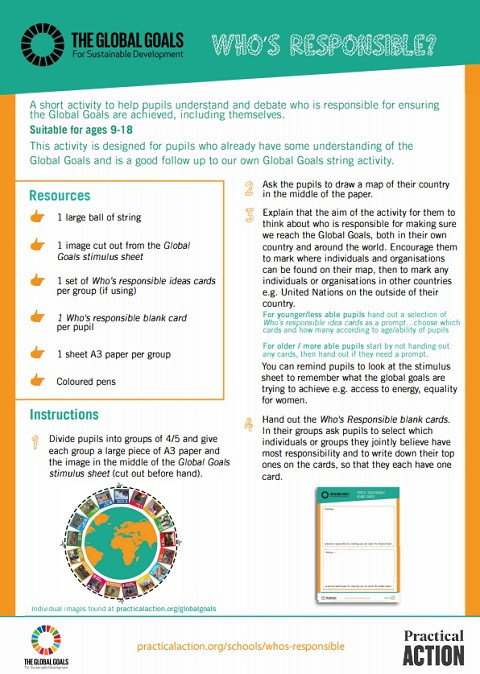 Who’s Responsible?: The Global Goals for Sustainable Development Year of publication: 2018 Corporate author: Practical Action This 30 minute activity encourages pupils to consider who is responsible for ensuring we achieve the Global Goals (also known as the Sustainable Development Goals, SDGs). It is suitable for pupils 9-18 it stimulates discussion and debate, and help pupils recognize the role they themselves have to play.
  Back to School With Global Citizenship Corporate author: Oxfam GB Global citizenship is all about encouraging young people to develop the knowledge, skills and values they need to engage with the world. Ideal for use at the start of the academic year or a new topic, the following activities support learners aged 7 to 14 to develop some of the key elements of responsible global citizenship: to ask questions, make connections, and explore viewpoints and values.
 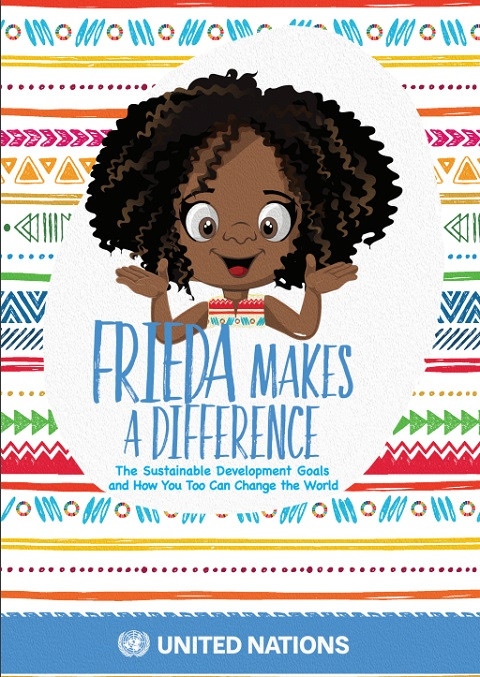 Frieda Makes a Difference: The Sustainable Development Goals and How You Too Can Change the World Year of publication: 2019 Corporate author: United Nations (UN) This is the story about a young girl named Frieda who embarks on a wonderful adventure to bring about positive change in the world. One day, Ana from the United Nations visits Frieda’s school to teach her class about the Sustainable Development Goals—the world’s plan to reduce poverty and protect the planet by 2030. Frieda develops a global perspective and is encouraged to take action against the biggest issues of our day: from combating climate change and protecting endangered species to ending poverty and fighting inequality. But most important, Frieda learns that “everyone must work together to make the world much better for all”. With colourful illustrations, engaging text, and tips on how to change the world, children will discover what they can do to make a difference— in their lives and the lives around them.
 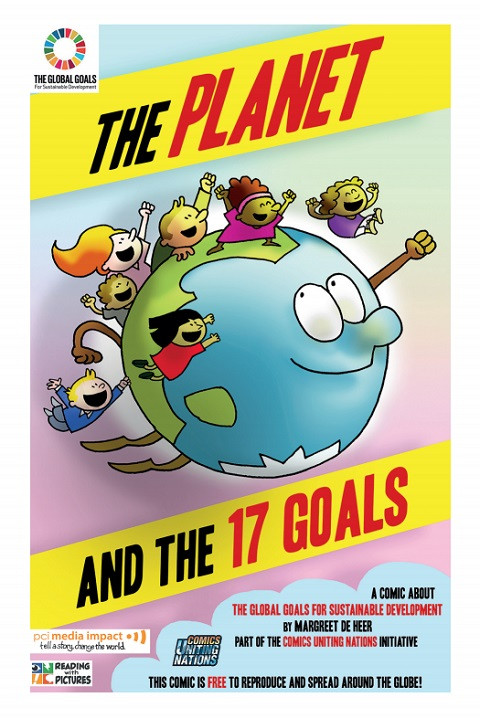 The Planet and the 17 Goals: A Comic About the Global Goals for Sustainable Development Year of publication: 2015 Author: Margreet de Heer Corporate author: Reading With Pictures | United Nations (UN) In September 2015, the 193 countries of The United Nations launched The Global Goals of Sustainable Development, a commitment to achieve 3 extraordinary things in the next 15 years: end extreme poverty, fight inequality & injustice and fix climate change. In order to get this done, 17 Goals have been set. This material aims to spread the word about the 17 Goals in the form of comics.
  Educación para la ciudadanía y convivencia: protagonistas de la realidad, dirigimos la historia; ciclo tres (quinto, sexto y séptimo) Year of publication: 2014 Corporate author: Secretaría de Educación del Distrito (SED) | Fe y Alegría These twelve modules make reference to a series of activities that focus on how children from all the educative grades understand and live citizenship, strengthening and facilitating the learning processes based on autonomy. This educative materials, which are aimed at being implemented inside the classrooms, attempt to serve as input resources for educators and other agents that work on or are interested in working with citizenship education and coexistence. The overall objective is to provide quality education.
  Building Cross-Sectoral Cooperation: Estonian Coalition for Sustainable Development Year of publication: 2020 Corporate author: Estonian Roundtable for Development Cooperation (AKÜ) | Bridge 47 | European Union (EU) This publication presents the members of Estonian Coalition for Sustainable Development, examples of their actions towards a more sustainable future and also some of the activities that the partnerships together have carried over the past few years. It is a great example of a cross-sectoral cooperation and a way of sharing knowledge.
 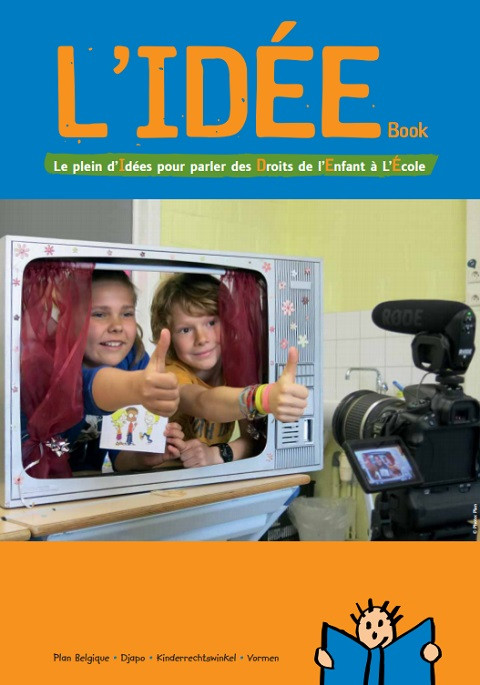 L’idée book: Le plein d’idées pour parler des droits de l’enfant à l’école Year of publication: 2019 Corporate author: Plan Belgique | Djapo | Kinderrechtswinkel | Vormen L’IDÉE Book propose de nombreuses manières d’informer les enfants sur leurs droits et ceux des autres. Ce manuel contient également de nombreuses astuces pour travailler sur les valeurs, les attitudes et les comportements de la Convention internationale des droits de l’enfant. Les activités proposées s’articulent dans une perspective Nord-Sud qui ouvrira l’esprit de vos élèves au monde extérieur. Par ailleurs, nous portons une attention particulière aux enfants de 4 à 10 ans, pour lesquels il existe peu de matériel éducatif.
  교실에서 만나는 세계시민교육 Year of publication: 2016 Author: 정애경 | 윤지아 | 정혜선 | 이근화 | 공석범 | 주예진 | 이원용 | 정용민 Corporate author: 서울특별시교육청 본 자료는 학습자로 하여금 인류가 공동으로 직면하고 있는 문제들에 대해 이해하고 지구촌 공동체에 대한 소속감과 연대감을 키워 지구촌의 문제들을 해결할 수 있는 다양한 실천적이고 협력적인 능력을 키우는데 그 목적을 두고 있으며, 직접 교실 현장에서 활용할 수 있도록 교수학습과정안의 형식으로 구성되어 있다. 학습주제로 제시된 것은 국제이해교육과 세계시민교육에서 공통으로 다루는 인권과 평화, 다문화를 비롯하여 2030년까지의 인류 공동의 목표인 지속가능발전의 환경과 사회와 경제 부분, 그리고 세계시민교육의 배경인 세계화와 미래사회의 지향점인 국제협력 다섯 영역이다.
 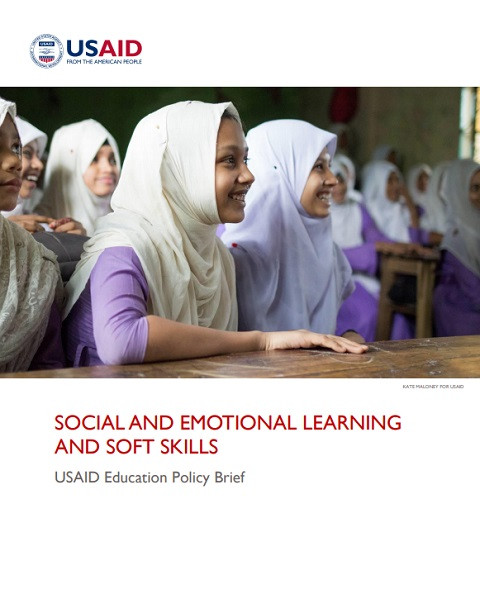 Social and Emotional Learning and Soft Skills: USAID Education Policy Brief Year of publication: 2019 Author: Kalene Resler | Anjuli Shivshanker | Samantha Alvis | Chris Capacci-Carneal | Melissa Chiappetta | Lauren Greubel | Julie Hanson Swanson | Ashley Henderson | Josh Josa | Laura Lartigue | Rebeca Martinez | Leah Maxson | Olga Merchan | Yolande Miller-Grandvaux | Sandy Oleksy-Ojikutu | Rebecca Pagel | Nancy Taggart | Nina Weisenhorn | Wendy Wheaton Corporate author: United States Agency for International Development (USAID) Both the 2018 USG Strategy on International Basic Education and the 2018 USAID Education Policy emphasize the importance of social and emotional skills or soft skills in assuring the long-term success of children and youth. Through the Strategy and Policy, USAID is providing new opportunities to systematically design, measure, implement, and understand the impact of programs that build social and emotional skills or soft skills for children and youth.To support USAID staff and implementing partners in this work, this brief: Provides an introductory understanding of what USAID means by the terms “social and emotional skills” and “soft skills” and how to communicate about them. Specifies the desired outcomes and quality standards for programming that teach social and emotional skills or soft skills. Identifies areas in which evidence and best practices still have gaps, and areas in which we should consider investing in further learning.