
Resources
Explore a wide range of valuable resources on GCED to deepen your understanding and enhance your research, advocacy, teaching, and learning.
3,165 Results found
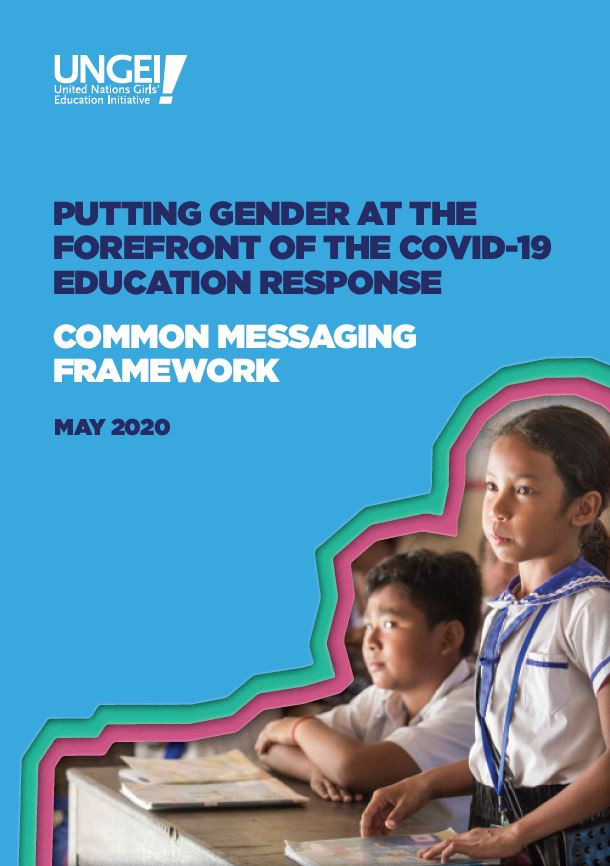 Poniendo el género en primer plano de la respuesta educativa ante el COVID-19: Marco común de la mensajería Year of publication: 2020 Corporate author: United Nations Girls' Education Initiative (UNGEI) El cierre de las escuelas a nivel nacional como parte de las medidas para prevenir el contagio del COVID-19 ha interrumpido la educación de toda una generación de niños, niñas y jóvenes. Las emergencias de salud anteriores han demostrado que las niñas se ven afectadas de manera desproporcionada con los efectos de la desigualdad de género y estructuras de poder desiguales exacerbadas en tiempos de crisis.Como asociación mundial dedicada a avanzar la igualdad de género en y a través de la educación, debemos ejercer el poder de la acción colectiva para posicionar al género en primer plano en la respuesta ante el COVID-19 y aumentar la coherencia en la defensa, promoción y comunicación entre las organizaciones socias y aliadas.Esta iniciativa común de mensajería representa una oportunidad estratégica para promover el diálogo y llamar la atención sobre los impactos de género del COVID-19, abogar por estrategias que respondan a las dimensiones de género de esta crisis y ver hacia una futura reapertura de las escuelas a través de una lente de género.
  Gender Inequality in Education and its Impact on Economic Growth in Algeria: An Applied Study for the Period (1980-2014) Year of publication: 2017 Author: Latifa Al-Sabti | Taleb Warrad Corporate author: University of Jordan Most of the developing countries suffer from gender inequality in education, health, employment opportunities, wages and opportunities of representation and political empowerment. It was found that this inequality - according to the findings of most previous studies on this topic- had a negative effect on economic growth. As economic growth is one of the important macroeconomic goals, this has induced the researcher to investigate the relationship between them in Algeria. This study aimed mainly at investigating the impact of gender inequality in education on the economic growth in Algeria, using annual data covering the period from 1980 to 2014, in order to achieve this objective, an econometric model has been designed based on the economic theories and the published researches, using data obtained from the World Bank's (WB) and UNESCO websites. The Results of the econometric analysis showed the existence of significant positive relationship between gender inequality in secondary education and economic growth in Algeria (which means that there is a gender equality in secondary education enrollment according to the definition of Gender Parity Index), and the existence of a negative significant relationship between gender inequality in primary education and economic growth in Algeria (which means that there is a gender inequality in primary education enrollment according to the definition of Gender Parity Index), also showed the presence of a positive significant relationship between each of the trade openness, physical capital and economic growth, and the presence of a negative significant relationship between labor supply and economic growth in Algeria. The study recommended the need of Algeria to work on the elimination of the causes of gender inequality in education, or at least minimizing them as much as possible because of their negative impact on economic growth, and supporting the educational system through the construction of new schools in rural and urban areas, the paving of roads to facilitate access of pupils safely to schools, equipping schools with the required means to complete the educational process as it should be, to spread awareness through various media of the importance of female education, to enact legislations that obligate the education of females, to encourage the demand for females in the labor market as an attempt to raise their rate of enrollment to education as a major determinant for getting a good job. عدم المساواة في التعليم بين الجنسين وأثرها على النمو الاقتصادي في الجزائر: دراسة تطبيقية للفترة (1980-2014) Year of publication: 2017 Author: Latifa Al-Sabti | Taleb Warrad Corporate author: University of Jordan تعاني أغلب الدول النامية من عدم المساواة بين الجنسين في التعليم، الصحة، فرص التشغيل، الأجور وفرص التمثيل والتمكين السياسي وغيرها، حيث وُجد أن هذه الأخيرة - حسب ما توصلت إليه أغلب الدراسات السابقة في هذا الموضوع-لها تأثير سلبي على النمو الاقتصادي، والذي يعد من الأهداف الاقتصادية المهمة على المستوى الكلي، ما دفع بالباحث إلى دراسة العلاقة بينهما في الجزائر.هدفت الدراسة بشكل أساسي إلى اختبار أثر عدم المساواة في التعليم بين الجنسين على النمو الاقتصادي في الجزائر، باستخدام بيانات سنوية تغطي الفترة من 1980 إلى 2014، ولتحقيق ذلك تم تصميم نموذج قياسي يستند إلى النظريات الاقتصادية والدراسات العلمية المنشورة ومن ثم تطبيقه على الجزائر، كما تم استخدام اختبارات التحليل القياسي المناسبة، أما البيانات فتم الحصول عليها من موقع البنك الدولي (WB) وموقع منظمة اليونسكو.بينت نتائج التحليل القياسي وجود علاقة إيجابية طردية ذات دلالة إحصائية بين متغير عدم المساواة بين الجنسين في التعليم الثانوي والنمو الاقتصادي في الجزائر (ما يعني أن هناك مساواة بين الذكور والإناث في الالتحاق بالتعليم الثانوي)، ووجود علاقة عكسية ذات دلالة إحصائية بين متغير عدم المساواة بين الجنسين في التعليم الابتدائي والنمو الاقتصادي في الجزائر (ما يعني أنه ليس هناك مساواة بين الذكور والإناث في الالتحاق بالتعليم الابتدائي)، كما بينت وجود علاقة طردية إيجابية ذات دلالة إحصائية بين كل من الانفتاح التجاري، رأس المال وعكسية بين عرض العمل وبين النمو الاقتصادي في الجزائر.أوصت الدراسة بضرورة العمل على القضاء على مسببات عدم المساواة في التعليم بين الجنسين في الجزائر أو على الأقل التقليل منها قدر الإمكان لما لها من أثر سلبي على النمو الاقتصادي، وذلك عن طريق دعم المنظومة التعليمية من بناء مدارس جديدة بالمناطق الريفية والنائية، تعبيد الطرقات لتسهيل وصول التلاميذ بأمان إلى المدارس، تجهيز المدارس بالوسائل اللازمة لإتمام العملية التعليمية على أكمل وجه، نشر الوعي عبر وسائل الإعلام المختلفة بأهمية تعليم الإناث، سن تشريعات بإجبارية تعليم الإناث، تشجيع الطلب على الإناث في سوق العمل كمحاولة لرفع معدل إقبالهن على التعليم باعتباره محددا أساسيا للحصول على وظيفة جيدة.
  Progress on the Sustainable Development Goals: The Gender Snapshot 2022 Year of publication: 2022 Author: Ginette Azcona | Antra Bhatt | Julia Brauchle | Guillem Fortuny Fillo | Yongyi Min | Heather Page | Yuxi Zhang Corporate author: United Nations Entity for Gender Equality and the Empowerment of Women (UN Women) | UN. Department of Economic and Social Affairs (UN. DESA) The latest available Sustainable Development Goal (SDG) 5 data show that the world is not on track to achieve gender equality by 2030. COVID-19 and the backlash against women’s sexual and reproductive health and rights are further diminishing the outlook for gender equality. Violence against women remains high; global health, climate, and humanitarian crises have further increased risks of violence, especially for the most vulnerable women and girls; and women feel more unsafe than they did before the pandemic. Women’s representation in positions of power and decision-making remains below parity. Only 47 per cent of data required to track progress on SDG 5 are currently available, rendering women and girls effectively invisible.Nearly halfway to the 2030 endpoint for the SDGs, the time to act and invest in women and girls is now.“Progress on the Sustainable Development Goals: The gender snapshot 2022” presents the latest evidence on gender equality across all 17 Goals, calling out the long road ahead to achieve gender equality. It emphasizes the interlinkages among the goals, the pivotal force gender equality plays in driving progress across the SDGs, and women and girls’ central role in leading the way forward.
  Advocacy for Impact: Gender and Education Year of publication: 2022 Author: Justine Brice | Elodie Gnonlonfoun | Marina Gutiérrez García de Viedma | Chattalie Jayatilaka Corporate author: United Nations Girls' Education Initiative (UNGEI) There has been an urgent need to include a gender-inclusive, anti-racist and decolonial lens in advocacy strategies in recent years. In the rare circumstances these lenses were applied, they were not effectively utilised when designing and implementing an advocacy campaign regarding education. Often, an intersectional approach was not used to consider context-specific power dynamics impacting girls’ ability to access education. The first objective of this report is to understand the “best practices to design and implement advocacy strategies that are gender-inclusive and anti-racist in the development sector, with a focus on gender and education”. The second objective was to examine the evidence regarding the effectiveness and impact of different advocacy strategies. Thirdly, the study aimed to understand the “best tools and approaches to measure advocacy impact." This research was conducted by an LSE student research team exploring gender-inclusive and anti-racist advocacy strategies.
 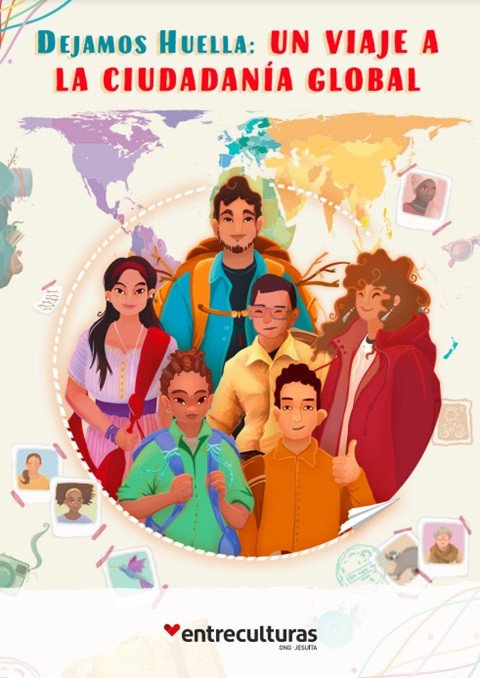 We Leave Our Mark: A Journey to Global Citizenship Year of publication: 2024 Corporate author: Entreculturas With this educational guide, students will be actively involved in exploring global and local issues with the aim of training agents of change in their own communities. They will take an educational journey through different themes (destinations) of Global Citizenship, such as gender equality, environmental protection, interculturality, inclusion, democratic participation, social justice and culture of peace. Each destination includes activities, games and practical exercises designed to raise students' awareness of the corresponding topic, using participatory dynamics such as games, puzzles, videos, and interactive simulations. Dejamos huella: Un viaje a la ciudadanía Global Year of publication: 2024 Corporate author: Entreculturas Con esta guía educativa el alumnado se verá involucrado activamente en la exploración de problemas globales y locales con el objetivo de formar agentes de cambio en sus propias comunidades. Realizarán viaje didáctico por diferentes temáticas (destinos) de Ciudadanía Global, como la igualdad de género, la protección del medio ambiente, la interculturalidad, la inclusión, la participación democrática, la justicia social y la cultura de paz. Cada destino incluye actividades, juegos y ejercicios prácticos diseñados para sensibilizar al alumnado sobre el tema correspondiente, utilizando dinámicas participativas como juegos, acertijos, vídeos, y simulaciones interactivas.
 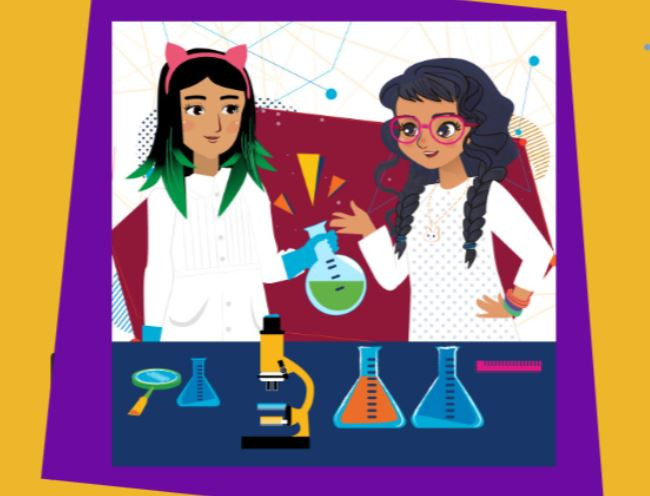 International Day of Women and Girls in Science Corporate author: Global Citizenship (Buenos Aires) Regarding the International Day of Women and Girls in Science, this infographic presents relevant information about the gaps in female participation in research and work on scientific topics. Includes links to support materials. Día Internacional de la mujer y la niña en la ciencia Corporate author: Global Citizenship (Buenos Aires) A propósito del día internacional de la mujer y la niña en la cencia, esta infografía presenta información relevante sobre las brechas de participación femenina en investigación y trabajos en temas científicos. Incluye vínculos a materiales de apoyo.
 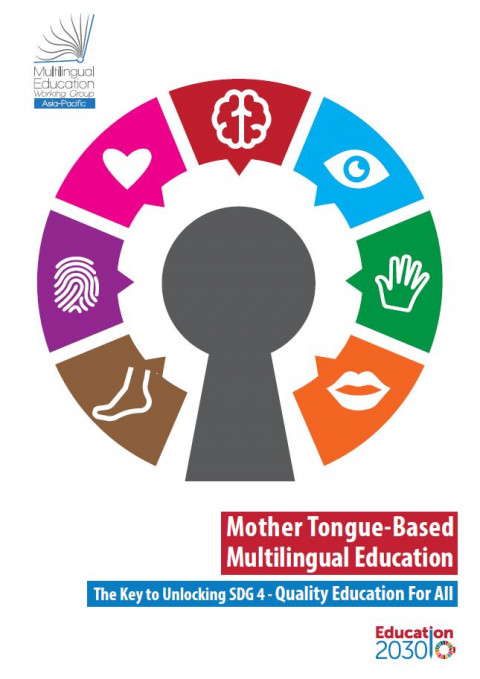 Mother Tongue-Based Multilingual Education: The Key to Unlocking SDG 4 - Quality Education for All Year of publication: 2017 Author: Matt Wisbey Corporate author: UNESCO Bangkok This brochure, designed as a bright and bold resource to be used with policy makers and other key stakeholders, explores the reasons why mother tongue-based multilingual education (MTB-MLE) is the key to quality lifelong learning opportunities for all. Linking the key elements of MTB-MLE with SDG4’s targets, it outlines the benefits for both individual learners and society as a whole.