
Resources
Explore a wide range of valuable resources on GCED to deepen your understanding and enhance your research, advocacy, teaching, and learning.
3,126 Results found
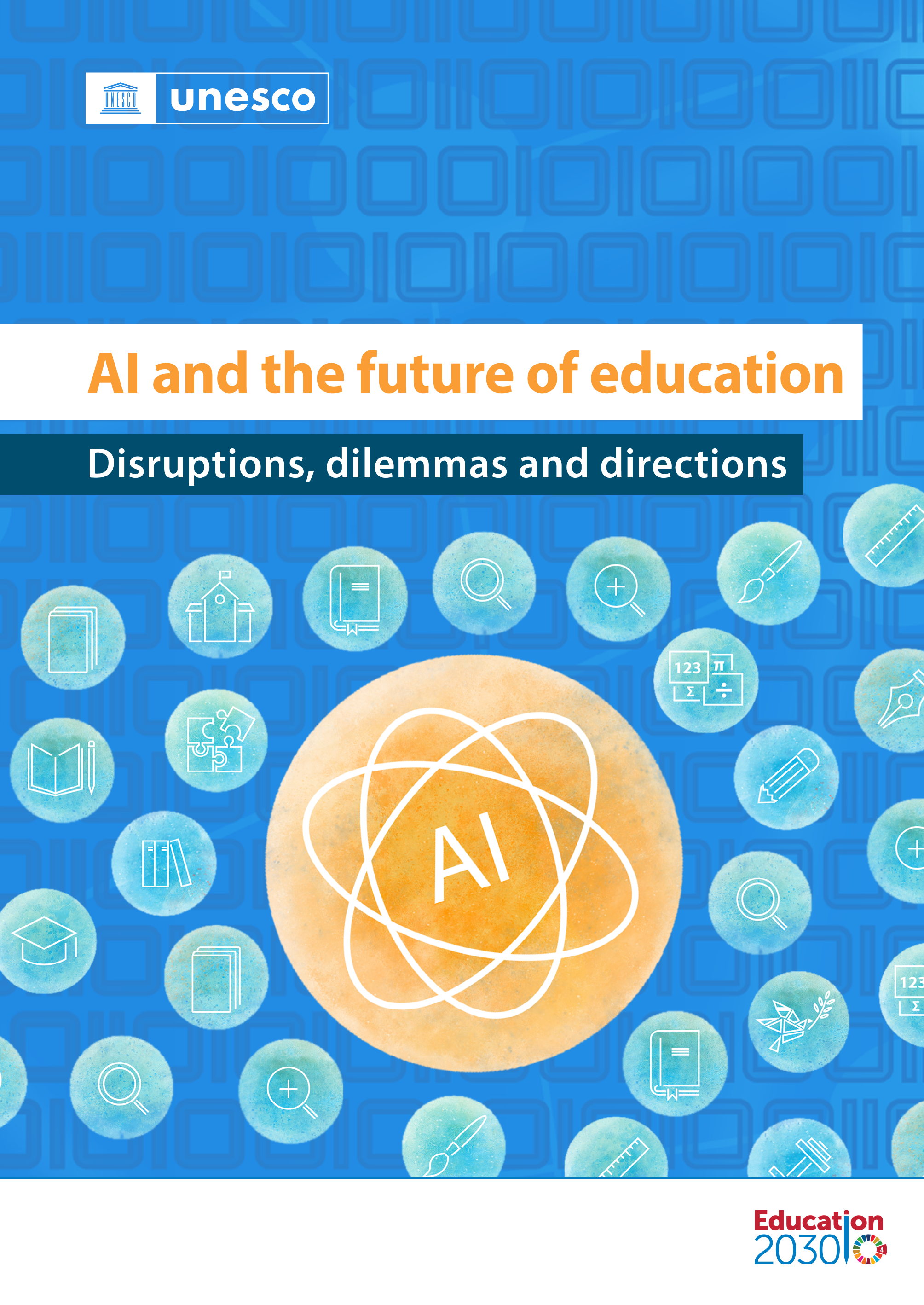 AI and the Future of Education: Disruptions, Dilemmas and Directions Year of publication: 2025 Corporate author: UNESCO Artificial intelligence (AI) is reshaping the way we learn, teach and make sense of the world around us, but it is doing so unequally. While one-third of humanity remains offline, access to the most cutting-edge AI models is reserved for those with subscriptions, infrastructure and linguistic advantage.These disparities not only restrict who can use AI, but also determine whose knowledge, values and languages dominate the systems that increasingly influence education.This anthology explores the philosophical, ethical and pedagogical dilemmas posed by disruptive influence of AI in education. Bringing together insights from global thinkers, leaders and changemakers, the collection challenges assumptions, surfaces frictions, provokes contestation, and sparks audacious new visions for equitable human-machine co-creation.Covering themes from dismantling outdated assessment systems to cultivating an ethics of care, the 21 think pieces in this volume take a step towards building a global commons for dialogue and action, a shared space to think together, debate across differences, and reimagine inclusive education in the age of AI.Building on UNESCO’s Recommendation on the Ethics of AI, its Guidance on Generative AI in Education and Research and its twin AI competency frameworks for teachers and students, such a global commons can direct collective sense-making and bold reimagination around curricula, pedagogy, governance and policy with human rights, justice and inclusion at its core.
  Recommendation on Education for Peace, Human Rights and Sustainable Development: An Implementation Guide Year of publication: 2025 Corporate author: UNESCO There is no peace without education. With conflicts rising on so many fronts, there has never been a more urgent need for a transformed education geared towards building and sustaining peace.The Recommendation on Education for Peace and Human Rights, International Understanding, Cooperation, Fundamental Freedoms, Global Citizenship and Sustainable Development, adopted by all 194 Member States of UNESCO in 2023, articulates a humanistic and transformative vision of education that can help address contemporary and future affronts to peace. These challenges range from the resurgence of conflicts driven by systemic inequalities and injustices, the rise and spread of hate speech, racism and discrimination particularly online, to the adverse effects of digital technologies and the existential threat of climate change.UNESCO has developed this Guide as the first of several tools to assist Member States in unpacking and fully implementing the 2023 Recommendation. The Guide elaborates its contents, integrating the 2023 Recommendation’s transdisciplinary lens to connect key concepts and issues. It also provides concrete ideas and curated resources for action at different levels and types of education, while calling for a multi-stakeholder and whole-of-society approach that includes everyone and builds on existing positive efforts.The Guide is a timely addition to the pool of available collective resources to fully implement the 2023 Recommendation and foster an education that is transformative for a just and peaceful world. Recomendación sobre la educación para la paz, los derechos humanos y el desarrollo sostenible: guía de implementación Year of publication: 2026 Corporate author: UNESCO Sin educación no hay paz. Una educación transformadora, orientada a la construcción y el mantenimiento de la paz es más urgente que nunca, dado el aumento de los conflictos en diversos frentes.La Recomendación sobre la Educación para la Paz y los Derechos Humanos, la Comprensión Internacional, la Cooperación, las Libertades Fundamentales, la Ciudadanía Mundial y el Desarrollo Sostenible, que fue adoptada por los 194 Estados Miembros de la UNESCO en 2023, articula la visión humanista y transformadora de la educación que ayuda a abordar los actuales y futuros agravios a la paz. Estos desafíos abarcan desde el resurgimiento de conflictos impulsados por desigualdades e injusticias sistémicas, el auge y la propagación del discurso de odio, el racismo y la discriminación—especialmente en línea—, hasta los efectos adversos de las tecnologías digitales y la amenaza existencial del cambio climático.La UNESCO ha elaborado esta Guía como la primera de varias herramientas que ayudarán a los Estados miembro a comprender e implementar plenamente la Recomendación de 2023. Su contenido ha sido desarrollado integrando la perspectiva transdisciplinaria para conectar conceptos y cuestiones clave de la Recomendación de 2023. Además, proporciona ideas concretas y recursos seleccionados para la acción en distintos niveles y tipos de educación. Asimismo, promueve un enfoque multisectorial que parte de las iniciativas positivas ya en marcha y busca la inclusión de todas las personas.Esta Guía es una incorporación oportuna al conjunto de recursos colectivos disponibles para implementar plenamente la Recomendación de 2023 y promover así una educación transformadora para un mundo justo y pacífico.
 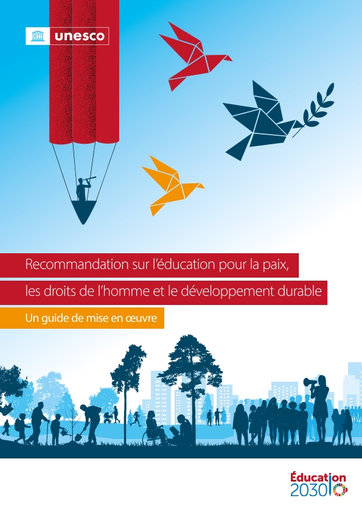 Recommandation sur l’éducation pour la paix, les droits de l’homme et le développement durable: un guide de mise en oeuvre Year of publication: 2025 Corporate author: UNESCO Il n’y a pas de paix sans éducation. Face à la multiplication des conflits sur de nombreux fronts, jamais la nécessité d’une éducation transformée, orientée vers la construction et le maintien de la paix, n’a été aussi pressante. La Recommandation sur l’éducation pour la paix et les droits de l’homme, la compréhension internationale, la coopération, les libertés fondamentales, la citoyenneté mondiale et le développement durable, adoptée en 2023 par l’ensemble des 194 États membres de l’UNESCO, exprime une vision humaniste et transformatrice de l’éducation, capable de répondre aux défis actuels et futurs à la paix. Ces défis vont de la résurgence de conflits alimentés par les inégalités et injustices systémiques, à la montée et la diffusion des discours de haine, du racisme et de la discrimination – notamment en ligne – en passant par les effets négatifs des technologies numériques et la menace existentielle que constitue le changement climatique. L’UNESCO a élaboré le présent Guide comme le premier d’une série d’outils destinés à aider les États membres à comprendre et à mettre pleinement en œuvre la Recommandation de 2023. Le Guide développe son contenu, en intégrant la perspective transdisciplinaire de la Recommandation afin de relier concepts et enjeux clés. Il propose également des pistes concrètes et des ressources sélectionnées pour 2 milliards de personnes – un quart de l’humanité – vivent dans des zones touchées par des conflits l’action à différents niveaux et dans divers types d’éducation, tout en appelant à une approche multi-acteurs et à l’échelle de la société, qui inclut toutes et tous et s’appuie sur les efforts positifs déjà entrepris. Le Guide constitue une ressource collective opportune pour mettre pleinement en œuvre la Recommandation de 2023 et promouvoir une éducation véritablement transformatrice au service d’un monde plus juste et pacifique.
 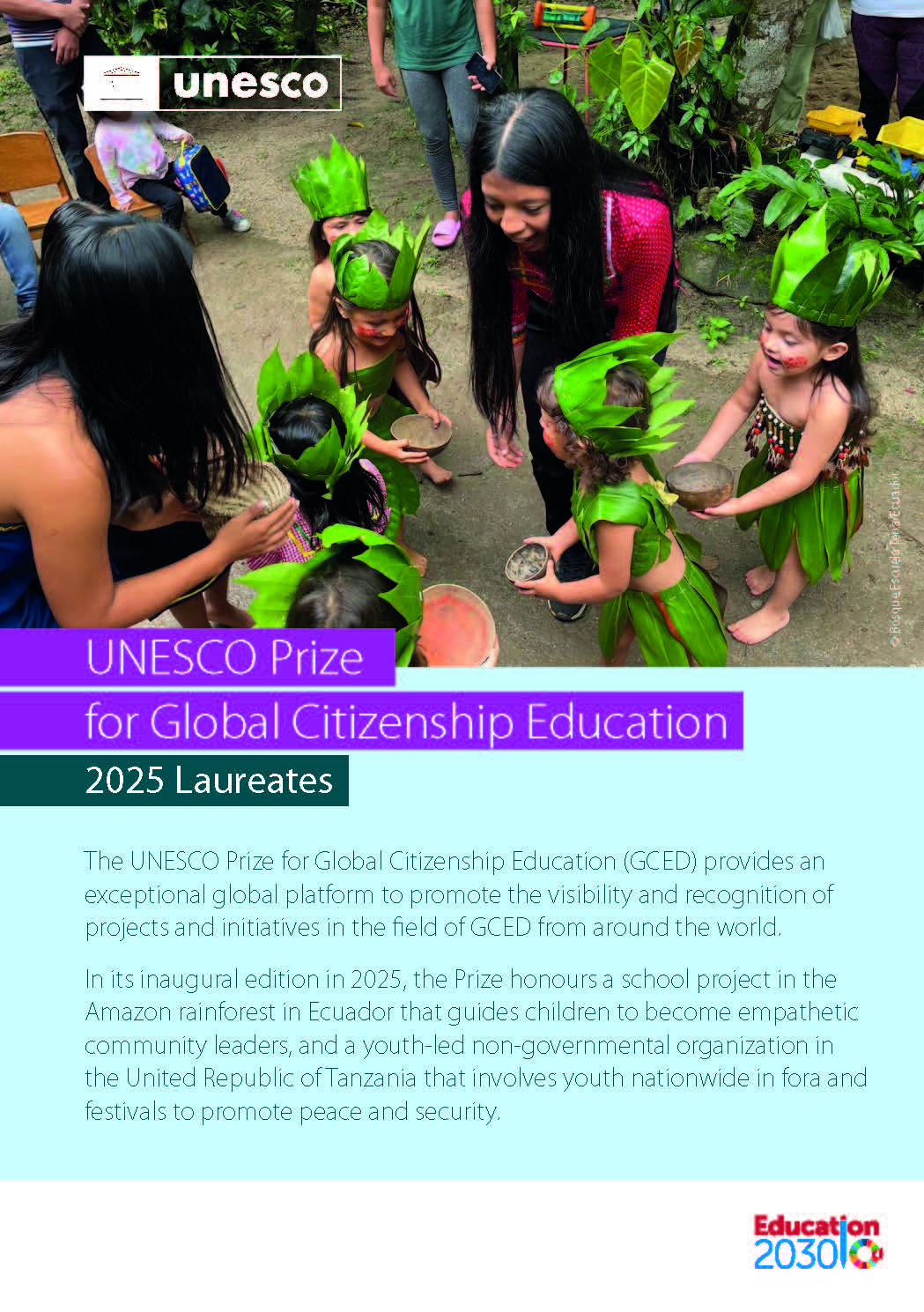 UNESCO Prize for Global Citizenship Education 2025 Laureates Year of publication: 2025 Corporate author: UNESCO The UNESCO Prize for Global Citizenship Education (GCED) provides an exceptional global platform to promote the visibility and recognition of projects and initiatives in the field of GCED from around the world.In its inaugural edition in 2025, the Prize honours a school project in the Amazon rainforest in Ecuador that guides children to become empathetic community leaders, and a youth-led non-governmental organization in the United Republic of Tanzania that involves youth nationwide in fora and festivals to promote peace and security.
 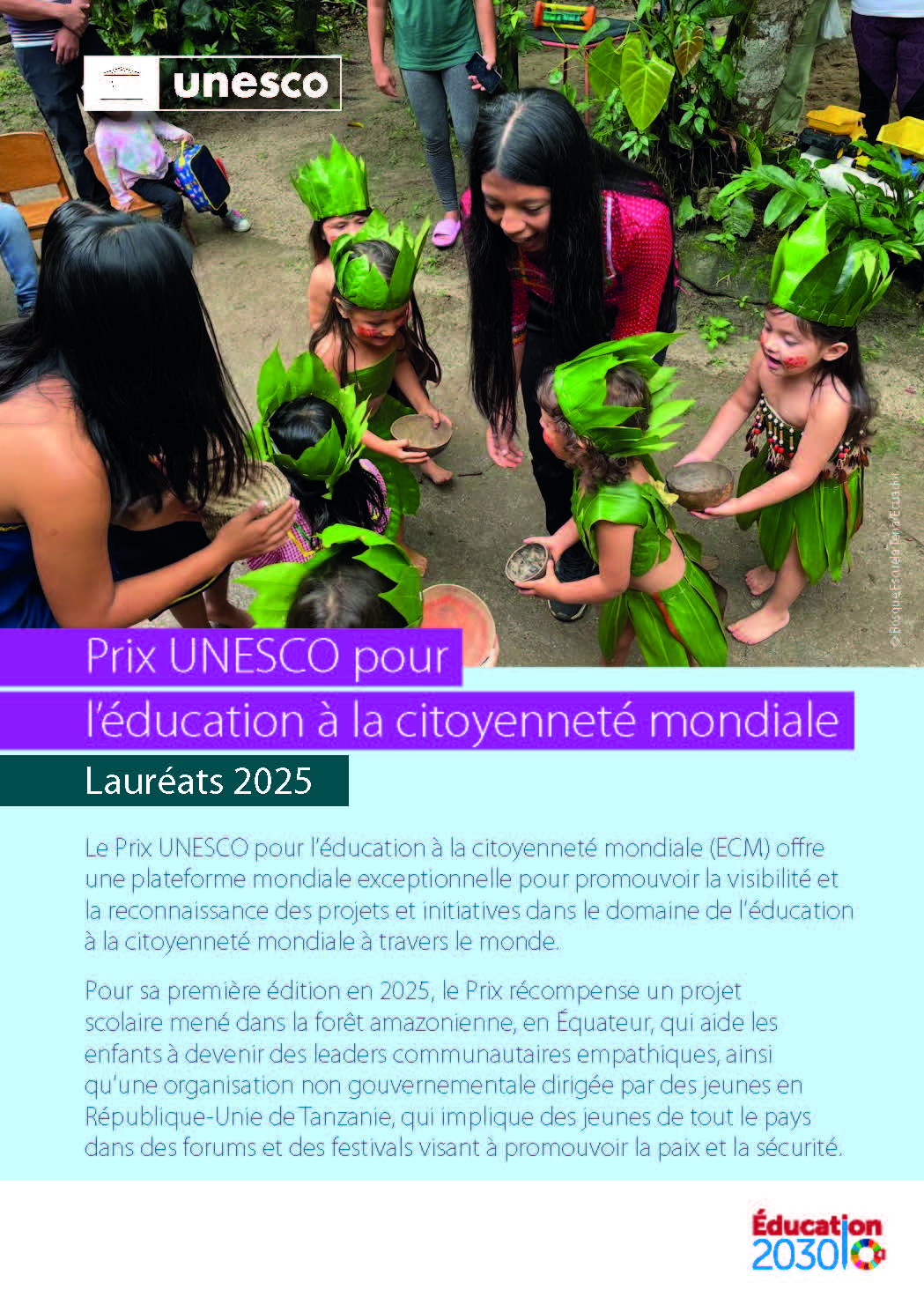 Prix UNESCO pour l’éducation à la citoyenneté mondiale : lauréats 2025 Year of publication: 2025 Corporate author: UNESCO Le Prix UNESCO pour l’éducation à la citoyenneté mondiale (ECM) offre une plateforme mondiale exceptionnelle pour promouvoir la visibilité et la reconnaissance des projets et initiatives dans le domaine de l’éducation à la citoyenneté mondiale à travers le monde.Pour sa première édition en 2025, le Prix récompense un projet scolaire mené dans la forêt amazonienne, en Équateur, qui aide les enfants à devenir des leaders communautaires empathiques, ainsi qu’une organisation non gouvernementale dirigée par des jeunes en République-Unie de Tanzanie, qui implique des jeunes de tout le pays dans des forums et des festivals visant à promouvoir la paix et la sécurité.
 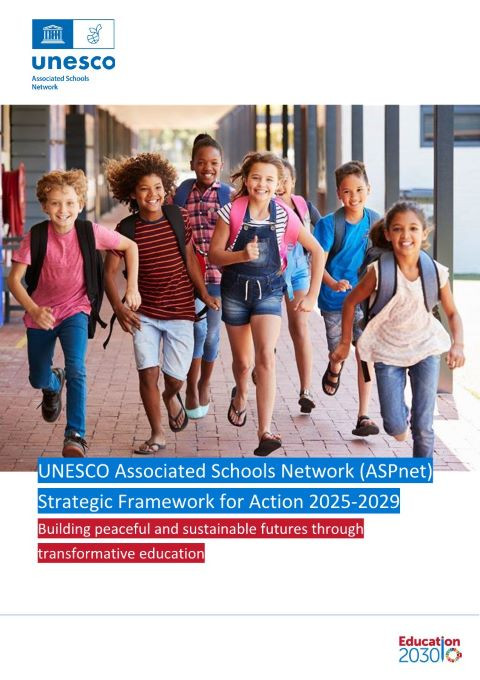 UNESCO Associated Schools Network (ASPnet) Strategic Framework for Action 2025-2029: Building Peaceful and Sustainable Futures through Transformative Education Year of publication: 2025 Corporate author: UNESCO The ASPnet Strategic Framework explains how UNESCO's pioneering Associated Schools Network (ASPnet) contributes to the achievement of UNESCO’s strategic objectives for Education. This Framework outlines the key thematic areas, innovative educational approaches, and the anticipated outcomes of this dynamic community of educational innovators. It also delineates the roles and responsibilities of its primary stakeholders. The three thematic areas are : "Peace through Global Citizenship Education," "Education for Sustainable Development," and "Intercultural Learning and Appreciation of Cultural Diversity and Heritage." Through initiatives in these areas, ASPnet members inspire and empower teachers, principals, students, families, education professionals, and policymakers to champion transformative education. This prepares learners to become responsible global citizens in an ever-evolving and complex world. Ultimately, the goal is for all participants in this ecosystem to learn from one another and promote international understanding. Red de Escuelas Asociadas de la UNESCO (RedPEA) Marco Estratégico de Acción 2025-2029 : construyendo futuros pacíficos y sustentables a través de la educación transformadora Year of publication: 2025 Corporate author: UNESCO El Marco Estratégico de la RedPEA explica cómo la pionera Red de Escuelas Asociadas de la UNESCO contribuye a la consecución de los objetivos estratégicos de la UNESCO en materia de educación. Este Marco esboza las áreas temáticas clave, los enfoques educativos innovadores y los resultados previstos por parte de esta dinámica comunidad de innovadores educativos. También delimita las funciones y responsabilidades de sus principales actores. Las tres áreas temáticas son : «La paz mediante la educación para la ciudadanía mundial», “La educación para el desarrollo sostenible” y “El aprendizaje intercultural y la apreciación de la diversidad y el patrimonio culturales”. A través de iniciativas en estas áreas, los miembros de la RedPEA inspiran y capacitan a docentes, directores, estudiantes, familias, profesionales de la educación y funcionarios públicos para defender una educación transformadora. Esto prepara a los alumnos para convertirse en ciudadanos globales responsables en un mundo complejo y en constante evolución. En última instancia, el objetivo es que todos los participantes en este ecosistema aprendan unos de otros y promuevan el entendimiento internacional. Red de Escuelas Asociadas de la UNESCO (RedPEA) Marco Estratégico de Acción 2025-2029 : construyendo futuros pacíficos y sustentables a través de la educación transformadora Year of publication: 2025 Corporate author: UNESCO Le Cadre stratégique du réSEAU explique comment le Réseau des écoles associées de l’UNESCO (réSEAU), pionnier en la matière, contribue à la réalisation des objectifs stratégiques de l’UNESCO pour l’éducation. Ce Cadre définit les principaux axes thématiques, les approches éducatives innovantes ainsi que les résultats attendus de cette communauté dynamique d’innovateurs en matière d’éducation. Il précise également les rôles et responsabilités de ses principaux acteurs. Les trois axes thématiques sont : « La construction de la paix par l’éducation à la citoyenneté mondiale », « L’éducation au développement durable » et « L’apprentissage interculturel et l’appréciation de la diversitéculturelle et du patrimoine ». À travers des initiatives dans ces domaines, les membres du réSEAU inspirent et renforcent les capacités autonomisent des enseignants, des chefs d’établissement, des élèves, des familles, des professionnels de l’éducation et des décideurs afin qu’ils portent une éducation transformatrice. Cela prépare les apprenants à devenir des citoyens du monde responsables dans un monde contexte mondial en constante évolution et de plus en plus complexe. En définitive, l’objectif est que tous les acteurs de cet écosystème puissent apprendre les uns des autres et promouvoir la compréhension internationale..
 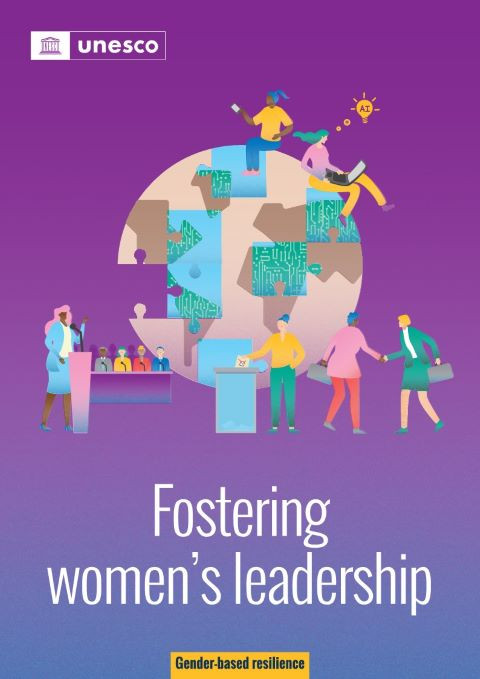 Fostering Women's Leadership Year of publication: 2024 Author: Mariagrazia Squicciarini | Anna Rita Manca | Garance Sarlat Corporate author: UNESCO No (leadership) share no gain (for societies and economies)! Leveraging UNESCO’s unique Gender-Based Resilience Framework, this report explores the role of women in leadership positions in both decision-making and high-tech, including in artificial intelligence-related innovations. It further highlights progress towards the G20 Brisbane Target, aimed to accelerate progress on gender equality by reducing the gender gap in labour market participation rates by 25% by 2025. Women remain underrepresented in decision-making, holding only about 26% of seats in national parliaments worldwide on average. In the world of work, female labour participation continues to lag behind men’s, at 47% for women against 72% for men on average. Despite progress by G20 members towards the Brisbane Target, a 2% average gap in absolute terms remained to be filled in 2022. In the high-tech world, women make up only 30% of AI professionals, and even less of leaders. Female inventors in AI account for about 37% of patents filed in 2022-23.