
Resources
Explore a wide range of valuable resources on GCED to deepen your understanding and enhance your research, advocacy, teaching, and learning.
3,500 Results found
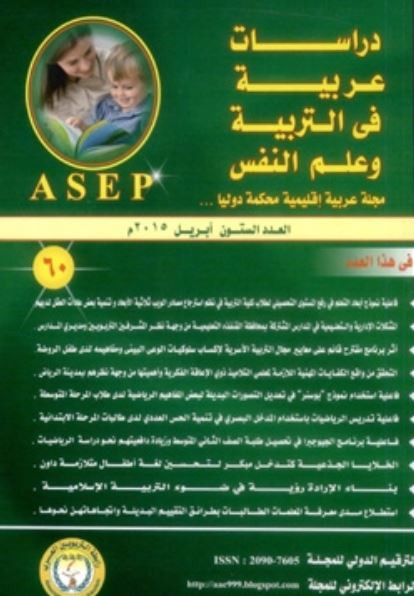 Programs of Peace Education in Pre-University Education on the Light of Some Countries’ Experiences and the Extent of Benefit in Egypt Year of publication: 2014 Author: Amel Ahmed Hassan Mohamed Corporate author: Association of Arab Educators Education for peace has got an international, regional and local interests, in particular, today's world desperately needs more than ever before to face the problems afflicting the human race, and the conflict expected to increase in the coming years. This situation confirms the importance of achieving peace in all dimensions with oneself, family, society, and the environment.This study aimed to investigate the experiences of some countries in the field of education for peace and to draw some benefits from them. For achieving this aim, the study followed the Descriptive-Analytic Approach because of its appropriateness to the nature of the study. The sample of study dealt with three experiments in the field of education for peace in Northern Ireland, Bosnia and Herzegovina, and Sierra Leone, which were chosen after passing through a relatively long period of conflicts and disputes. By analyzing the three experiments, the similarities and differences among countries were reviewed in terms of, period and nature of conflict, foundations, objectives and content of the programs, teacher training. The study achieved some benefits through reviewing literature and analyzing the three experiences. The suggestions of the study were classified under some themes, including: foundations of peace education, its objectives, contents, and teacher training. برامج التربية من أجل السلام بالتعليم قبل الجامعي في بعض الدول وامكانية الاستفادة منها في مصر Year of publication: 2014 Author: Amel Ahmed Hassan Mohamed Corporate author: Association of Arab Educators تحظى التربية من أجل السلام باهتمام دولي وإقليمي ومحلى، ولا سيما أن عالم اليوم أحوج أكثر من ذي قبل لمواجهة المشكلات التي يعاني منها الجنس البشري والصراعات المرتقب زيادتها في السنوات القادمة؛ هذا بالإضافة إلى تنامي معدلات العنف المجتمعي ومظاهره؛ مما يدعم ضرورة السعي لتحقيق السلام بكافة أبعاده مع النفس وفي الأسرة وداخل المجتمع ومع البيئة. لذا هدفت هذه الدراسة إلى رصد تجارب بعض الدول في مجال التربية من أجل السلام وتقديم أوجه الاستفادة منها للارتقاء بمستوى تقديم هذا الاتجاه التعليمي المعاصر بنظام التعليم بمصر. لتحقيق هذا الهدف تم الاستناد إلى المنهج الوصفي التحليلي حيث أنه أكثر ملائمة لطبيعة الدراسة، وقد تكونت عينة الدراسة من ثلاث تجارب في مجال التربية من أجل السلام بالدول الآتية: إيرلندا الشمالية، والبوسنة والهرسك، وسيراليون، والتي تم اختيارها لكونها عاصرت فترة من الصراعات والنزاعات الطويلة نسبياً، تلتها مبادرات لدمج التربية من اجل السلام في النظام التعليمي. وقد تم تحليل التجارب الثلاث في ضوء عدد من المحاور شملت: السياق العام للدولة، والجهود المبكرة للتربية من أجل السلام، وأسسها، وأهدافها، وأليات تضمينها في نظام التعليم، وتدريب المعلمين بكل دولة. وقد توصلت الدراسة إلى عدد من الدروس المستفادة التي تم رصدها من خلال ما ورد من أدبيات عربية وأجنبية، وتجارب الدول الثلاث، والتي تم تصنيفها تحت المحاور الآتية: فترة الصراع وطبيعته، أسس التربية من أجل السلام، وأهدافها، وأليات تضمينها في نظام التعليم، وتدريب المعلمين.
 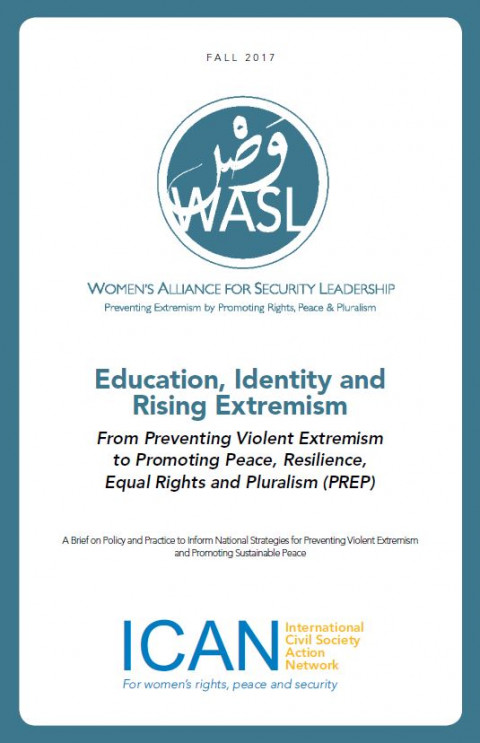 Education, Identity and Rising Extremism: From Preventing Violent Extremism to Promoting Peace, Resilience, Equal Rights and Pluralism (PREP) Year of publication: 2017 Author: Sanam Anderlini Corporate author: International Civil Society Action Network In November 2016, during ICAN’s fifth annual Women, Peace and Security forum, members of the Women’s Alliance for Security Leadership (WASL) and other women-led organizations in over 30 countries analyzed the role of formal and informal education in contributing to enabling conditions and mitigating extremist violence. They also highlighted their own practical experiences and lessons learnt in providing education to prevent violent extremism by fostering peace, resilience, equal rights and pluralism (PREP) in formal and informal spaces, including through the teachings of alternative religious narratives. Their experiences, combined with desk research on the state of current policy and practice, and the first multi-stakeholder Global Solutions Exchange (GSX) meeting on the nexus of education, gender and extremism held at the UNESCO headquarters in Paris in March 2017, inform the findings of this report. التعليم والهوية ومنع التطرف: من منع التطرف العنيف إلى تعزيز السالم والصمود والمساواة في الحقوق والتعددية )PREP) Year of publication: 2017 Author: Sanam Anderlini Corporate author: International Civil Society Action Network فـي تشـرين الثانـي / نوفمبـر 2016 ، خـال منتـدى ايـكان ICAN السـنوي الخامـس للمـرأة والسـام واألمـن ، قــام أعضــاء التحالــف النســائي مــن أجــل القيــادة األمنيــة )وصــل( وغيرهــا مــن المنظمــات التــي تقودهــا النســاء فــي أكثــر مــن 30 دولــة بتحليــل دور التعليــم الرســمي وغيــر الرســمي فــي المســاهمة فــي تمكيــن الظـروف و تخفيـف العنـف المتطرف.كمـا قامـوا بتسـليط الضـوء علـى تجاربهـم العمليـة الخاصـة والـدروس المســتفادة مــن توفيــر التعليــم لمنــع التطــرف العنيــف مــن خــال تعزيــز الســام والصمــود والمســاواة فــي الحقـوق والتعدديـة )PREP )فـي المسـاحات الرسـمية وغيـر الرسـمية، بمـا فـي ذلـك مـن خـال تعاليـم بديلـة إلـى جنـب مع األبحـاث المكتبيـة حـول حالـة السياسـات والممارسـات للروايـات الدينيـة.إن تجاربهـم، جنبـا الحاليــة، وأول اجتماع للمنصــة العالميــة لتبــادل الحلــول )GSX ) حــول العالقــة بيــن التعليــم والجنــدر والتطـرف الـذي عقـد فـي مقـر اليونسـكو فـي باريـس فـي مـارس 2017 ، تقـوم بإبـاغ نتائج هـذا التقريـر .
 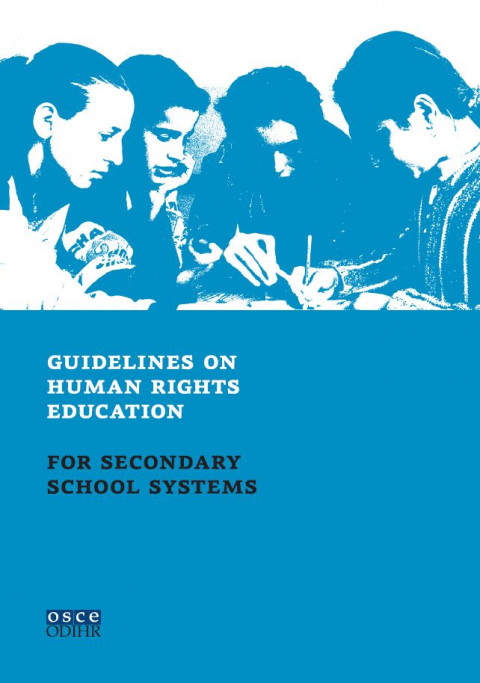 Guidelines on Human Rights Education for Secondary School Systems Year of publication: 2012 Corporate author: OSCE. Office for Democratic Institutions and Human Rights (ODIHR) These guidelines, which focus on human rights education in secondary schools, aim to support systemic and effective human rights learning for all young people. They were prepared on the basis of broad consultations involving teachers, teachers’ unions, teacher trainers, educational administrators, NGO specialists, and representatives from intergovernmental agencies and national human rights institutions.The current document presents approaches to be adopted when planning or implementing human rights education for secondary schools related to six key structural areas: the human rights-based approach to human rights education; core competencies; curricula; teaching and learning processes; evaluation; and professional development and support of educational personnel. The guidelines also offer a list of key materials to assist in planning, implementing and evaluating human rights education in schools.
 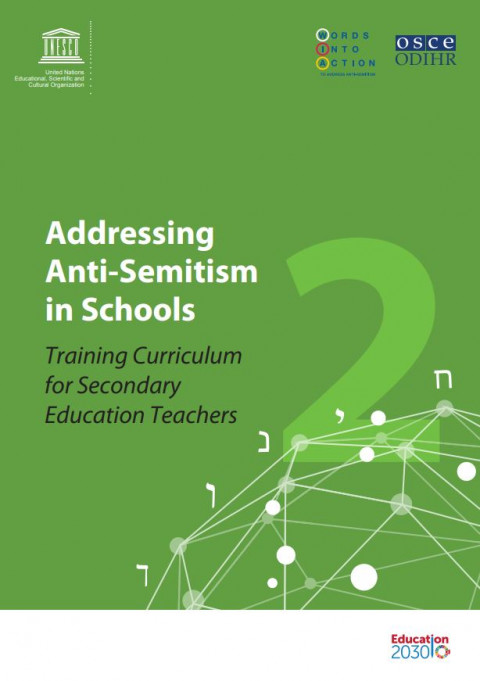 Addressing Anti-semitism in Schools: Training Curriculum for Secondary Education Teachers Year of publication: 2020 Corporate author: UNESCO | OSCE. Office for Democratic Institutions and Human Rights (ODIHR) This OSCE/ODIHR and UNESCO co-publication aims to help secondary school teachers to prevent and respond to anti-Semitism. The curriculum, intended for teacher trainers, is designed to be comprehensive, robust, practical and adaptable. It suggests concrete ways to address anti-Semitism and counter prejudice in and through education, while promoting human rights, global citizenship education, and gender equality.The co-publication is part of a series of four training curricula, designed for trainers of (1) primary school teachers, (2) secondary school teachers, (3) vocational school teachers, and (4) school directors.
  Asia-Pacific Education 2030: SDG 4 Midterm Review Year of publication: 2024 Corporate author: UNESCO Institute for Statistics (UIS) | UNESCO Bangkok This publication marks the conclusion of the collaborative national midterm reviews of SDG 4 achievement in the Asia-Pacific. More importantly, it represents the beginning of the final sprint to the 2030 finish line. It also serves as a comprehensive analytical and policymaking tool for all stakeholders in the region to reflect and be better prepared for the second half of the journey. At the midway point of implementing the Education 2030 Agenda, we are observing both challenges and progress in achieving Sustainable Development Goal 4 (SDG 4) in the Asia-Pacific. The region, overall, has made advances in reaching the globally and regionally most important targets under SDG 4, yet it is still far from delivering the common commitment of the Education 2030 Agenda, to ‘ensure inclusive and equitable quality education and promote lifelong learning opportunities for all’. Eight years into implementation, the Asia-Pacific has shown progress, especially in improving access to lower levels of basic education, as well as expanding early childhood education (ECE). Across most subregions of Asia and the Pacific, over 95% of primary school students complete primary education within the expected timeframe, while more than 80% of children one year before the official primary entry age are enrolled in organized early childhood education. However, participation in education is only one part of the puzzle, and the quality of learning, evidenced by limited data for the Asia-Pacific region on learning outcomes, remains concerning. More than half of students in Eastern and South-Eastern Asia do not reach the minimum proficiency level in mathematics at the end of lower secondary education. Overall and from a regional perspective, with priorities having accelerated in ECE, primary education reaching universal participation, and higher education being consistently regarded as prestigious to accomplish, secondary education is currently the weakest link apart from the chronically undervalued technical vocational education and training path. Fulfilling our commitment to the Education 2030 Agenda and leaving no one behind is not an easy endeavour and we need everyone on board in this unprecedented, yet necessary feat. This publication is meant to facilitate taking stock of the current situation and accelerate focused advances on the most relevant education topics for the Asia-Pacific region.
  Guide on Human Rights Education Curriculum Development Year of publication: 2021 Author: Cecilia Decara | Carol Rask | Felisa Tibbitts Corporate author: Danish Institute for Human Rights This document aims to bring conceptual clarity on human rights education and curriculum development and provide concrete suggestions on how to build human rights curricula ft for 21st century human rights challenges, while contributing to the realisation of the SDG goals and targets set by the international community.
  School Convivencia : Reviewing the Concept (Psicoperspectivas; No. 18, Vol. 1) Year of publication: 2019 Author: Cecilia Fierro-Evans | Patricia Carbajal-Padilla Corporate author: Catholic University of Valparaíso. School of Psychology This article reports an effort to review the concept of school convivencia (peaceful coexistence, living together) in the Spanish context with the purpose of advancing into its clarification, and thus contributing to developing a common language in the Latin American region. The authors conduct a basic literature review oriented to identify the main theoretical approaches in the convivencia field. Subsequently, they analyze four studies focused in systematizing the prevailing approaches in the study of school convivencia. As a result, they propose a concept of convivencia from a social justice perspective adapted to education, and they operationalize it in three areas of school life: pedagogical-curricular, organizationaladministrative, and the socio-communitarian. This comprehensive notion of school convivencia may guide future research, educational initiatives, and school assessments in the convivencia field that may respond to the violence and pervasive social exclusion that exist in the Latin American region. Convivencia escolar: Una revisión del concepto (Psicoperspectivas; No. 18, Vol. 1) Year of publication: 2019 Author: Cecilia Fierro-Evans | Patricia Carbajal-Padilla Corporate author: Catholic University of Valparaíso. School of Psychology El presente trabajo reporta un ejercicio de revisión del concepto de convivencia escolar con vistas a apoyar su clarificación y, por tanto, contribuir al desarrollo de un lenguaje común en la región latinoamericana. Para ello las autoras conducen un trabajo documental orientado a identificar los principales enfoques teóricos en la literatura de convivencia. Posteriormente analizan cuatro estudios enfocados a sistematizar los enfoques prevalecientes en el estudio de la convivencia escolar. Como resultado, proponen un concepto de convivencia desde la perspectiva de la justicia social adaptada a la educación y lo operacionalizan en tres ámbitos de la vida escolar: pedagógico-curricular, organizativo-administrativo y socio-comunitario. Esta noción comprehensiva de la convivencia escolar podría apoyar la realización de investigaciones futuras, propuestas educativas y evaluaciones de convivencia escolar que ofrezcan una respuesta a la violencia y a la persistente exclusión social que existe en la región latinoamericana.