
Resources
Explore a wide range of valuable resources on GCED to deepen your understanding and enhance your research, advocacy, teaching, and learning.
3,559 Results found
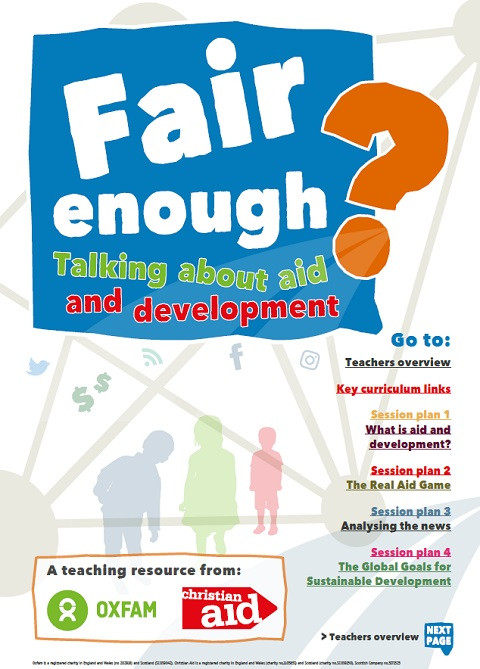 Fair enough? Talking about aid and development Year of publication: 2017 Corporate author: Oxfam | Christian Aid This resource aims to introduce to learners the concepts of aid and development and how these differ; how a limited development budget might be most effectively spent; critically evaluating media stories around development spending and the Global Goals for Sustainable Development. There are four session plans. Each includes an outline of the session with activity description, background information, photocopiable resource sheets for learners and links to online articles and video.
  다문화시대 평생교육 관점에서의 세계·민주시민교육 과제 및 실천 방향 Year of publication: 2018 Author: 옥일남 Corporate author: 국가교육회의 | 서원대학교 산학협력단 본 연구는 이제까지의 국내외 민주시민교육의 정책 동향을 검토하고, 다문화사회의 특수성과 평생교육의 관점에서 새롭게 요청되는 민주시민교육의 정책 방향과 주요 과제를 제시하는데 목적이 있다. 이러한 연구 목적을 달성하기 위해 현재 우리 사회가 처해있는 세계화·다문화 맥락을 이해하고, 해외의 주요 정책 사례들을 살펴보고자 한다. 그리고 거버넌스 개념을 활용하여 민주시민교육을 세계시민교육과 연계해 세계화·다문화 시대의 시민교육을 위한 정책 방향과 실천 방안을 제시할 것이다.
  한국의 유네스코 가입 70년 회고와 전망 연구 Year of publication: 2019 Author: 김기헌 | 박환보 | 정준영 | 조두원 | 한유진 Corporate author: 유네스코한국위원회 2020년 한국의 유네스코 가입 70주년을 기념하여 지난 70년간 교육, 자연과학, 청년, 인문사회과학, 문화, 커뮤니케이션, 국제협력 등 유네스코 관련 분야별 국내외 자료목록과 해제를 엮은 자료집이다.
 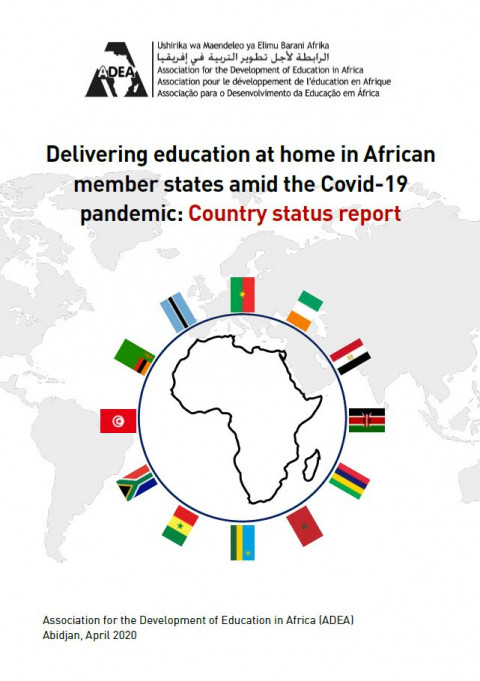 Delivering Education at Home in African Member States Amid the Covid-19 Pandemic: Country Status Report Year of publication: 2020 Corporate author: Association for the Development of Education in Africa (ADEA) Since its emergence in late 2019, the coronavirus disease 2019 (COVID-19) has evolved into a pandemic, heavily affecting the lives of billions of people across the world with an anticipated huge impact on the global economy and Africa in particular. Education is one of the sectors heavily affected, with the closure of learning institutions in many African countries likely to negatively affect the education quality.In order to obtain a clearer view of the status of learning during this period, and to better support countries in the immediate, short and long term, ADEA engaged some of the most affected African countries in March 2020 to map the national situation in the education sector. The foregoing is a synopsis of the feedback from Burkina Faso, Côte d’Ivoire, Egypt, Ghana, Kenya, Mauritius, Morocco, Rwanda, Senegal, South Africa, Tunisia, and Zambia in terms of national strategies, platforms and tools or applications, gaps and challenges, partner engagement, good practices and lessons learnt with some recommendations.
 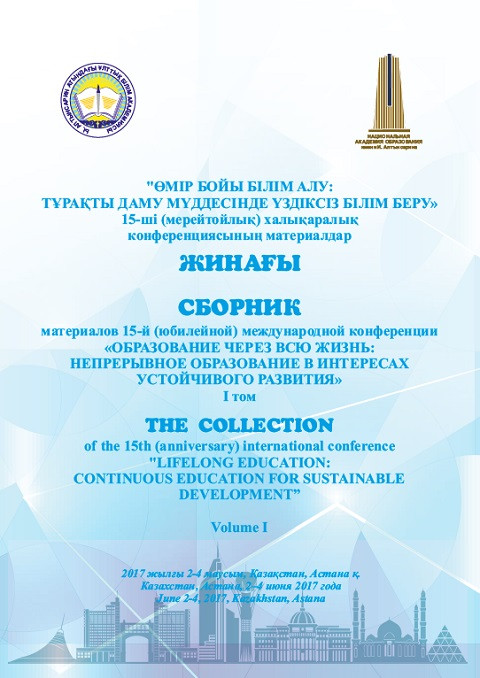 Lifelong Education: Continuous Education for Sustainable Development; The Collection of the 15th International Conference Year of publication: 2017 Corporate author: National Academy for Education (NAE) This edition of the proceedings of international cooperation presents the reports of the participants of the first stage of the 15th (anniversary) international conference “Education Throughout Life: Continuing Education for Sustainable Development”, which was held in Astana, Republic of Kazakhstan. The conference participants focused on the issues of training competent specialists, models, methods, technologies and organizational forms of continuing education used in pedagogical practice. The authors paid special attention to new pedagogical and organizational strategies for continuing education of adults, people with disabilities and the "third age", as well as spiritual, moral, ethical and democratic values in the context of upbringing in continuing education. Образование через всю жизнь: непрерывное образование в интересах устойчивого развития; Сборник материалов 15-й международной конференции Year of publication: 2017 Corporate author: National Academy for Education (NAE) В настоящем выпуске трудов международного сотрудничества представлены доклады участников первого этапа 15-й (юбилейной) международной конференции «Образование через всю жизнь: Непрерывное образование в интересах устойчивого развития», которая проходила в Астане, Республика Казахстан. В центре внимания участников конференции были вопросы подготовки компетентных специалистов, применяемые в педагогической практике модели, методики, технологии и организационные формы непрерывного образования. Особое внимание авторы уделили новым педагогическим и организационным стратегиям непрерывного образования взрослых, людей с ограниченными возможностями и «третьего возраста», а также вопросам духовно-нравственных, этических и демократических ценностей в контексте воспитания в непрерывном образовании.
 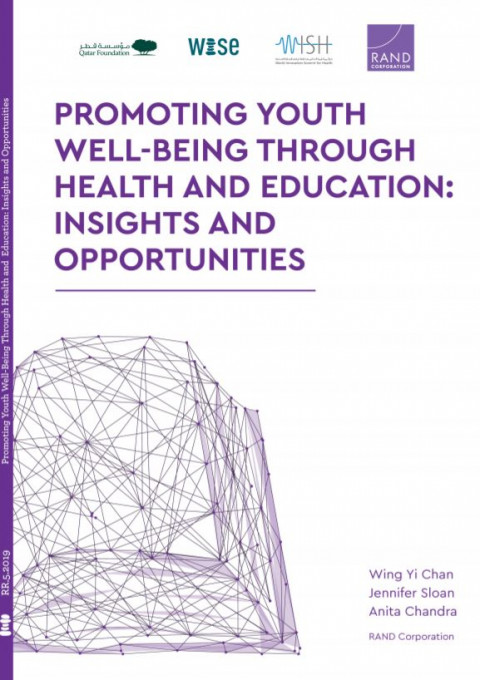 تعزيز رفاه الشباب عبر الصحة والتعليم: رؤى وفرص Year of publication: 2019 Author: Wing Yi Chan | Jennifer Sloan | Anita Chandra Corporate author: RAND Corporation أضحى الرفاه، باعتباره ركيزة أساسية في عمليات التخطيط وصناعة السياسات وتخصيص الموارد، ضرورةً لا غنى عنها لتنمية المجتمعات والدول التي تسير في درب الازدهار، مما دفعنا في هذا التقرير لدراسة المؤلفات الأكاديمية وغير الأكاديمية وثيقة الصلة بالموضوع لتحديد الأطر النظرية التي تحقق التكامل بين الصحة والتعليم داخل منظومة واحدة. Promoting Youth Well-Being Through Health and Education: Insights and Opportunities Year of publication: 2019 Author: Wing Yi Chan | Jennifer Sloan | Anita Chandra Corporate author: RAND Corporation Putting well-being at the heart of planning, policy making, and resource allocation is emerging as critical to the development of thriving communities and nations. We examined the academic and grey literature to identify theoretical frameworks that integrate health and education. We identified and described policies and programs supporting well-being around the world, and interviewed experts from each location to gain a deeper understanding of them.The report found that although wellbeing frameworks that integrate education and health exist, few of them have been examined rigorously to reveal how both educational and health outcomes can be achieved together.
 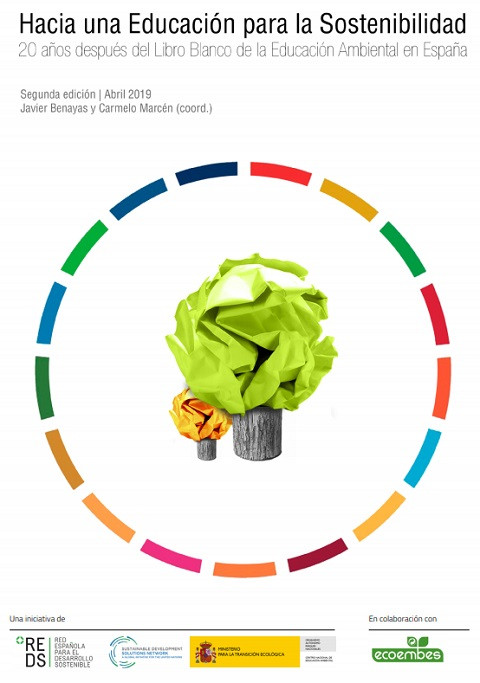 Hacia una Educación para la Sostenibilidad: 20 años después del Libro Blanco de la Educación Ambiental en España Year of publication: 2019 Author: Javier Benayas | Carmelo Marcén Corporate author: Red Española para el Desarrollo Sostenible (REDS) | Centro Nacional de Educación Ambiental (CENEAM) | Ecoembes El document presenta las luces y sombras de la multiforme intervención de la Educación Ambiental en los últimos 30 años; a la vez identifica pautas para recorrer el camino hacia la sostenibilidad de una forma más eficaz y segura pero sobre todo con la implicación de toda la sociedad.
  What Makes a Good Global Citizenship Resource? Corporate author: Reading International Solidarity Centre (RISC) This guidance document provides tips, ideas and a criteria of do's and don'ts for selecting a good Global Citizenship resource, from story books, to holiday photos and maps. With advice on how to evaluate resources, improve and add to existing ones, and suggestions for creating new ones, this is an invaluable starting point for any educator and any age group.