
Resources
Explore a wide range of valuable resources on GCED to deepen your understanding and enhance your research, advocacy, teaching, and learning.
3,530 Results found
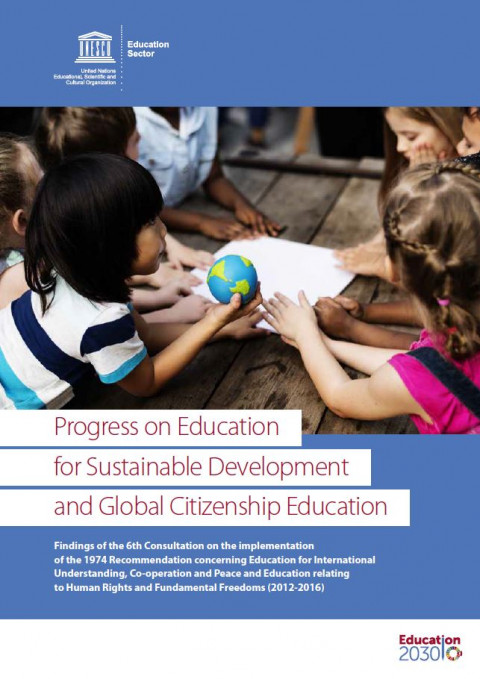 지속가능발전교육과 세계시민교육의 진전: 1974년 「국제이해, 협력, 평화를 위한 교육과 인권, 기본 자유에 관한 교육 권고」의 이행(2012-2016년)에 관한 제6차 설문조사 결과 Year of publication: 2018 Corporate author: 유네스코 「국제이해, 협력, 평화를 위한 교육과 인권, 기본 자유에 관한 교육 권고」(Recommendation concerning Education for International Understanding, Cooperation and Peace and Education relating to Human Rights and Fundamental Freedoms, 이하 1974년 권고안)는 1974년 제18차 유네스코 총회에서 채택되었다. 유네스코 회원국들은 매 4년마다 유아, 초등, 중등, 중등 이후/고등 분야 교육 내 1974년 권고안 이행 조치에 대해 유네스코에 보고한다. 이 보고서는 2012년부터 2016년까지의 1974년 권고안 이행 현황에 대한 제6차 설문조사1) (이하 제6차 설문조사) 결과를 요약·분석하고 있다. 제 6차 설문조사 결과는 회원국들이 지속가능발전목표(Sustainable Development Goal, SDGs) 내 교육 관련 목표(SDG 4) 중 세부목표 4.7을 달성하는 데 어떠한 진전이 있었는지, 그리고 1974년 권고안을 어떻게 이행하고 있는지 판단하기 위해 필요한 통찰력 있는 시각을 제공한다. 세부목표 4.7은 1974년 권고안과 밀접한 연관이 있는 지속가능발전교육(Education for Sustainable Development, ESD) 및 세계시민교육(Global Citizenship Education, GCED)과 관련이 있다(참고1). 세부목표 4.7의 이행을 위한 회원국들의 지원은 유네스코의 우선 순위이자, 지속가능발전을 위한 교육 2030 의제 전반에 걸쳐 진척을 이루는 데 필수적이다.
 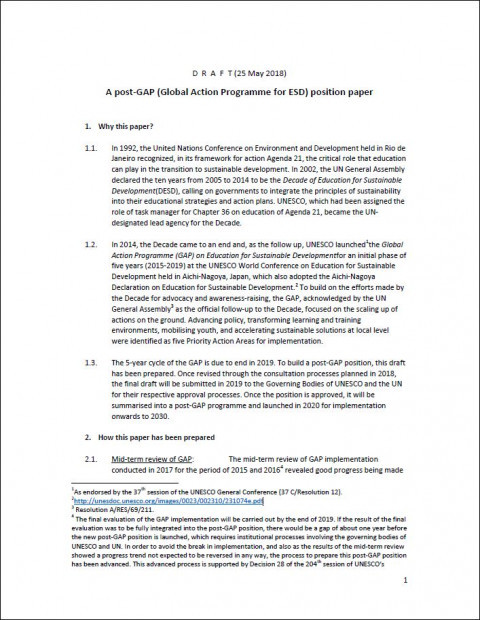 A Post-GAP (Global Action Programme for ESD) Position Paper Year of publication: 2018 Corporate author: UNESCO The 5-year cycle of the GAP is due to end in 2019. To build a post-GAP position, this draft position paper has been prepared. Once revised through the consultation processes planned in 2018, the final draft will be submitted in 2019 to the Governing Bodies of UNESCO and the UN for their respective approval processes. Once the position is approved, it will be summarised into a post-GAP programme and launched in 2020 for implementation onwards to 2030. Концептуальный документ по пост-ГПД периоду (Глобальная программа действий по ОУР) Year of publication: 2018 Corporate author: Организация Объединенных Наций по вопросам образования, науки и культуры (UNESCO) Пятилетний цикл Глобальной программы действий по ОУР (ГПД) должен завершиться в 2019 г. Настоящий проект подготовлен в целях разработки концепции деятельности после окончания ГПД. Вслед за внесением поправок в ходе запланированных на 2018 г. консультаций, окончательный вариант проекта будет представлен в 2019 г. на утверждение руководящим органам ЮНЕСКО и ООН. Положения утвержденного документа будут обобщены в программе деятельности, которая будет осуществляться в 2020-2030 гг. после окончания ГПД.
 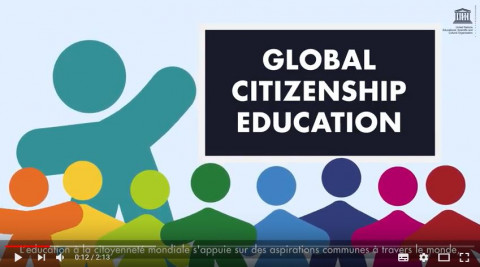 [Video] Global Citizenship Education: Taking it Local! Year of publication: 2018 Corporate author: UNESCO | APCEIU Societies across the world have long lived according to principles that emphasize solidarity, dialogue and respect for diversity. It is from this rich well of practices that UNESCO’s Global Citizenship Education (GCED) programme draws inspiration -- to instill in learners the skills, values, attitudes and behaviors to ‘live together’ and help shape more peaceful, sustainable societies and world. GCED is not a new concept, but an aspiration long-held across the world.
 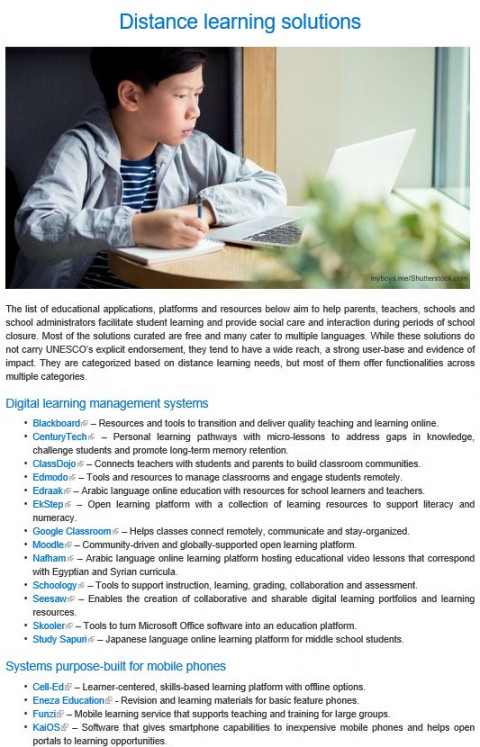 Soluciones para un aprendizaje a distancia Year of publication: 2020 Corporate author: Organización de las Naciones Unidas para la Educación, la Ciencia y la Cultura (UNESCO) A continuación, ofrecemos una lista de aplicaciones y plataformas educativas para ayudar a los padres, docentes, centros educativos y sistemas escolares a facilitar el aprendizaje de los alumnos y garantizar las interacciones y los servicios sociales durante el periodo de cierre de las escuelas. Aunque no han sido explícitamente respaldadas por la UNESCO, estas soluciones tienen un amplio alcance, numerosos usuarios y una eficacia probada. La mayor parte de las soluciones son gratuitas y muchas se encuentran en varios idiomas.Si usted es un proveedor de servicios de aprendizaje digital y posee un producto sólido que cree merece figurar en la siguiente lista de recursos, favor envíenos un correo electrónico a la dirección: COVID19taskforce@unesco.org Инструменты дистанционного обучения Year of publication: 2020 Corporate author: Организация Объединенных Наций по вопросам образования, науки и культуры (UNESCO) Приведенный ниже список образовательных приложений, платформ и ресурсов призван помочь родителям, учителям, школам и школьным администраторам облегчить процесс обучения учащихся и обеспечить социальную помощь и взаимодействие в периоды закрытия школ. Большинство предложений доступны бесплатно и многие поддерживаются на нескольких языках. Хотя эти предложения не имеют непосредственной поддержки ЮНЕСКО, они, как правило, имеют широкий охват, мощную базу пользователей и подтверждения достигнутых результатов. Они распределены исходя из потребностей дистанционного обучения, но большинство из них предлагают функциональные возможности по нескольким категориям. حلول للتعلّم عن بعد Year of publication: 2020 Corporate author: منظمة الأمم المتحدة للتربية والعلم والثقافة (UNESCO) الغرض من قائمة التطبيقات والمنصات والموارد التعليمية الواردة أدناه، مساعدة الأهل والمعلمين والمدارس ومديريها على تيسير عملية تعلّم الطلاب وتقديم الرعاية الاجتماعية والتفاعل الاجتماعي لهم في أثناء فترة إغلاق المدارس. ومعظم الحلول المختارة مجانية، ويقدم العديد منها محتوى متاحاً بعدة لغات. ولا تحظى هذه الحلول بدعم صريح من اليونسكو، بيد أنها تصل إلى عدد كبير من الأشخاص، ولها قاعدة مستخدمين واسعة، وتأثيرها مثبت. وتُصنّف هذه الحلول في فئات تبعاً لاحتياجات الدارسين، ولكن معظمها يحتوي على خصائص مأخوذة من فئات مختلفة.
  UNESCO: Promise of Gender Equality; Key Actions of 2018 and 2019 Year of publication: 2020 Corporate author: UNESCO This is the first UNESCO Annual Report on Gender Equality that highlights the key initiatives implemented in 2018-2019. The advancement of gender equality through education, the sciences, culture, information and communication, at the heart of UNESCO’s mandate, aims to equip both women and men to address the challenges of sustainable development in a fast-changing world. UNESCO: La Promesse de l’Egalité des genres; Actions clés de 2018 - 2019 Year of publication: 2020 Corporate author: Organisation des Nations Unies pour l'éducation, la science et la culture (UNESCO) Ceci est le premier rapport annuel de l’UNESCO sur l’égalité des genres qui met en lumière quelques-unes des initiatives clés mises en place en 2018 - 2019. Les progrès en matière d’égalité des genres par l’éducation, les sciences, la culture, l’information et la communication, au cœur des activités de l’UNESCO, visent à donner aux femmes et aux hommes les moyens de relever les défis du développement durable dans un monde en perpétuelle mutation.
  Teacher’s Guide for Culture and Arts Activities in Schools Year of publication: 2019 Author: Beatrice Polato | Xavier Verhoest Corporate author: Comitato Internazionale per lo Sviluppo dei Popoli (CISP) | European Union (EU) | UNESCO | UK aid This guide was designed as a curriculum to be used by teachers and mentors who facilitate modules and sessions aiming at involving school children in the study of cultural heritage, peace, inclusion and gender equity through artistic expressions. It has been tested and used by teachers in 24 schools in Somalia between 2018 and 2019, involving a total of 48 teachers and about 700 children. It contains text in Somali for activities.