
Resources
Explore a wide range of valuable resources on GCED to deepen your understanding and enhance your research, advocacy, teaching, and learning.
3,500 Results found
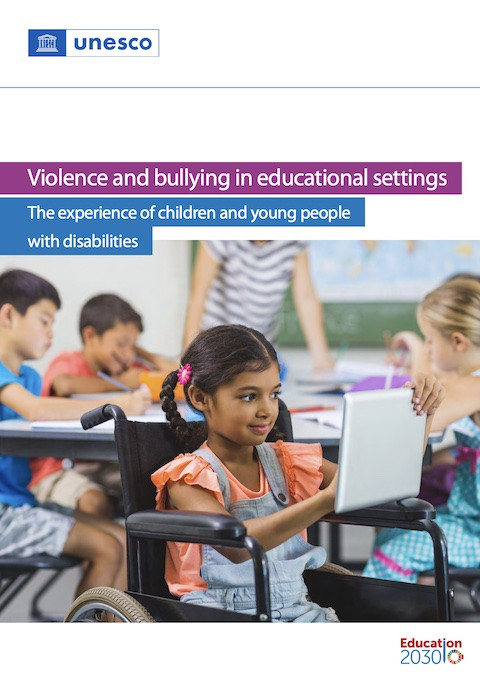 Violence and Bullying in Educational Settings: The Experience of Children and Young People With Disabilities Year of publication: 2021 Corporate author: UNESCO Learners with disabilities are disproportionately affected by school violence and bullying at all ages and in all learning settings. This has significant adverse impacts on their education, health and well-being. This document aims to raise awareness of the problem and encourage action to ensure that children and young people with disabilities have access to a safe learning environment.
  2022 다문화청소년 종단연구: 총괄보고서 Year of publication: 2022 Author: 양계민 | 이정민 | 정윤미 | 엄진섭 | 장윤선 | 전경숙 Corporate author: 한국청소년정책연구원 본 연구의 목적은 두 가지이다. 첫째는 다문화청소년의 성장 및 발달의 기초자료를 구축하고 발달추이를 분석함으로써 다문화청소년을 위한 과학적 정책수립과 추진을 위한 근거마련을 하는 것이고, 둘째는 구축된 기초자료 및 다문화청소년 정책현황을 분석함으로써 다문화청소년 지원정책의 방향성을 확립하고 보다 면밀한 정책대안을 수립하는 것이다. 2022년도의 중점 목표로 후기청소년기 다문화청소년의 고졸이후 진로실태를 파악하고 이들을 위한 정책방안을 모색하고자 하였다.
  2021 아동·청소년 권리에 관한 국제협약 이행 연구 - 한국 아동·청소년 인권실태: 총괄보고서 Year of publication: 2021 Author: 김영지 | 유설희 | 최홍일 | 이민희 | 김진호 Corporate author: 한국청소년정책연구원 이 연구는 유엔아동권리협약이행 모니터링과 아동·청소년 인권실태 분석을 통해 아동·청소년의 인권 현황을 파악하고 인권정책 개발 시사점을 도출하기 위한 제3기 아동·청소년 인권 연구의 5차년도 과제이다. 이 연구는 아동·청소년 인권실태를 파악하고 진전 상황을 지속적으로 모니터링할 수 있도록 체계적인 데이터 수집체계를 마련하라는 유엔아동권리위원회의 권고에 따라 시작되어 2017년 제3기 연구부터 아동권리협약이행 모니터링을 강화하여 추진하고 있다. 국가승인통계인 ‘아동·청소년 인권실태조사’는 초등학교 4학년부터 고등학교 3학년을 대상으로 매년 실시하여, 아동권리협약에 기반한 ‘아동·청소년 인권지표체계’ 115개 지표 항목 중 42개 지표 항목의 결과를 생산하는 데 활용된다. 조사결과는 아동·청소년의 인권실태와 인권상황 진전 정도를 파악할 수 있도록 시계열 자료로 축적되고 있으며 국가통계포털(KOSIS)과 마이크로데이터 통합서비스(MDIS)에 원자료와 통계표를 탑재하고 있다. 유엔아동권리협약이행 모니터링을 위해서는 전문가협의회, 워크숍, 의견조사 등을 실시하여 제5?6차 아동권리협약 권고사항 이행 성과와 한계를 점검하고 향후 과제를 도출하였다. 최종적으로 유엔아동권리협약이행 모니터링과 인권실태 분석 등을 통해 17개의 주요 정책과제를 제안하였다. 최종 산출물은 총괄보고서, 심화분석보고서, 기초분석보고서 등 총 3종이며, 인권데이터의 이론적 활용도 제고를 위한 소논문인 심화분석보고서의 2021년도 주제는 ‘인권인식과 학교문화’이다.
  Educación y diversidad cultural: Lecciones desde la práctica innovadora en América Latina Year of publication: 2008 Author: Carolina Hirmas R. Corporate author: UNESCO Esta publicación, que constituye el segundo volumen de la colección, es el resultado del análisis y la reflexión acerca de un conjunto experiencias educati- vas innovadoras de varios países de Latinoamérica, que responden con pertinen- cia pedagógica al contexto cultural de los estudiantes y ofrecen una educación orientada al conocimiento, comprensión y diálogo entre personas de diferentes culturas. El aporte significativo de las experiencias referidas, reside en el reco- nocimiento y valoración de la diversidad étnica y cultural de sus estudiantes y comunidades, como punto de partida para el desarrollo de nuevos aprendizajes y afirmación de su identidad. A su vez, la vida en los centros educativos promueve relaciones interculturales de respeto y fraternidad en un contexto sociogeográfico local y subregional, caracterizado por la multiculturalidad.
 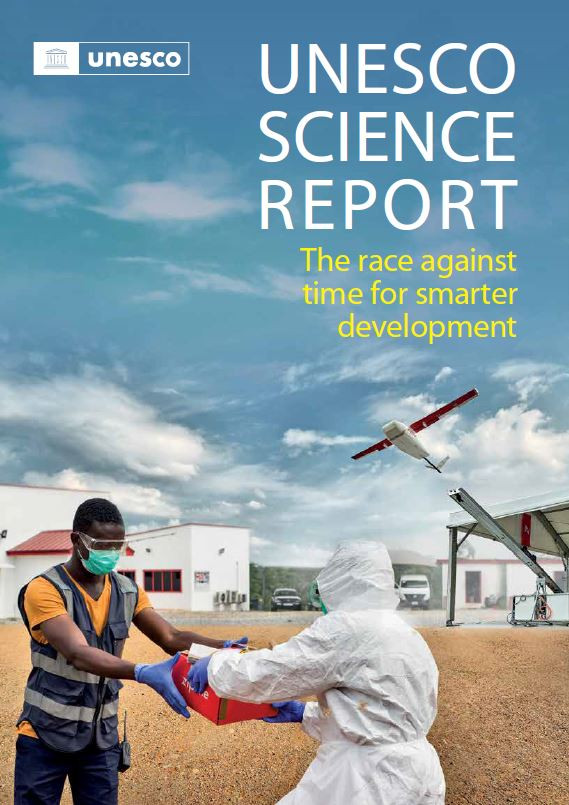 UNESCO Science Report: The Race Against Time for Smarter Development Year of publication: 2021 Author: Susan Schneegans | Tiffany Straza | Jake Lewis Corporate author: UNESCO This seventh edition of the report monitors the development path that countries have been following over the past five years from the perspective of science governance. It documents the rapid societal transformation under way, which offers new opportunities for social and economic experimentation but also risks exacerbating social inequalities, unless safeguards are put in place.The report concludes that countries will need to invest more in research and innovation, if they are to succeed in their dual digital and green transition. More than 30 countries have already raised their research spending since 2014, in line with their commitment to the Sustainable Development Goals. Despite this progress, eight out of ten countries still devote less than 1% of GDP to research, perpetuating their dependence on foreign technologies.
  Juvenile Crime Rate Rises in Kyrgyzstan Year of publication: 2023 Corporate author: CABAR.asia In Kyrgyzstan, the number of adolescents committing crimes is increasing. CABAR.asia explored possible reasons of it, what punishment children receive for offences, and whether the humanisation of legislation affected the situation. Преступность среди детей в Кыргызстане растет Year of publication: 2023 Corporate author: CABAR.asia В Кыргызстане растет число подростков, совершивших преступления. CABAR.asia выясняло возможные причины происходящего, какое наказание получают дети за правонарушения и повлияла ли как-то на ситуацию гуманизация законодательства.
 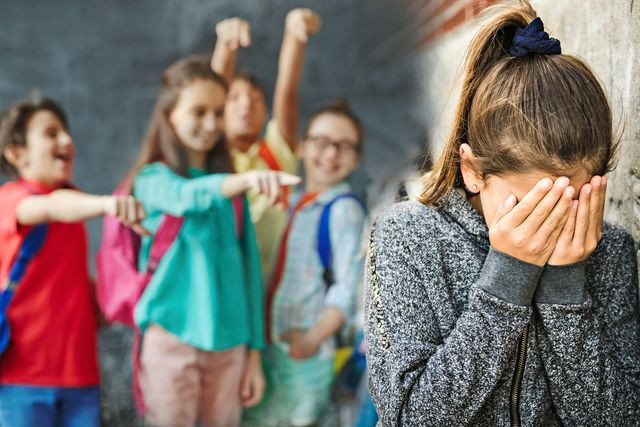 ОТЧЕТ по результатам проведенного исследования на тему «Мониторинг ситуации с профилактикой буллинга в средних образовательных школах Республики Казахстан» Year of publication: 2023 Corporate author: Қадір-қасиет (Казахстан) Общественное объединение «КадірКасиет» организовало и провело исследование, посвященное мониторингу ситуации с профилактикой буллинга в средних образовательных школах Казахстана. Целью исследования выступало изучение шести школ, в которых планируется внедрить пилотную программу «Ынсап» по противодействию буллингу в школах. Настоящий доклад подготовлен в рамках проекта «Фокус прав человека: женщины и дети», реализуемого ОО «Қадір-қасиет» и Агентством США по международному развитию (USAID).
  Education for Global Citizenship as a Transformative Methodological Proposal: Reflections and Practical Proposals Year of publication: 2019 Author: Isarel García | Joan Gratacós | Desiderio De Paz | Mercè Gil | Assumta Zapata Corporate author: Oxfam International This publication, the result of the collaborative work of the Network of educators for global citizenship, is a proposal for reflection and practical examples regarding the transformative nature of Education for global citizenship, being essential that for this educational approach that its actions educational activities are aimed at promoting critical thinking, dialogue, collaboration, solidarity and commitment to transform inequalities and promote social justice, equity and sustainable development. The methodological approach, therefore, must also be transformative and the strategies that accompany processes, promote this social transformation. Transformative methodologies are inherent to Education for global citizenship and the methodological processes that contribute to the construction of schools for global citizenship, in our opinion, should be based on three different pillars: promote the transformative dimension of education to build another world possible and necessary, promote a socio-affective approach focused on solidarity and cosmopolitan empathy and promote the construction of a more participatory and integrated curriculum that generates meaning in teachers and students. La educación para la ciudadanía global como propuesta metodológica transformadora: Reflexiones y propuestas prácticas Year of publication: 2019 Author: Isarel García | Joan Gratacós | Desiderio De Paz | Mercè Gil | Assumta Zapata Corporate author: Oxfam Intermón Esta publicación, fruto del trabajo colaborativo de la Red de educadores y educadoras para una ciudadanía global, es una propuesta de reflexión y ejemplos prácticos en torno al carácter transformador de la Educación para la ciudadanía global, siendo esencial que para este enfoque educativo que sus acciones educativas vayan encaminadas a fomentar el pensamiento crítico, el diálogo, la colaboración, la solidaridad y el compromiso para la transformación de las desigualdades y la promoción de la justicia social, la equidad y el desarrollo sostenible. El enfoque metodológico, por lo tanto, debe ser también transformador y las estrategias que acompañen procesos, fomentar esta trasformación social. Las metodologías transformadoras son consustanciales a la Educación para la ciudadanía global y los procesos metodológicos que contribuyen a la construcción de escuelas para la ciudadanía global, a nuestro entender, deberían basarse en tres pilares distintos: promover la dimensión transformadora de la educación para construir otro mundo posible y necesario, promover un enfoque socio afectivo centrado en la solidaridad y la empatía cosmopolita y promover la construcción de un currículo más participativo e integrado que genero sentido en docentes y alumnado.