
Resources
Explore a wide range of valuable resources on GCED to deepen your understanding and enhance your research, advocacy, teaching, and learning.
3,500 Results found
 Building Intercultural Citizenship through Education: A Human Rights Approach Year of publication: 2008 Author: Rodolfo Stavenhagen This article analyses the challenges posed by traditional ethnic and linguistic minorities in multicultural states and more specifically the problems faced by indigenous peoples and communities. Their educational and cultural needs and demands are increasingly being framed in the language of human rights, based on the expanding international legal and institutional human rights system. The United Nations World Conference on Human Rights, held in Vienna in 1993, endorsed a rights-based approach to development, human rights education is a growing field in educational practice, respect for cultural diversity is now enshrined in international and domestic laws, and the right of every person to education and to culture has become a mainstay of international human rights principles to which a majority of the world's states has subscribed.
 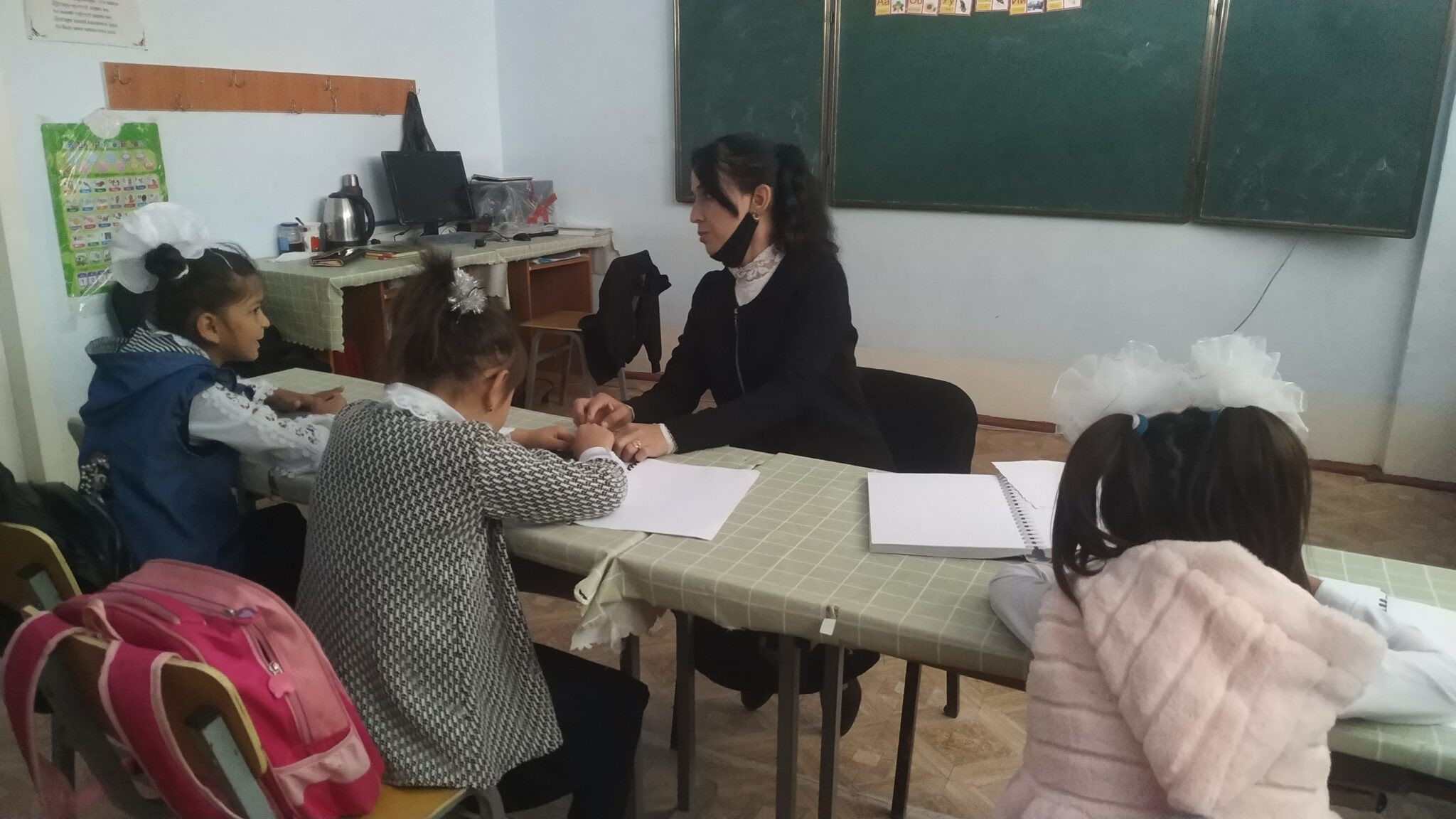 Children with Disabilities in Remote Regions of Tajikistan Have No Access to Quality Education Year of publication: 2023 Corporate author: CABAR.asia Parents of children with disabilities from remote villages in Khatlon Province are concerned about their children’s education conditions, but authorities say all are covered. У детей с инвалидностью в отдаленных регионах Таджикистана нет доступа к качественному образованию Year of publication: 2023 Corporate author: CABAR.asia Родители детей с инвалидностью из отдаленных сел Хатлонской области обеспокоены условиями обучения своих детей, но власти заявляют, что все они охвачены образованием.
  Engaging Girls, Boys and Youth as Active Citizens: Plan International’s Position Paper Year of publication: 2020 Corporate author: Plan International Plan International believes that every child and young person has the right to express their views freely and safely; influence decisions and take action on issues that matter to them. However, around the world children and young people – particularly girls and young women – face significant challenges in realising this right. They tend to be wrongly dismissed as insufficiently mature to participate in political and civic processes. They also tend to be stigmatised as potential perpetrators of disruption, not as valued citizens and contributors to society who can lead and drive positive change. Plan International is calling for a paradigm shift in the way the international community talks about, engages and partners with children and young people. Children and young people are not just the future. They are the present. Young people constitute almost half of the world’s population, yet they are dramatically underrepresented – even excluded – in political decision-making. It is critical that their views and needs are taken into account politically, socially, legally and economically. Promoting the voices and views of children and young people – especially girls and women – in all their diversity and supporting them to actively engage in decision-making on issues that affect their lives must be an urgent priority for the world’s power holders. Realising children and young people’s civil and political rights is a prerequisite for building sustainable and peaceful societies, and a gender just world envisioned in international human rights frameworks and the 2030 Agenda’s Sustainable Development Goals (SGDs).Across the 75+ countries Plan International works in, young people have consistently identified the denial of their political and civil rights as a priority issue. In March 2017, Plan International conducted consultations with young women and men aged 14 to 30 from 14 countries. In every country, young people reported a sense of “citizen responsibility” and an interest in public life, yet identified the lack of platforms to meaningfully engage with decision-makers and inability to ensure their opinions are taken seriously as key barriers. Girls and young women in particular have called for the removal of gendered norms that increase those barriers, silence their voices and disproportionately hold them back from leadership and active citizenship. Impliquer les filles, garçons et jeunes en tant que citoyens actifs : Prise de position de Plan International Year of publication: 2020 Corporate author: Plan International Ce rapport expose la position de Plan International sur le droit à la participation à la vie publique, ainsi qu’une analyse : du cadre juridique et politique ; de l’impact des normes sociales et genrées sur la participation ; et des problèmes spécifiques relatifs à l’émancipation politique et à la citoyenneté active. Ce rapport appuie 100 Millions de Raisons, la Stratégie Mondiale 2017-2022 de Plan International, dont la priorité principale est le soutien des filles, des garçons et des jeunes en tant qu’acteurs actifs du changement. Il défend notre travail en relation avec l’Agenda 2030 et les Objectifs de Développement Durable – plus spécifiquement les objectifs 5, 10 et 16. Un certain nombre de recommandations importantes sont incluses afin de guider le plaidoyer. Involucrar a niñas, niños y jóvenes como ciudadanos activos: Documento de Posición de Plan International Year of publication: 2020 Corporate author: Plan International En este documento se expone la posición de Plan International sobre el derecho a participar en la vida pública, así como el análisis del marco jurídico y político; las repercusiones de las normas sociales y de género en la participación; y aspectos específicos relacionados con el empoderamiento político y la ciudadanía activa. Este instrumento apunta a 100 Millones de Razones, la Estrategia Global de Plan International 2017-2022, que define como prioridad apoyar a las niñas, los niños y las/los jóvenes como motores del cambio. También apoya nuestra labor en relación con la Agenda 2030 y los Objetivos de Desarrollo Sostenible, en particular los Objetivos 5, 10 y 16. Para orientar las actividades de incidencia se incluyen varias recomendaciones de alto nivel.
  Artificial Intelligence: Media and Information Literacy, Human Rights and Freedom of Expression Year of publication: 2020 Author: Igor Shnurenko | Tatiana Murovana | Ibrahim Kushchu Corporate author: UNESCO Institute for Information Technologies in Education (IITE) | TheNextMinds The collection of papers “Artificial Intelligence: Media and Information Literacy, Human Rights and Freedom of Expression” continues the UNESCO IITE’s series of publications entitled “Digital Transformation of Education”.The publication describes the fundamentals of artificial intelligence and AI-based technologies, their impact on the modern information and media environment, new challenges in the field of media and information literacy associated with the growing automation of the processes of creating, disseminating and accessing information, the use of AI in decision-making and control systems in various areas. There is a strong focus on the growing risks of reducing individual agency, people’s ability to interpret reality autonomously and to act according to their own agenda.These issues are more relevant now than ever before for education undergoing digital transformation. The publication seeks to contribute to a critical understanding of the digital environment in which learning and teaching unfold, and strategies and tactics for the use of new technologies and the digitalization of educational interactions.
  Violence and Child Abuse Year of publication: 2015 Corporate author: Dubai Foundation for Women and Children (DFWAC) | Center for Statistical, Economic and Social Research and Training for Islamic Countries The study aimed to investigate the phenomenon of violence against children in the United Arab Emirates. It focuses on the extent of violence against children and abuse in its various forms at home and at school. The study came out with a set of recommendations to deal with the phenomenon. العنف وسوء معاملة الأطفال Year of publication: 2015 Corporate author: Dubai Foundation for Women and Children (DFWAC) | Center for Statistical, Economic and Social Research and Training for Islamic Countries هدفت الدراسة الى تقصي ظاهرة العنف ضد الأطفال في الامارات العربية المتحدة. وتركز على حجم العنف ضد الأطفال والإساءة بمختلف أشكالها في المنزل والمدرسة. وخرجت الدراسة بمجموعة من التوصيات للتعامل مع الظاهرة.
 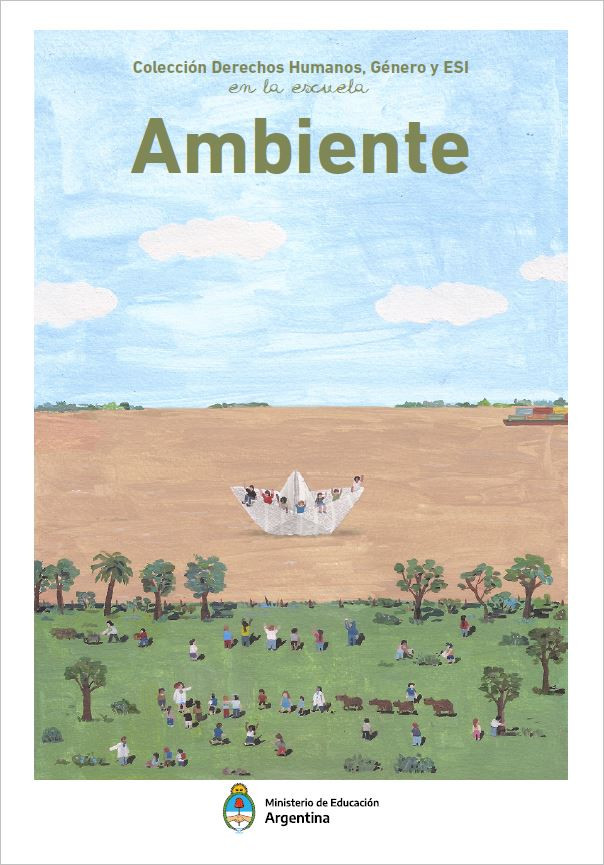 Environment: Human Rights, Gender and Comprehensive Sex Education at School Collection Year of publication: 2021 Corporate author: Ministry of Education, Argentina This material invites us to reflect on the environment at school with the aim of accompanying and contributing to the construction of educational institutions committed to environmental education, which are guarantors and promoters of rights. From a pedagogical and democratic approach, debates, theoretical tours and case studies on environmental problems are updated.