
Resources
Explore a wide range of valuable resources on GCED to deepen your understanding and enhance your research, advocacy, teaching, and learning.
2,839 Results found
 Региональные консультации национальных правозащитных учреждений стран Центральной Азии: Отчет о конференции Year of publication: 2016 Corporate author: UN. Office of the United Nations High Commissioner for Human Rights (UN. OHCHR) | United Nations Development Programme (UNDP) Конференция впервые стала площадкой для консультаций национальных правозащитных учреждений (НПЗУ) Центральной Азии в целях содействия укреплению партнерских отношений и обеспечения возможностей взаимной поддержки и обмена экспертным опытом. Особое вниманиеуделено роли НПЗУ в их взаимодействии с правительством и другими партнерами в стране, а также роли НПЗУ в части достижения Целей Устойчивого Развития (ЦУР).
  Uzbekistan: Voluntary National Review 2020 Year of publication: 2020 Corporate author: United Nations (UN) This voluntary review contains information on the implementation of the 2030 Sustainable Development Goals by the Republic of Uzbekistan, objectives and directions for further activities. Special attention is paid to SDG 4 "Education", where the priority is to improve the quality and coverage of education at all levels, as well as the development of the lifelong education system. Узбекистан: Добровольный национальный обзор 2020 Year of publication: 2020 Corporate author: United Nations (UN) Данный добровольный обзор содержит в себе информацию по выполнению Республикой Узбекистан целей устойчивого развития 2030, задачи и направления дальнейшей деятельности. Отдельное внимание уделено ЦУР 4 "Образование", где приоритетом является повышение качества и охвата образованием на всех уровнях, а также развитие системы непрерывного образования.
 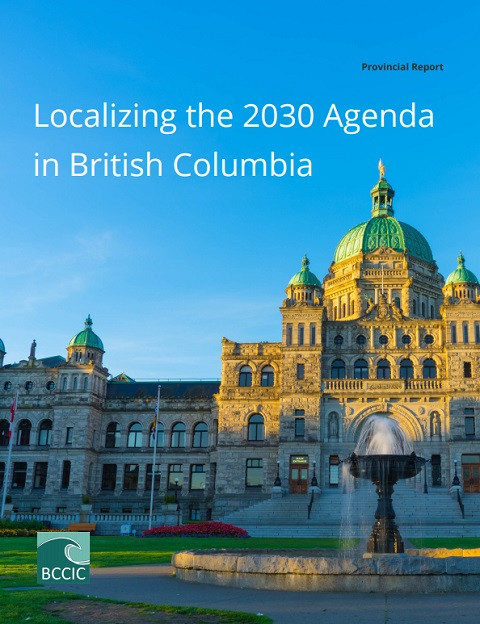 Localizing the 2030 Agenda in British Columbia Year of publication: 2020 Author: Zosa De Sas Kropiwnicki-Gruber | Dan Harris Corporate author: British Columbia Council for International Cooperation (BCCIC) This report details a British Columbian civil society response to the Government of Canada’s current interim national Sustainable Development Goals strategy. The report provides feedback on the interim strategy and Canada’s engagement with the United Nations Sustainable Development Goals (SDGs) including recommendations linked to the interim strategy’s key actions. At this time it represents the only provincial scale civil society consultation on the strategy in Canada. The report begins by introducing the origin of the interim national SDG strategy and the rationale for holding the consultation. While the following section on “What we heard” captures common themes on how to improve the strategy and Canada’s engagement with the SDGs, the report then concludes with recommendations synthesized from these suggestions on the ways in which we can strengthen and enact the interim national SDG strategy.
 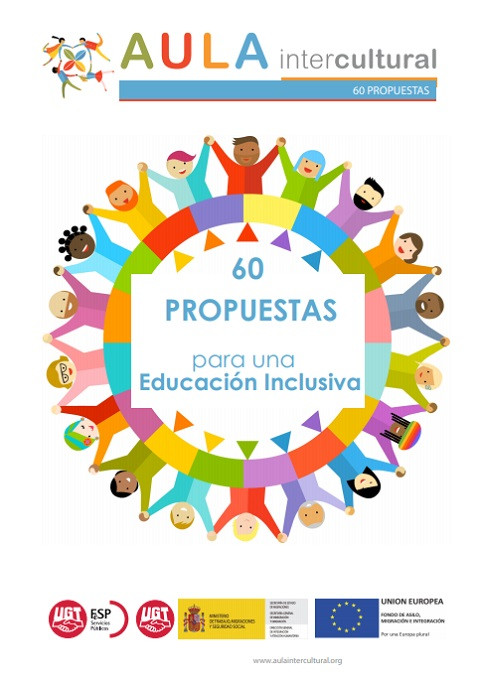 60 Proposals for Inclusive Education Year of publication: 2019 Corporate author: Secretaría de Mujer y Políticas Sociales FeSP UGT | European Union (EU) This publication presents 60 ideas for achieving an inclusive education. Although the concept has traditionally been associated with an educational response that integrates children with special abilities into schools; The term is broader, and refers to a progressive transformation of educational systems aimed at achieving a quality education that guarantees all students access to culture and provides them with basic training and education in equality and adapted to diversity that we are in the classrooms. 60 Propuestas para una educación inclusiva Year of publication: 2019 Corporate author: Secretaría de Mujer y Políticas Sociales FeSP UGT | European Union (EU) Esta publicación presenta 60 ideas para lograr una educación inclusiva. Aunque el concepto se ha asociado tradicionalmente a una respuesta educativa que integre en las escuelas a los niños y niñas con capacidades especiales; el término es más amplio, y hace referencia a una transformación progresiva de los sistemas educativos orientada a lograr una educación de calidad que garantice a todo el alumnado el acceso a la cultura y les proporcione una capacitación y formación básica en igualdad y adaptada a la diversidad que somos en las aulas.
 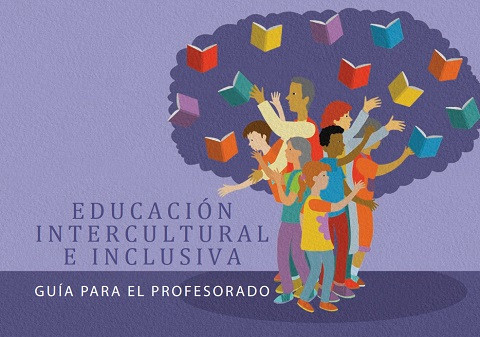 Intercultural and Inclusive Education: Guide for Teachers Year of publication: 2012 Corporate author: Federación de Trabajadores de la Enseñanza (FETE-UGT) This guide brings together some of the key questions and ideas of intercultural education, the aims of which are comprehensive training, equality and training for coexistence. Educación Intercultural e Inclusiva: Guía para el profesorado Year of publication: 2012 Corporate author: Federación de Trabajadores de la Enseñanza (FETE-UGT) Esta guía reúne algunas de las preguntas e ideas clave de la educación intercultural, cuyos fines son la formación integral, la igualdad y la formación para la convivencia.
  Educar para la vida: El desarrollo de las habilidades socioemocionales y el rol de los docentes Year of publication: 2020 Author: Elena Arias Ortiz | Diana Hincapié | Diana Paredes Corporate author: Inter-American Development Bank Esta nota técnica presenta un diagnóstico sobre la incorporación de las habilidades socioemocionales en 12 países de América Latina y el Caribe, y la formación que reciben los docentes para desarrollar estas habilidades en los estudiantes. Si bien se han registrado avances, resaltamos los principales desafíos que se deben enfrentar para desarrollar las habilidades socioemocionales.
  Research on National Education Strategies From the Perspective of Multi-Ethnic National Identity Construction (Heilongjiang National Series; No.1) Year of publication: 2019 Author: Du Richen | Zhang Jingyue Corporate author: Heilongjiang National Research Institute Civic education is an important means to enhance national identity. The idea of modern civic education originated in the West, and after historical development, it has formed three main ideas of civic education, liberalism, communitarianism and multiculturalism. In terms of the practice of enhancing national identity through civic education, both native and immigrant ethnic groups enhance national identity through national education. As China is a multi-ethnic country, the theory and practice of foreign citizenship education have important reference and enlightenment significance for our country to enhance national identity.