
Resources
Explore a wide range of valuable resources on GCED to deepen your understanding and enhance your research, advocacy, teaching, and learning.
2,813 Results found
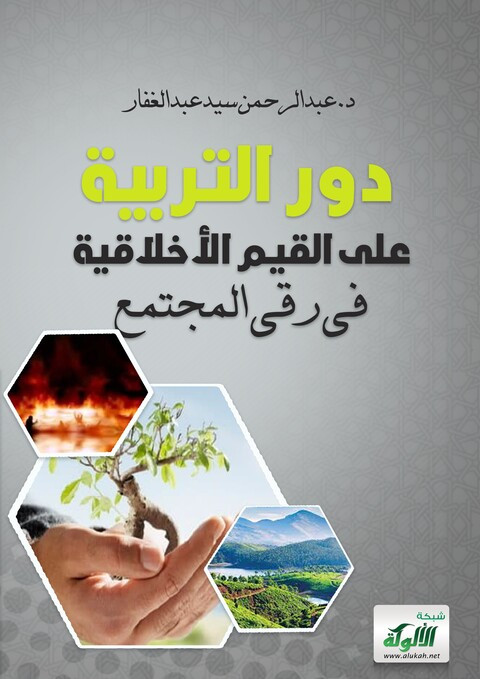 دور التربية على القيم الأخلاقية في رقي المجتمع (الإهداء; إعلام علمي باللغة العربية،; Vol. 9, No. 2) Year of publication: 2021 Author: Abdel-Rahman Sayed Abdel-Ghaffar "يتناول البحث القيم والأخلاق الإسلامية، وأنها العلاج، ويشرح مفهومها، ويحدد أهم مكونات ومصادر وخصائص الإسلام القيم، ويبحث في أهمية منهج التربية الإسلامية وأهمية القيم والأخلاق الإنسانية الإسلامية في المجتمع، وشرح لمنهج التربية الإسلامية في بناء المسلم وتكوينه على أساس الشمول والكمال وتحقيق كل ما لا يخطر على بال إنسان فهو لا يقتصر على فترة معينة أو جنس معين، بل يمتد مع الأزمنة والأجيال. The Role of Education on Moral Values in Advancing Society (Al-Ihda Journal; Vol. 9, No. 2) Year of publication: 2021 Author: Abdel-Rahman Sayed Abdel-Ghaffar The research deals with Islamic values and morals, explains their concept, identifies the most important components, sources, and characteristics of valuable Islam. It also examines the importance of the Islamic education curriculum and the importance of Islamic human values and morals in society, and explains the Islamic education approach in building and forming a Muslim on the basis of comprehensiveness, perfection, and achieving all that is unthinkable, which is not limited to a specific period or gender, but rather extends over time and generations.
 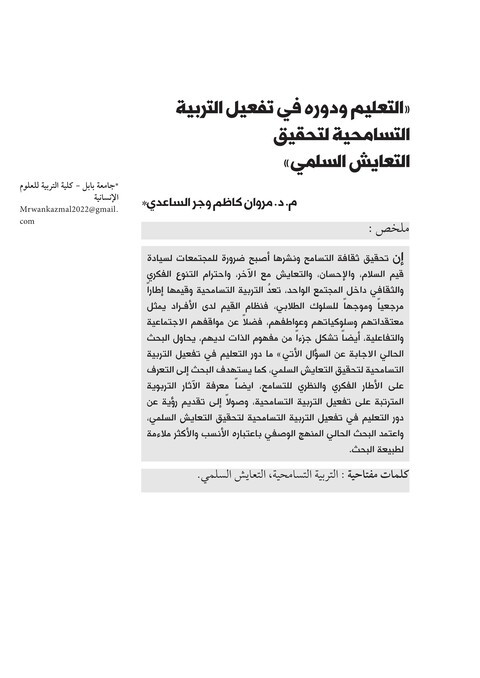 التعليم ودوره في تفعيل التربية التسامحية لتحقيق التعايش السلمي (مجلة حمورابي للدراسات; Vol. 1, No. 46) Year of publication: 2023 Author: Marwan Kadhim Wajar Al-Saedl Corporate author: Hammurabi Centre for Research and Strategic Studies إن تحقيق ثقافة التسامح ونشرها أصبح ضرورة للمجتمعات لسيادة قيم السلام، والإحسان، والتعايش مع الآخر، واحترام التنوع الفكري والثقافي داخل المجتمع الواحد، تعدُ التربية التسامحية وقيمها إطاراً مرجعياً وموجهاً للسلوك الطلابي، فنظام القيم لدى الأفراد يمثل معتقداتهم وسلوكياتهم وعواطفهم، فضلاً عن مواقفهم الاجتماعية والتفاعلية، أيضاً تشكل جزءاً من مفهوم الذات لديهم، يحاول البحث الحالي الاجابة عن السؤال الأتي" ما دور التعليم في تفعيل التربية التسامحية لتحقيق التعايش السلمي، كما يستهدف البحث إلى التعرف على الأطار الفكري والنظري للتسامح، ايضاً معرفة الآثار التربوية المترتبة على تفعيل التربية التسامحية، وصولاً إلى تقديم رؤية عن دور التعليم في تفعيل التربية التسامحية لتحقيق التعايش السلمي، واعتمد البحث الحالي المنهج الوصفي باعتباره الأنسب والأكثر ملاءمة لطبيعة البحث. Education and Its Role in Activating Tolerance Education to Achieve Peaceful Coexistence (Hammurabi Journal for Studies; Vol.1, No.46) Year of publication: 2023 Author: Marwan Kadhim Wajar Al-Saedl Corporate author: Hammurabi Centre for Research and Strategic Studies Achieving and spreading a culture of tolerance has become a necessity for societies to prevail the values of peace, benevolence, coexistence with others, and respect for intellectual and cultural diversity within the same society. Tolerant education and its values are a frame of reference and guide for students' behavior. The value system of individuals represents their beliefs, behaviors, and emotions, as well as their social and interactive attitudes; they also form part of their self-concept. The current research attempts to answer the following question: "What is the role of education in activating tolerance education to achieve peaceful coexistence?" The research also aims to identify the intellectual and theoretical framework of tolerance, and knowing the educational effects of activating tolerance education in order to provide a vision of the role of education in activating tolerance education to achieve peaceful coexistence. The current research adopts the descriptive approach as the most appropriate to the nature of this research.
  التربية على التسامح وتجسيد ثقافة العيش المشترك من التسامح إلى التعايش Year of publication: 2022 Corporate author: Democratic Arab Center حظى مفهوم التسامح باهتمام كبير في ضوء المتغيرات المجتمعية المعاصرة من أجل ضمان استقرار المجتمع، وتعايش أفراده في وئام وسلام بالإضافة إلى أهميته على مستوى العلاقات بين الدول وبعضها. التسامح قيمة إنسانية ذات طابع عالمي، ولقد ظهر مفهوم التسامح من حاجة المجتمعات الغارقة في الحروب والاقتتال الأهلي، وهو أعطى تقدما باهرا للمجتمعات والمؤسسات في الغرب، وحرّر الإنسـان من قيود الخوف، لقد أرسى مفهوم التسامح قوانين أكثر إنسانية، وفرض على الـدول أنماطا جديدة مـن التفكير وإعمال العقل لاستنباط مخارج تجنب البشرية العنف والتعصب، وقـد التزمت الأمـم المتحدة بتدعيم التسامح من خلال تعزيز التفاهم المتبادل بين الثقافات والشعوب . وقد تنبهت منظمة اليونسكو للتربية والثقافة والعلـوم التابعة للأمم المتحدة، إلى موضوع ثقافة التسامح فأصدرت في السادس عشر من تشرين الثاني لعام 1995، إعلاناً يتضمـن الـمبـادئ الأساسية للتسامح كثقافة تربوية ونفسية و اجتماعية. وقـد أصبح هذا اليوم ومنذ المؤتمر العام لليونسكو في دورته الثامنة والعشرين، يوماً عالمياً للتسامح Tolerance Education and the Embodiment of Coexistence Culture: From Tolerance to Coexistence Year of publication: 2022 Corporate author: Democratic Arab Center The concept of tolerance has received great attention in light of contemporary societal changes in order to ensure the stability of society and the coexistence of its members in harmony and peace, in addition to its importance at the level of relations between countries.Tolerance is a human value of a universal nature. The concept of tolerance emerged from the need of societies mired in war and civil strife. It gave remarkable progress to societies and institutions in the West, and liberated people from the shackles of fear. The concept of tolerance established more humane laws and imposed on countries new patterns of thinking. And using reason to devise ways to avoid violence and intolerance for humanity. The United Nations has committed to strengthening tolerance by promoting mutual understanding between cultures and peoples.The United Nations Educational, Scientific and Cultural Organization, UNESCO, became aware of the issue of the culture of tolerance and issued, on November 16, 1995, a declaration containing the basic principles of tolerance as an educational, psychological and social culture. Since the twenty-eighth session of the UNESCO General Conference, this day has become an international day for tolerance.
 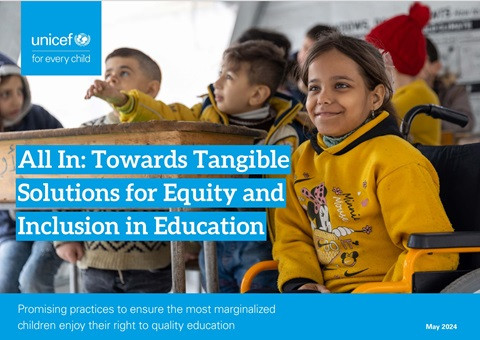 All In: Towards Tangible Solutions for Equity and Inclusion in Education Year of publication: 2024 Corporate author: United Nations Children's Fund (UNICEF) All In: Towards Tangible Solutions for Equity and Inclusion in Education showcases promising practices that were successfully implemented to ensure that inclusive education really does include all children, so that the most marginalized learners – including children with disabilities, children who are out of school, children living in poverty, marginalized girls, and refugee children – have access to quality education. While many of the promising practices were initiated in response to the COVID-19 crisis, or draw upon the pandemic experience, they go beyond the immediate focus of pre- or post-COVID-19 education systems to an overall view of child well-being and the need to focus on skills for the 21st century. Many of these practices have the potential to be applied more widely within education systems and can be adapted and replicated by stakeholders in any context where innovative and inclusive approaches are needed to protect and promote children’s right to education. Ingenuity, flexibility and a commitment to true inclusion and forward-looking policies are the common thread of promising practices in this document. This publication is a complementary resource to the 2021 report: Reimagining Girls’ Education: Solutions to Keep Girls Learning in Emergencies.
  الأطفال غير المصحوبين بذويهم أو المنفصلين عنهم في منطقة الشرق الأوسط Year of publication: 2024 Author: Pierre Cazenave Corporate author: International Centre for Migration Policy Development (ICMPD) | European Union (EU) قد صمم هذا العمل لتسليط الضوء على الديناميات السابقة والحالية التي تؤثر على الهجرة الدولية (من المنطقة وداخلها)، وجمع وجهات النظر وتحليل سرد الأطفال غير المصحوبين بذويهم أو المنفصلين عنهم في محاولة لفهم الأسباب التي تدعم تنقل والأطفال غير المصحوبين بذويهم أو المنفصلين عنهم من المنطقة وداخلها، وذلك أي ًضا بهدف تقديم توصيات بشأن كيفية توفير احتياجاتهم المحددة على نحو أفضل في سياقات مختلفة. ركزت الدراسة بشكل خاص على ٣ بلدان مختارة في منطقة الشرق الأوسط وشمال إفريقيا (المغرب والأردن ولبنان) بينما تم استخدام المعلومات والبيانات القيمة التي تم جمعها في بلدين من بلدان الاتحاد الأوروبي (الاتحاد الأوروبي)، وهما اليونان وإسبانيا. Unaccompanied and Separated Children in the Mediterranean Region Year of publication: 2024 Author: Pierre Cazenave Corporate author: International Centre for Migration Policy Development (ICMPD) | European Union (EU) This work was designed to shed light on past and current dynamics that influence international migration (from and within the region), gather the perspectives and analyse the narratives of Unaccompanied and Separated Children (UASC) in an attempt to understand the reasons that underpin the mobility of unaccompanied and separated children from and within the region, also with a view to provide recommendations on how to better provide for their specific needs in different contexts. The study placed a special emphasis on 3 selected countries in the MENA region (Morocco, Jordan and Lebanon) while valuable information and data gathered in 2 European Union (EU) countries, Greece and Spain, were also used. Les enfants non accompagnés et séparés dans la région méditerranéenne Year of publication: 2024 Author: Pierre Cazenave Corporate author: International Centre for Migration Policy Development (ICMPD) | European Union (EU) La présente étude a été menée dans le cadre du programme EUROMED Migration V, qui est financé par l'Union européenne (UE) et mis en œuvre par le Centre international pour le développement des politiques migratoires (ICMDP). Il aide les Pays membres de l’Union européenne et les Pays partenaires du sud (PPS) à mettre en place un cadre de dialogue et de coopération global, constructif et opérationnel, portant en particulier sur le renforcement des instruments et des capacités pour développer et mettre en œuvre des politiques de migration fondées sur des données factuelles. EMM5 s’appuie sur les résultats de ses quatre premières phases (2004-2020) et développe ses activités autour de la facilitation d’un dialogue et d’une coopération régionale Sud-Nord et Sud-Sud efficaces dans les domaines thématiques identifiés dans le nouvel agenda pour la Méditerranée sur les migrations et la mobilité et le Nouveau pacte sur les migrations et l'asile. Il s'agit notamment de la gouvernance en matière de migration et d'asile, des opportunités socio-économiques pour les migrants et les communautés d'accueil, du retour et de la réintégration, de la migration légale et de la mobilité.