
Resources
Explore a wide range of valuable resources on GCED to deepen your understanding and enhance your research, advocacy, teaching, and learning.
2,275 Results found
 الإبادة الجماعية: مفهومها، وجذورها وتطورها وأين حدثت؟ Year of publication: 2017 Author: Martin Shaw Corporate author: Obeikan Publishing كتاب مترجم للعربية للكاتب مارتن شو، يتحدث فيها عن الابادة وجذورها وأين حدثت. يعتبر الكتاب مرجعا أصيلا في قضايا الابادة.مصطلح "الإبادة الجماعية" لم يكن موجودًا قبل عام 1944. هذا المصطلح له مدلول خاص جدًا، حيث أنه يشير إلى جرائم القتل الجماعي المرتكبة بحق مجموعات معينة من البشر بقصد تدمير وجودهم كلياً. بينما حقوق الإنسان، كما هو مبين في قوانين الحريات في الولايات المتحدة الأمريكية أو في إعلان الأمم المتحدة العالمي لحقوق الإنسان الصادر في عام 1948، هو مفهوم يتعلق بحقوق الأفراد.
  Call Me When He Tries to Kill You: State Response to Domestic Violence in Kyrgyzstan Year of publication: 2015 Corporate author: Human Rights Watch This report documents the government of Kyrgyzstan’s failure to provide survivors of domestic violence with adequate services, protection, and legal remedies. It is based on Human Rights Watch research conducted in November and December 2014 in three cities in Kyrgyzstan: Bishkek and Naryn in the north and Osh in the south. Additional meetings and interviews were conducted in Bishkek in May 2015. The report also contains a number of recommendations to the government of Kyrgyzstan. Вызывайте, когда будет убивать: Реагирование государства на семейное насилие в Кыргызстане Year of publication: 2015 Corporate author: Human Rights Watch В этом докладе документировано необеспечение правительством Кыргызстана надлежащих услуг, защиты и средств правовой защиты пережившим семейное насилие. Доклад основан на материалах исследований, проводившихся Хьюман Райтс Вотч в ноябре – декабре 2014 г. в трех городах: Бишкеке и Нарыне на севере и Оше на юге страны. Дополнительные встречи и интервью проводились в Бишкеке в мае 2015 г. Отчет также содержит ряд рекомендаций правительству Кыргызстана.
  Global Education for Teachers: MOOC Year of publication: 2020 Author: Nicole Blum | Frances Hunt Corporate author: University College London (UCL) The Global Education for Teachers MOOC (Massive Online Open Course) is a three-week course for teachers (3 hours per week) around the world hosted by FutureLearn. The course has been designed specifically for teachers as an introduction to global education and related terms such as global learning / global citizenship education. It will engage teachers with key issues and debates in global education, support collaboration between teachers around the world and provide practical support on how to introduce global issues into teaching. It is intended to develop teachers’ confidence, knowledge and skills to include global education in teaching and in so doing, better prepare students to take on the global challenges they will face now and in the future.
  생애주기별 미디어정보 리터러시 교재: 미디어 역기능 예방 교육 가이드 Year of publication: 2018 Author: 김은규 | 정수진 | 김수정 Corporate author: 시청자미디어재단 본 교재의 목적은 과잉 정보 시대에 온라인, 소셜 미디어 등을 통해 전달되는 허위정보에 대응 하는 시민의 ‘미디어정보 리터러시’ 함양에 있다. 교재는 기본적으로 미디어정보의 의미와 활용, 미디어정보의 영향력, 좋은 정보와 거짓 정보의 구별, 허위정보의 유해성 등의 내용이 차시별로 제시되도록 구성했으며, 학교 중심의 미디어교육에서 벗어나 어린이, 청소년, 학부모, 성인, 실버세대의 다섯영역으로 유형화한 것이 특징이다. 또한, 이론식 수업이 아니라 실습 활동이 되도록 체험활동, 토론 등 다양한 수업 방식을 제시함으로써 각 개인이 수업 내용을 쉽게 체득할 수 있도록 했다.
  Reviews of National Policies for Education: Kazakhstan, Kyrgyz Republic and Tajikistan 2009; Students With Special Needs and Disabilities Year of publication: 2009 Corporate author: Organisation for Economic Co-operation and Development (OECD) This OECD publication provides an overview of current education policies for children with special educational needs and disabilities in Kazakhstan, the Kyrgyz Republic and Tajikistan. Provides an idea of the socio-historical context, education systems and the corresponding legislation, critically analyzes the adopted views on access to education for the most vulnerable group of children in these countries. Particular attention is paid to political measures, aimed at ensuring inclusive education, procedures identification and assessment, overall coordination of educational service delivery, integration into the general education system, as well as best practices and the role of NGOs and community donors. Oбзор национальной политики в области образования: Казахстан, Кыргызская Pеспублика и Таджикистан 2009; Учащиеся с особыми потребностями и ограниченными возможностями Year of publication: 2009 Corporate author: Organisation for Economic Co-operation and Development (OECD) В данной публикации ОЭСР предлагается обзор текущей образовательной политики в отношении детей с с особыми образовательными потребностями и ограниченными возможностями в Казахстане, Кыргызской Республике и Таджикистане. Дается представление о социальноисторическом контексте, системах образования и соответствующего законодательства, критически анализируются принятые взгляды на доступ к образованию для самой уязвимой группы детского населения в данных странах. Особое внимание уделяется политическим мерам, направленным на обеспечения инклюзивности образования, процедурам идентификации и оценки, общей координации предоставления образовательных услуг, интеграции в общеобразовательную систему, а также наиболее успешным практикам и роли НПO и общественных доноров.
 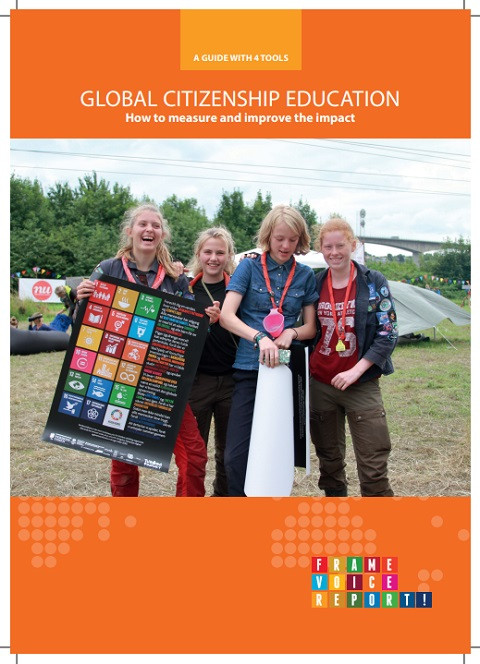 Global Citizenship Education: How to Measure and Improve the Impact Year of publication: 2020 Author: Jan Van Ongevalle Corporate author: Frame Voice Report! Project | Civil Society in Development (CISU) | European Union (EU) This guide presents 4 methods and tools that can help organisations set up an easy-to-use monitoring system for learning about the effects of global citizenship education (GCE) projects. The methods can be used for planning as well as monitoring and evaluating the changes a project has contributed to. At best the methods can keep on strengthening the project in the implementation phase thereby contributing to greater change.
 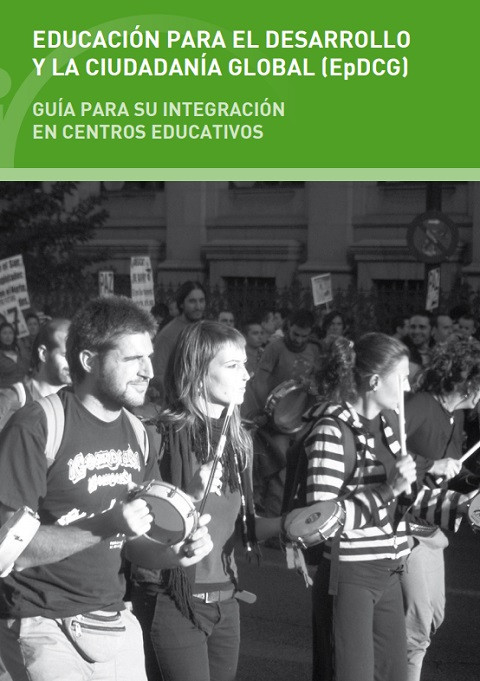 Educación para el Desarrollo y la Ciudadanía Global (EpDCG): Guía para su integración en centros educativos Year of publication: 2016 Corporate author: InteRed | Agencia Española de Cooperación Internacional para el Desarrollo (AECID) InteRed presenta en este documento un marco teórico de referencia para acompañar los procesos y acciones de integración de la Educación para el Desarrollo y la Ciudadanía Global como un enfoque integral en los proyectos educativos de los Centros.
  2019 꿈다락 토요문화학교: 드림 아트랩 4.0; Bunker 465-16 결과자료집 Year of publication: 2020 Corporate author: 한국문화예술교육진흥원 이 문서는 2019 꿈다락 토요문화학교 드림 아트랩 4.0 프로그램 관련, 토탈미술관에서 진행한 Bunker465-16 프로그램 결과자료집이다.융복합 프로그램에 있어서 기술을 소비하는 관점이 아닌, 왜 그러한 기술을 사용해야 하는지에 대한 이해를 바탕으로 교육 과정을 설계하였다. 전체적인 프로그램에 예술적인 맥락을 끌여들여 미래친구, 식물친구, 소리친구를 설정, 각각의 주제와 매체(AR마커, AI, 식물키트제작, 악기제작 등)를 연결시켰고, 각 과정별 다양한 아티스트와의 협업을 만들어냈다.본 자료집에는 프로그램 개발과정에서부터 실제 운영 내용(커리큘럼 등) 이후 보완 필요사항 등에 대한 관찰일지가 자세히 기록되어 있다.