
Resources
Explore a wide range of valuable resources on GCED to deepen your understanding and enhance your research, advocacy, teaching, and learning.
2,279 Results found
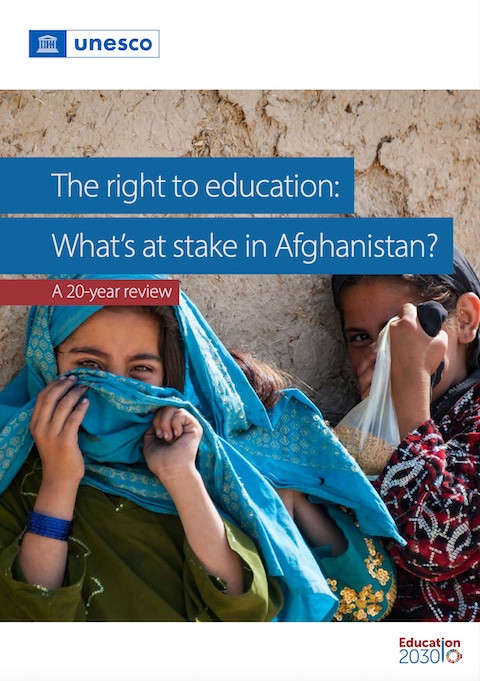 The Right to Education: What’s at Stake in Afghanistan?; A 20-Year Review Year of publication: 2021 Corporate author: UNESCO This report takes stock of the achievements in education made by Afghanistan over the past 20 years and sets out immediate action to safeguard the right to education for all learners following deep political change in the country in 2021.Although Afghanistan lags far behind countries across South and West Asia on most development indicators, it has made impressive progress in education over two decades. Enrolment has increased ten-fold, with substantial gains for girls and female literacy. Female teachers have been hired. Steady efforts have been made to expand the school network across the country.The country has ratified key international normative instruments relating to the right to education; enshrined this right in the Constitution and adopted a wide range of policy measures to increase access, improve education quality and reduce gender, socio- economic and rural/urban disparities.But the challenges remain colossal, with half the primary school-aged children not enrolled in school and very low learning outcomes. The country is highly dependent on external aid to sustain its education system. It needs to uphold state obligations on the right to education without any discrimination and continue removing barriers that impede progress towards the Sustainable Development Goal on education to build the country’s future.
 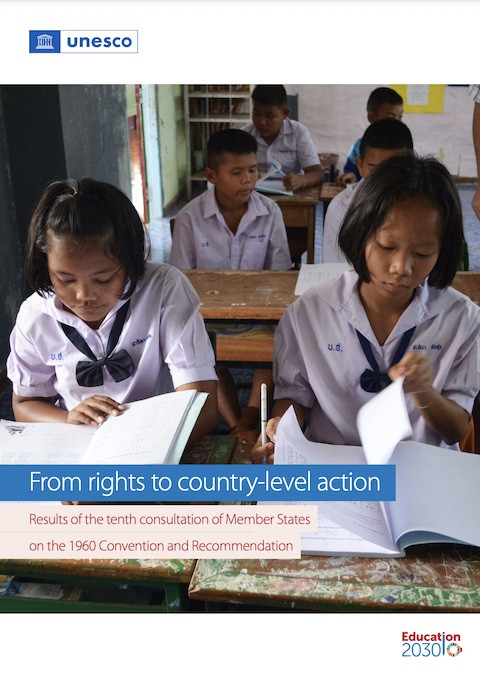 From Rights to Country-Level Action: Results of the Tenth Consultation of Member States on the 1960 Convention and Recommendation Year of publication: 2022 Author: Rolla Moumné | Sharlene Bianchi Corporate author: UNESCO The year 2020 marked a turning point for education worldwide. The impact of the COVID-19 pandemic not only amplified the difficulties and revealed existing weaknesses, but also brought the unpreparedness and lack of resilience of national education systems to the fore.The tenth consultation on the 1960 Convention against Discrimination in Education was conducted in precisely this context.Providing a valuable opportunity for States to take stock of the progress made in implementing Convention and sharing interesting national practices, the Consultation revealed continuous and new challenges the education sector faces. The unique timing of the consultation also created an opportunity to report on actions taken to faceadverse effects of the pandemic. This report analyzes and presents the Consultation findings, draws trends, and provides guidance for action. It shows how, by implementing the provisions of the Consultation, States can accelerate progress towards achieving Sustainable Development Goal 4, while invites a reflection on possibly reviewing the framework of the right to education to further respond to new challenges and put an end to increased inequalities worldwide.
  Policy Review Report: Early Childhood Care and Education in Kazakhstan Year of publication: 2005 Corporate author: UNESCO UNESCO launched a joint UNESCO/OECD Early Childhood Policy Review Project as a component of the 2004-2005 plan. The purpose is to provide selected countries with an opportunity to review their early childhood policies and identify concrete options and strategies for improvement. Four countries were chosen based on their expressed interest - Brazil, Indonesia, Kazakhstan and Kenya. This review was conducted as part of Kazakhstan's participation in the project, which is being implemented in collaboration with the OECD. Отчет по обзору политики: дошкольное воспитание и обучение в Казахстане Year of publication: 2005 Corporate author: Организация Объединенных Наций по вопросам образования, науки и культуры (UNESCO) ЮНЕСКО, в качестве составного компонента плана на 2004-2005 годы, запустило совместный Проект ЮНЕСКО/ОЭСР по обзору политики в области дошкольного воспитания и обучения. Целью является предоставить выбранным странам возможность провести обзор своей политики в области дошкольного воспитания и обучения и определить конкретные варианты и стратегии по его совершенствованию. Четыре страны были выбраны на основе выраженного ими интереса – Бразилия, Индонезия, Казахстан и Кения. Настоящий обзор был проведен в рамках участия Казахстана в проекте, который реализуется в сотрудничестве с ОЭСР.
  ПЕРЕОСМЫСЛИМ НАШЕ БУДУЩЕЕ Year of publication: 2021 Corporate author: International Commission on the Futures of Education | UNESCO Наше человечество, наша планета находятся в опасности, пандемия лишь подтвердила нашу хрупкость и взаимозависимость, чтобы изменить ход вещей и переосмыслить наше будущее, необходимы неотложные совместные действия; в этом докладе Международной комиссии по перспективам образования подтверждается способность образования к осуществлению коренных изменений. Перед нами стоит двойная задача – выполнить невыполненное обещание обеспечить право на качественное образование для каждого ребёнка, молодого человека и взрослого и полностью реализовать преобразующий потенциал образования, способного проложить путь к устойчивому коллективному будущему. Для этого нам нужен новый общественный договор в области образования, который сможет устранять проявления несправедливости, преобразуя будущее.Этот новый общественный договор должен основываться на принципах прав человека, недопущения дискриминации, социальной справедливости, уважения жизни, человеческого достоинства и культурного разнообразия. Он должен включать в себя этику заботы о людях, взаимности и солидарности. Он должен укреплять позиции образования как общественного дела и общего блага.Этот доклад, который готовился два года на основе глобального процесса консультаций с участием миллиона человек, предлагает правительствам, учреждениям, организациям и гражданам всего мира разработать новый общественный договор в области образования, который поможет нам построить мирное, справедливое и устойчивое будущее, отвечающее всеобщим интересам.Представленные здесь концепции, принципы и предложения являются лишь отправной точкой. Их воплощение в практику в конкретных условиях – это коллективная работа. Уже есть много положительных моментов, и в настоящем докладе предпринята попытка их отразить и развить. Это не инструкция и не план, а начало жизненно важного разговора.
  لتوصية الخاصة بأخلاقيات الذكاء الاصطناعي Year of publication: 2022 Corporate author: منظمة الأمم المتحدة للتربية والعلم والثقافة (UNESCO) تتناول هذه التوصية ما يندرج في نطاق مهمة اليونسكو من القضايا األخالقية المتعلقة بمجال الذكاء االصطناعي. ً ً معياريا وتبحث التوصية أخالقيات الذكاء االصطناعي بحثا ً يقوم على إطار كلي شامل ومتعدد الثقافات ومتغير منهجيا ِلقيم ومبادئ وإجراءات مترابطة يمكن أن ترشد المجتمعات فيما يخص التصدي بطريقة مسؤولة للعواقب المعروفة وغير المعروفة لوسائل تكنولوجيا الذكاء االصطناعي على البشر والمجتمعات البشرية، وكذلك على البيئة والنُظم اإليكولوجية؛ وترسي التوصية بالتالي األسس الالزمة التي يستطيع البشر االستناد إليها للحكم على وسائل تكنولوجيا الذكاء االصطناعي وقبولها أو رفضها. وتعتبر ً مرنة للتقييم المعياري والتوجيه ُسسا التوصية األخالقيات أ المعياري لوسائل تكنولوجيا الذكاء االصطناعي، وتستند إلى وجوب صون كرامة اإلنسان ووجوب ضمان السالمة والرفاهية ووجوب درء الضرر باعتبارها البوصلة التي يجب االسترشاد بها، وباعتبارها مبادئ راسخة في أخالقيات العلوم والتكنولوجيا.
 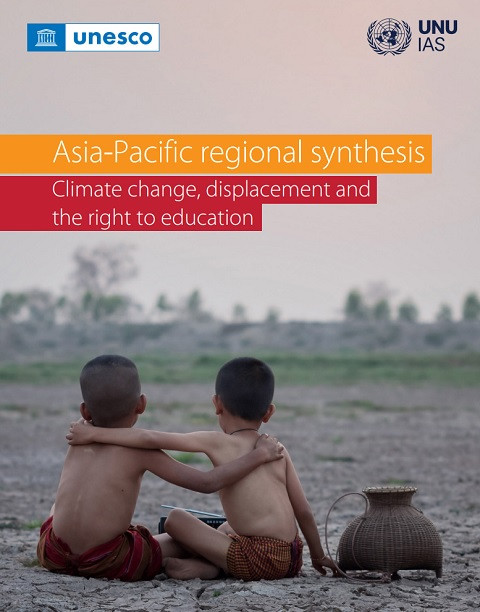 Asia-Pacific Regional Synthesis: Climate Change, Displacement and the Right to Education Year of publication: 2023 Corporate author: UNESCO | United Nations University Institute for the Advanced Study of Sustainability (UNU-IAS) | UNESCO Bangkok In 2020, 30.7 million people were displaced by natural disasters – disasters which the scientific community acknowledges are more frequent and more intense as a result of climate change. In Asia and the Pacific alone, 21.3 million people were displaced, making it the region the most impacted by national disasters and climate change in the world. Therefore, country case studies were carried out in Bangladesh, India, Indonesia, Tuvalu, and Viet Nam to examine not only specific vulnerabilities to climate change and related mobility, but also the impacts of climate change on the right to education in Asia and the Pacific. These case studies show that climate change directly threatens education – through the destruction of schools and property – but also indirectly puts education in peril by forcing people to cross borders, ensuring neither legal residency nor the right to education. This regional synthesis report aims to guide policy-makers through providing operational policy recommendations on how to ensure education is protected in Asia and the Pacific in the face of climate change and displacement from a human rights-based approach. The report is one of four being developed and will contribute to the global initiative on climate change and displacement and the right to education – launched by UNESCO in 2020 – by informing the development of a Global Report with global policyrecommendations.How climate change impacts the right to education in Asia and the Pacific21.3million displacementstook place in Asia and the Pacific
 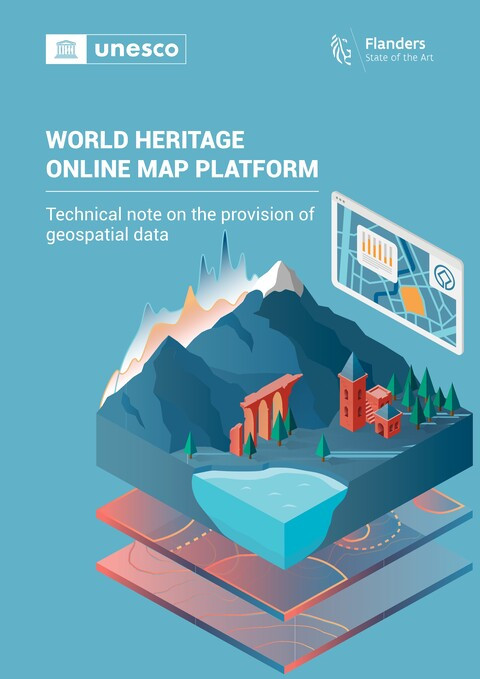 World Heritage Online Map Platform: Technical Note on the Provision of Geospatial Data Year of publication: 2023 Corporate author: UNESCO UNESCO’s World Heritage Online Map Platform (WHOMP) is a Geographic Information System (GIS) developed with the support of the Government of Flanders (Belgium), aiming at the creation of a comprehensive and accessible geodatabase for World Heritage properties worldwide. This platform is hosted and managed by UNESCO which ensures that the data presented correspond exactly to the boundaries of the World Heritage properties and their buffer zones as inscribed in the World Heritage List, including any changes adopted by the World Heritage Committee after the initial inscription of a property. Plateforme de cartes en ligne du patrimoine mondial: Note technique sur la mise à disposition de données géospatiales Year of publication: 2023 Corporate author: Organisation des Nations Unies pour l'éducation, la science et la culture (UNESCO) La Plateforme de cartes en ligne du patrimoine mondial de l’UNESCO est un système d’information géographique (SIG) développé avec le soutien du Gouvernement flamand (Belgique) visant à créer une base de données géospatiales complète et accessible pour les biens du patrimoine mondial du monde entier. Cette plateforme est hébergée et gérée par le Centre du patrimoine mondial de l’UNESCO, qui veille à ce que les données présentées correspondent exactement aux limites des biens du patrimoine mondial et de leurs zones tampons, telles qu’inscrites dans la Liste du patrimoine mondial, en tenant compte de toute éventuelle modification adoptée par le Comité du patrimoine mondial après l’inscription initiale du bien.
 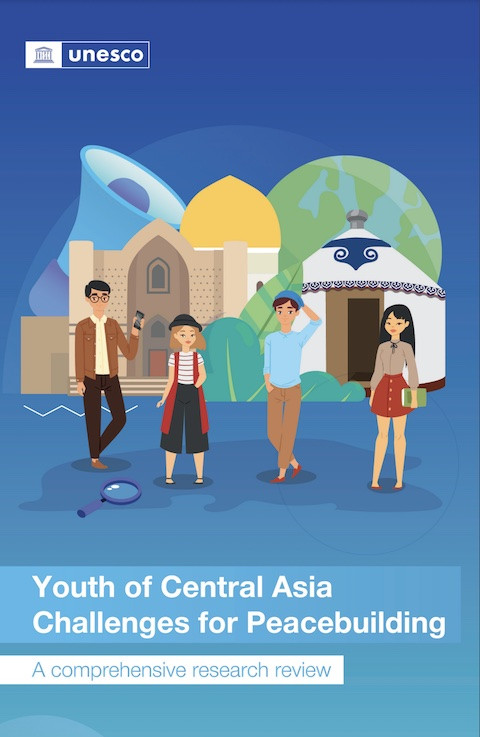 Youth of Central Asia, Challenges for Peacebuilding: A Comprehensive Research Review Year of publication: 2021 Author: Laura Yerekesheva Corporate author: UNESCO The estimations are that by 2030, the world will be home to 1.3 billion young people. This speaks about the importance of the youth for development in various parts of the globe, particularly in developing countries which constitute 90% of the global youth population. From comprehensive holistic perspective peace, peacebuilding and dialogue embrace all aspects and dimensions of life – inter-generational, social, economic, political, ethnic, religious, civic, ideological, cultural, and natural. The youth related issues are directly linked with the SDGs agenda. Central Asian states are also on the list of developing countries, with an increasing demographic share of the youth in the general population, meaning that the countries of the region are “young.” As of 2020, the total population of the four countries of Central Asia (Kazakhstan, Kyrgyzstan, Tajikistan and Uzbekistan) was 68.46 million, of which youth comprised 16.55 million or 24,1%. What Challenges for Peacebuilding the Youth of Central Asia Face? This highlights the urgency required for elaborating and implementing special policies on youth development. For Central Asia, the peace and peacebuilding agenda is the development agenda, and vice versa, as neither is possible without the other, and these in turn are intrinsically linked with youth-related issues. This report provides a detailed overview of the existing challenges to the youth of the 4 countries of the region – Kazakhstan, Kyrgyzstan Tajikistan, Uzbekistan – structured around three main themes of peacebuilding: (1) an education and learning environment; (2) economic and social participation; and (3) civic engagement. Governments, international organizations, professionals and policymakers in the youth, peacebuilding and development sectors, academia and NGOs are invited to join forces to accelerate the achievement of youth development for a more just, sustainable and peaceful future.