
Resources
Explore a wide range of valuable resources on GCED to deepen your understanding and enhance your research, advocacy, teaching, and learning.
2,275 Results found
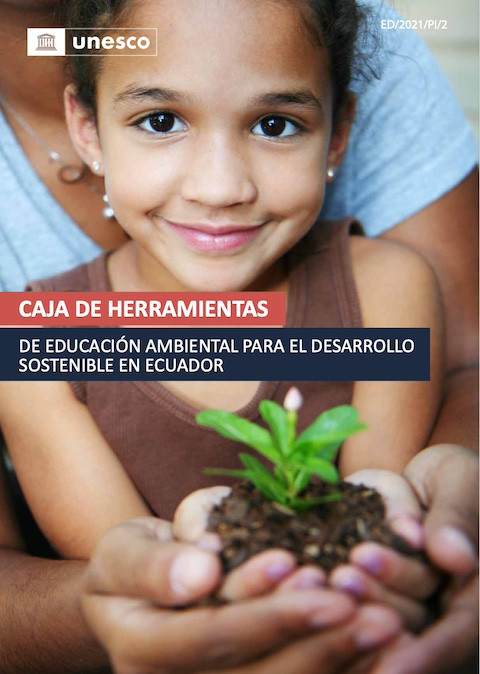 Caja de herramientas de educación ambiental para el desarrollo sostenible en Ecuador Year of publication: 2021 Author: Queenny López Alvarado | Sandy Paulette López Corporate author: Organización de las Naciones Unidas para la Educación, la Ciencia y la Cultura (UNESCO) El presente documento tiene como base conceptual los principios de la Educación para la Sostenibilidad formulados por organismos internacionales y los principios de Educación Ambiental contemplados en documentos nacionales. La Caja de herramientas de EADS en Ecuador es un instrumento complementario al amplio material que han desa- rrollado distintas instituciones; es, como su nombre lo indica, una guía de herramientas pedagógicas que busca incorporar los principios de conservación ambiental a todos los niveles de educación básica. Su elaboración se realizó a través de un proceso participativo de diálogo con varias instituciones y organizaciones del sector público y privado, la sociedad civil y organismos de cooperación.Este documento enfatiza temáticas sobre cambio climático, economía circular y estilos de vida sostenibles, que pueden ser trabajadas por niños, niñas y adolescentes entre tres y catorce años, mediante la aplicación de activi- dades que despierten y guíen su proceso de concienciación y sensibilización ambiental, no solo como parte del currículo académico, sino como una nueva forma de transformar su realidad, al convertirse en protagonistas de la nueva generación que protege y trabaja por el bien del planeta y de quienes lo habitamos.
  Caribbean Sheroes Initiative: Civil Society Organizations Advancing Gender Equality; Methods & Tools Year of publication: 2021 Author: Joan Andrea Hutchinson Corporate author: Institute for Gender and Development Studies (IGDS) | UNESCO This Toolkit recognizes the achievements and commitment of women activists that engage in Civil Society Organizations (CSOs). It documents the practice and lessons learned of twelve Jamaican Civil Society Organizations that have worked relentlessly to advance women’s rights and social justice, fostering a less violent society and more equal gender relations grounded on human rights.
 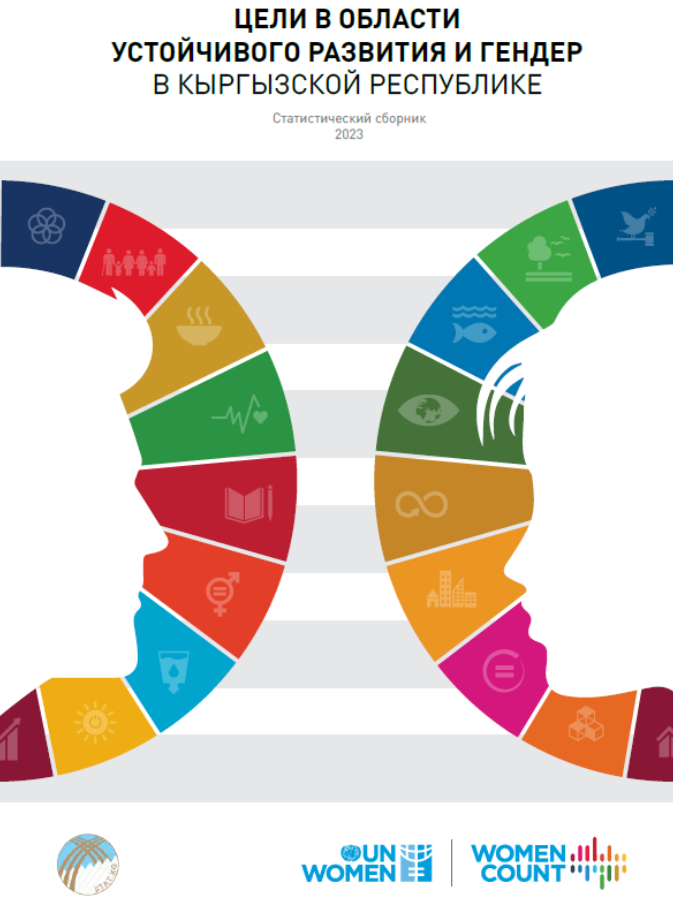 "Sustainable Development Goals and Gender in Kyrgyzstan" New Statistical Publication Year of publication: 2023 Corporate author: National Statistical Committee of the Kyrgyz Republic | United Nations Entity for Gender Equality and the Empowerment of Women (UN Women) This publication is intended to inform the public and government officials about the current status and progress towards achieving sustainable development in Kyrgyzstan, promote informed policy and management decisions, and help identify further priority steps to achieve the SDGs and women’s empowerment. Статистический сборник "Цели в области устойчивого развития и гендер в Кыргызской Республике" Year of publication: 2023 Corporate author: National Statistical Committee of the Kyrgyz Republic | United Nations Entity for Gender Equality and the Empowerment of Women (UN Women) Целью настоящего издания является информирование общественности и работников государственного управления о текущем состоянии и прогрессе в достижении устойчивого развития в Кыргызской Республике, а также для принятия обоснованных политических и управленческих решений и содействия в определении дальнейших приоритетных шагов для достижения успеха в реализации ЦУР и расширения прав и возможностей женщин.
 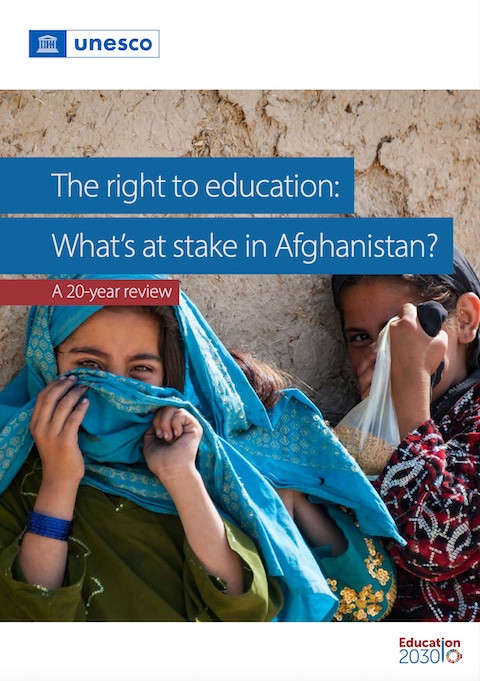 The Right to Education: What’s at Stake in Afghanistan?; A 20-Year Review Year of publication: 2021 Corporate author: UNESCO This report takes stock of the achievements in education made by Afghanistan over the past 20 years and sets out immediate action to safeguard the right to education for all learners following deep political change in the country in 2021.Although Afghanistan lags far behind countries across South and West Asia on most development indicators, it has made impressive progress in education over two decades. Enrolment has increased ten-fold, with substantial gains for girls and female literacy. Female teachers have been hired. Steady efforts have been made to expand the school network across the country.The country has ratified key international normative instruments relating to the right to education; enshrined this right in the Constitution and adopted a wide range of policy measures to increase access, improve education quality and reduce gender, socio- economic and rural/urban disparities.But the challenges remain colossal, with half the primary school-aged children not enrolled in school and very low learning outcomes. The country is highly dependent on external aid to sustain its education system. It needs to uphold state obligations on the right to education without any discrimination and continue removing barriers that impede progress towards the Sustainable Development Goal on education to build the country’s future.
 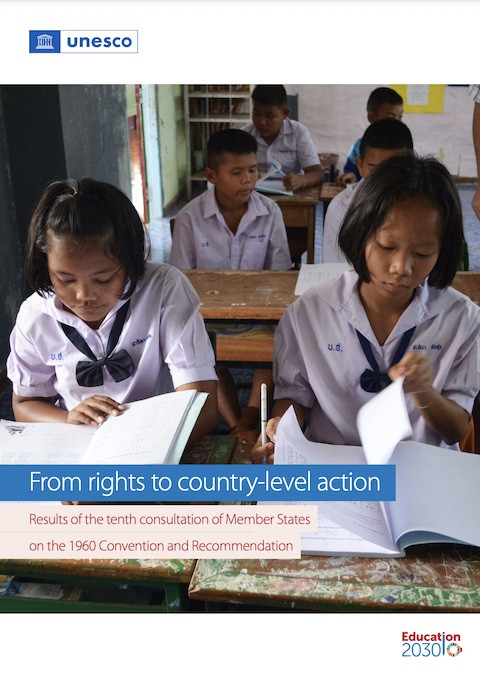 From Rights to Country-Level Action: Results of the Tenth Consultation of Member States on the 1960 Convention and Recommendation Year of publication: 2022 Author: Rolla Moumné | Sharlene Bianchi Corporate author: UNESCO The year 2020 marked a turning point for education worldwide. The impact of the COVID-19 pandemic not only amplified the difficulties and revealed existing weaknesses, but also brought the unpreparedness and lack of resilience of national education systems to the fore.The tenth consultation on the 1960 Convention against Discrimination in Education was conducted in precisely this context.Providing a valuable opportunity for States to take stock of the progress made in implementing Convention and sharing interesting national practices, the Consultation revealed continuous and new challenges the education sector faces. The unique timing of the consultation also created an opportunity to report on actions taken to faceadverse effects of the pandemic. This report analyzes and presents the Consultation findings, draws trends, and provides guidance for action. It shows how, by implementing the provisions of the Consultation, States can accelerate progress towards achieving Sustainable Development Goal 4, while invites a reflection on possibly reviewing the framework of the right to education to further respond to new challenges and put an end to increased inequalities worldwide.
  Policy Review Report: Early Childhood Care and Education in Kazakhstan Year of publication: 2005 Corporate author: UNESCO UNESCO launched a joint UNESCO/OECD Early Childhood Policy Review Project as a component of the 2004-2005 plan. The purpose is to provide selected countries with an opportunity to review their early childhood policies and identify concrete options and strategies for improvement. Four countries were chosen based on their expressed interest - Brazil, Indonesia, Kazakhstan and Kenya. This review was conducted as part of Kazakhstan's participation in the project, which is being implemented in collaboration with the OECD. Отчет по обзору политики: дошкольное воспитание и обучение в Казахстане Year of publication: 2005 Corporate author: Организация Объединенных Наций по вопросам образования, науки и культуры (UNESCO) ЮНЕСКО, в качестве составного компонента плана на 2004-2005 годы, запустило совместный Проект ЮНЕСКО/ОЭСР по обзору политики в области дошкольного воспитания и обучения. Целью является предоставить выбранным странам возможность провести обзор своей политики в области дошкольного воспитания и обучения и определить конкретные варианты и стратегии по его совершенствованию. Четыре страны были выбраны на основе выраженного ими интереса – Бразилия, Индонезия, Казахстан и Кения. Настоящий обзор был проведен в рамках участия Казахстана в проекте, который реализуется в сотрудничестве с ОЭСР.
  How Can People With Disabilities Find Employment in Uzbekistan? Year of publication: 2023 Author: Abror Kurbanmuratov As in most other Central Asian countries, it is difficult for people with disabilities in Uzbekistan to survive. In addition to problems with health and social adaptation, it is difficult for them to find employment and feel themselves needed by society. Despite the adopted state laws and support programs, most cities and districts lack mechanisms for their implementation, as well as adapted infrastructure, accessible environment and employment system. Как трудоустроиться людям с инвалидностью в Узбекистане? Year of publication: 2023 Author: Abror Kurbanmuratov Как и в большинстве других стран Центральной Азии, людям с инвалидностью в Узбекистане выживать сложно. Помимо проблем со здоровьем, социальной адаптацией, им трудно трудоустроиться, почувствовать себя нужными обществу гражданами. Несмотря на принятые государственные законы и программы поддержки, в большинстве городов и районов отсутствуют механизмы их реализации, как и адаптированная инфраструктура, доступная среда и система трудоустройства.