
Resources
Explore a wide range of valuable resources on GCED to deepen your understanding and enhance your research, advocacy, teaching, and learning.
2,255 Results found
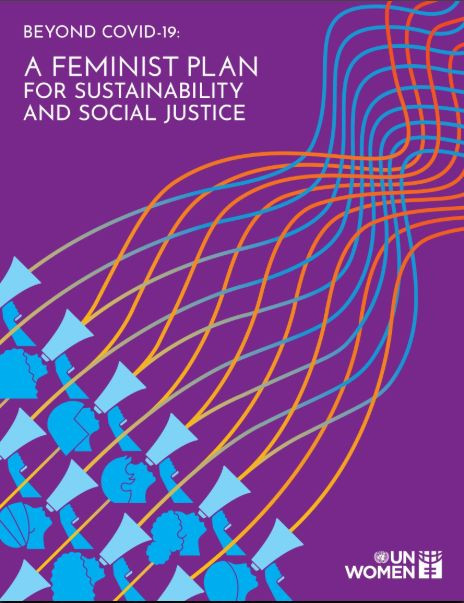 Más allá del COVID-19: un plan feminista para la sostenibilidad y la justicia social Year of publication: 2021 Corporate author: United Nations Entity for Gender Equality and the Empowerment of Women (UN Women) En un momento en que el mundo está aprendiendo a vivir con el COVID-19, y busca emerger de la crisis actual y “construir mejor”, el nuevo “Plan feminista” de ONU Mujeres ofrece una hoja de ruta visionaria y práctica para poner la igualdad de género, la justicia social y la sostenibilidad en el centro de la recuperación. En el “Plan feminista” se hace un recuento de las políticas ambiciosas y transformadoras en torno a los medios de vida, los cuidados y el medio ambiente que se necesitan para construir un futuro más igualitario y sostenible. Para llegar ahí, el documento hace un llamado a que se avance en políticas específicas para distintos contextos, estrategias políticas adaptadas y un financiamiento adecuado. Asimismo, se identifican los instrumentos clave que pueden generar el cambio y a los actores que necesitan entrar en acción a los niveles global, nacional y local para poder avanzar hacia esta aspiración.
  Women’s Education: Promoting Development, Countering Radicalism Year of publication: 2014 Author: Hedieh Mirahmadi Corporate author: World Organization for Resource Development and Education (WORDE) Increasing access to quality secular education can create better jobs for women and reduce some of the economic drivers of radicalization. Educated women can in turn play a pivotal role in inoculating their children and communities against the radical narratives used to recruit followers. Women’s Education: Promoting Development, Countering Radicalism Year of publication: 2014 Author: Hedieh Mirahmadi Corporate author: World Organization for Resource Development and Education (WORDE) Améliorer l'accès à une éducation laïque de qualité peut contribuer à la création de meilleurs emplois pour les femmes et réduire certains facteurs économiques de la radicalisation. Les femmes éduquées peuvent à leur tour jouer un rôle essentiel en protégeant leurs enfants et les communautés contre les récits radicaux utilisés pour recruter des adeptes.
  Défenseur des Droits Year of publication: 2011 Corporate author: Défenseur des Droits Le Défenseur des droits est une autorité constitutionnelle indépendante chargée de veiller au respect des libertés et des droits des citoyens par les administrations et organismes publics. Selon l'article 71-1 de la Constitution, le Défenseur des droits "veille au respect des droits et libertés par les administrations de l'État, les collectivités territoriales, les établissements publics, ainsi que par tout organisme investi d'une mission de service public, ou à l'égard duquel la loi organique lui attribue des compétences". Ce site permet aux habitant de France de connaître leurs droits, demander de l'aide à la défenseur des droits et recense les évènements en lien avec les droits en France et des ressources pour connaître ses droits (produits par la défenseur des droits). The Defender of Rights is an independent constitutional authority responsible for ensuring that citizens' rights and freedoms are respected by public administrations and bodies. According to article 71-1 of the French Constitution, the Défenseur des droits "ensures that rights and freedoms are respected by the administrations, local authorities, public establishments and any body entrusted with a public service mission, or for which the organic law grants it powers". This site enables French residents to find out about their rights, ask for help from the Defender of Rights, and lists events related to rights in France, as well as resources for finding out about your rights (produced the Defender of Rights).
  Commission Canadienne des Droits de la Personne Corporate author: Commission Canadienne des Droits de la Personne La Commission canadienne des droits de la personne est l'organisme de surveillance des droits de la personne à l'échelon fédéral. La Commission est indépendante du gouvernement et agit dans l'intérêt public. Elle contribue à ce que chaque personne au Canada soit traitée équitablement, peu importe son identité. Elle est responsable de représenter l'intérêt public et de demander des comptes au gouvernement du Canada quant aux enjeux de droits de la personne. Sur cette page, vous trouverez des ressources pour mettre en place une politique inclusive dans vos secteurs de travail notamment sur la prévention du racisme, de l'intolérance religieuse et des droits aux travailleurs en situation de handicap The Canadian Human Rights Commission is Canada's human rights watchdog. We work for the people of Canada and operate independently from the Government. The Commission helps ensure that everyone in Canada is treated fairly, no matter who they are. We are responsible for representing the public interest and holding the Government of Canada to account on matters related to human rights. On this page, you'll find resources to help you implement an inclusive policy in your areas of work, including the prevention of racism, religious intolerance and the rights of workers with disabilities.
  Kiffe Ta Race Year of publication: 2018 Corporate author: Binge Audio Pourquoi le mot « race » est-il tabou ? Qu’en est-il quand on est, à la fois, victime de discriminations raciales et sexuelles ? Comment assumer son identité plurielle ? Un mardi sur deux, Rokhaya Diallo et Grace Ly reçoivent un·e invité·e pour explorer les questions raciales sur le mode de la conversation et du vécu. Why is the word "race" taboo? What happens when you are both a victim of racial and sexual discrimination? How do you come to terms with your plural identity? Every other Tuesday, Rokhaya Diallo and Grace Ly welcome a guest to explore racial issues in a conversational, real-life setting.
  Qui a peur des Juifs ? Antisémitisme, la tentation perpétuelle Year of publication: 2023 Corporate author: Illana Weizman Dans cette série podcast, la sociologue Illana Weizman questionne les expériences juives et l’hostilité subie par cette population en compagnie d’intellectuel-les, d’artistes, de chercheurs-euses, de militant-es ou de politiques rencontré·es des deux côtés de la frontière franco-suisse.Où en est la lutte contre l’antisémitisme aujourd’hui? Quand les courants antiracistes prônent l’écoute des concernés, n’est-il pas temps de l’appliquer pleinement aux Juifs? In this podcast series, sociologist Illana Weizman discusses the Jewish experience and the hostility suffered by this population in the company of intellectuals, artists, researchers, activists and politicians from both sides of the Franco-Swiss border. When anti-racist currents advocate listening to those concerned, isn't it time to apply this fully to Jews?
  Equipping To Deal With Intolerant Speech: Racism, Antisemitism, Sexism, Discriminations Year of publication: 2023 Corporate author: Citoyenneté Possible In this report, NGO Citoyenneté Possible shares 18 years' experience in the field of anti-discrimination and dialogue. It provides both hands-on experience, with testimonials and tools, and in-depth reflection, analysis and sharing of experiences, practices and visions. It's possible to dare to engage in constructive dialogue on divisive issues, provided you have the intention to do so, and above all, the skills to do so. This report offers very concrete and detailed recommendations for professionals working with young people (teachers, educators, associations, etc.). S'outiller face à la parole intolérante: Racisme, antisémitisme, sexisme, discriminations Year of publication: 2023 Corporate author: Citoyenneté Possible L’association Citoyenneté Possible partage dans ce rapport 18 ans d’expérience de terrain dans la lutte contre les discriminations et pour le dialogue. Il livre à la fois une expérience de terrain, avec des témoignages, des outils, et une réflexion de fond, des analyses et points de partage d’expériences, de pratiques et de vision. Ne pas laisser passer, oser dialoguer sur des sujets clivants de manière constructive est possible, certes à condition d’en avoir l’intention, mais surtout d’en avoir acquis les compétences. Ce rapport propose des recommandations très concrètes et détaillées, pour les professionnels travaillant auprès d’un public jeune (enseignants, éducateurs, associations…)
 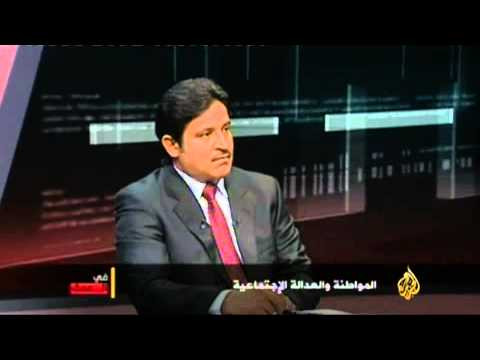 Citizenship and Social Justice Year of publication: 2013 Corporate author: Al Jazeera Channel An episode presented by Al-Jazeera, which reviews citizenship and social justice, taking into account the context of the Arab Spring. The seminar focuses on building the modern state in the light of citizenship and social justice. The broadcaster hosts 3 university professors to talk about the topic. The episode deals with the problems facing the modern state in the Arab world, with a focus on citizenship and social justice.