
Resources
Explore a wide range of valuable resources on GCED to deepen your understanding and enhance your research, advocacy, teaching, and learning.
1,828 Results found
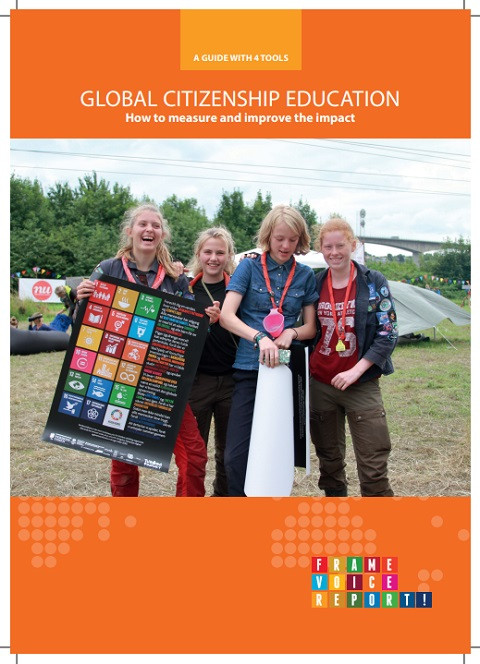 Global Citizenship Education: How to Measure and Improve the Impact Year of publication: 2020 Author: Jan Van Ongevalle Corporate author: Frame Voice Report! Project | Civil Society in Development (CISU) | European Union (EU) This guide presents 4 methods and tools that can help organisations set up an easy-to-use monitoring system for learning about the effects of global citizenship education (GCE) projects. The methods can be used for planning as well as monitoring and evaluating the changes a project has contributed to. At best the methods can keep on strengthening the project in the implementation phase thereby contributing to greater change.
  العنصرية ضد السود في الدول العربية - حلقة خاصة من برنامج بورصة الرأى Year of publication: 2015 Corporate author: Alaraby TV يعرض هذا البرنامج التلفزيوني قضية العنصرية ضد السود في العالم العربي. يقوم البرنامج بمقابلة الناس حول هذه الحالة ومعرفة كيف ينظرون إلى القضية. Racism against Black People in Arab Countries: A Special Episode of the Stock Exchange Programme Year of publication: 2015 Corporate author: Alaraby TV This TV program presents the issue of racism against black people in the Arab world. The program interviews people about this case and see how they look at the issue.
 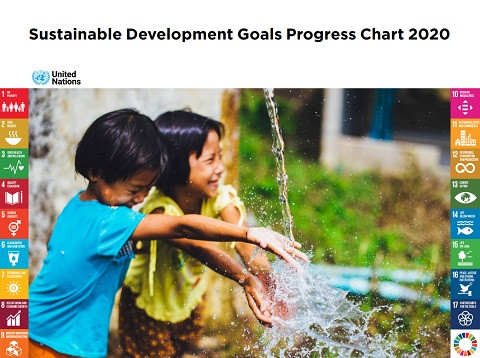 رسم بياني للتقدم املحرز يف تحقيق أهداف التنمية املستدامة لعام 2020 Year of publication: 2020 Corporate author: United Nations (UN) قدم الرسم البياين للتقدم احملرز يف حتقيق أهداف التنمية املستدامة لعام 2020 حملة عما حتقق من تقدم على املستويني العاملي واإلقليمي حبلول هناية عام 2019 .وهو يغطي غايات خمتارة يف إطار األهداف الـ 17 خلطة التنمية املستدامة لعام 2030 .وقد ً إىل إجياد حلول عاجلة من قبل احلكومات الوطنية واحمللية ومنظمات اجملتمع املدين والقطاع اخلاص لتحقيق أهداف التنمية املستدامة حبلول عام 2030 .ويبني الرسم البياين مدى ما أطلق األمني العام لألمم املتحدة، ببداية عام 2020 ،عقد العمل، داعيا ُ ٍ ظهر أن معدل التقدم يف معظم األهداف كان غري كاف، وأن هناك حاجة إىل تسريع كبري. ً. كما ي ً عاجال ُربز اجملاالت اليت تتطلب اهتماما بلغناه من تقدم يف حتقيق التزاماتنا، وي Sustainable Development Goals Progress Chart 2020 Year of publication: 2020 Corporate author: United Nations (UN) The Sustainable Development Goals Progress Chart 2020 presents a snapshot of global and regional progress by the end of 2019. It covers selected targets under the 17 Goals of the 2030 Agenda for Sustainable Development. At the beginning of 2020, the Secretary-General launched the Decade of Action, calling for accelerated solutions by national and local governments, civil society organizations and the private sector to achieve the Sustainable Development Goals by 2030. The progress chart shows how far we have come in realizing our commitments, and which areas require urgent attention. It also shows that, for most Goals, the pace of progress has been insufficient and substantial acceleration is needed. Gráfico de Progreso de los Objetivos de Desarrollo Sostenible 2020 Year of publication: 2020 Corporate author: United Nations (UN) El gráfico de progreso de los Objetivos de Desarrollo Sostenible para 2020 representa una imagen general del progreso a nivel mundial y regional para fines del año 2019. Abarca metas seleccionadas de los 17 objetivos de la Agenda 2030 para el Desarrollo Sostenible. A principios de 2020, el Secretario General de las Naciones Unidas puso en marcha el Decenio de Acción, en el que exhortó a los gobiernos nacionales y locales, las organizaciones de la sociedad civil y el sector privado soluciones aceleradas para poder alcanzar los Objetivos de Desarrollo Sostenible para el año 2030. El gráfico de progreso representa los logros alcanzados en el cumplimiento de nuestros compromisos y las áreas que requieren atención urgente. También muestra que, para la mayoría de los objetivos, el ritmo del progreso ha sido insuficiente y se requiere una aceleración sustancial. Tableau récapitulatif des progrès vers les objectifs de développement durable 2020 Year of publication: 2020 Corporate author: United Nations (UN) Le présent tableau donne un aperçu des progrès mondiaux et régionaux accomplis jusqu’à la fin de 2019 et couvre certaines cibles des 17 objectifs du Programme de développement durable à l’horizon 2030. Début 2020, le Secrétaire général de l’Organisation des Nations Unies a lancé la Décennie d’action, appelant à des solutions accélérées de la part des gouvernements nationaux et locaux, des organisations de la société civile et du secteur privé pour atteindre les objectifs de développement durable d’ici à 2030. Le tableau montre le chemin parcouru pour réaliser les engagements pris ainsi que les domaines nécessitant une attention urgente. Il fait apparaître également que, pour la plupart des objectifs, le rythme des progrès a été insuffisant et qu’une forte accélération est nécessaire.
  Resourcing Youth-led Groups & Movements: A Reflective Playbook for Donors and Youth Organisers Year of publication: 2020 Author: Gioel Gioacchino Corporate author: CIVICUS | Recrear International Are you part of a youth-led social movement and looking for ideas about how to resource your work? Or a donor, philanthropist, or institution championing youth power? If so - this space is for you! Here you will find tools, connections, and new ideas for both youth activists and their allies.This Resourcing Youth-led Groups and Movements playbook resulted from a year of research. We listened to what activists, donors, youth allies and other enabling organisation said about realities, trends and potential solutions for mobilising funding and non-financial resources for young activists, especially in the global south.Read or listen to the stories of Lebo, Amanda, Dumsio, Priscilla, Elena, Christian, and Bonnie, as they share their experiences and challenges sustaining their work, echoed by young leaders across Latin America and Africa. You will find creative exercises you can use, that invite youth and donors to rethink worldviews and principles around resourcing civil society in the 21st century. Obteniendo recursos para grupos y movimientos liderados por jóvenes: Guía de reflexión y prácticas para donantes y organizadores juveniles Year of publication: 2020 Author: Gioel Gioacchino Corporate author: CIVICUS | Recrear International Vous faites partie d'un mouvement social dirigé par des jeunes et vous cherchez des idées sur la façon de financer votre travail ? Ou bien un donateur, un philanthrope ou une institution qui défend le pouvoir des jeunes ? Si c'est le cas, cet espace est fait pour vous ! Vous y trouverez des outils, des liens et de nouvelles idées, tant pour les jeunes militants que pour leurs partenaires.Ce guide sur les ressources des groupes et mouvements de jeunes est le résultat d'une année de recherche. Nous avons écouté ce que des militants, des donateurs, des représentants de la jeunesse et d'autres organisations facilitatrices ont dit sur les réalités, les tendances et les solutions possibles pour mobiliser des fonds et des ressources non financières pour les jeunes militants, en particulier dans le Sud.Lisez les histoires de Lebo, Amanda, Dumiso, Priscilla, Elena, Christian et Bonnie, qui partagent leurs expériences et les défis qu'ils rencontrent dans leur travail, et dont les jeunes leaders d'Amérique latine et d'Afrique se font les porte-parole. Vous trouverez des exercices créatifs que vous pourrez utiliser, qui invitent les jeunes et les donateurs à repenser les visions du monde et les principes relatifs au financement de la société civile au 21ème siècle. L’accès aux ressources pour les groupes et mouvements dirigés par les jeunes: Un guide de réflexion destiné aux donateurs et membres d’organisations de jeunes Year of publication: 2020 Author: Gioel Gioacchino Corporate author: CIVICUS | Recrear International Vous faites partie d'un mouvement social dirigé par des jeunes et vous cherchez des idées sur la façon de financer votre travail ? Ou bien un donateur, un philanthrope ou une institution qui défend le pouvoir des jeunes ? Si c'est le cas, cet espace est fait pour vous ! Vous y trouverez des outils, des liens et de nouvelles idées, tant pour les jeunes militants que pour leurs partenaires.Ce guide sur les ressources des groupes et mouvements de jeunes est le résultat d'une année de recherche. Nous avons écouté ce que des militants, des donateurs, des représentants de la jeunesse et d'autres organisations facilitatrices ont dit sur les réalités, les tendances et les solutions possibles pour mobiliser des fonds et des ressources non financières pour les jeunes militants, en particulier dans le Sud.Lisez les histoires de Lebo, Amanda, Dumiso, Priscilla, Elena, Christian et Bonnie, qui partagent leurs expériences et les défis qu'ils rencontrent dans leur travail, et dont les jeunes leaders d'Amérique latine et d'Afrique se font les porte-parole. Vous trouverez des exercices créatifs que vous pourrez utiliser, qui invitent les jeunes et les donateurs à repenser les visions du monde et les principes relatifs au financement de la société civile au 21ème siècle.