
Resources
Explore a wide range of valuable resources on GCED to deepen your understanding and enhance your research, advocacy, teaching, and learning.
1,828 Results found
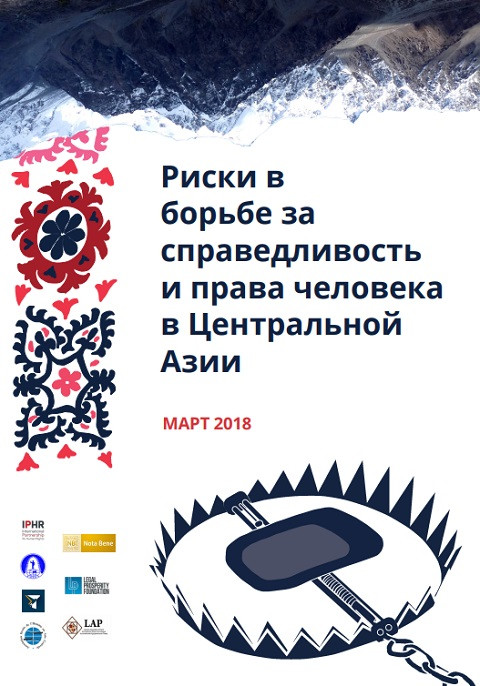 Риски в борьбе за справедливость и права человека в Центральной Азии: Защита гражданского общества в регионе в 2017 году Year of publication: 2018 Corporate author: International Partnership for Human Rights (IPHR) В этом отчете за 2017 год представлен обзор основных тенденций, касающихся гражданского общества в пяти странах Центральной Азии: Казахстане, Кыргызстане, Таджикистане, Туркменистане и Узбекистане. Отчет главным образом основан на результатах мониторинга, проведенного центрально-азиатскими организациями в своих странах и на регулярных отчетах, подготовленных ими совместно с МППЧ в рамках инициативы CIVICUS Monitor, направленной на отслеживание состояния гражданского общества во всем мире.
 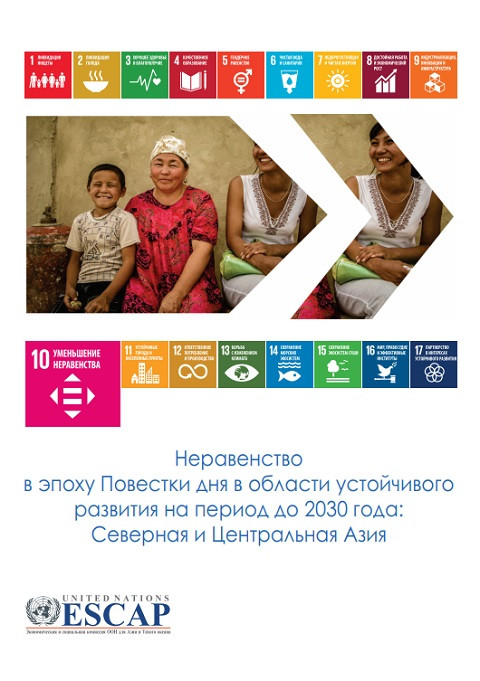 Inequality in the Era of the 2030 Agenda for Sustainable Development: North and Central Asia Year of publication: 2018 Corporate author: UN. Economic and Social Commission for Asia and the Pacific (UN. ESCAP) This study considers issues pertaining to inequality and its causes in North and Central Asia, based on multidimensional indicators that are now available. It reviews where these countries of North and Central Asia stand in terms of reducing both inequality of outcomes and opportunities through cross-country comparisons. Challenges surrounding inequality of opportunities for selected social groups, namely women, young and older people, rural population and migrant workers are examined. Several concerns come to light: (1) Women tend to be both underpaid and underrepresented in decision-making processes, even though they are economically active and educated; (2) Young people are more likely to be unemployed, which could lead to social displacement; (3) Aging population in selected countries could jeopardize current pension systems which currently cover almost all older persons; (4) a rural-urban divide in terms of access as well as quality of public services remain; and (5) working conditions of migrants are precarious. Неравенство в эпоху Повестки дня в области устойчивого развития на период до 2030 года: Северная и Центральная Азия Year of publication: 2018 Corporate author: UN. Economic and Social Commission for Asia and the Pacific (UN. ESCAP) В этом исследовании рассматриваются вопросы, касающиеся неравенства и его причин в Северной и Центральной Азии, на основе многомерных показателей, которые в настоящее время доступны. В нем рассматривается положение этих стран Северной и Центральной Азии с точки зрения сокращения как неравенства результатов, так и возможностей путем межстрановых сравнений. Рассматриваются проблемы, связанные с неравенством возможностей для отдельных социальных групп, а именно женщин, молодежи и пожилых людей, сельского населения и трудящихся-мигрантов. Выявляется ряд проблем: (1) женщины, как правило, недоплачивают и недопредставляются в процессах принятия решений, даже если они экономически активны и образованы; (2) молодые люди чаще становятся безработными, что может привести к социальному перемещению; (3) старение населения в отдельных странах может поставить под угрозу нынешние пенсионные системы, которые в настоящее время охватывают почти все пожилые люди; (4) сохраняется разрыв между городом и селом с точки зрения доступа, а также качества государственных услуг; и (5) условия труда мигрантов нестабильны.
  تخطيط وإنتاج البرامج الاذاعية ودورها في نشر ثقافة السلام Year of publication: 2014 Author: Ibrahim, Salma Ibrahim Corporate author: Sudan University of Science and Technology البحث هو رسالة ماجستير بعنوان : تخطيط وإنتاج البرامج الاذاعية ودورها في نشر ثقافة السلام . دراسة حالة اذاعة امدرمان . حيث يعمل الاعلام الرسمي ممثلاً في الاذاعة القومية السودانية على دعم مسيرة السلام بالصورة المطلوبة بحيث يمكن الاستفادة من مضامين التخطيط البرامجي والاعلام الشعبي لما لها من خصائص كبيرة في دعم ثقافة السلام . المنهج المستخدم في هذه الدراسة هو الوصفي والتاريخي . أهم اهداف الدراسة : 1. دفع ثقافة السلام وتعميقها وتأصيلها عبر اجهزة الاعلام المختلفة والمتمثلة في الاذاعة المسموعة . 2. معرفة الكيفية التي يتم بها التخطيط لبرامج الاذاعة التي تدعم ثقافة السلام . أهم النتائج التي توصل لها الباحث : 1. لم تنجح الاذاعة ومن خلال برامجها المختلفة وتخطيطها للبرامج في ترسيخ ثقافة السلام. 2. لا يوجد تخطيط للبرامج الآن في البرنامج العام وذلك لتوقف البحوث والتي من خلالها يمكن معرفة مردود رسائل السلام . ومن أهم التوصيات التي خرج بها البحث : 1. العمل بصورة جادة لترسيخ ثقافة السلام مع افراد مساحات مقدرة لهذا الغرض لأن السلام هو اساس التنمية والاستقرار . 2. التخطيط البرامجي له اهمية كبيرة ، لذلك يجب افراد الميزانيات لاجراء البحوث بصورة دورية ، لما لها من اهمية في معرفة ما يريده المستمع ، ومن خلال التخطيط يمكن معرفة المساحات الزمنية الكافية لبث رسائل السلام حتى ترسخ في ذهن المتلقي. Planning and Producing Radio Programs and Their Role in Spreading a Culture of Peace Year of publication: 2014 Author: Ibrahim, Salma Ibrahim Corporate author: Sudan University of Science and Technology The research is a master thesis entitled: Planning and producing radio programs and its role in spreading a culture of peace. Omdurman radio case study. Where the official media, represented by the Sudanese National Radio, works to support the peace process in the required manner so that the contents of program planning and popular media can be taken advantage of because of its great characteristics in supporting the culture of peace. The method used in this study is descriptive and historical.The most important objectives of the study: Promote, deepen and deepen the culture of peace through the various media outlets represented in the audio station. Know how to plan radio programs that support a culture of peace.The most important results that the researcher reached: The radio, through its various programs and its planning of programs, did not succeed in consolidating the culture of peace. There is no program planning now in the general program in order to stop researches, through which the outcome of peace messages can be known.Among the most important recommendations that came out of the research: Work in earnest to establish a culture of peace with individuals with appreciable spaces for this purpose, because peace is the foundation for development and stability. Program planning is of great importance. Therefore, budgets must be set up to conduct research periodically, because of its importance in knowing what the listener wants, and through planning it is possible to know enough time spaces to broadcast peace messages in order for the recipient to be entrenched in the mind of the recipient.
  التنمية المكانية ... بين العدالة الاجتماعية والكفاءة الوظيفية Year of publication: 2012 Author: Mustafa Jalil Ibrahim Al-Zubaidi Corporate author: جامعة بغداد تمثل جدلية العلاقة المتبادلة بين العدالةالاجتماعية بالاحيزة المكانية و الكفاءة الوظيفية لتوزيع الاستثمارات المالية للقطاعات المختلفة ضمن تلك الاحيزة، محورا اساسيا في تناول التنمية المكانية لتلك الجدلية، ومحاولتها للوصول النسبي للغاية المثلى من خلال الاطروحات التحليلية لتلك الاشكالية للوصول للاهداف التنموية المتضمنة للعدالة المجتمعية والكفاءة الوظيفية . Spatial Development ... Between Social Justice and Functional Competence Year of publication: 2012 Author: Mustafa Jalil Ibrahim Al-Zubaidi Corporate author: University of Baghdad The dialectic of the interrelationship between social justice in the spatial area and the functional efficiency of the distribution of financial investments of the different sectors within that area is a key focus in addressing the spatial development of that dialectic, and its attempt to reach the most optimal relative through analytical theses of these problems to reach the developmental goals that include social justice and functional efficiency.
  2019 Arab Region SDG Index and Dashboards Report Year of publication: 2019 Author: Lara Dahan Corporate author: Emirates Diplomatic Academy (EDA) | Sustainable Development Solutions Network (SDSN) The Arab Region SDG Index and Dashboards are intended as a tool for governments and other stakeholders to measure progress on the Sustainable Development Goals (SDGs), and to highlight gaps in both implementation and data. The 2019 Arab Region SDG Index is the first in its kind and is therefore also intended as a conversation-opener about priority areas, policies and actions.The 2019 Arab Region SDG Index comprises 105 indicators, each of which have an assigned score (0–100) and a traffic light colour (green, yellow, orange, or red) to indicate performance. In addition, arrows indicate trends in progress towards achieving the goals for those indicators where data for multiple years are available.Compared to the Sustainable Development Report 2019, which contains the SDG Index and Dashboards for all UN Member States, the Arab Region Index introduces 30 new indicators that reflect regional priorities and challenges. The selection of these indicators, along with related thresholds, was greatly informed by two rounds of regional expert consultations, which were conducted in May and August 2019 and collected more than 200 comments from more than 40 individuals. The regional Index also removes indicators that are not useful or relevant for the region or where data coverage is currently insufficient.In addition, the 2019 Arab Region Index includes Palestine, which has so far not been included in the global SDG Index reports. It also provides a total SDG achievement score for two countries – Libya and Somalia – that did not receive one in the global Index due to low data availability.
  Citizenship and Development in the XXI Cities: Polis and Civitas or Just Urbs? Year of publication: 2016 Author: Joselito Fernández Tapia The article aims to determine the problems of the city as polis, civitas and urbs, to identify its characteristics and emphasize the serious problem that means the centrality of the urbs in the modern city. It analyzes aspects of public space, citizenship and city, as interrelated, recovering from urban studies, political and social analysis of the city, to better characterize their problems. From the literature and existing studies we found that civitas and polisare in crisis, and reduced danger of disappearing, to result in a urbs, utilitarian and less and less symbolic value. The result is poverty, greater inequality and social fragmentation, fear, insecurity, isolation, weakening of the civitas and polis, disenfranchisement, depoliticization and dehumanization; against the hegemonic and development of real estate market. It is concluded that dominates the urbs, which, as all the problems of the city needs to be rethought from the civitas and polis. Ciudadanía y desarrollo en las ciudades del siglo XXI: ¿polis y civitas o sólo urbs? Year of publication: 2016 Author: Joselito Fernández Tapia El artículo tiene por objetivo determinar la problemática de la ciudad como polis, civitas y urbs, para identificar sus características y enfatizar el grave problema que significa la centralidad de la urbs en la ciudad moderna. Analiza los aspectos del espacio público, la ciudadanía y la ciudad de forma interrelacional; recupera los estudios desde el análisis urbanístico, político y social de la ciudad para caracterizar mejor la problemática de ésta. A partir de la reflexión teórica y los estudios existentes se encuentra que civitas y polis están en crisis, reducidas y en peligro de desaparición para dar lugar a una urbs utilitaria y con cada vez menos valor simbólico. El resultado de ello es pobreza, mayores desigualdades y fragmentación social; miedo, inseguridad, aislamiento, debilitamiento de la civitas y de la polis como proceso de desciudadanización, despolitización y deshumanización frente a la urbanización hegemónica de las inmobiliarias y el mercado. En conclusión, la urbs es dominante, por tanto, así como la problemática de la ciudad necesita repensarse desde la civitas y la polis.