
Resources
Explore a wide range of valuable resources on GCED to deepen your understanding and enhance your research, advocacy, teaching, and learning.
1,912 Results found
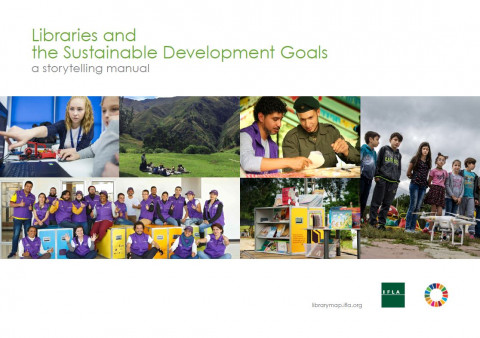 Las Bibliotecas y los Objetivos de Desarrollo Sostenible: Manual para contar historias Year of publication: 2018 Corporate author: International Federation of Library Associations and Institutions (IFLA) El Manual para contar historias — Las Bibliotecas y los Objetivos de Desarrollo Sostenible (ODS) es una guía para bibliotecarios y defensores de la profesión para contribuir a las iniciativas de defensa y promoción de la profesión. El equipo del Mapa Mundial de Bibliotecas (MMB) ha compilado algunos consejos e información útil para ayudarlo a escribir historias convincentes sobre las actividades, proyectos y programas de su biblioteca, y su impacto en las comunidades. En consecuencia, quisiéramos compartir su historia sobre la contribución de su biblioteca a los ODS a través del sitio web del MMB.El Mapa Mundial de Bibliotecas (MMB) de la Federación Internacional de Asociaciones de Bibliotecarios y Bibliotecas (IFLA) nos ofrece un espacio digital único para compartir historias sobre las actividades, proyectos y programas de su biblioteca, así como para mostrar su impacto en la comunidad y su contribución al logro de los Objetivos de Desarrollo Sostenible (ODS) de la Organización de las Naciones Unidas (ONU). Al compartir su historia usted invita a participar y empodera a las bibliotecas de todo el mundo.
 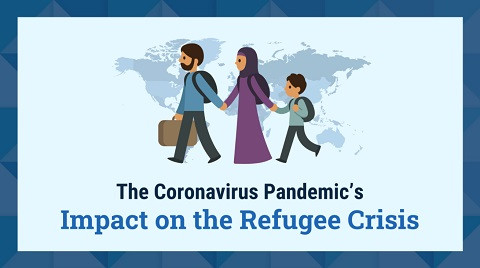 The Coronavirus Pandemic and the Refugee Crisis Year of publication: 2020 Author: Alice Corner Corporate author: Venngage Inc. One group of people who are impacted the most by the Coronavirus Pandemic is the world’s population of refugees and displaced people. There are approximately 25 million refugees in the world, facing unique struggles in access to healthcare, government assistance, and sanitation. Venngage analyzed the data to help paint a fuller picture of COVID-19’s impact on the refugee crisis.
  Engaging Girls, Boys and Youth as Active Citizens: Plan International’s Position Paper Year of publication: 2020 Corporate author: Plan International This paper provides Plan International’s position on the right to participate in public life, as well as analysis of: the legal and political framework; the impact of social and gender norms on participation; and specific issues in relation to political empowerment and active citizenship. This paper supports 100 Million Reasons, Plan International’s 2017-2022 Global Strategy, in which supporting girls, boys and youth as active drivers of change is a main priority. It upholds our work in relation to the 2030 Agenda and the Sustainable Development Goals – in particular Goals 5, 10 and 16. A number of high-level recommendations are included to guide advocacy. Involucrar a niñas, niños y jóvenes como ciudadanos activos: Documento de Posición de Plan International Year of publication: 2020 Corporate author: Plan International En este documento se expone la posición de Plan International sobre el derecho a participar en la vida pública, así como el análisis del marco jurídico y político; las repercusiones de las normas sociales y de género en la participación; y aspectos específicos relacionados con el empoderamiento político y la ciudadanía activa. Este instrumento apunta a 100 Millones de Razones, la Estrategia Global de Plan International 2017-2022, que define como prioridad apoyar a las niñas, los niños y las/los jóvenes como motores del cambio. También apoya nuestra labor en relación con la Agenda 2030 y los Objetivos de Desarrollo Sostenible, en particular los Objetivos 5, 10 y 16. Para orientar las actividades de incidencia se incluyen varias recomendaciones de alto nivel. Impliquer les filles, garçons et jeunes en tant que citoyens actifs : Prise de position de Plan International Year of publication: 2020 Corporate author: Plan International Ce rapport expose la position de Plan International sur le droit à la participation à la vie publique, ainsi qu’une analyse : du cadre juridique et politique ; de l’impact des normes sociales et genrées sur la participation ; et des problèmes spécifiques relatifs à l’émancipation politique et à la citoyenneté active. Ce rapport appuie 100 Millions de Raisons, la Stratégie Mondiale 2017-2022 de Plan International, dont la priorité principale est le soutien des filles, des garçons et des jeunes en tant qu’acteurs actifs du changement. Il défend notre travail en relation avec l’Agenda 2030 et les Objectifs de Développement Durable – plus spécifiquement les objectifs 5, 10 et 16. Un certain nombre de recommandations importantes sont incluses afin de guider le plaidoyer.
 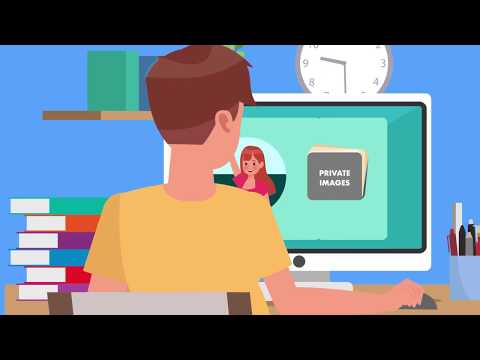 How to Understand Misinformation, Disinformation and Malinformation Year of publication: 2020 Corporate author: Shout Out UK | U.S. Embassy London | Association for Citizenship Teaching (ACT) We live in a world where information is very easy to fabricate. Now more than ever, media literacy (the ability to critically analyse information) is critical for us as citizens and for our democracy to function. This video explains the difference between Misinformation, Disinformation and Malinformation and presents you with some examples! This video is part of a resource pack created and designed by Shout Out UK, supported by the US Embassy in London and in collaboration with the Association For Citizenship Teaching.
  Information Neighbourhoods Year of publication: 2020 Corporate author: Shout Out UK | U.S. Embassy London | Association for Citizenship Teaching (ACT) We live in a world where information has a variety of purposes. So how can you identify what each type of information is trying to do? Now more than ever, media literacy (the ability to critically analyse information) is critical for us as citizens and for our democracy to function. This video explains what Information neighbourhoods exist and how to identify them.
 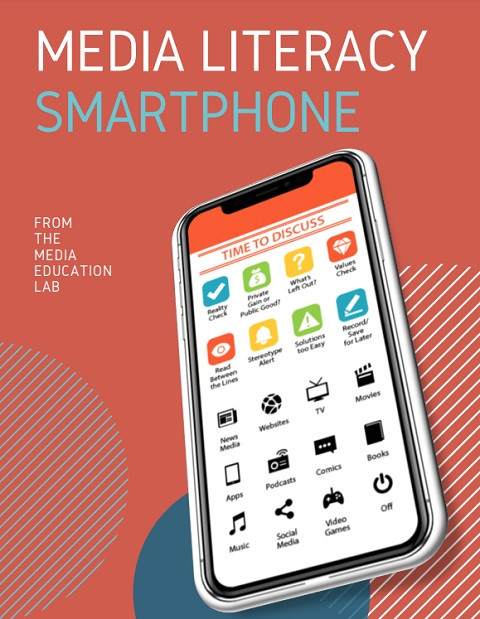 Media Literacy Smartphone Year of publication: 2020 Author: Renee Hobbs | Pam Steager Corporate author: Media Education Lab This material helps students learn to ask questions about what they read, see, watch and listen to and brings the power of media literacy analysis to them.
 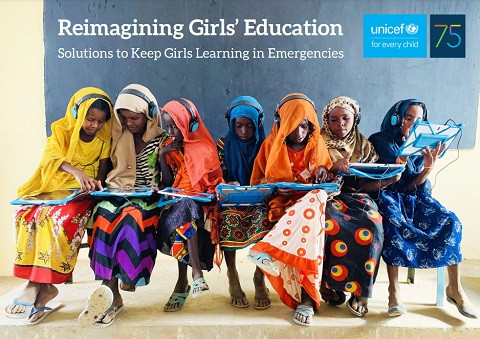 Reimagining Girls’ Education: Solutions to Keep Girls Learning in Emergencies Year of publication: 2021 Corporate author: United Nations Children's Fund (UNICEF) Reimagining Girls’ Education: Solutions to Keep Girls Learning in Emergencies presents an empirical overview of what works to support learning outcomes for girls in emergencies. Research shows that girls in emergencies are disadvantaged at all stages of education and are more likely to be out-of-school than in non-emergency settings. Girls are also struggling to learn. This solutions book seeks to highlight promising evidence-based actions in education for decision makers who are designing and implementing interventions to support girls’ education in low and middle-income country humanitarian settings and settings where education has been interrupted by the COVID‑19 pandemic. It documents practical examples of approaches that have been or are being tested, and from which lessons can be drawn.
 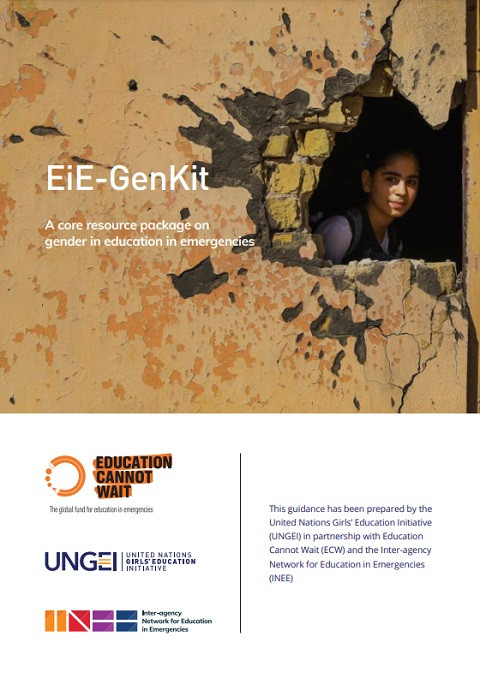 EiE-GenKit: A Core Resource Package on Gender in Education in Emergencies Year of publication: 2021 Corporate author: United Nations Girls’ Education Initiative (UNGEI) | Education Cannot Wait (ECW) | Inter-agency Network for Education in Emergencies (INEE) When gender-responsive, quality education is available to all it has the potential to transform societies and build sustainable peace. A joint initiative from the Inter-agency Network for Education in Emergencies (INEE), Education Cannot Wait (ECW) and the UN Girls’ Education Initiative (UNGEI), the EiE-GenKit is a core resource package for gender in education in emergencies. The EiE-GenKit is the first resource of its kind, providing education practitioners with practical tools to promote gender-responsive programming from crisis to peace and sustainable development.The EiE-GenKit is based on extensive research and consultation with the latest resources, evidence, new tools and good practice available in one easy-to-use package. The EiE-GenKit builds on existing humanitarian processes for a streamlined approach to gender-responsive EiE. The EiE-GenKit offers tools for practical and immediate use including checklists, tipsheets and assessment templates supporting practitioners to ensure that each phase of an EiE intervention is gender-responsive. Bridging the gap between what we know about gender-responsive EiE and the tools we need to make it happen, the EiE-GenKit aims to promote improved gender and education outcomes of learners living in crises.