
Resources
Explore a wide range of valuable resources on GCED to deepen your understanding and enhance your research, advocacy, teaching, and learning.
1,851 Results found
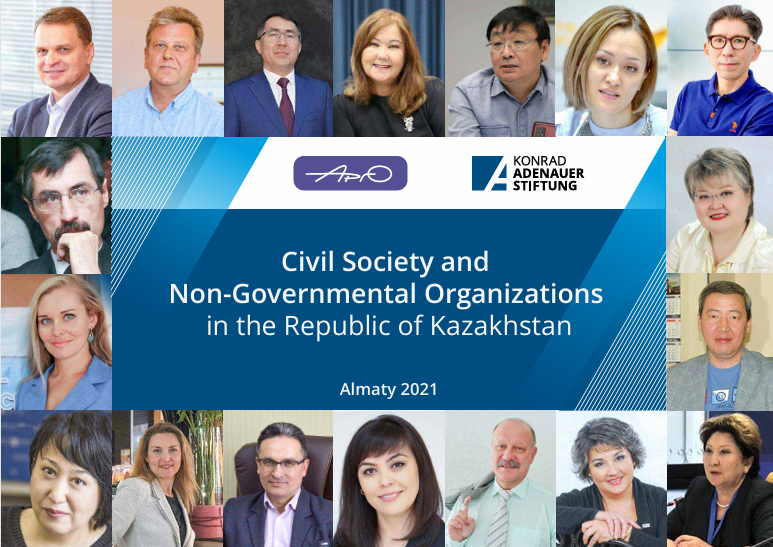 Гражданское общество и неправительственные организации в Республике Казахстан Year of publication: 2021 Author: Madiyar Kozhakhmet | Evgeny Zhovtis | Dosym Satpayev | Roman Podoprigora | Natalia Yantsen | Kaisha Atakhanova | Vadim Nee | Banu Nurgaziyeva | Zulfiya Baysakova | Shakhnoza Khasanova | Saken Zhanazarov | Diana Okremova | Gulmira Birzhanova | Lyazzat Kaltayeva | Saniya Arapova | Sergey Gulyaev | Sergey Khudyakov | Vitaly Kulik Corporate author: Civil Society Development Association (ARGO) Настоящая книга представляет собой сборник статей по широкому кругу вопросов, касающихся развития НПО и гражданского общества в Казахстане. Издание предназначено для неправительственных организаций, государственных органов, студентов, научного сообщества, а также широкого круга читателей.
  Роль женщины в современной науке (Oriental Renaissance; № 4(1) Year of publication: 2024 Author: Касимова Асаль Арслановна Важным направлением государственной политики Нового Узбекистана является достижение гендерного равенства, обеспечение прав, свобод и законных интересов женщин, усиление их роли в общественной и государственной жизни. В частности, проводится большая работа по широкому вовлечению женщин в научную деятельность, поддержке их программных разработок и инновационных идей.
  Внедрение инклюзивного образования в начальной школе. Отчего зависит успешность внедрения? (Международный научный журнал «ВЕСТНИК НАУКИ»; № 4 (73) Том 2) Year of publication: 2024 Author: Бейбитгул Шакаримкызы Турганбаева | Айгуль Бахтыровна Иксанова В статье анализируется внедрение инклюзивного образования в начальной школе.
  La Convención sobre la eliminación de todas las formas de discriminación contra la mujer y su Protocolo Facultativo: Manual para Parlamentarios nº 36; edición revisada Year of publication: 2023 Corporate author: Inter-Parliamentary Union (IPU) | UN. Office of the United Nations High Commissioner for Human Rights (UN. OHCHR) Más de cuatro décadas después de su adopción, la Convención sobre la eliminación de todas las formas de discriminación contra la mujer continúa siendo una guía esencial y ambiciosa para lograr la igualdad de género de forma generalizada, desde la familia y las aulas hasta los consejos ejecutivos y los cargos de liderazgo político. Pese a los considerables avances que se han alcanzado desde la entrada en vigor de la Convención, ningún país puede reivindicar aún haber logrado plenamente la igualdad entre los géneros.Los progresos conseguidos en materia de derechos humanos de la mujer y de igualdad de género están en un grave riesgo de invertirse fruto de diversas crisis, que abarcan desde la pandemia de COVID-19 y la triple crisis planetaria relativa al cambio climático, la contaminación y la pérdida de biodiversidad, hasta los conflictos armados y el desplazamiento, y el alza del autoritarismo. La igualdad de género es un elemento fundamental del desarrollo sostenible y la paz. Las dificultades actuales no se pueden sortear si las mujeres —que constituyen la mitad de la población mundial— quedan excluidas de una participación y un liderazgo plenos y equitativos en los ámbitos económico, político y social. Por lo tanto, la Convención sigue actuando de pilar sólido para desarrollar un mundo más resiliente y sociedades más inclusivas.
 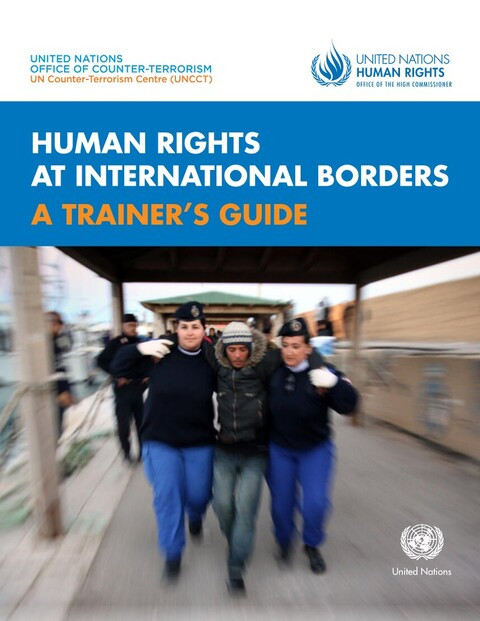 Human Rights at International Borders : A Trainer's Guide Year of publication: 2021 Corporate author: UN. Office of Counter-Terrorism (UNOCT) | UN. Office of the United Nations High Commissioner for Human Rights (UN. OHCHR) | United Nations (UN) International borders can be dangerous places for migrants, particularly for migrants in vulnerable situations. This capacity-building tool seeks to support States and particularly border officials in adopting a human rights-based and gender-responsive approach to border governance. Accompanying presentation slides and course materials have been developed for use in training courses or as a general information resource on the subject.
 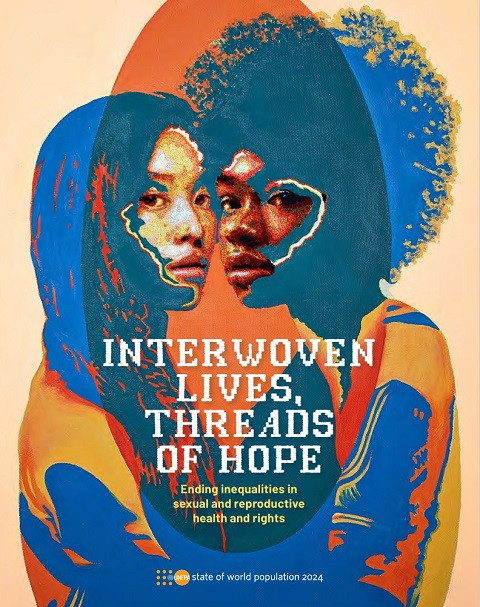 Interwoven Lives, Threads of Hope: Ending Inequalities in Sexual and Reproductive Health and Right; State of World Population 2024 Year of publication: 2024 Author: Daniel Baker | Ann Garbett | Gretchen Luchsinger | Tlaleng Mofokeng | Letlhogonolo Mokgoroane | Gilda Sedgh | Claire Thomas Corporate author: United Nations Population Fund (UNFPA) Everywhere, people seeking essential sexual and reproductive health care are forced to navigate overlapping hurdles because of their gender, economic status, ethnicity, sexual orientation, disability and more. In the few places where data are collected, women of African descent are found to be more vulnerable to obstetric mistreatment and negative maternal health outcomes. Indigenous women are often denied culturally appropriate maternal health care, and their own childbirth practices may be criminalized, resulting in significantly higher risk of death in pregnancy and childbirth. Gender-unequal norms remain embedded in health-care infrastructure, including persistent underinvestment in the world’s largely female midwifery workforce. Women and girls with disabilities face up to 10 times more gender-based violence while also facing higher barriers to sexual and reproductive information and care. LGBTQIA+ people face serious health disparities in addition to – and as a result of – discrimination and stigma. The path forward to fulfill the Cairo International Conference on Population and Development promise of universal sexual and reproductive health and rights is clear: To achieve it we must root out inequalities from our health systems and policies and focus as a priority on those women and young people who are most marginalized and excluded. We need comprehensive, universal and inclusive health care grounded in human rights and evidence of what works. This work is vitally important, it is just, and it is possible. This report contains many examples of programmes and efforts that have expanded access to, and uptake of, quality care, usually with interventions tailored by and for those most in need. To accelerate success, we will require more and better data, disaggregated to understand exactly who is being left behind, and collected with their input and safety assured.
 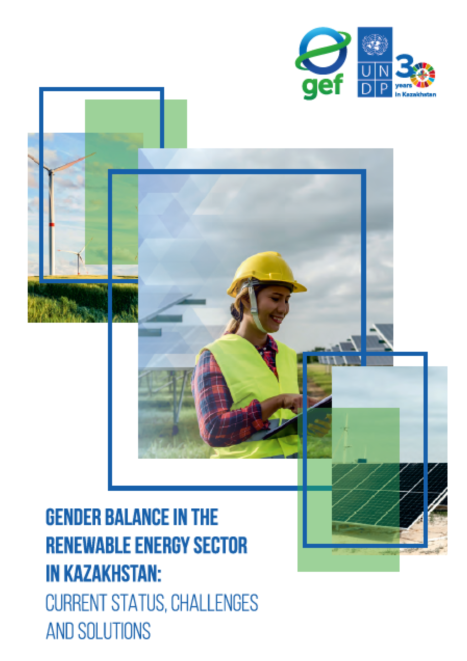 Гендерный баланс в секторе возобновляемой энергетики в Казахстане: статус, проблемы и решения Year of publication: 2023 Corporate author: UNDP Kazakhstan Отчёт детально рассматривает гендерный баланс в секторе ВИЭ в Казахстане. Он охватывает текущий статус, проблемы, а также решения для укрепления гендерного баланса в этой сфере. Отчёт состоит из двух частей: (1) Обзор статуса гендерного баланса и рекомендации для энергетической отрасли в Республике Казахстан; и (2) Анализ законодательства и нормативно-правовых актов в области гендерного равенства.
 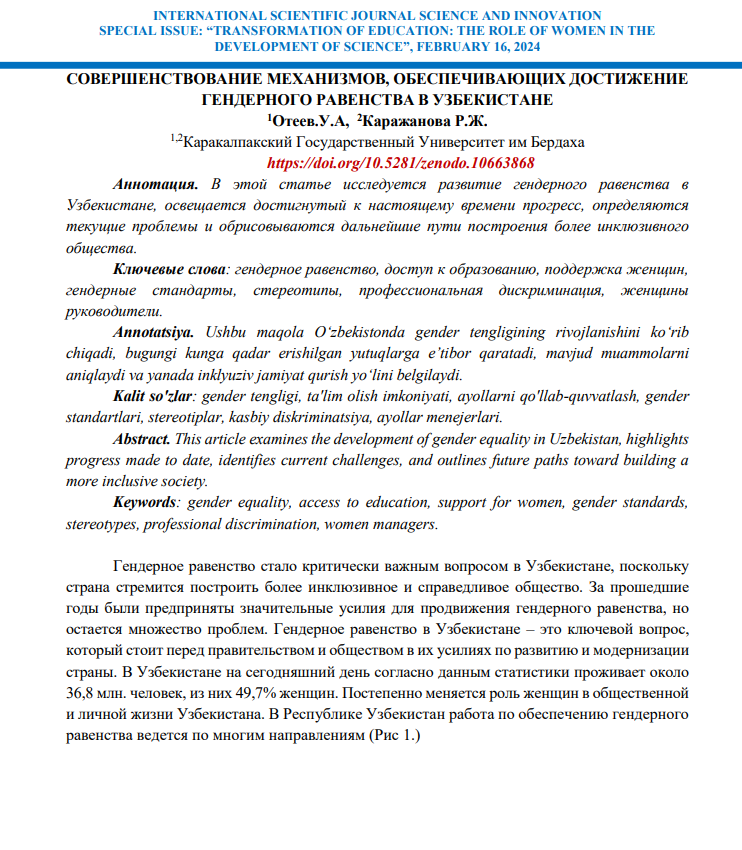 Improving Mechanisms to Ensure the Achievement of Gender Equality in Uzbekistan Year of publication: 2024 Author: Отеев Уразбай | Каражанова Роза Corporate author: Наука и инновации This article examines the development of gender equality in Uzbekistan, highlights progress made to date, identifies current challenges, and outlines future paths toward building a more inclusive society. Совершенствование механизмов, обеспечивающих достижение гендерного равенства в Узбекистане Year of publication: 2024 Author: Отеев Уразбай | Каражанова Роза Corporate author: Наука и инновации В этой статье исследуется развитие гендерного равенства в Узбекистане, освещается достигнутый к настоящему времени прогресс, определяются текущие проблемы и обрисовываются дальнейшие пути построения более инклюзивного общества.
 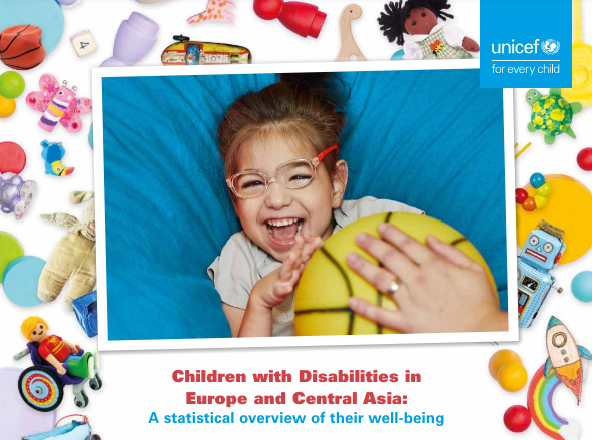 Children with Disabilities in Europe and Central Asia: A Statistical Overview of Their Well-Being Year of publication: 2023 Corporate author: United Nations (UN) This regional report provides critical evidence for decision-makers across countries to use in both policy and programming. In the context of the Global Disability Inclusion Strategy and Policy, UNICEF in Europe and Central Asia will use this valuable resource to embark on the next level of engagement to give all children with disabilities the opportunity to realize their rights on an equal basis with their peers.