
Resources
Explore a wide range of valuable resources on GCED to deepen your understanding and enhance your research, advocacy, teaching, and learning.
1,851 Results found
 Synergy Solutions for a World in Crisis: Tackling Climate and SDG Action Together Year of publication: 2023 Corporate author: UNFCCC | UN. Department of Economic and Social Affairs (UN. DESA) In May 2023 UNDESA and UNFCCC Secretariat co-convened the Expert Group on Climate and SDG Synergy. The Group consists of 14 renowned experts from diverse thematic and geographic backgrounds who were given the task of developing the First Global Report on Climate and SDG Synergies. This report demonstrates that aggressively acting on climate and development in an integrated and synergistic way is an important opportunity to achieve the course correction the UN Secretary- General has called for. It highlights some of the challenges but also the opportunities if the international community is seriously committed to enhancing these synergies and thereby addressing these challenges. The report is designed to provide a broad overview of available data and evidence, insights from experts on the frontlines, and recommendations for enhancing synergistic action across the 2030 Agenda and the SDGs. This first edition will form the basis for future iterations, which will entail a wider scope of sectors, and thematic areas and deep dives on specific issues pertaining to strengthening and operationalizing synergic climate and SDG actions at all levels.
  Third Global Conference on Strengthening Synergies Between the Paris Agreement and the 2030 Agenda for Sustainable Development: Building the Evidence Base for Synergistic Action in Support of Raising Climate and SDGs Ambition Year of publication: 2022 Corporate author: UN. Department of Economic and Social Affairs (UN. DESA) The Third Global Conference on Strengthening Synergies Between the Paris Agreement and the 2030 Agenda For Sustainable Development was co-convened by the United Nations Department of Economic and Social Affairs (UNDESA) and the Secretariat of the United Nations Framework Convention on Climate Change (UNFCCC), and it was hosted by the Ministry of the Environment of Japan, in partnership with the United Nations University (UNU) and the Institute for Global Environmental Strategies (IGES).
 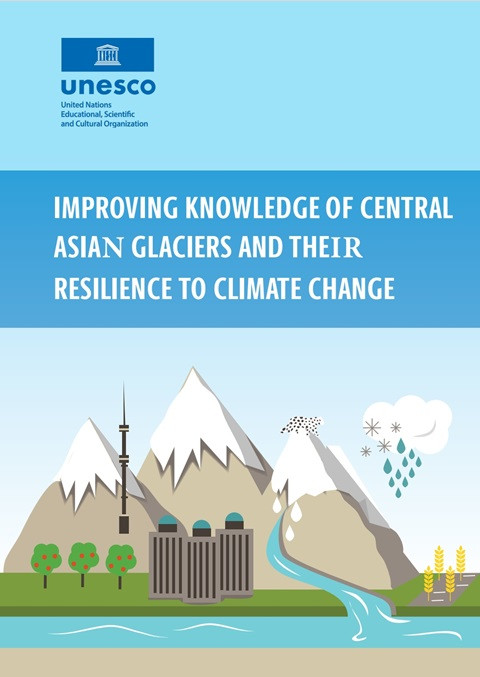 Improving Knowledge of Central Asian Glaciers and Their Resilience to Climate Change Year of publication: 2022 Corporate author: UNESCO Almaty | Global Environment Facility (GEF) | United Nations Development Programme (UNDP) The planned project under the Global Environment Facility and jointly with the UN Development Programme aims to improve the knowledge and monitoring of all key components of the cryosphere: glaciers, snow and permafrost, and support practical climate adaptation measures in the five nations of Central Asia. Paзвитие знаний о ледниках центральной азии и меры адаптации к изменению климата Year of publication: 2022 Corporate author: UNESCO Almaty | Global Environment Facility (GEF) | United Nations Development Programme (UNDP) Планируемый проект в рамках Глобального Экологического Фонда и совместно с Программой Развития ООН направлен на улучшение знаний и мониторинга всех ключевых компонентов криосферы: ледников, снега и вечной мерзлоты, а также на поддержку практических мер по адаптации к изменению климата в пяти странах Центральной Азии.
 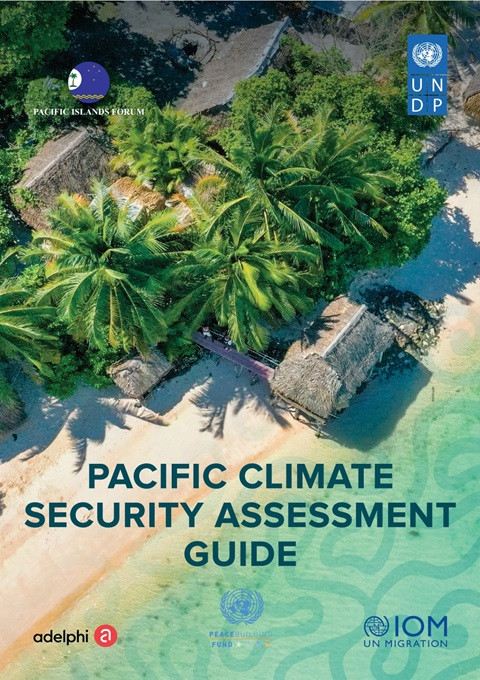 Pacific Climate Security Assessment Guide Year of publication: 2023 Author: Spencer McMurray | Lukas Ruttinger | Serena Arcone | Michael Crowe Corporate author: United Nations Development Programme (UNDP) | Pacific Islands Forum Secretariat (PIFS) The new Pacific Climate Security Assessment guide aims to support Pacific Island Countries to collectively and individually uncover, assess and respond to climate security implications for their peoples, prosperity and peace. The Assessment Guide builds off of the Weathering Risk initiative’s methodology, and was undertaken by adelphi in collaboration with the UNDP, IOM and PIF as a part of the UNPBF-funded “Climate Security in the Pacific” project. In addition to incorporating a brief regional trend analysis and limited entry points to kick start countries’ efforts to address climate insecurity, the guide provides a “how to” for countries to undertake assessments themselves and across different levels. Anchored in the Pacific, the guide was developed through extensive consultation with regional specialists, key regional institutions, civil society and with Forum member representatives.
  Global Environment Outlook 4 (GEO-4): Environment for Development Year of publication: 2007 Corporate author: United Nations Environment Programme (UNEP) The fourth Global Environment Outlook – environment for development ( GEO-4 ) places sustainable development at the core of the assessment, particularly on issues dealing with intra- and intergenerational equity. The analyses include the need and usefulness of valuation of environmental goods and services, and the role of such services in enhancing development and human well-being, and minimizing human vulnerability to environmental change. The GEO-4 temporal baseline is 1987, the year in which the World Commission on Environment and Development (WCED) published its seminal report, Our Common Future . The Brundtland Commission was established in 1983, under UN General Assembly resolution 38/161 to look at critical environment and development challenges. It was established at a time of an unprecedented rise in pressures on the global environment, and when grave predictions about the human future were becoming commonplace. تقرير التوقعات البيئية العالمية الرابع: البيئة من أجل التنمية المستدامة Year of publication: 2007 Corporate author: United Nations Environment Programme (UNEP) تضع توقعات البيئة العالمية الرابعة - البيئة من أجل التنمية (GEO-4) التنمية المستدامة في صميم التقييم ، لا سيما فيما يتعلق بالقضايا التي تتناول المساواة بين الأجيال وبين الأجيال. تشمل التحليلات الحاجة والفائدة في تقييم السلع والخدمات البيئية ، ودور هذه الخدمات في تعزيز التنمية ورفاهية الإنسان ، وتقليل تعرض الإنسان للتغير البيئي. خط الأساس الزمني لتوقعات البيئة العالمية الرابع هو عام 1987 ، وهو العام الذي نشرت فيه اللجنة العالمية للبيئة والتنمية (WCED) تقريرها الأساسي ، مستقبلنا المشترك. تأسست لجنة برونتلاند في عام 1983 ، بموجب قرار الجمعية العامة للأمم المتحدة 38/161 للنظر في تحديات البيئة والتنمية الحرجة. تم تأسيسه في وقت ارتفاع غير مسبوق في الضغوط على البيئة العالمية ، وعندما أصبحت التنبؤات الخطيرة حول مستقبل الإنسان أمرًا شائعًا.
  ESCWA Water Development Report 8: The Water-related Sustainable Development Goals in the Arab Region Year of publication: 2019 Corporate author: UN. Economic and Social Commission for Western Asia (UN. ESCWA) Water-related SDGs have a central role in achieving the 2030 Agenda for Sustainable Development and its interlinked Sustainable Development Goals (SDGs) and targets. While the dedicated goal on water (SDG6) aims to ensure availability and the sustainable management of water and sanitation for all, pursing this goal supports the achievement many other goals. Regional monitoring and reporting of the water-related SDGs thus supports a better understanding of water across the sustainable development agenda and provides insights on the progress and challenges facing the Arab region as it aims to achieve the SDGs and associated national targets under conditions of water scarcity and increasing water stress. This eighth issue of the Water Development Report of the Economic and Social Commission for Western Asia (ESCWA) examines the water-related SDGs from the perspective of water security and scarcity in the Arab region. It identifies ways to assess and address present and projected water scarcity at the regional and national levels for various climate change scenarios. It reviews regional and national water strategies and action plans coherency with global water-related goals and targets. The study analyses how the water-related SDG targets and indicators can guide the development of policy measures to tackle water challenges in the Arab region. Proposed policy interventions include measures to conserve and protect water resources and generate additional nonconventional water resources. Selected policy options are quantified and analysed for two climate scenarios for the future period 2030-2050 in view of informing sustainable planning and appropriate decision support systems to optimize and rationalize water use. The report also provides insights on institutional mechanisms in place for monitoring and implementing water-related SDGs at various scales. تقرير المياه والتنمية الثامن: أهداف التنمية المستدامة المتعلقة بالمياه في المنطقة العربية Year of publication: 2019 Corporate author: UN. Economic and Social Commission for Western Asia (UN. ESCWA) لأهداف التنمية المستدامة ذات الصلة بالمياه دور رئيسي في تحقيق خطة التنمية المستدامة لعام 2030 وأهداف التنمية المستدامة الأخرى ومقاصدها. ويسعى الهدف المكرّس للمياه (الهدف 6) إلى ضمان توفر المياه وإتاحة خدمات الصرف الصحي للجميع وإدارتهما بشكل مستدام. وفي العمل على بلوغه ما يدعم تحقيق العديد من الأهداف الأخرى. ويساهم رصد أهداف التنمية المستدامة ذات الصلة بالمياه والإبلاغ عنها على الصعيد الإقليمي في فهم أفضل لموقع المياه في خطة التنمية المستدامة، ويعطي فكرة عما حققته المنطقة العربية من تقدم وما واجهته من تحديات في سعيها إلى تحقيق أهداف التنمية المستدامة والغايات الوطنية المرتبطة بها، في ظل ندرة المياه وزيادة الإجهاد المائي. ويبحث العدد الثامن من تقرير اللجنة الاقتصادية والاجتماعية لغربي آسيا (الإسكوا) حول تنمية المياه في أهداف التنمية المستدامة ذات الصلة بالمياه من منظور الأمن المائي وندرة المياه في المنطقة العربية. ويحدّد طرقاً لتقييم ومعالجة ندرة المياه الحالية والمتوقعة على المستويين الإقليمي والوطني على ضوء سيناريوهات مختلفة لتغيُّر المناخ. ويستعرض مدى اتساق الاستراتيجيات وخطط العمل المائية الإقليمية والوطنية مع الأهداف والمقاصد العالمية ذات الصلة بالمياه. وتبيّن الدراسة كيف يمكن الاسترشاد بمقاصد ومؤشرات أهداف التنمية المستدامة ذات الصلة بالمياه في وضع تدابير في السياسة العامة لمواجهة تحديات المياه في المنطقة العربية. وتشمل التدخلات المقترحة على صعيد السياسات العامة تدابير للحفاظ على موارد المياه وحمايتها، وتوليد موارد مائية إضافية غير تقليدية. ويتم تقدير السياسات العامة المختارة وتحليلها ضمن سيناريوهين مناخيين للفترة المستقبلية 2030-2050 بهدف توجيه التخطيط المستدام والنُظُم الداعمة لعمليات اتخاذ القرارات بما يؤدي إلى تحسين استخدام المياه وترشيده. ويستعرض التقرير الآليات المؤسسية القائمة لرصد أهداف التنمية المستدامة ذات الصلة بالمياه وتنفيذها على مستويات مختلفة.
  Climate Change Adaptation Policy, 10 years: Tracking Adaptation and Suggesting the Way Forward (Ⅲ) Year of publication: 2021 Author: YoungiI Song | Jiyoung Shin | Jinhan Park | Songmi Park | Mirae Kim Corporate author: Korea Environment Institute (KEI) This study suggested the direction of preparing and wrote the climate change adaptation gap report by sector. This study defined the adaptation gap as the degree of implementation compared to the adaptation goal and evaluated the effect of reducing climate change risk.This study prepared a climate change adaptation gap report through the process of selecting representative indicators, setting adaptation goals, and analyzing national climate change adaptation policies for five sectors: forest/ecosystem, agriculture and fisheries, water, health, and territory/coast.Through the writing of the climate change adaptation gap report, We identified the insufficient climate change adaptation measures and suggested the policy directions to effectively reduce climate change risk and ensure the effectiveness of future climate change adaptation policies.As a result, we emphasized the climate change adaptation efforts are needed, such as establishing climate change adaptation policies directly related to climate change risk, building the data to understand the effectiveness of climate change adaptation measures, and setting goals for climate change adaptation.