
Resources
Explore a wide range of valuable resources on GCED to deepen your understanding and enhance your research, advocacy, teaching, and learning.
3,229 Results found
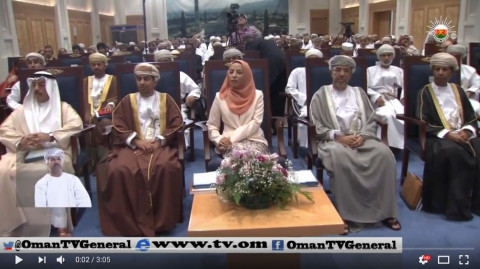 Forum on "Human Citizenship and its Role in Convergence and Human Harmony" Year of publication: 2015 Corporate author: OmanTvGeneral The Sultan Qaboos Higher Center for Culture and Science held the Scientific Forum on Human Citizenship and its Role in Convergence and Human Harmony, within the framework of the Fourth Week of Convergence and Human Harmony, where the forum is an opportunity for all participants to learn about the Sultanate's leading experience in civilizational dialogue and support the values of tolerance, cooperation and peaceful coexistence according to the constants. His principles were laid down by His Majesty Sultan Qaboos bin Said.
 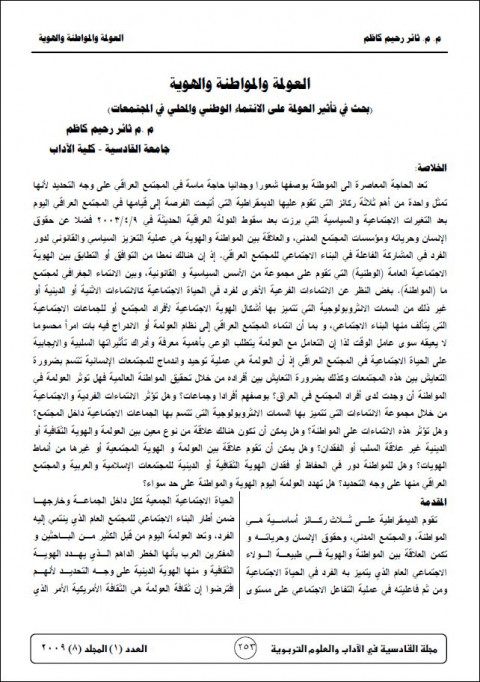 العولمة والمواطنة والهوية (بحث في تأثير العولمة على الانتماء الوطني والمحلي في المجتمعات) Year of publication: 2009 Author: Thaer Rahim Kazem Corporate author: Al-Qadisiyah University من أهم ثلاثة ركائز التي تقوم عليها الديمقراطية التي أتيحت الفرصة إلى قيامها في المجتمع العراقي اليوم بعد التغيرات الاجتماعية والسياسية التي برزت بعد سقوط الدولة العراقية الحديثة في 9/4/2003 فضلا عن حقوق الإنسان وحرياته ومؤسسات المجتمع المدني، والعلاقة بين المواطنة والهوية هي عملية التعزيز السياسي والقانوني لدور الفرد في المشاركة الفاعلة في البناء الاجتماعي للمجتمع العراقي. إذ إن هنالك نمطا من التوافق أو التطابق بين الهوية الاجتماعية العامة (الوطنية) التي تقوم على مجموعة من الأسس السياسية و القانونية، وبين الانتماء الجغرافي لمجتمع ما (المواطنة). بغض النظر عن الانتماءات الفرعية الأخرى لفرد في الحياة الاجتماعية كالانتماءات الاثنية أو الدينية أو غير ذلك من السمات الانثروبولوجية التي تتميز بها أشكال الهوية الاجتماعية لأفراد المجتمع أو للجماعات الاجتماعية التي يتألف منها البناء الاجتماعي، و بما أن انتماء المجتمع العراقي إلى نظام العولمة أو الاندراج فيه بات امرأ محسوما لا يعيقه سوى عامل الوقت لذا إن التعامل مع العولمة يتطلب الوعي بأهمية معرفة وأدراك تأثيراتها السلبية والايجابية على الحياة الاجتماعية في المجتمع العراقي إذ أن العولمة هي عملية توحيد واندماج للمجتمعات الإنسانية تتسم بضرورة التعايش بين هذه المجتمعات وكذلك بضرورة التعايش بين أفراده من خلال تحقيق المواطنة العالمية فهل توثر العولمة في المواطنة أن وجدت لدى أفراد المجتمع في العراق؟ بوصفهم أفرادا وجماعات؟ وهل تؤثر الانتماءات الفردية والاجتماعية من خلال مجموعة الانتماءات التي تتميز بها السمات الانثروبولوجية التي تتسم بها الجماعات الاجتماعية داخل المجتمع؟ وهل تؤثر هذه الانتماءات على المواطنة؟ وهل يمكن أن تكون هنالك علاقة من نوع معين بين العولمة والهوية الثقافية أو الدينية غير علاقة السلب أو الفقدان؟ وهل يمكن أن تقوم علاقة بين العولمة و الهوية المجتمعية أو غيرها من أنماط الهويات؟ وهل للمواطنة دور في الحفاظ أو فقدان الهوية الثقافية أو الدينية للمجتمعات الإسلامية والعربية والمجتمع العراقي منها على وجه التحديد؟ هل تهدد العولمة اليوم الهوية والمواطنة على حد سواء؟ Globalization, Citizenship and Identity (Research on the Impact of Globalization on National and Local Affiliation in Societies) Year of publication: 2009 Author: Thaer Rahim Kazem Corporate author: Al-Qadisiyah University There was a serious need to the citizenship as a psychological feeling in the Iraqi society. Because it represent the one of the most important three standards in the democratic operation as methods we must use in our social live. When we get a chance to build it in the Iraqi society. After the social and political changes that tack place after the 9 April 2003. The relationships between the citizenship and identity refer to the process by which we could strength the individual legal and political role to create the effective participate in the social live and social structure of the Iraqi society. Because there was an equalize between the general collective identity and the citizenship. We need these feelings when Iraqi society joins the globalization system under the pressure of the USA. And that required being aware in the negative effectiveness of the globalization and its positive ones. And the necessary of the living to gather in the global society. That makes the universal citizenship possible. This state creates many questions in the mind of the Arab and Moslemsre searchers. Such as could we keep our social and cultural identity? Are the citizenship help us to maintain the social and cultural identity? And other many questions that dealing with this objectives.
 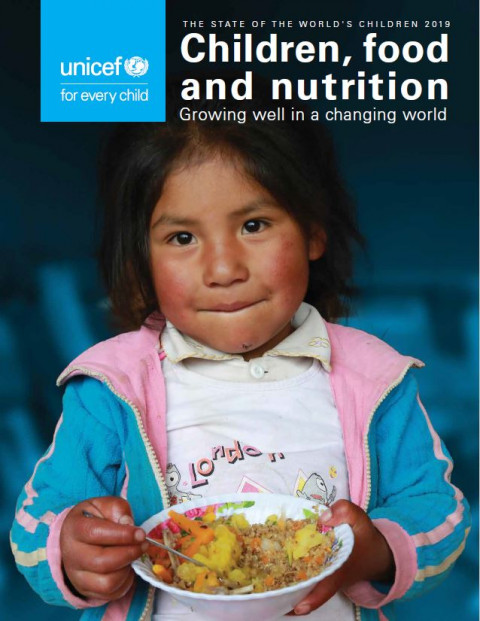 Children, Food and Nutrition: Growing Well in a Changing World Year of publication: 2019 Corporate author: United Nations Children's Fund (UNICEF) This 2019 edition of The State of the World’s Children (SOWC) examines the issue of children, food and nutrition, providing a fresh perspective on a rapidly evolving challenge. Despite progress in the past two decades, one third of children under age 5 are malnourished – stunted, wasted or overweight – while two thirds are at risk of malnutrition and hidden hunger because of the poor quality of their diets. At the center of this challenge is a broken food system that fails to provide children with the diets they need to grow healthy. This report also provides new data and analyses of malnutrition in the 21st century and outlines recommendations to put children’s rights at the heart of food systems.
 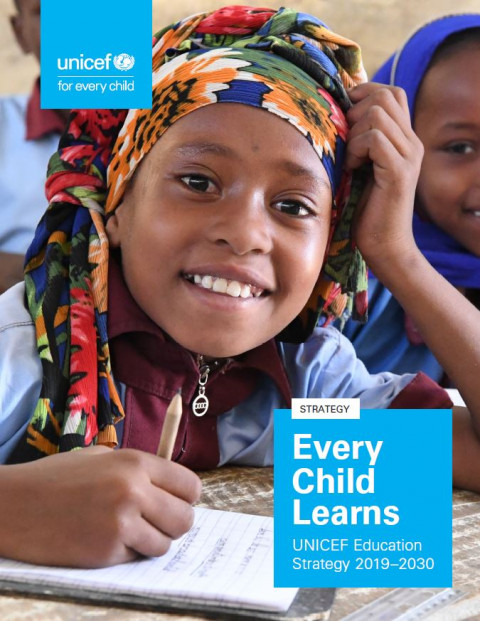 Every Child Learns: UNICEF Education Strategy 2019–2030 Year of publication: 2019 Corporate author: United Nations Children's Fund (UNICEF) The gap between the levels of learning that education systems are providing and what children, communities and economies need, is growing. The breadth and depth of this learning crisis constitute the greatest global challenge to preparing children and adolescents for life, work and active citizenship. The lesson of the learning crisis is clear: the conventional assembly of education inputs is not improving learning outcomes. This presents a fundamental challenge to the way that governments, development partners and communities are managing and supporting education systems. A new, more radical approach that focusses on enhancing learning outcomes is long overdue and forms the basis for this strategy.The report also outlines the shift towards a greater focus on improving learning outcomes, including supporting the breadth of skills that allow young people to become agile, adaptive learners and citizens, equipped to navigate personal, social, academic, economic and environmental challenges.
 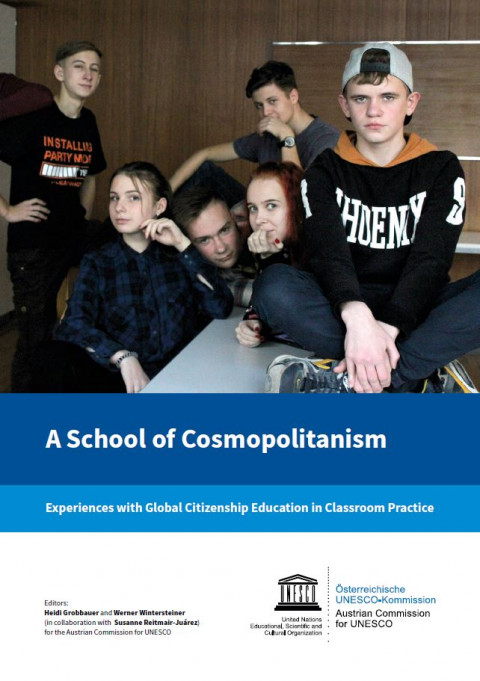 A School of Cosmopolitanism: Experiences with Global Citizenship Education in Classroom Practice Year of publication: 2019 Author: Heidi Grobbauer | Werner Wintersteiner Corporate author: Austrian Commission for UNESCO This publication focuses on examples from academic practice: this best practice collection demonstrates how young people can successfully be inspired to “think globally, act locally”. What is crucial is maintaining a view of the wider world; in particular, cooperation efforts with educational institutes outside of Europe (e.g. “élèves pour élèves” in Burkina Faso) provide a critical awareness of global connections. Learning to know/Learning to do/Learning to be/Learning to live together – these four pillars form the pedagogical foundation of the work carried out at more than 90 UNESCO schools throughout the whole of Austria. Since their founding in 1957, UNESCO schools have been considered model schools at which lessons are structured in a project-oriented, participative and even topic-specifc way. The unique ‘spirit’ of UNESCO schools often makes special projects possible. In the programme for the annual meetings of recent years, for example, Global Citizenship Education has been an ongoing topic of focus, accompanied by experts from various specialised institutions and NGOs. The pedagogical preparation of contents in a manner that ensures they are actually absorbed in the classroom presents a major challenge. Different types of schools have different educational goals, and the themes have to be made accessible for different age groups. The pedagogical finesse of each class team or individual teacher lies in finding the most motivating approaches.
  Critical Global Semiotics: Understanding Sustainable Transformational Citizenship Year of publication: 2019 Author: Maureen Eills Critical Global Semiotics: Understanding Sustainable Transformational Citizenship incorporates powerful unifying frameworks which make explicit a developing global consciousness. It explores transdisciplinary ‘common wealth’ through focus on multimodality, media, and metaphor, testing two universally applicable humanitarian frameworks: critical realism (CR) and systemic functional semiotics (SFS).Every day global citizens encounter an overwhelming host of genres and sub-genres, emergent semantic triangles, evolving semiotic trinity. Embodying philosophy, incorporating active engagement, this book addresses the political economy and cultural politics of diverse domains.Challenging daily drama and performative dharma, 24 analysts from 13 countries present current issues in Anthropology, Architecture, Dance, Feminism, Film, Health, Law, Management, Medicine, Music, Politics, Pharmaceuticals, Sociology, Sustainability Education, and Urban Development.The book’s integrative, unifying foundations will be of interest to researchers, academics, and post-graduate students in the fields of linguistics, semiotics, and critical realist philosophy, as well as to policy makers, curriculum developers, and civil society.
  البيئة و التنمية المستدامة : التصور و المضمون Year of publication: 2010 Author: Ellah Murat لا شك أن المشكلات البيئية قد اكتسب أهمية متزايدة عبر كافة المستويات، حيث انشغلت بها جميع الدول، وانعقد من أجلها العديد من المؤتمراتاالدولية وأصبحت تحتل قصب السبق فيما يشغل العام من هموم ومشكلات، فحماية البيئة - وبلا شك - ضرورة من ضروريات الحياة من أجل المحافظة علىالتوازن البيئي والاقتصادي، وذلك عن طريق التسيير العقلاني للموارد الطبيعية للمحافظة على استدامتها للأجيال المقبلة، ومن مظاهر الاهتمام بحماية البيئةارتباطها بالتنمية المستدامة والتي تدعو إلى تبني نمط جديد في التنمية يحافظ على مخزون الموارد الطبيعية المتاحة ويستحدث بدائل نظيفة لا تدمر البيئةويُعد البعد البيئي أعمق بعد في التنمية المستدامة، وما ظهور مفهوم التنمية المستدامة ورواج انتشاره إلا نتاجاً لما خلفته التنمية القديمة بمختلف أنماطهامن آثار على البيئة الطبيعية للكون، وسوف نحاول من خلال دراستنا المتواضعة هذه البحث في مضامين البيئة من جهة والتنمية المستدامة من جهة أخرى.
  المشاركة السياسية والتمكين السياسي للمرأة المعوقات، التحديات وآليات المعالجة في الوطن العربي Year of publication: 2019 Author: Fatima Bou Dirham السياسي، الاقتصادي، الاجتماعي، الثقافي والإداري، بالإضافة الى كل ضروب الفساد فهذه المجتمعات المتخلفة في كل المجالات ، بحاجة إلى استغلال أمثل لكافة إمكانياتها المادية، المالية والبشرية على الخصوص، دون تمييز بين الذكور والإناث، خاصة وأن فئة النساء تمثل نصف هذا المجتمع من الناحية الديمغرافية . أو تزيد على ذلك في بعض المجتمعات العربية التي تعرف نموا ديمغرافيا متزايدا لأسباب صحية وأخرى إجتماعية، فهذه المجتمعات لا تؤمن كثيرا بالأدوار الإنمائية والانتاجية للمرأة، بل تحصرها في الدور الإنجابي، الاجتماعي والتربوي في دائرة الاسرة العربية وتزداد القضية تعقيدا، حينما نعلم أن الكثير من هذه الدول تتخطى وتتجاوز نصوص الدساتير التي سنتها وصادقت عليها، في مسألة مساواة المرأة والرجل في الحقوق والواجبات وتتجاهل أدوار المرأة المتزايدة والمتعاظمة في المجال التنموي. - لمعالجة هذه القضية أنطلق من إشكالية أساسية مفادها: ماهي أهم المعوقات والتحديات التي تواجه قضايا المشاركة السياسية والتمكين السياسي للمرأة في الوطن العربي وماهي آليات المعالجة؟ في ضوء هذه الإشكالية أصوغ الفروض التالية: الفرض الأول: أهم المعوقات والتحديات التي تواجه قضايا المشاركة السياسية والتمكين السياسي للمرأة في الوطن العربي تتمثل في المعوقات والتحديات السياسية والاقتصادية، الثقافية، الإعلامية، القانونية، الإدارية، وخصوصية المرأة العربية. الفرض الثاني: تأتي آليات المعالجة من نفس طبيعة ومصادر المعوقات والتحديات، وعليه فالآليات العلاجية تتضمن آليات سياسية ، إقتصادية، إجتماعية، ثقافية، قانونية ، إعلامية إدارية ومعالجة خصوصية المرأة العربية من حيث تحويلها الى طاقة إيجابية تخدم قضايا المرأة. Political Participation and Political Empowerment of Women with Disabilities, Challenges and Remedial Mechanisms in the Arab World Year of publication: 2019 Author: Fatima Bou Dirham Political, economic, social, cultural and administrative, in addition to all forms of corruption, these underdeveloped societies in all fields, need to make optimal use of all financial, human and human resources in particular, without discrimination between males and females, especially since the category of women represents half of this society in terms of Demographic. Or more than that in some Arab societies that are experiencing increasing demographic growth for health and other social reasons, these societies do not believe much in the developmental and productive roles of women, but confine them to the reproductive, social and educational role in the Arab family circle and the issue becomes more complex, when we know that many of these States go beyond and exceed the texts of constitutions they have enacted and ratified, on the equal rights and duties of women and men and ignore the growing and growing roles of women in development.To address this issue, I proceed from a basic problem: What are the most important obstacles and challenges facing the issues of political participation and political empowerment of women in the Arab world and what are the mechanisms of treatment? In the light of this problem, I formulate the following hypotheses: The first hypothesis: The most important obstacles and challenges facing the issues of political participation and political empowerment of women in the Arab world are the political, economic, cultural, media, legal, administrative, and privacy of women. The second hypothesis: The treatment mechanisms come from the same nature and sources of obstacles and challenges.