
Resources
Explore a wide range of valuable resources on GCED to deepen your understanding and enhance your research, advocacy, teaching, and learning.
2,162 Results found
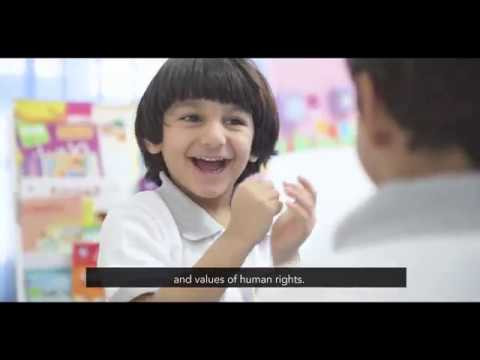 [Video] World's Biggest Lesson 2018 - Sustainable Development Goals Year of publication: 2018 Corporate author: Oman. Ministry of Education This video is produced by the Ministry of Education in the Sultanate of Oman, and talks about the objectives of the Ministry of Education to achieve the concept of sustainable development in the field of education.
  INSPIRE: Seven strategies for Ending Violence Against Children Year of publication: 2016 Corporate author: World Health Organization (WHO) Evidence-based resource for everyone committed to preventing and responding to violence against children and adolescents – from government to grassroots, and from civil society to the private sector. It represents a select group of strategies based on the best available evidence to help countries and communities intensify their focus on the prevention programmes and services with the greatest potential to reduce violence against children. The seven strategies are: Implementation and enforcement of laws; Norms and values; Safe environments; Parent and caregiver support; Income and economic strengthening; Response and support services; and Education and life skills. Additionally, INSPIRE includes two cross-cutting activities that together help connect and strengthen – and assess progress towards – the seven strategies.
  Preparing & Supporting Teachers to Meet the Challenges of 21st Century Learning in Asia-Pacific: Transversal Competencies in Education Policies and Practice Year of publication: 2016 Corporate author: Regional Bureau for Education in Asia and the Pacific | UNESCO Bangkok Preparing and supporting teachers to meet the challenges of 21st century learning in Asia-Pacific. Transversal Competencies in Education Policies and Practice. This is a summary of ERI-Net’s Phase III research into transversal competencies in education policy and practice. The regional synthesis report will be published in December 2016.
 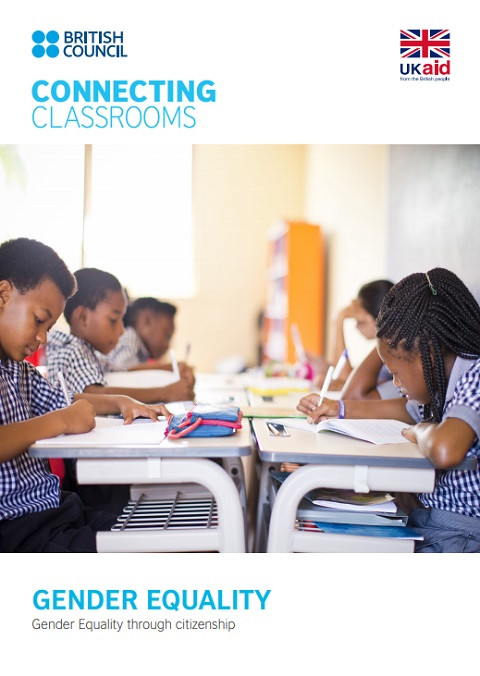 Connecting Classrooms: Gender Equality; Gender Equality through Citizenship Year of publication: 2019 Corporate author: British Council | UK aid This material shows an example of how you can support the development of pupils’ core skills such as citizenship, critical thinking, problem solving, creativity and imagination through the study and investigation of gender equality. This can be done in the context of English, citizenship, geography, history or other subjects. The materials can be used either with an international partner school or without one and instructions are provided on how to best use the resources. This learning unit will explore the Global Goals for Sustainable Development, and in particular, gender equality.
 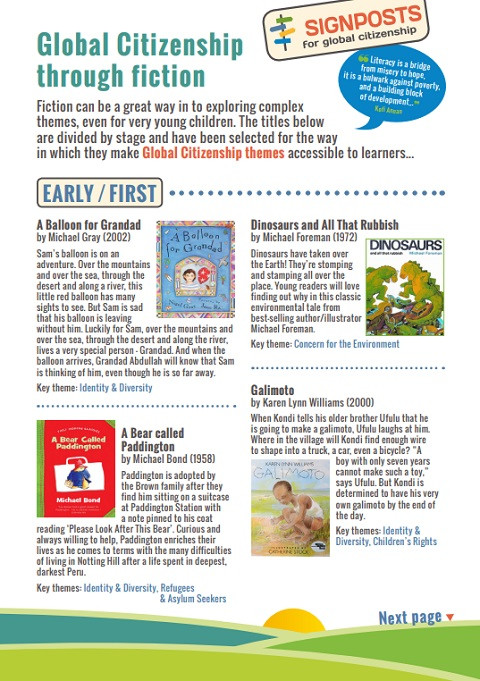 Global Citizenship through Fiction Year of publication: 2016 Corporate author: Signposts | International Development Education Association Scotland (IDEAS) This flyer summarises a selection of texts linking global citizenship and fiction. There is a synopsis of each text and texts range from Early Years to Stage 2.
 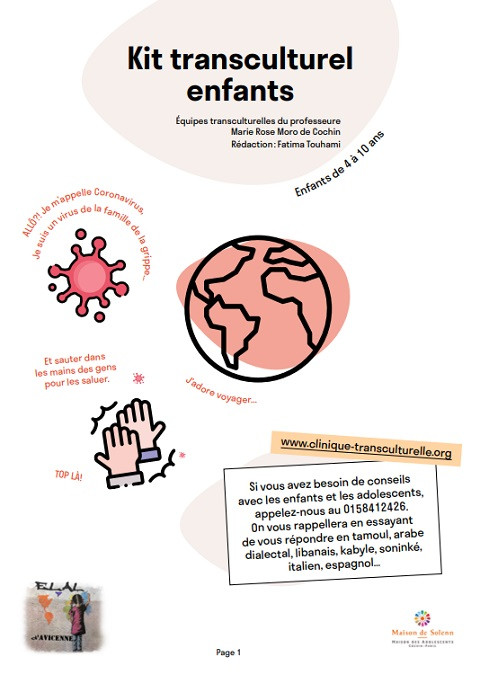 Kit transculturel enfants Year of publication: 2020 Author: Marie Rose Moro Corporate author: Maison de Solenn Ce kit transculturel est destiné à aider les les familles migrates en période de confinement où il devient crucial d’expliquer à chacun, avec les bons mots et dans sa langue, ce qui se passe. Il est nécéssaire d’aider l’enfant à continuer sa vie d’enfant.
  Activism, the SDGs and Youth: Development Education & Global Citizenship Education; Resource Pack Year of publication: 2018 Author: Valerie Duffy | Dermot O’Brien Corporate author: National Youth Council of Ireland (NYCI) | Irish Aid This resource explores the issue of Activism and the Sustainable Development Goals and represents an important contribution at this moment in time where activism and action within the Global Citizenship movement is gaining momentum. It is aimed at Global Educators, Youth Workers, Development Education practitioners, trainers, activists, changemakers of all shapes and sizes but in particular those working with the current generation of young people.
  La prévention de la violence par l'éducation Year of publication: 2018 Author: Gabriele Goettelmann Corporate author: UNESCO Rabat Ce matériel de formation est composé de trois modules dédiés à La Prévention de la Violence par l’Education (PVE). Chaque unité devrait permettre aux participants à cette formation de mieux cerner la problématique de la violence et des extrémismes violents et d’utiliser correctement la terminologie associée. En même temps, il aborde le rôle de l’éducation dans la prévention de la violence et des extrémismes violents.
  Peace and Justice: It’s up to Youth; Resource Pack Year of publication: 2017 Author: Valerie Duffy | Ismael Hayden | Dermot O’Brien Corporate author: National Youth Council of Ireland (NYCI) | Irish Aid This resource for youth workers on Peace, Justice and the SDGs focuses on Goal 16. It provides activities and opportunities for young people (and those who work with young people) to engage more on key issues of our time, to reflect on root causes and consequences, and to clear a path for this generation to lay strong foundations for present and future pathways to peace, justice, equality, and human rights.
  Recommendations for Teaching and Learning about the Holocaust Year of publication: 2019 Corporate author: International Holocaust Remembrance Alliance (IHRA) These recommendations, written by a group of international experts, are crafted to help educators with fact-based and educationally sound techniques for teaching the complex and nuanced history of the Holocaust. These recommendations will allow you to: Explain why teaching and learning about the Holocaust matters. The guidelines provide compelling reasons for covering the Holocaust in classroom curricula, so that students have a deeper understanding of the past and how it shapes the present. Find appropriate sources for the classroom. Covering this subject in a way which is both sensitive and accurate can be difficult; these recommendations include practical guidance on how to make your choices. Bring curricula up to date with latest research. There’s a huge range of recent research in this field; we’ve made it easy to incorporate these findings into your classroom.