
Resources
Explore a wide range of valuable resources on GCED to deepen your understanding and enhance your research, advocacy, teaching, and learning.
3,446 Results found
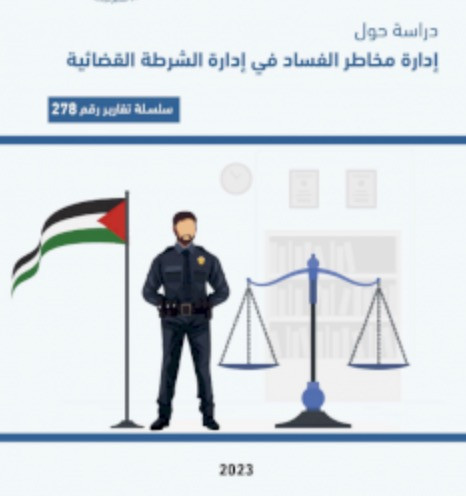 إدارة مخاطر الفساد في إدارة الشرطة القضائية Year of publication: 2023 Author: Fadi Rabaya Corporate author: Coalition for Integrity and Accountability (AMAN) تأتي هذه الدراسة في إطار التعاون المشترك بـين كلٍّ من جهاز الشرطة الفلسطيني والمنتدى المدني لتعزيز الحكم الرشيد في قطاع الأمن، وتسعى لرصد المخاطر التي لها تأثير فعّال على جودة الخدمات التي يقدمها جهاز الشرطة للمواطن في فلسيطن، ووضع الخطط الكفيلة بمواجهة هـذه المخاطر Managing Corruption Risks in the Judicial Police Administration Year of publication: 2023 Author: Fadi Rabaya Corporate author: Coalition for Integrity and Accountability (AMAN) This study is part of a collaborative effort between the Palestinian Police Service and the Civil Forum to enhance good governance in the security sector. It aims to identify risks that significantly affect the quality of services delivered by the Police Service to Palestinian citizens and to formulate strategies to address these risks.
  Artificial Intelligence and Democracy Year of publication: 2024 Author: Daniel Innerarity Corporate author: UNESCO Montevideo | Latin American Council of Social Sciences (CLACSO) UNESCO’s Recommendation on the Ethics of Artificial Intelligence, adopted by all Member States in November 2021, is the first global policy framework for artificial intelligence (AI) and outlines different aspects of this technology that directly impact political life. The initial considerations of the Recommendation outline the potential ramifications of AI across diverse domains, notably its implications for democracy. This report builds on these analyses and recommendations, aligning with the core values and principles outlined in the Recommendation. It delves into the current and potential impact of artificial intelligence on democracy and the benefits that both artificial intelligence and digitalization, in general, could bring to enhancing collective decision-making processes. This analysis is structured around four key topics:1. The democratic expectations and disappointments of digitization2. The new digital public space: the democratic conversation3. The democracy of data: the politics of Big Data4. Democracy as a form of political decision-making: algorithmic governance Finally, this report offers recommendations for the democratic governance of artificial intelligence aimed at mitigating neative impacts and fostering a more democratic approach to AI governance.
  قيم المواطنة في التعليم الأبتدائي : دراسة وصفية تحليلية لمحتوى كتاب التربية المدنية Year of publication: 2022 Author: Abdelghani Makhloufi Corporate author: Democratic Arab Center هدفت الدراسة إلى الوقوف على واقع انسجام قيم المواطنة الواردة في كتاب التربية المدنية للتعليم الابتدائي مع تلك القيم التي وردت في القانون التوجيهي للتربية الوطنية، باعتباره الإطار المرجعي لتأليف المناهج والكتب المدرسية، حيث توصلت الدراسة باعتماد منهج تحليل المحتوى من خلال شبكة تحليل محددة لقيم المواطنة في القانون التوجيهي، وتحليل محتويات كتب التربية المدنية لمرحلة التعليم الابتدائي ككل على ضوئها، إلى أن قيم المواطنة الواردة في كتاب التربية المدنية لمرحلة التعليم الابتدائي لا تتوافق مع مقدار القيم الواردة في القانون التوجيهي للتربية الوطنية إلا بنسبة46.15%، وهي نسبة غير كافية للدلالة على الاعتماد الفعلي للمؤلفين والجهات الوصية على مرجعية القانون التوجيهي للتربية الوطنية في المؤلفات المدرسية. Citizenship Values in Primary Education : An Analytical Descriptive Study of the Content of the Civics Textbook Year of publication: 2022 Author: Abdelghani Makhloufi Corporate author: Democratic Arab Center The study aimed to assess the alignment between the citizenship values presented in the civics textbooks for primary education and those outlined in the National Education Directive Law, which serves as the guiding framework for curriculum and textbook development. Employing a content analysis approach, the study compared the network of citizenship values delineated in the directive law with the contents of civics textbooks for primary education. Findings revealed a discrepancy, with the citizenship values in the civics textbooks aligning with only 53.85% of those specified in the directive law for national education. This disparity suggests a lack of adherence by textbook authors and publishers to the values prescribed in the directive law.
  بين تعليم المواطنة وممارستها -بحث في آليات تنشئة المواطن النشيط (vol.7, no.1 مجلة الناقد للدراسات السياسية) Year of publication: 2023 Author: Yusuf Zadam Corporate author: جامعة محمد خيضر بسكرة تقدم الدراسة بحثا في العلاقة بين المواطنة والتعليم، من خلال التساؤل عن الآليات الدقيقة لتنشئة المواطن النشيط. محاججا بأن تعليم المواطنة لا يكفي، بل يجب ممارسة الديمقراطية في مختلف مؤسسات وعمليات وسلوكيات الفاعلين في الوسط المدرسي. لذلك تضمنت الدراسة تدقيقا في طبيعة المواطن المرغوب والمواطنة المنشودة، مؤكدا على أن هناك فرق بين "المواطن النشيط" و"المتلقي السلبي". كما تضمنت آليات الانتقال من تعليم المواطنة إلى فهم الديمقراطية. توصلت الدراسة إلى أن المدرسة هي "مصنع" المواطنين النشطين والمتلقين السلبيين، وبالتالي فإن طبيعة العلاقة التي تحكم مختلف الفاعلين في البيئة المدرسية هي التي تحدد نوع المواطن. Citizenship Between Education and Practice: A Research on the Mechanisms of Training an Active Citizen (vol.7, no.1; Al-Naqid Journal for Political Studies) Year of publication: 2023 Author: Yusuf Zadam Corporate author: Mohamed Khider University of Biskra The study delves into the relationship between citizenship and education, aiming to understand the mechanisms for fostering an engaged citizenry. It argues that merely educating individuals about citizenship is insufficient; rather, democracy must be practiced within the diverse institutions, processes, and behaviors within the school. As such, the study elucidates the characteristics of the ideal citizen and desired citizenship, emphasizing the distinction between an 'active citizen' and a 'passive recipient.' Additionally, it explores the transition from citizenship education to a comprehension of democracy. The findings reveal that the school serves as a crucial arena shaping both active citizens and passive recipients. Therefore, the dynamics among various actors within the school environment significantly influence the type of citizen produced.
  التسامح (اللاعنف) في مناهج المرحلة الابتدائية للمدرسة الجزائرية (مجلة حقول معرفية للعلوم الاجتماعية والإنسانية vol.2, no.1) Year of publication: 2021 Author: Morad Fatima Zahra | Fantazi Karima Corporate author: Algeria. Ministry of Higher Education and Scientific Research جاءت هذه الدراسة بهدف الكشف عن وجود وكيفية تناول المقررات الدراسية للمرحلة الابتدائية لقيمة التسامح بشقيها الضمني والصريح وتحديدا مقررات التربية الإسلامية بوصفها أكثر المواد تأكيدا على التعايش مع الآخر والتسامح معه نظرا لما للتربية على التسامح والإقرار بوجود الآخر ووجوب احترامه والاعتراف به من أهمية. ولانجاز هذه الدراسة تم إتباع المنهج الوصفي وتقنية تحليل المحتوى أداة على عينة للمقرر السالف ذكره للسنوات الخمسة المشكلة للمرحلة الابتدائية، كما تم تطبيق التكرارات والنسب المئوية كأسلوب إحصائي. وقد توصلت الدراسة الى ان تناول المقررات الدراسية الوطنية للمرحلة الابتدائية لقيمة التسامح) اللاعنف (جاء متأرجحا بين الطرح الصريح والضمني على الرغم من أهمية الطرح الصريح في مثل هذه المرحلة العمرية وما يتركه من اثر في المتلقي أي التلميذ، كما تم استخلاص ان التربية على التسامح تعد مسؤولية المجتمع ككل وليس المدرسة فقط. Tolerance (Non violence) in the Curricular of Algerian Primary Schools (vol.2, no.1; Journal of Cognitive Fields for Social and Human Sciences) Year of publication: 2021 Author: Morad Fatima Zahra | Fantazi Karima Corporate author: Algeria. Ministry of Higher Education and Scientific Research This study aims to identify tolerance values within primary school curricula in two ways: explicitly and implicitly, focusing specifically on Islamic books due to their significant role in instilling values, particularly respect. The study utilizes the descriptive method and content analysis to analyze primary school books spanning five years. Statistical analysis is conducted using duplicates and percentages. The findings indicate that these books predominantly convey tolerance values implicitly rather than explicitly, which is believed to be more readily accepted by children of this age group. It is concluded that fostering tolerance values should be a shared responsibility of both the community and the school, not solely the latter.
 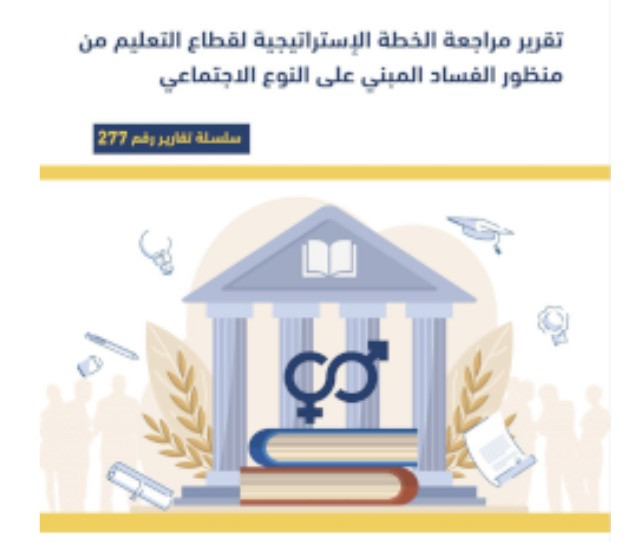 تقرير مراجعة الخطة الاستراتيجية لقطاع التعليم من منظور الفساد المبني على النوع الاجتماعي Year of publication: 2023 Author: Hudhaifah Jalamna Corporate author: Coalition for Integrity and Accountability (AMAN) يهـدف التقريـر إلـى مراجعـة الخطـة الاسـتراتيجية لقطـاع التعليـم وتحليلهـا؛ للوقـوف علـى مـدى اسـتجابتها لمكافحـة الفسـاد بشـكل عـام، والفسـاد المبنـي علـى النـوع الاجتماعـي بشـكل خـاص. واقتـــراح توصيـــات لصنـاع القـرار تسـهم في تضمـين سياسـات وآليـات لتعزيـز النزاهـة ومكافحـة الفسـاد في الخطـة الإسـتراتيجية القادمـة.