
Resources
Explore a wide range of valuable resources on GCED to deepen your understanding and enhance your research, advocacy, teaching, and learning.
3,229 Results found
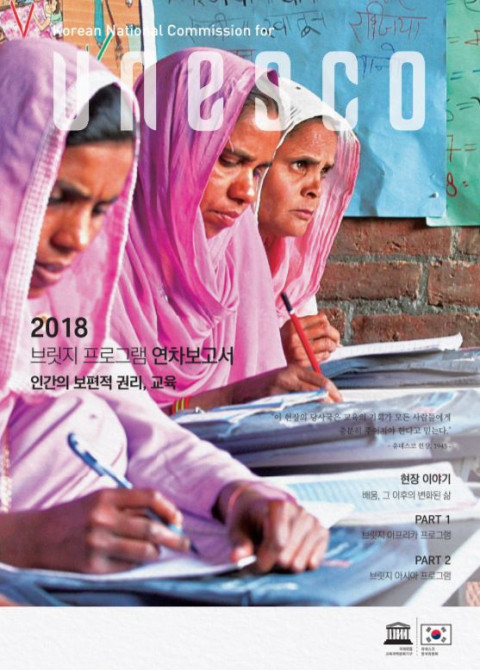 2018-2019 브릿지 프로그램 연차보고서 Year of publication: 2019 Corporate author: 유네스코한국위원회 국제사회는 지속가능발전목표 4번(SDG4)를 통해 2030년까지 모든 이들에게 포용적이고 공평한 양질의 교육을 보장하고, 평생학습의 기회가 증진되도록 노력하자는 교육 기치를 내세웠다.특히 SDG4는 아동의 초등교육 강화에 중심을 둔 '새천년개발목표' 2번(MDG2)과 모든 연령대의 기초교육에 초점을 둔 '모두를위한교육'(EFA)의 미완의 목표를 포괄함은 물론, 기초교육 이후의 교육(중등, 고등) 및 훈련(직업,기술)을 평생학습 차원에서 촉진함으로써 교육의 보편성을 강조하고 있다. 유네스코한국위원회의 브릿지 사업은 이러한 국제사회의 노력에 동참하며, 교육의 보편적 기본권이 확산될 수 있도록 돕기 위해, 전 세계적으로 교육 소외자가 집중되어 있는 사하라 이남 아프리카 지역과 남아시아 지역의 모든 연련대 교육 소외자들을 대상으로 교육권 강화에 이바지하고 있다. 브릿지 사업은 나이, 성별, 종교 그리고 사회적 배경으로 인해 공교육으로부터 배제된 이들이 교육을 받음으로써 자존감을 회복하고 삶의 질을 향상시킬 수 있게 도우며, 이러한 개인의 성장만이 궁극적으로 지역사회의 변화와 발전으로 이어진다는 확신을 갖고 있다.이 보고서에서는 브릿지 아프리카 프로그램, 브릿지 아시아 프로그램과 국별 프로젝트 및 성과를 확인할 수 있다.
  Égalité hommes-femmes vs conscience environnementale: Scène de ménage inéluctable ou convergence des luttes ? Year of publication: 2018 Author: Solène Houzé Réduire son empreinte environnementale est un souci qui gagne chaque jour davantage de citoyens. On essaye de faire de son mieux, pour soi et pour la planète. Cela demande une adaptation pour toute une série de tâches domestiques et de gestes quotidiens (choix de l’alimentation, moyens de transports, zéro déchet, produits d’entretiens naturels, etc.). À l’heure où la répartition des tâches domestiques est encore bien souvent inégalement partagée entre hommes et femmes, il est légitime de s’interroger sur la pression qu’exerce la conscience écologique sur le quotidien des femmes au sein de la sphère privée. Les enjeux des rapports de genre se mêlent alors aux enjeux environnementaux. L’écoféminisme est un courant de pensée qui veut analyser le rapprochement entre ces deux combats. Quels sont donc les fondements de ce mouvement et comment l’action au quotidien pour la nature et le climat s’inscrit-elle dans les analyses écoféministes ? Cette analyse invite donc à discuter des bases genrées nécessaires à une transition verte et durable dans toutes ses dimensions.
 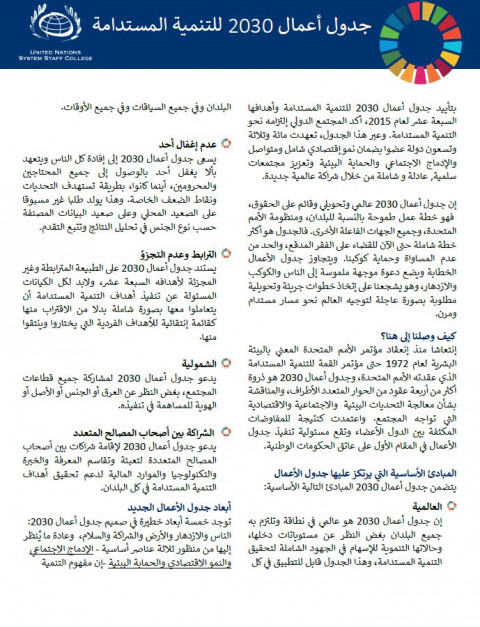 جدول أعمال 2030 للتنمية المستدامة Year of publication: 2018 Corporate author: United Nations System Staff College (UNSSC) من خلال تأييد خطة التنمية المستدامة لعام 2030 وأهدافها السبعة لعام 2015 ، أكد المجتمع الدولي على التنمية المستدامة. في هذا الجدول ، تعهدت مائة وتسع وثلاثون دولة من الدول الأعضاء بضمان نمو اقتصادي شامل ومستدام ، والاندماج الاجتماعي ، وحماية البيئة وتعزيز المجتمعات السلمية والعادلة والشاملة للجميع من خلال شراكة عالمية جديدة. إن جدول أعمال 2030 قائم على الحقوق وطموح. إنه خطة عمل طموحة للبلدان ، ومنظومة الأمم المتحدة ، وجميع الجهات الفاعلة الأخرى. تتجاوز الأجندة الخطابة وتوجه دعوة ملموسة للناس والكوكب والازدهار ، وتشجعنا على اتخاذ خطوات جريئة وتحويلية مطلوبة بشكل عاجل لتوجيه العالم نحو طريق مستدام ومرن. 2030 Agenda for Sustainable Development Year of publication: 2018 Corporate author: United Nations System Staff College (UNSSC) By endorsing the 2030 Agenda for Sustainable Development and its seven goals for 2015, the international community emphasized sustainable development. In this table, one hundred and ninety three Member States pledged to ensure inclusive and sustained economic growth, social inclusion, environmental protection and the promotion of peaceful, just and inclusive societies through a new global partnership. The Agenda 2030 is rights-based and ambitious.It is an ambitious plan of action for countries, the United Nations system, and all other actors. The agenda goes beyond rhetoric and makes a concrete call to people, the planet and prosperity, and it encourages us to take bold and transformative steps urgently needed to guide the world towards a sustainable and resilient path.
 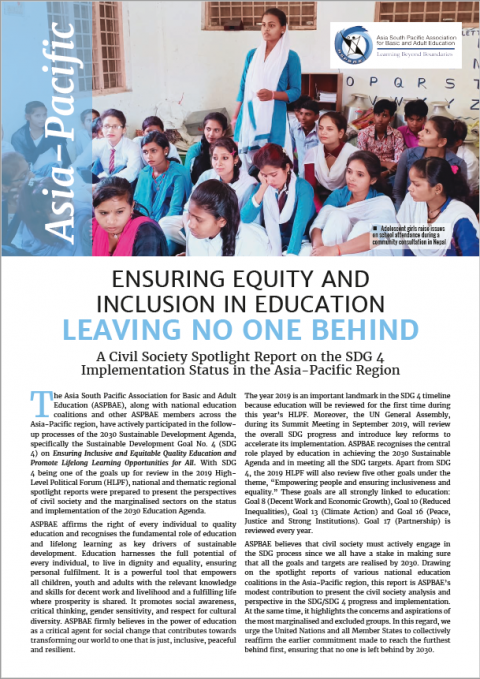 Asia-Pacific Spotlight Report on SDG 4 Year of publication: 2019 Corporate author: Asia South Pacific Association for Basic and Adult Education (ASPBAE) ASPBAE believes that civil society must actively engage in the SDG process since we all have a stake in making sure that all the goals and targets are realised by 2030. Drawing on the spotlight reports of various national education coalitions in the Asia-Pacific region, this report is ASPBAE’s modest contribution to present the civil society analysis and perspective in the SDG/SDG 4 progress and implementation. At the same time, it highlights the concerns and aspirations of the most marginalised and excluded groups. In this regard, we urge the United Nations and all Member States to collectively reaffirm the earlier commitment made to reach the furthest behind first, ensuring that no one is left behind by 2030.
 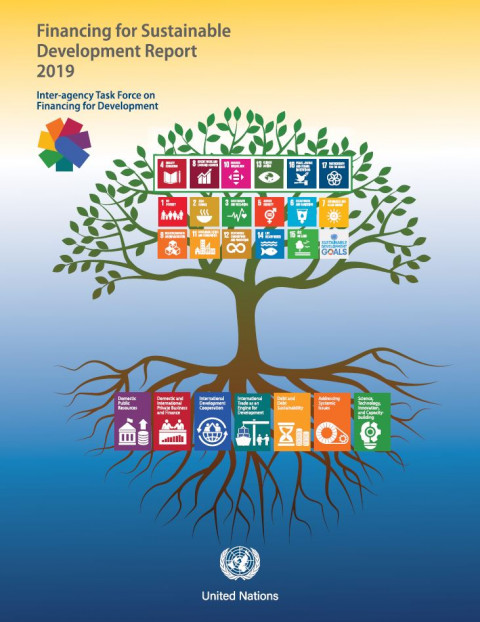 Financing for Sustainable Development Report 2019: Report of the Inter-agency Task Force on Financing for Development Year of publication: 2019 Corporate author: United Nations (UN) This report provides a comprehensive assessment of the state of sustainable finance. Prepared by more than 60 UN agencies, programmes and offices and other relevant international organizations, the report puts forward a set of policy recommendations for achieving tangible progress on financing for sustainable development in 2019 and beyond.The report warns that creating favorable conditions is becoming more challenging. Rapid changes in technology, geopolitics, and climate are remaking our economies and societies, and existing national and multilateral institutions -- which had helped lift billions out of poverty -- are now struggling to adapt. Confidence in the multilateral system has been undermined, in part because it has failed to deliver returns equitably, with most people in the world living in countries with increasing inequality.
 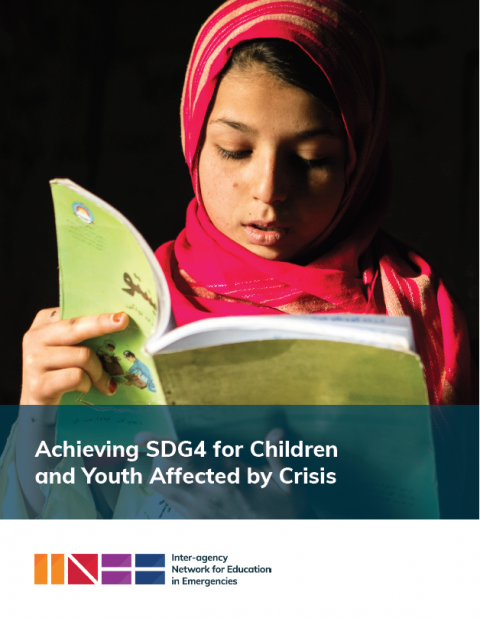 Achieving SDG4 for Children and Youth Affected by Crisis Year of publication: 2019 Corporate author: Inter-agency Network for Education in Emergencies (INEE) With the Sustainable Development Goal 4 (SDG4), the global community committed to ensuring a quality education for all children and youth. Despite this promise, children and youth in crisis contexts continue to be neglected. We will never achieve SDG4 unless all children and youth affected by conflict and crisis are able to access and attend school and learn in a quality, safe, relevant and inclusive education environment. There is an urgent need for governments and the international community to make and adhere to political, financial and legal commitments if we truly are to leave no child behind. This brief offers recommendations for addressing the disparities in safe, quality, inclusive education for children affected by crisis. It begins by highlighting key areas for policy and practice, and looks at ways to use the various tools developed by the Inter-agency Network of Education in Emergencies (INEE). It takes a look at overall themes and trends, as well as the specific issues of gender disparities, the importance of supporting teachers, children’s psycho-social wellbeing and the protection and safety of education in conflict.
  Policy brief: rethinking schooling for the 21st century Year of publication: 2018 Corporate author: Mahatma Gandhi Institute of Education for Peace and Sustainable Development (MGIEP) Analysing how far the ideals of SDG 4.7 are embodied in policies and curricula across 22 Asian countries, this study establishes benchmarks against which future progress can be assessed. It also argues forcefully that we must redefine the purposes of schooling, addressing the fundamental challenges to efforts to promote peace, sustainability and global citizenship through education.
 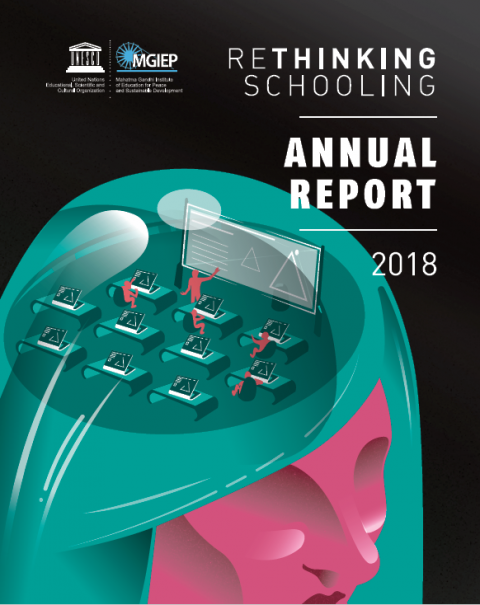 Rethinking schooling: annual report 2018 Year of publication: 2019 Corporate author: Mahatma Gandhi Institute of Education for Peace and Sustainable Development (MGIEP) Calls to gear up schools for the 21st century are ubiquitous today. Some Asian education systems are held up as models for an innovation-led utopian future. Across much of Asia, however, neither the reality of schooling nor the patterns of development with which it is associated give cause for blithe optimism. This study is informed by UNESCO’s commitment to realizing the Sustainable Development Goals (SDGs) through educational reform worldwide. Since its inception, UNESCO has championed a humanistic vision of education (UNESCO, 2015)—a vision today encapsulated in SDG 4.7. These ideals need to be strongly restated and defended in an era when educational debate has come to be framed by a narrowly economistic and instrumentalist agenda. Deriving urgent significance from this broader context, the Rethinking Schooling report analyses how far the ideals of SDG 4.7 are embodied in policies and curricula across 22 Asian countries (UNESCO MGIEP, 2017a). The report seeks to develop benchmarks against which future progress can be assessed. It also argues forcefully that the fundamental purposes of schooling need to be reconfigured, if the ideals to which the global community has subscribed are actually to be realized.
  Implementation of sustainable development goals in the SPECA region Year of publication: 2017 Corporate author: United Nations Economic Commission for Europe (UNECE) This study is aimed at analyzing the links between the work on achieving the Sustainable Development Goals (SDGs) in the national framework of countries participating in the UN Special Program for the Economies of Central Asia (SPECA) and identifying areas in which the cooperation of these countries in the framework of SPECA will be useful. The analysis will lead to policy recommendations on how regional cooperation within SPECA can contribute to progress in the implementation of the SDGs.