
Resources
Explore a wide range of valuable resources on GCED to deepen your understanding and enhance your research, advocacy, teaching, and learning.
518 Results found
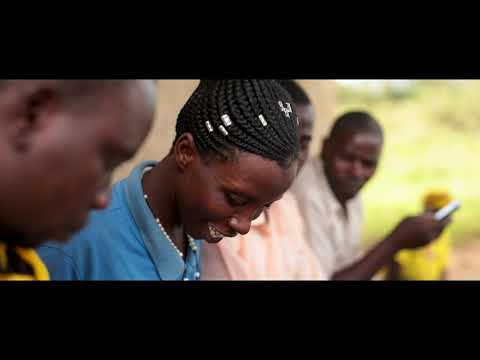 Mpanga Year of publication: 2020 Corporate author: Îles de Paix Ce reportage d’une quinzaine de minutes permet de découvrir la vie des populations rurales des zones de Kabambiro en Ouganda, mais aussi des défis que ces personnes sont amenées à relever. Ce reportage montre comment des solutions sont mises en place pour pallier à ces différents difficultés, en abordant notamment la question de l’agriculture familiale durable.
  Systèmes éducatifs africains et orientations internationales pour l’éducation au XXIe siècle (Revue internationale d’éducation de Sèvres; no. 77) Year of publication: 2018 Author: Abdeljalil Akkari Corporate author: France Education International L’agenda Éducation 2030 fait partie des 17 objectifs de développement durable des Nations unies. Tout d’abord, questionnons l’utilité des déclarations internationales en matière d’éducation. On observe en effet que les objectifs ambitieux sont repris d’une conférence internationale à l’autre. En réalité, il faut souligner le caractère à la fois utopique mais aussi mobilisateur de ces orientations. Leur intérêt se situe essentiellement dans leur capacité à mobiliser ressources (notamment financières). Sur le plan national, un agenda international porté par les Nations Unies a une valeur symbolique forte. Il marque un cap, un horizon vers lequel la communauté éducative internationale veut tendre. La nouveauté de l’agenda 2030 est qu’il a pour ambition de réunir l’ensemble des nations sur des objectifs similaires et universels.2Il est utile de se demander ce que les États membres de l’ONU font d’un agenda international. La réponse à cette question dépend de la puissance des États et de leur place dans la géopolitique mondiale. Pour les États les plus puissants, l’agenda exerce une influence relativement limitée sur leurs politiques éducatives domestiques, en dehors du choc ponctuel lié à la publication des résultats des études comparatives internationales. En revanche, pour les États les plus dépendants de l’aide internationale à l’éducation, la conformité avec les orientations d’un agenda international peut leur permettre d’accéder à des financements indispensables pour le développement ou simplement le maintien de leurs systèmes éducatifs.
 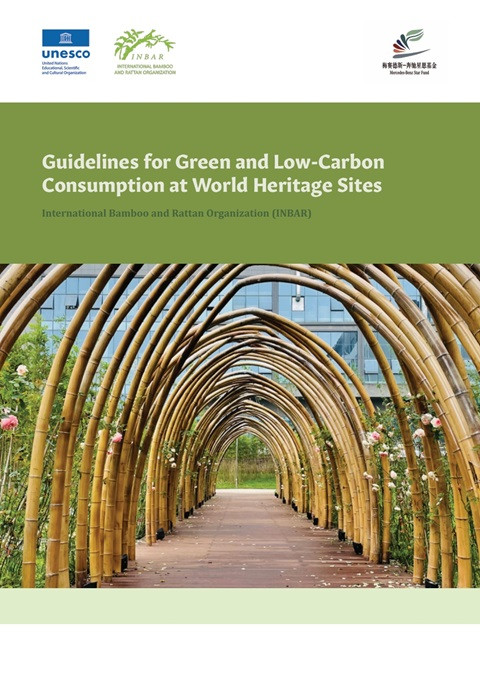 Guidelines for Green and Low-Carbon Consumption at World Heritage Sites Year of publication: 2024 Corporate author: UNESCO Beijing | International Bamboo and Rattan Organization (INBAR) Benefiting from Chishui’s rich tourism resources, such as Chishui Danxia World Heritage site, national nature reserves, and attractive landscapes with bamboo featured, ecotourism is flourishing in Chishui. Since 2018, within the framework of China Youth Development Foundation Mercedes-Benz Star Fund "Conservation and Management of World Heritage Sites in China" project, UNESCO Regional Office for East Asia has been implementing the “Bamboo for Carbon Neutrality in Rural Areas” pilot activity on bamboo handicraft sustainable livelihood and carbon reduction and low-carbon development in collaboration with Chishui World Heritage Administration, Chishui Forestry Administration and International Bamboo and Rattan Organization (INBAR) with the support from the Intangible Cultural Heritage Department of Ministry of Culture and Tourism and the Guizhou Forestry and Grassland Administration. In recent years, the Chinese government has attached great importance to green consumption in implementing the Action Plan for Carbon Dioxide Peak Before 2030 and has achieved remarkable results. However, rigid constraints still exist in several industries, meaning that the long-term mechanism for promoting green consumption and the supporting role of green consumption in high-quality economic development need to be strengthened. In response to this demand, the Guidelines for Green and Low-Carbon Consumption at World Heritage Sites takes the development and utilization of bamboo resources as an entry point to provide systematic guidance for World Heritage sites to implement green and low-carbon concepts in consumer activities, especially in tourism development. 世界遗产地绿色低碳消费指南 Year of publication: 2024 Corporate author: UNESCO Beijing | International Bamboo and Rattan Organization (INBAR) 得益于赤水丰富的竹资源以及丹霞世界遗产地,自然保护区,风景区等旅游资源,近年来赴赤水市生态旅游人次增长迅速,带动和刺激在赤旅游消费。自2018年起,联合国教科文组织东亚地区办事处在CYDF梅赛德斯-奔驰《中国世界遗产地保护和管理》项目框架下,与赤水遗产地管理局、赤水林业局和国际竹藤组织合作,在文化和旅游部非物质文化遗产司和贵州林草局的支持下,在赤水开展 “竹乡碳计” 竹手工艺可持续生计以及世界遗产地减碳和低碳发展试点。近年来,中国政府为贯彻落实《2030年前碳达峰行动方案》,积极在全国范围内推广绿色消费理念,即各类消费主体在消费活动全过程贯彻绿色低碳理念的消费行为,并取得了积极进展。然而绿色消费需求仍待激发和释放,一些领域依然存在浪费和不合理消费,促进绿色消费长效机制尚需完善,绿色消费对经济高质量发展的支撑作用有待进一步提升。为回应这一需求,《世界遗产地绿色低碳消费指南》将以竹资源的开发和利用为切入点,为世界遗产地在消费活动特别是旅游业发展中贯彻绿色低碳理念提供系统性指导。
 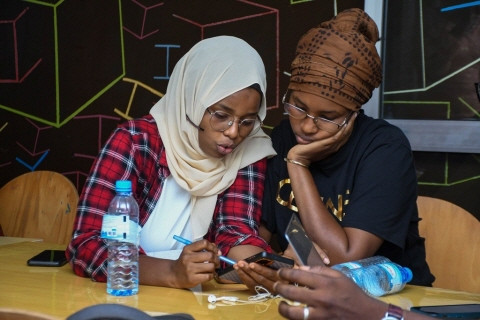 Fighting Against Disinformation and Hate Speech Year of publication: 2024 Corporate author: Association of Guinean Bloggers (ABLOGUI) This online MOOC is completely free. It is offered by the Association des Blogueurs de Guinée (ABLOGUI) through the IMPACT project (Implication of Digital Media in the Active Prevention of Conflicts and Tensions). It aims at raising awareness among young Guineans of the dangers of misinformation and hate speech, and to equip them with the knowledge and skills they need to combat information disorder in a digital world. Lutte contre la désinformation et les propos haineux Year of publication: 2024 Corporate author: Association of Guinean Bloggers (ABLOGUI) Ce MOOC en ligne est entièrement gratuit. Il est proposé par l'Association des Blogueurs de Guinée (ABLOGUI) dans le cadre du projet IMPACT (Implication des médias numériques dans la prévention active des conflits et des tensions). Il vise à sensibiliser les jeunes Guinéens aux dangers de la désinformation et des discours de haine, et à les doter des connaissances et des compétences nécessaires pour lutter contre le désordre de l'information dans un monde numérique.
 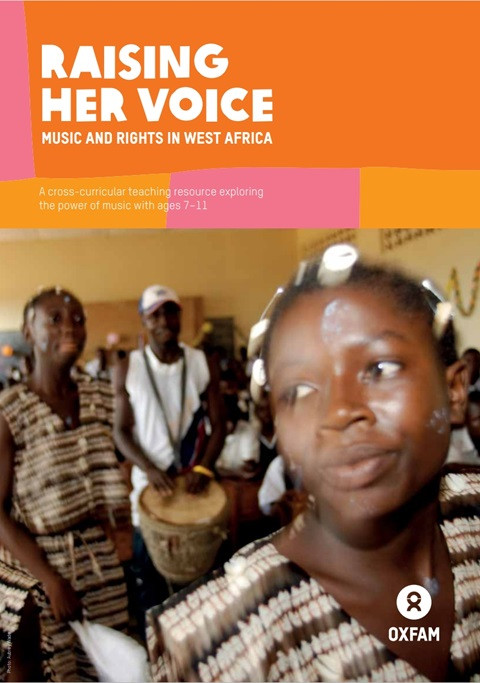 Raising Her Voice: Music and Rights in West Africa Corporate author: Oxfam GB Investigate the power of music with these classroom activities for ages 7-11. Focusing on West Africa, this teaching resource will guide learners through an exploration of aspects of the culture, history and experiences of people in Benin, Mali and Senegal, and of how music can be used to express people's voices. These activities could be used alongside the Raising our Voices education resource.
 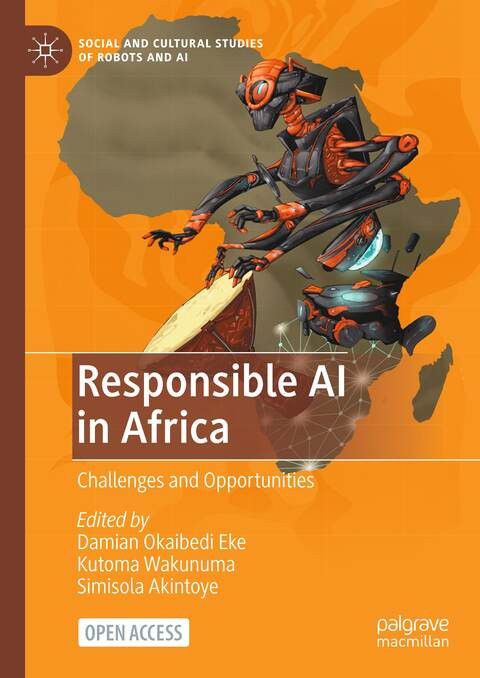 Responsible AI in Africa: Challenges and Opportunities Year of publication: 2023 Corporate author: Palgrave Macmillan This open access book contributes to the discourse of Responsible Artificial Intelligence (AI) from an African perspective. It is a unique collection that brings together prominent AI scholars to discuss AI ethics from theoretical and practical African perspectives and makes a case for African values, interests, expectations and principles to underpin the design, development and deployment (DDD) of AI in Africa. The book is a first in that it pays attention to the socio-cultural contexts of Responsible AI that is sensitive to African cultures and societies. It makes an important contribution to the global AI ethics discourse that often neglects AI narratives from Africa despite growing evidence of DDD in many domains. Nine original contributions provide useful insights to advance the understanding and implementation of Responsible AI in Africa, including discussions on epistemic injustice of global AI ethics, opportunities and challenges, an examination of AI co-bots and chatbots in anAfrican work space, gender and AI, a consideration of African philosophies such as Ubuntu in the application of AI, African AI policy, and a look towards a future of Responsible AI in Africa.
 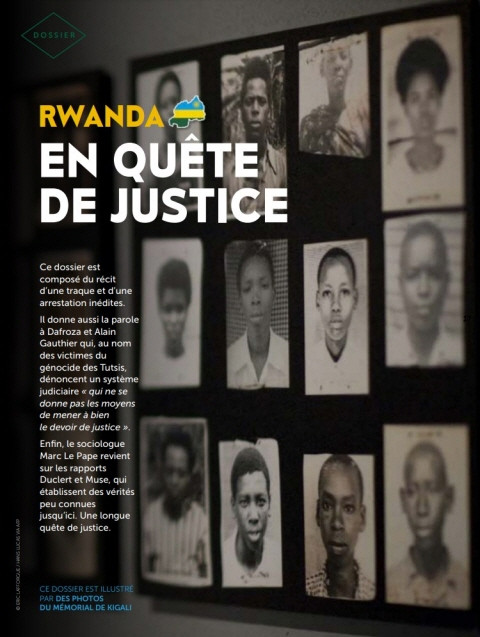 Rwanda: In Search of Justice(Humains; no.30) Year of publication: 2024 Corporate author: Action by Christians for the Abolition of Torture (ACAT France) On the thirtieth anniversary of the genocide of the Tutsis in Rwanda, ACAT-France looks back at this tragic event for human rights. Discover the dossier in the magazine Humains #32 devoted to this subject. Rwanda: En quête de justice (Humains; n° 30) Year of publication: 2024 Corporate author: Action by Christians for the Abolition of Torture (ACAT France) À l’occasion du trentième anniversaire du génocide des Tutsis au Rwanda, l’ACAT-France revient sur cet événement tragique pour les droits de l’Homme. Découvrez le dossier de la revue Humains #32 consacré à ce sujet.