
Resources
Explore a wide range of valuable resources on GCED to deepen your understanding and enhance your research, advocacy, teaching, and learning.
950 Results found
 Education, Poverty and Terrorism: Is There a Causal Connection? Year of publication: 2003 Author: Alan B. Krueger | Jitka Maleckova Corporate author: American Economic Association Selon les auteurs, le lien entre la pauvreté, l'éducation et le terrorisme est indirect, compliqué et probablement faible. Au lieu de considérer le terrorisme comme une réaction immédiate au manque d’opportunités d’accéder au marché du travail ou comme résultant de l'ignorance, l'article suggère de considérer le terrorisme comme une réaction à des situations politiques et des sentiments d'indignité et de frustration de longue date, dont le lien avec l'économie est faible.
 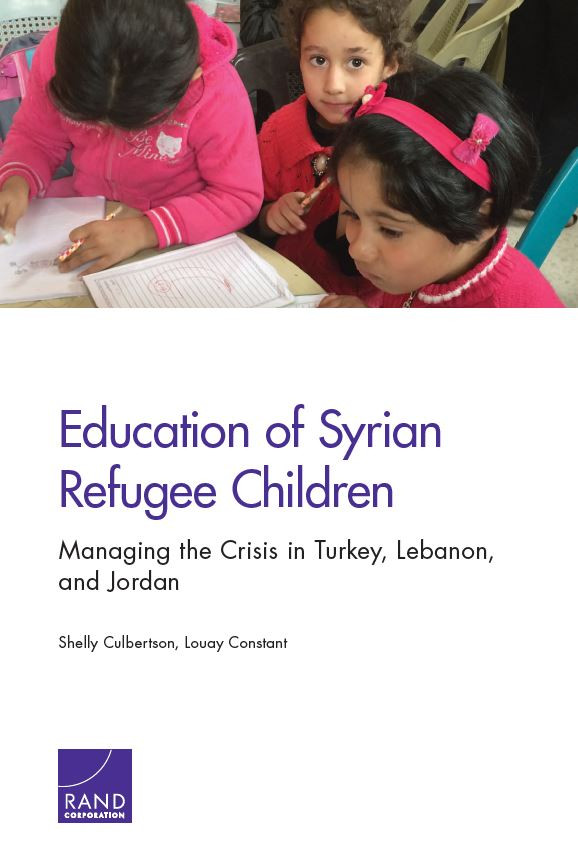 تعليم اللاجئين السوريين: إدارة الازمة في تركيا ولبنان والأردن Year of publication: 2015 Author: Shelly Culbertson | Louay Constant Corporate author: RAND Corporation مع وجود أربعة ملايين لاجئ سوري اعتبارًا من سبتمبر 2015 ، هناك حاجة ملحة لتطوير مناهج قصيرة وطويلة الأجل لتوفير التعليم لأطفال هذه الفئة من السكان. يستعرض هذا التقرير تعليم اللاجئين السوريين للأطفال في البلدان الثلاثة المجاورة التي تضم أكبر عدد من اللاجئين - تركيا ولبنان والأردن - ويحلل أربعة مجالات: الوصول والإدارة والمجتمع والجودة. وتشمل آثار السياسة إعطاء الأولوية للحاجة الملحة لزيادة فرص الحصول على التعليم بين اللاجئين ؛ الانتقال من استجابة إنسانية قصيرة المدى إلى استجابة إنمائية طويلة المدى ؛ الاستثمار في كل من قدرة الحكومة على توفير التعليم وفي البدائل الرسمية عالية الجودة لأنظمة المدارس العامة ؛ تحسين البيانات لدعم صنع القرار ؛ تطوير استراتيجية تداولية حول كيفية دمج أو فصل الأطفال السوريين وأطفال الدول المضيفة في المدارس لتعزيز التماسك الاجتماعي ؛ الحد من عمالة الأطفال وتمكين التعليم من خلال وضع سياسات توظيف للبالغين ؛ وتنفيذ خطوات معينة لتحسين جودة التعليم لكل من اللاجئين والمواطنين.
  The Role of Educational Policy in Promoting National Belonging: A Critical Analytical Study Year of publication: 2010 Author: Salem AlShamsi Corporate author: University of Aden This study focuses on analyzing the role of educational policy in promoting national belonging. It examines how education affects political participation. It also discusses the role that education should play in establishing national belonging. دور السياسة التربوية في تعزيز الانتماء الوطني : دراسة تحليلية نقدية Year of publication: 2010 Author: Salem AlShamsi Corporate author: University of Aden تركز الدراسة على تحليل دور السيساة التربوية في تعزيز الانتماء الوطني. وتبحث في كيفية تأثير التعليم على المشاركة السياسة. وأيضا تناقش الدور الذي يجب أن يلعبه التعليم في تأصيل الانتماء الوطني. Education of Syrian Refugee Children: Managing the Crisis in Turkey, Lebanon, and Jordan Year of publication: 2015 Author: Shelly Culbertson | Louay Constant Corporate author: RAND Corporation With four million Syrian refugees as of September 2015, there is urgent need to develop both short-term and long-term approaches to providing education for the children of this population. This report reviews Syrian refugee education for children in the three neighboring countries with the largest population of refugees — Turkey, Lebanon, and Jordan — and analyzes four areas: access, management, society, and quality. Policy implications include prioritizing the urgent need to increase access to education among refugees; transitioning from a short-term humanitarian response to a longer-term development response; investing in both government capacity to provide education and in formal, quality alternatives to the public school systems; improving data in support of decisionmaking; developing a deliberative strategy about how to integrate or separate Syrian and host-country children in schools to promote social cohesion; limiting child labor and enabling education by creating employment policies for adults; and implementing particular steps to improve quality of education for both refugees and citizens.
  Communication Strategy and Addressing the Phenomenon of Child Abduction in Algeria Year of publication: 2023 Author: Saeed Abdul Razzaq The study aimed to identify the role of the communication strategy in treating one of the communication strategy of the General Directorate of National Security in the process of protecting children, and the role of various communication tools and activities in treating and reducing the phenomenon of abduction of children in Algeria . We found that the communication strategy of the Directorate General of National Security plays an important role in the process of reducing the risk of child abduction in Algeria through the preventive communication strategy aimed at protecting children from abduction. الاستراتيجية الاتصالية ومعالجة ظاهرة اختطاف الأطفال في الجزائر Year of publication: 2023 Author: Saeed Abdul Razzaq هدفت الدراسة إلى معرفة دور الاستراتيجية الاتصالية في معالجة احدى الظواهر الاجتماعية المتمثلة في ظاهرة اختطاف الأطفال في الجزائر، من خلال عرض الاستراتيجية الاتصالية الخاصة بالمديرية العامة للأمن الوطني في عملية حماية الأطفال، ودور الوسائل والأنشطة الاتصالية المختلفة في معالجة والحد من ظاهرة اختطاف الأطفال في الجزائر. وقد وتوصلنا من خلال دراستنا أن للاستراتيجية الاتصالية للمديرية العامة للأمن الوطني دور مهم في عملية الحد من خطورة ظاهرة اختطاف الأطفال في الجزائر عبر الاستراتيجية الاتصالية الوقائية التي تهدف لحماية الأطفال من الاختطاف.
  Opportunities for Media and Information Literacy in the Middle East and North Africa: Yearbook 2016 Year of publication: 2016 Author: Magda Abu-Fadil | Jordi Torrent | Alton Grizzle Corporate author: International Clearinghouse on Children, Youth and Media (Sweden) Opportunities for Media and Information Literacy in the Middle East and North Africa is the seventeenth Yearbook published by the Clearinghouse and fills a gap in the existing body of literature about the progress of media and information literacy work in different parts of the world. This book also helps educators in the Middle East and North Africa region looking for opportunities to bring to their classrooms elements of MIL education.
 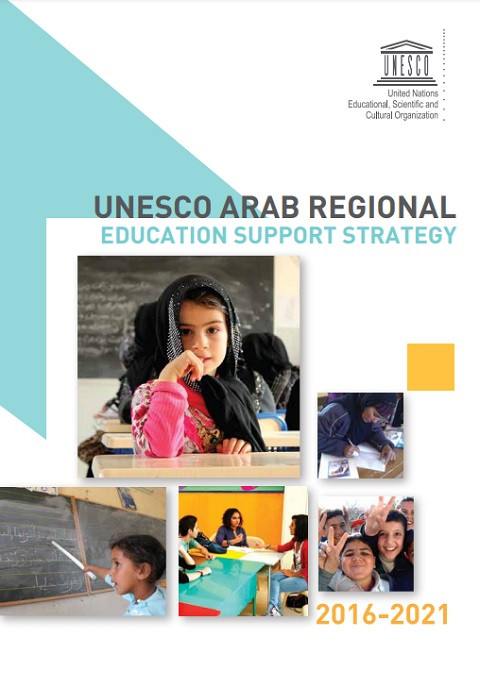 UNESCO Arab Regional Education Support Strategy: 2016-2021 Year of publication: 2016 Corporate author: UNESCO Beirut Covering the period of 2016-2021, this strategy document aims to provide tangible support for each Member State in the Arab Region, taking into account national needs and priorities and thus employing nationally relevant approaches based on the Agenda 2030 for Sustainable Development.
 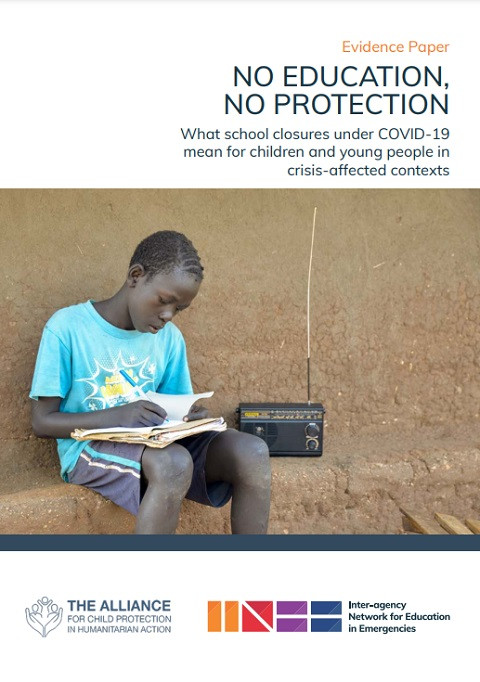 No Education, No Protection: What School Closures Under COVID-19 Mean for Children and Young People in Crisis-Affected Contexts Year of publication: 2021 Corporate author: Inter-agency Network for Education in Emergencies (INEE) | Alliance for Child Protection in Humanitarian Drawing from research and experience on previous infectious disease outbreaks and an emergent body of work from the current COVID-19 pandemic, this report highlights the primarily negative effects resulting from the combination of sudden school closures and restricted access to and availability of services, social networks, and other protective facilities for children and young people living in crisis-affected contexts. The consequences of school closures on education and child protection can be categorized into three principal areas:1. Loss of learning and impediments to providing inclusive, equitable, quality education2. Negative impact on child well-being and healthy development3. Amplified child protection risks and harms experienced by children and young people