
Resources
Explore a wide range of valuable resources on GCED to deepen your understanding and enhance your research, advocacy, teaching, and learning.
730 Results found
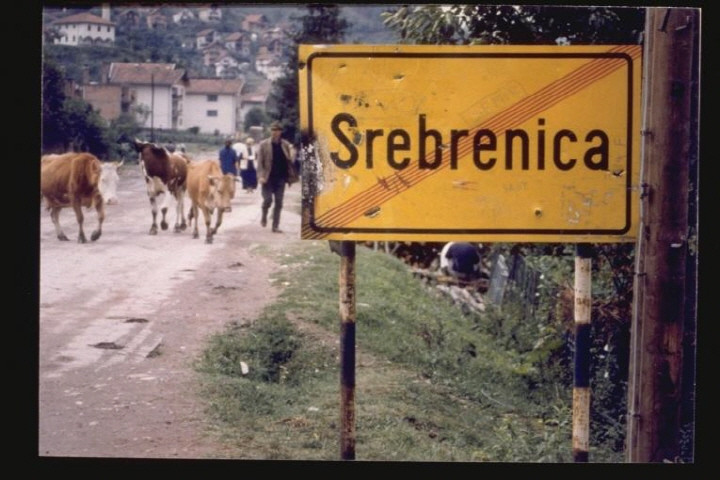 [Podcast] Retour à Srebrenica Year of publication: 2022 Corporate author: Doctors without Borders Depuis sa création en 1971, Médecins Sans Frontières apporte une aide médicale aux populations qui en ont besoin dans nombre de situations extrêmement complexes. Son personnel a souvent été témoin de toutes sortes de crimes et d’abus. Dans ce podcast, nous allons examiner en détail l’une de ces crises : le siège de la ville de Srebrenica et le massacre qui suivra la chute de cette ville, lors de la guerre de Bosnie, au cours des années 1990.
  The Concept of Citizenship Throughout History Year of publication: 2021 Corporate author: Argentina. Ministry of Education This video explores the notion of citizenship throughout history. This video was produced within the framework of the Seguimos Educando Program, which during 2020 and 2021 allowed, through different means, students to remain in contact with school. The proposed activities and content are guided by the Priority Learning Cores common to the entire country. El concepto de ciudadanía a lo largo de la historia Year of publication: 2021 Corporate author: Argentina. Ministry of Education Este video recorre la noción de ciudadanía a lo largo de la historia. Este video fue elaborado en el marco del Programa Seguimos Educando, que durante 2020 y 2021 permitió, a través de distintos medios, que las y los estudiantes siguieran en contacto con la escuela. Las actividades y contenidos propuestos están orientados por los Núcleos de Aprendizajes Prioritarios comunes para todo el país.
 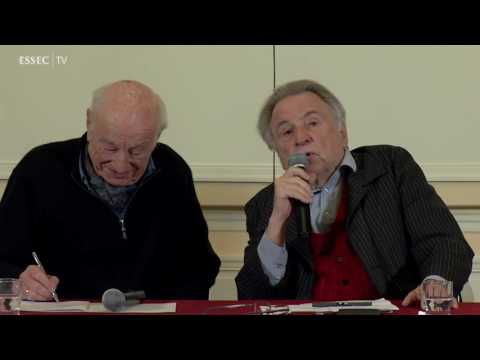 SANS TABOU, Debate Between Edgar Morin and Régis Debray on "Citizenship" Year of publication: 2016 Corporate author: ESSEC Business School Debate "Without Taboo" between Edgar Morin and Régis Debray on the theme of "Citizenship", moderated by Jean-Michel Blanquer, Managing Director of Essec at the Maison de d'Amérique Latine on November 17, 2016 and organized by the chair Edgar Morin on the complexity of Essec directed by Professor Laurent Bibard. SANS TABOU, débat entre Edgar Morin et Régis Debray sur "La Citoyenneté" Year of publication: 2016 Corporate author: ESSEC Business School Débat "Sans Tabou" entre Edgar Morin et Régis Debray sur le thème de "La Citoyenneté", animé par Jean-Michel Blanquer, Directeur Général de l'Essec à la Maison de l'Amérique Latine le 17 novembre 2016 et organisé par la chaire Edgar Morin de la complexité de l'Essec dirigée par le professeur Laurent Bibard.
  Guinea Pig VF (S. Prijot) Year of publication: 2015 Corporate author: Îles de Paix In Peru, the guinea pig is bred for its protein-rich flesh. For a long time, they grew up within the family itself, without any particular precaution in terms of hygiene and the care to be provided to them. Thanks to the intervention of Iles de Paix, a hundred women were trained in the breeding of these animals, thus making it possible to improve the quality and the quantity of the production. Through this action, many families have seen their food enriched considerably and for some, their income improved. Cochon d'Inde VF (S. Prijot) Year of publication: 2015 Corporate author: Îles de Paix Au Pérou, le cochon d'Inde est élevé pour sa chair riche en protéines. Longtemps, ceux-ci grandissaient au sein même de la famille, sans aucune précaution particulière au niveau de l'hygiène et des soins à leur prodiguer. Grâce à l'intervention d'Iles de Paix, une centaine de femmes a été formée à l'élevage de ces animaux, permettant ainsi d'améliorer la qualité et la quantité de la production. À travers cette action, beaucoup de familles ont vu leur alimentation s'enrichir considérablement et pour certaines, leurs revenus s'améliorer.
 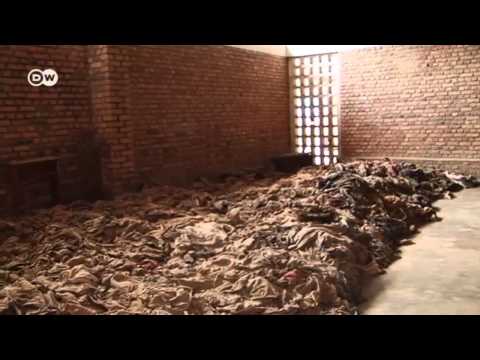 20 Years of the Rwandan Genocide Year of publication: 2014 Corporate author: DW Español The rainy season in Rwanda recalls how 20 years ago the extermination of the tutsi population began by part of the hegemonic Hutu goverment of Rwanda in 1994. 20 años del genocidio de Ruanda Year of publication: 2014 Corporate author: DW Español La temporada de lluvias en Ruanda, recuerda como hace 20 años empezó el exterminio de la poblaicón tutsi por parte del gobierno hegemónico hutu de Ruanda en el año 1994.
 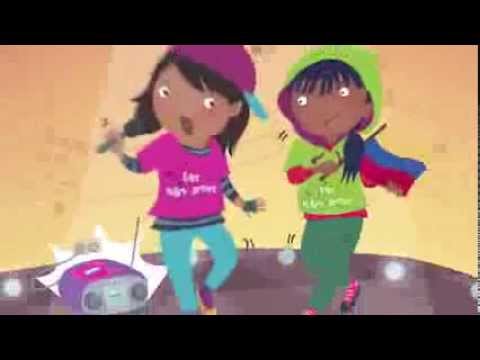 What Is Democracy? Year of publication: 2014 Corporate author: Manthra Communication In this video, the concept of democracy is explained to the children. Later, a teacher assigns a task to her students about this topic, then each student presents the topic in a creative way.