
Resources
Explore a wide range of valuable resources on GCED to deepen your understanding and enhance your research, advocacy, teaching, and learning.
1,448 Results found
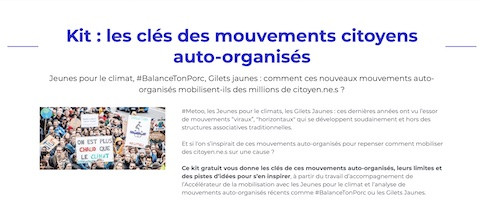 Kit: Les clés des mouvements citoyens auto-organisés Corporate author: L'accélérateur de la mobilisation (France) Ce kit gratuit vous donne les clés de ces mouvements auto-organisés, leurs limites et des pistes d’idées pour s’en inspirer, à partir du travail d’accompagnement de l’Accélérateur de la mobilisation avec les Jeunes pour le climat et l’analyse de mouvements auto-organisés récents comme #BalanceTonPorc ou les Gilets Jaunes.
 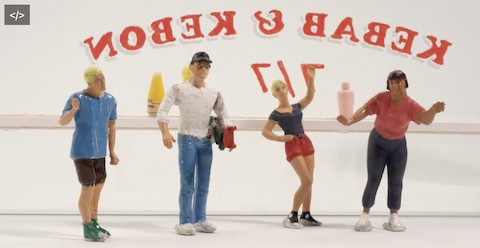 C'est quoi une information? Year of publication: 2015 Author: Olivier Marquézi | Mathieu Decarli Corporate author: Radio France | Réseau Canopé | France Télévisions | La Generale de Production Un film d’animation qui aborde des questions telles que « Qu’est-ce qu’un média », « Qu’est-ce qu’une information », « Qu’est-ce qu’une source ?... ». Autant de sujets pour amener les élèves à une pratique raisonnée autour des écrans, de l’information, du métier de journaliste.
 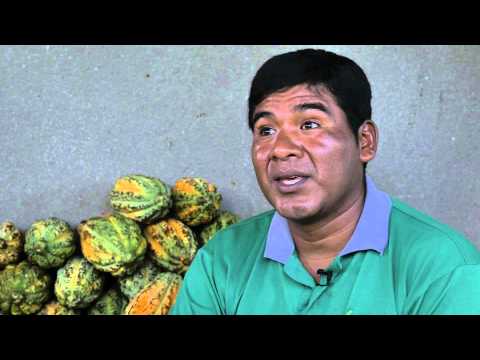 Changeons le commerce, pas le climat Year of publication: 2015 Corporate author: Artisans du Monde Cette vidéo donne la parole aux producteurs, premières victimes des conséquences de la hausse des températures.Cette vidéo est un des supports: de la mallette pédagogique "Le grand voyage d'un chocolat équitable" du kit "Consommer responsable, l'alimentation" co-édité avec CANOPE
  Let's Build a Fairer and More United World, with Young People from Here and Elsewhere Year of publication: 2021 Corporate author: Quebec Association of International Cooperation Organizations (AQOCI) Discussion panel organized as part of the Quebec Days of International Solidarity (JQSI) by the Regional Committee for Education for International Development of Lanaudière (CRÉDIL) and the Table de concertation jeunesse en solidarité Internationale (TCJSI) of AQOCI. The event took place on November 25, 2021, and presented the engagement projects of young people from here and elsewhere to highlight the importance of youth involvement for the construction of a fairer and more united world. Construisons un monde plus juste et solidaire, avec les jeunes d’ici et d’ailleurs Year of publication: 2021 Corporate author: Association québécoise des organismes de coopération internationale (AQOCI) Panel de discussion organisé dans le cadre des Journées québécoises de la solidarité internationale (JQSI) par le Comité régional d’éducation pour le développement international de Lanaudière (CRÉDIL) et la Table de concertation jeunesse en solidarité internationale (TCJSI) de l’AQOCI. L'événement avait lieu le 25 novembre 2021 et présentait les projets d’engagement de jeunes d'ici et d'ailleurs afin de mettre en valeur l’importance de l’implication jeunesse pour la construction d’un monde plus juste et solidaire.
 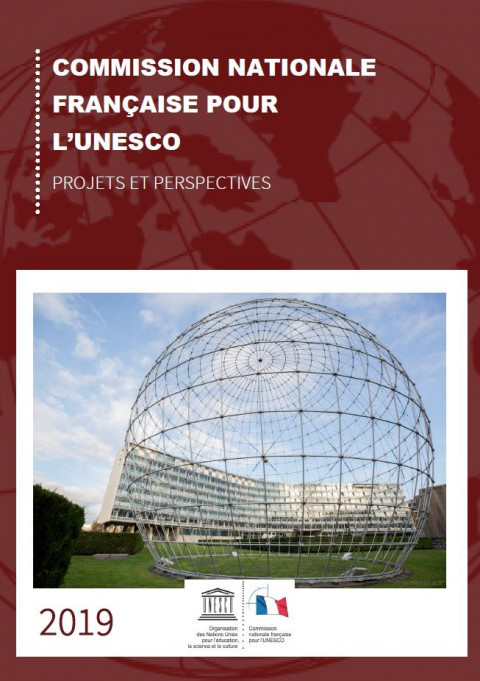 Commission nationale française pour l’unesco: Projets et perspectives Year of publication: 2019 Corporate author: Commission nationale française pour l’UNESCO La Commission nationale française pour l’UNESCO relie les français et l’UNESCO. La Commission nationale place au cœur de sa stratégie et de ses activités, la coopération avec la société civile. Pour y parvenir, la Commission nationale française favorise la réflexion collective et l’action concertée dans les domaines de l’éducation, des sciences, de la culture, de la communication et de l’information. Les partenariats et les réseaux sont au cœur de notre mandat : nous construisons nos projets avec des partenaires gouvernementaux, de la société civile, des autres commissions nationales. Cette année encore, le développement de partenariats nous permettra d’étendre l’impact de nos projets. En plus de ces partenariats, nous utilisons Internet et les réseaux sociaux pour sensibiliser la société civile à nos actions. Au cours de la période 2018-2020 , la priorité est donnée au développement et au renforcement de la coopération avec les secteurs de l’UNESCO, les réseaux français: Ecoles associées, Clubs pour l’UNESCO, Chaires UNESCO, et les partenaires de la société civile et du secteur privé, en reconnaissance du rôle de la coopération dans le domaine de l’éducation, des sciences et de la culture pour la promotion de transformations sociales positives, de l’inclusion sociale et du dialogue interculturel. La diversification des partenaires auprès de la société civile, du secteur privé et la signature de partenariats avec des institutions scientifiques et académiques sont au cœur ces avancées afin de replacer la société civile dans l’action de la Commission française.Projet et Perspectives de la Commission nationale française pour l’UNESCO 2019
  Active citizenship and late-life learning in the community Year of publication: 2013 Author: Carmel Borg This paper problematises dominant notions of active citizenship in later life and provides a framework for an alternative view of active citizenship. It also illustrates how adult educators can facilitate learning processes where late-life learners, reflect on the impact of the neoliberal value system and on the consequences of its hegemonic practices on personal and community life, before engaging in transformative action.
  Guidelines for Teachers: How to Spot and Fight Disinformation Year of publication: 2021 Corporate author: European Commission This toolkit is designed to introduce young people to the phenomenon of disinformation – conveying an understanding of the threats it poses, explaining how pupils can find out more and protect themselves from it, and providing an opportunity to look in more depth at particular examples. The toolkit is open and free to use for any educational establishment. Although it can be adjusted and tailored for any age group, the main target group is teenagers from 15 to 18 years old.
 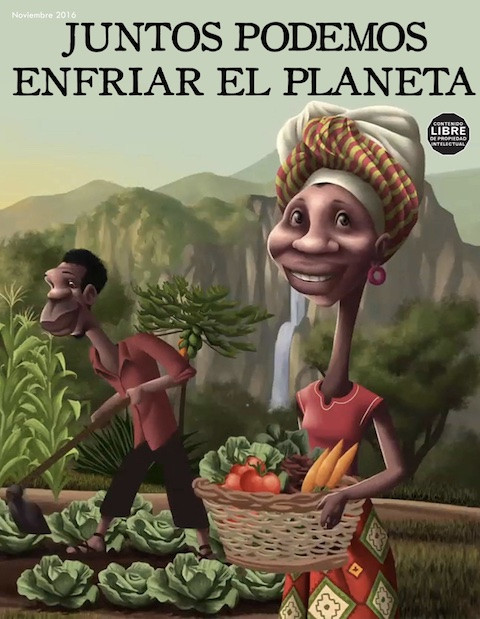 Together We Can Cool the Planet Year of publication: 2016 Corporate author: GRAIN | La Via Campesina It is a story based on the video "together we can cool the planet" that talks about global warming, its causes and consequences. It reports how industrial food production affects this phenomenon. It recounts each step of industrial food production, the use of fertile lands, the burning of trees that produces carbon dioxide, the use of machinery, the use of fertilizers and pesticides, the production of animal excrement that produces methane gas, as well as the transport that must be used so that this production reaches where it must be sold. They then propose a series of solutions consisting of 5 steps.
  Chouette, pas chouette: Livret pédagogique; Activités d’éducation aux médias et à l'information sur le thème de l’égalité filles-garçons Year of publication: 2021 Corporate author: Centre pour l’éducation aux médias et à l’information (CLEMI) Chouette, pas chouette ! une série de 16 programmes courts animés pour sensibiliser les 4-6 ans aux stéréotypes sexistes avec intelligence et humour a été réalisée avec l’appui de l’expertise pédagogique du CLEMI. C’est aussi un univers peuplé de personnages attachants, décliné en un livret pédagogique pour permettre aux professeurs des écoles de développer leurs actions en éducation aux médias et à l'information sur le thème de l’égalité filles/garçons, de la maternelle à la 6e.