
Resources
Explore a wide range of valuable resources on GCED to deepen your understanding and enhance your research, advocacy, teaching, and learning.
1,322 Results found
 한국 교육에 미친 외국 교육원조의 영향: 충남대-GTZ 프로젝트를 중심으로 (국제이해교육연구; Vol. 19, No. 2) Year of publication: 2024 Author: 박환보 Corporate author: 한국국제이해교육학회 본 연구는 해방 이후 한국 교육 형성에 있어 외국의 교육원조가 어떠한 역할을 했는지를 이해하는데 목적이 있다. 본 연구에서는 1970-80년대 외국의 교육원조 사업 중 한 사례인 충남대학교-GTZ 협력 사업에 대한 사례 분석을 통해 독일 교육원조가 한국의 공업계 교원양성 교육과정에 구체적으로 어떠한 변화를 가져왔는지를 분석하였다. 이를 위해 당시 충남대 측의 사업책임자가 소장하고 있던 사업 관련 자료를 비롯해서, 사업에 참여한 독일인 전문가와 한국인 교수가 작성한 논문, 당시의 신문기사, 정부 공문서 등을 분석에 활용하였다. 분석결과에 따르면, 충남대-독일 GTZ 프로젝트는 기자재와 장비 활용이라는 기술적인 측면 외에 공업계 교원양성 교육과정의 개선에는 많 영향을 미치지 못했다. 사업 기간 중에 강조되었던 연구와 실험실습도 예산지원이 있었던 사업 기간 내에서만 제한적으로 진행되었고, 현장실습이나 연구과제 수행과 같은 독일식 교육과정이 수용되지 않았다. 이는 1950-60년대에 비해 1970-80년대는 어느 정도 제도교육의 기반을 갖추고 있었기 때문에, 외국 교육원조의 영향력도 제한적이었음을 시사한다.
  청소년문화 활성화를 위한 소셜 미디어 활용 연구 Year of publication: 2015 Author: 배상률 Corporate author: 한국청소년정책연구원 본 연구는 청소년 문화라는 키워드에 함축된 교육, 여가, 참여 등 청소년들의 전반적인 삶의 실태와 이들이 가지는 문제의식과 가치를 살펴보고, 청소년들을 위한 소셜미디어의 활용범위와 가능성을 탐구하는데 일차적인 목적을 두고 있다. 이를 통해, 청소년의 건전한 문화형성을 위한 효과적인 수단(tool)이자 소통의 장(field)으로 기여할 수 있는 무한한 잠재력을 갖고 있는 소셜미디어의 활용을 위해 우리 사회와 정부가 마련해야 할 정책 방안을 제시하는 것이 본 연구가 가지는 궁극적인 목적이다. 유해콘텐츠가 소셜미디어를 통해 급속히 확산되고 있는 상황에서, 청소년들은 선별적 규제를 위한 엄격한 기준 마련과 함께 집단지성이란 소셜미디어의 대표적 장점이 사회에 제대로 발현될 수 있도록 디지털 리터러시 역량을 키우는 것이 필요하다. 이를 위해, 본 보고서는 청소년의 디지털 리터러시 함양을 위한 학교단위의 미디어교육의 제도화 및 건전한 소셜미디어 사용을 위한 인터넷드림마을과 같은 캠프의 증설 및 운영의 확대를 제언하였다. 또한 부모 교육 확대 및 정부 차원의 홍보노력도 개선될 필요가 있다. 본 저작물은 '한국청소년정책연구원'에서 '2015년' 작성하여 공공누리 제4유형으로 개방한 '청소년문화 활성화를 위한 소셜 미디어 활용 연구(배상률)'를 이용하였으며, 해당 저작물은 '한국청소년정책연구원 홈페이지(www.nypi.re.kr)'에서 무료로 다운받으실 수 있습니다.
 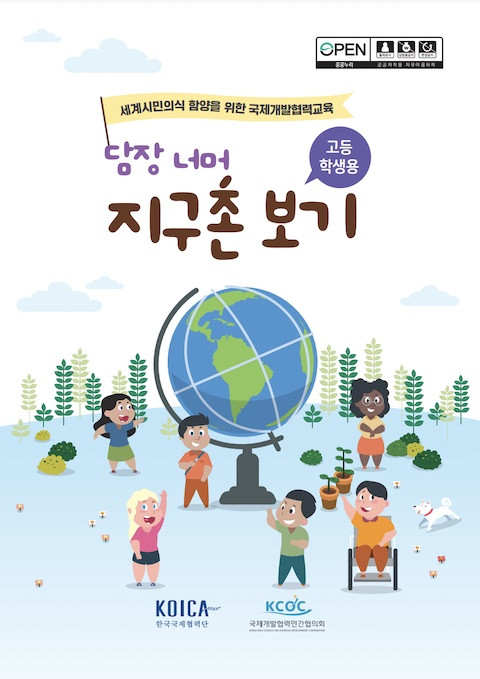 담장 너머 지구촌 보기: 세계시민의식 함양을 위한 국제개발협력교육; 고등학생용 Year of publication: 2021 Author: 이태주 | 김다원 | 김현주 Corporate author: 한국국제협력단 | 국제개발협력민간협의회 세계화, 문화다양성, 지속가능발전, 평화 등을 주제로 한 고등학생용 세계시민교육 교수학습자료로 다양한 모둠별 학습활동지를 담고 있다.본 자료는 한국국제협력단과 국제개발협력민간협의회에서 2021년 작성하여 공공누리 제4유형으로 개방한 ‘담장 너머 지구촌 보기: 세계시민의식 함양을 위한 국제개발협력교육; 고등학생용’ 을 이용하였으며 국제개발협력민간협의회 홈페이지(http://www.ngokcoc.or.kr)에서 다운로드 하실 수 있습니다.
 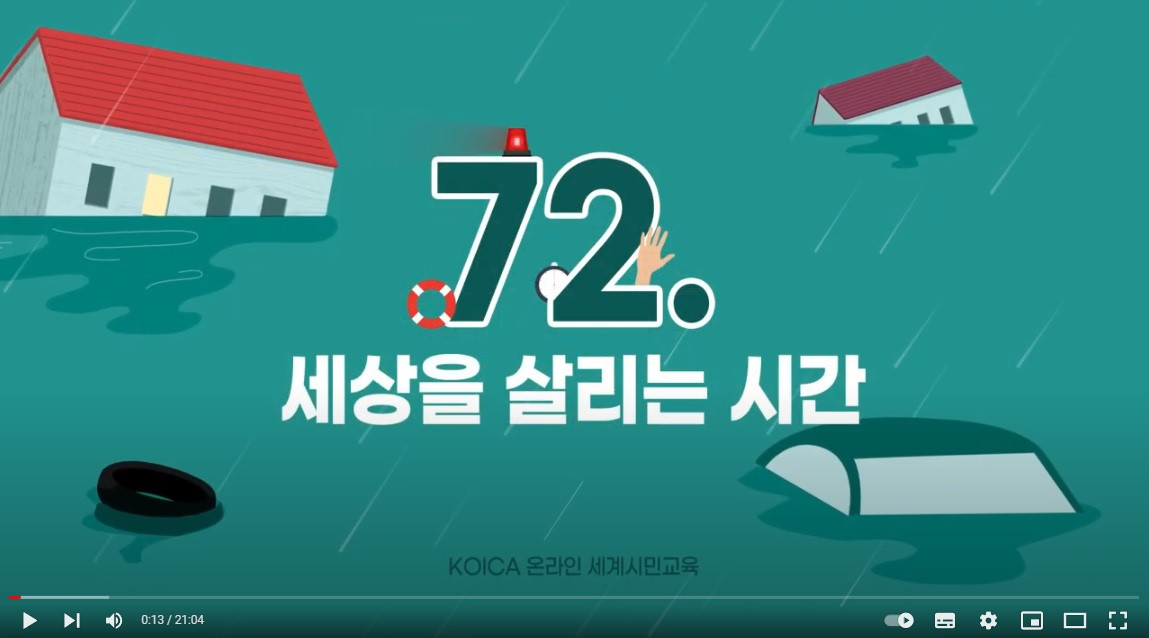 세계시민교육 시리즈 2편: 72, 세상을 살리는 시간 Year of publication: 2021 Corporate author: 한국국제협력단 KOICA는 SDGs, 긴급구호, 환경, 평화, 성평등, 난민에 대한 국민들의 이해를 높이고자, 6개의 세계시민교육 동영상을 만들어 유튜브로 공유하고자 합니다.2. 72, 세상을 살리는 시간
  Международной конференции Гуманитарная безопасность и мир в Центральной Азии Year of publication: 2007 Corporate author: Организация Объединенных Наций по вопросам образования, науки и культуры (UNESCO) | Академия ОБСЕ в Бишкеке В перспективе противостояния угрозам и поощрения развития в Центральной Азии, на основе сотрудничества ЮНЕСКО и Академией ОБСЕ была организована международная конференция «Гуманитарная безопасность и мир в Центральной Азии». Эти две организации целенаправленно занимаются вопросами укрепления международной безопасности и взаимопонимания путем выявления и развития разнообразных гуманитарных и культурных ценностей мира и поощрения диалога на основе признания и уважения разнообразия и соблюдения прав человека.
  National Education Responses to COVID-19: The Situation of Latin America and the Caribbean Year of publication: 2021 Corporate author: UNESCO The COVID-19 pandemic caused the greatest global, simultaneous interruption of education services in recent history. It has impacted over 90% of the worldwide student population from preschool to higher education.Latin American and Caribbean countries have engaged in enormous efforts to promote continuity of teaching and learning in this context. In spite of this, profound inequities persist in school systems that limit the capacity to reach the entire population.It is imperative to have information that contributes to guiding the actions that may mitigate or reverse the pandemic’s negative impacts on learning and educational inequities.This report presents a regional overview based on the results of the “Survey on National Education Responses to COVID-19,” which was implemented by UNESCO, UNICEF and the World Bank between May and October 2020. Las respuestas educativas nacionales frente a la COVID-19: El panorama de América Latina y el Caribe Year of publication: 2021 Corporate author: UNESCO La pandemia de la COVID-19 provocó la mayor interrupción de servicios educativos, de forma global y simultánea, de la historia reciente y ha afectado a más del 90% de la población mundial de estudiantes, desde la educación preprimaria hasta la educación superior.Los países de América Latina y el Caribe han llevado adelante enormes esfuerzos para promover la continuidad de la enseñanza y el aprendizaje en este contexto. A pesar de ello, persisten en los sistemas escolares profundas inequidades que limitan la capacidad de alcanzar a toda la población.Es imperativo contar con información que contribuya a orientar las acciones que permitan atenuar o revertir los impactos negativos que ha provocado la pandemia en los aprendizajes y en las desigualdades educativas.Para ello este reporte presenta un panorama regional a partir de los resultados de la “Encuesta sobre las respuestas nacionales en materia de educación frente a la COVID-19", implementada por la UNESCO, UNICEF y el Banco Mundial entre mayo y octubre de 2020.
  The World in 2030: Public Survey Report Year of publication: 2021 Corporate author: UNESCO This report presents the results of the World in 2030 Survey, launched by UNESCO in May 2020 to provide a platform for people to share their views on our world’s most pressing challenges, including what specifically they are worried about, and, most importantly, what solutions they feel are mostneeded. The results of this survey present a clear and systematic framework for action, one that can enrich global reflection over the coming decade as part of a renewed push to achieve the Sustainable Development Goals of the UN 2030 Agenda.Over 15,000 respondents from all regions of the world responded to the survey, providing a clear snapshot of global per- spectives. This survey received particular participation from women and young people. A majority of respondents had a university education, and the top region from which participants hailed was Latin America and the Caribbean.Responses to the World in 2030 Survey indicate clear trends in the concerns felt by global citizens. According to survey respondents, the top challenge facing peaceful societies in the lead up to 2030 was, by far, climate change and loss of biodiversity, ranking in the top four challenges of 67% of respondents, and coming out on top for all regions and demographics. When examining this challenge, people were most concerned about increasing natural disasters and extreme weather, loss of biodiversity and its impact on people, pollution of the ocean and rising sea levels, and risk of conflict or violence. The top proposed solutions were investing in green energy and sustainable economies, teaching sustainability through education, effective international cooperation, and building trust in science and science-based decisions.The next four most highlighted global challenges were violence and conflict (44%), discrimination and inequality (43%), lack of food, water and housing (42%), and health and disease (37%). There was some limited variation in the rankings of the relative importance of these four challenges across regions and demographics. For example, women and minority group respondents both ranked discrimination and inequality as the second most important global challenge, following climate change and biodiversity loss, rather than third, while respondents from indigenous communities and from Asia and the Pacific ranked health and disease as the second most important global challenge, rather than fifth. The World in 2030 survey was an open online questionnaire held from May to September 2020. It was made available in more than 25 languages. This report also analyses results along regional, gender, age and other demographic lines, presenting a complex and valuable portrait of global sentiment on these key issues.
  COVID 19, Technology-Based Education and Disability: The Case of Bangladesh; Emerging Practices in Inclusive Digital Learning for Students With Disabilities Year of publication: 2021 Author: Vashkar Bhattacharjee | Shahriar Mohammad Shiblee Corporate author: UNESCO This study sheds light on Bangladesh’s initiatives in the area of disability-inclusive education. The particu- lar focus is on the role of its Accessible Reading Materials (ARM) initiative and how this has contributed to ensuring disability-inclusive and accessible education during the COVID-19 pandemic in Bangladesh. ARM is a government-led initiative that was launched in 2014 by the then Access to Information (a2i) programme of the Prime Minister’s Office, now the Aspire to Innovate Programme of the Information and Communica- tion Technology (ICT) Division of the Government of Bangladesh. It was launched in recognition of the need for solutions to ensure virtual, as well as regular reading access for all students, including children and young people with barriers to reading. ARM is aimed at satisfying the educational needs of all students including students with print and learning disabilities.
 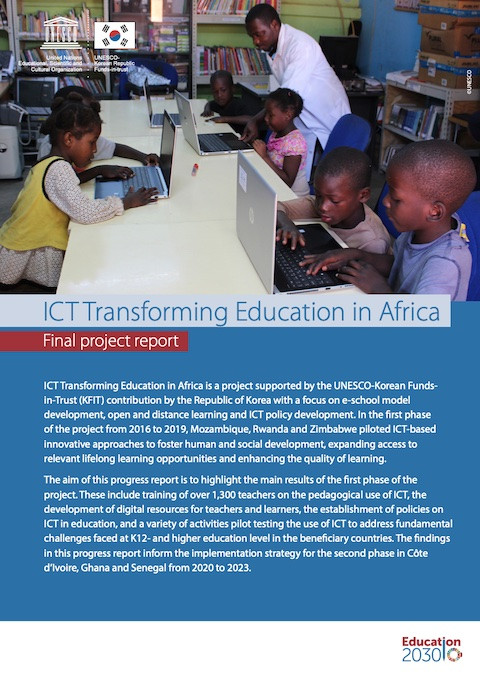 ICT Transforming Education in Africa: Final Project Report Year of publication: 2020 Corporate author: UNESCO ICT Transforming Education in Africa is a project supported by the UNESCO-Korean Funds- in-Trust (KFIT) contribution by the Republic of Korea with a focus on e-school model development, open and distance learning and ICT policy development. In the first phase of the project from 2016 to 2019, Mozambique, Rwanda and Zimbabwe piloted ICT-based innovative approaches to foster human and social development, expanding access to relevant lifelong learning opportunities and enhancing the quality of learning.The aim of this progress report is to highlight the main results of the first phase of the project. These include training of over 1,300 teachers on the pedagogical use of ICT, the development of digital resources for teachers and learners, the establishment of policies on ICT in education, and a variety of activities pilot testing the use of ICT to address fundamental challenges faced at K12- and higher education level in the beneficiary countries. The findings in this progress report inform the implementation strategy for the second phase in Côte d’Ivoire, Ghana and Senegal from 2020 to 2023.