
Resources
Explore a wide range of valuable resources on GCED to deepen your understanding and enhance your research, advocacy, teaching, and learning.
661 Results found
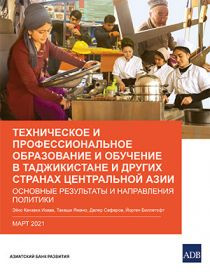 Техническое и профессиональное образование и обучение в Таджикистане и других странах Центральной Ази. Основные результаты и направления политики Year of publication: 2021 Corporate author: Asian Development Bank (ADB) Эта публикация представляет собой анализ системы технического и профессионального образования и обучения (ТПОО), их эффективности в Таджикистане и других странах Центральной Азии, содержит рекомендации для тех, кто разрабатывает политику в этой области и тех, кто ее внедряет. Она показывает важность ТПОО и острую необходимость в его совершенствовании в контексте потребностей рынка труда и реагирования на Цели устойчивого развития.
  Advancing a Just Energy Transition in Central Asia: Women’s Key Role in the Energy Sector Year of publication: 2024 Corporate author: Организация по безопасности и сотрудничеству в Европе (ОБСЕ) | Global Women’s Network for the Energy Transition (GWNET) The OSCE study analyzes the socio-economic benefits of the energy transition for the five OSCE participating States in the region. It provides specific considerations for the strategic development of an appropriately skilled labour force and also contains critical yet unpublished data on the job creation potential of renewable energy in each Central Asian country. На пути к справедливому энергетическому переходу в Центральной Азии : ключевая роль женщин в энергетике Year of publication: 2024 Corporate author: Организация по безопасности и сотрудничеству в Европе (ОБСЕ) | Глобальная женская сеть по энергетическому переходу (GWNET) Исследование ОБСЕ анализирует социально-экономические выгоды энергетического перехода для пяти государств-участников ОБСЕ в регионе. В нем представлены конкретные соображения по стратегическому развитию квалифицированной рабочей силы, а также содержатся важные, но неопубликованные данные о потенциале создания рабочих мест в области возобновляемых источников энергии в каждой стране Центральной Азии.
 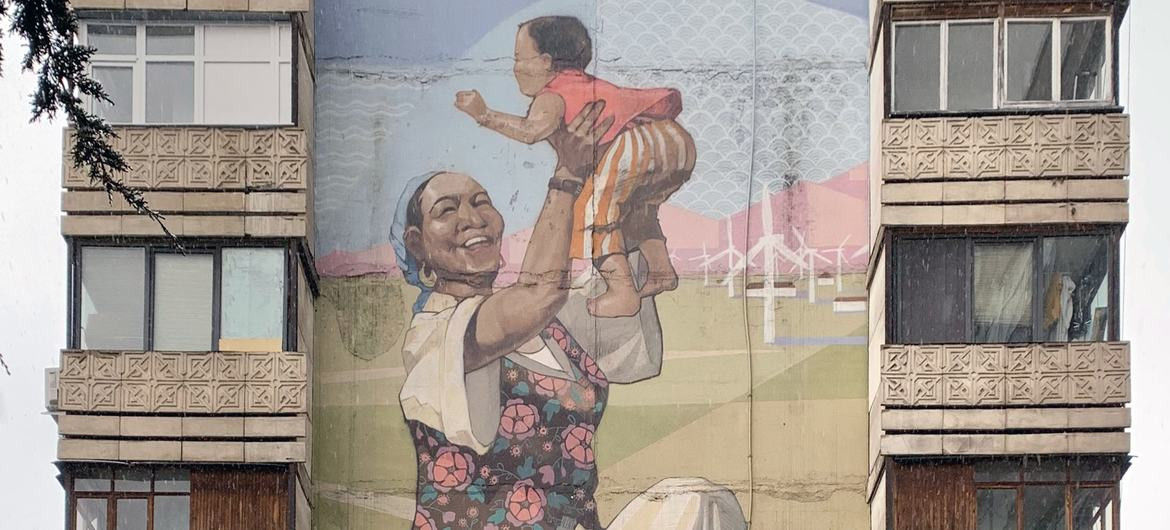 Gender Equality: A Large-Scale Study by the UN and the Government of Kazakhstan Year of publication: 2024 Corporate author: Организация Объединённых Наций (ООН) Women in Kazakhstan have enough rights and opportunities – 73% of the country's male population believes so. Among women, about 58 percent of participants in a large-scale sociological study on gender equality, which was recently conducted in Kazakhstan with the support of the UN Women structure and the UN Development Program. Гендерное равенство: масштабное исследование ООН и правительства Казахстана Year of publication: 2024 Corporate author: Организация Объединённых Наций (ООН) Женщины в Казахстане имеют достаточно прав и возможностей – так считает 73 процента мужского населения страны. Среди женщин такого мнения придерживаются около 58 процентов участниц масштабного социологического исследования о гендерном равенстве, которое было проведено недавно в Казахстане при поддержке структуры «ООН-женщины» и Программы развития ООН.
  ANALYSIS of the Rules for the Prevention of Bullying of a Child, Approved by Order No. 506 of the Minister of Education of the Republic of Kazakhstan dated December 21, 2022 Year of publication: 2022 Author: Шайдуллина Венера Камилевна Corporate author: Кадыр-касиет The focus of this document is to assess the potential effectiveness of the measures provided for by the Rules to counter child bullying. The analysis made it possible to formulate a number of practical recommendations for improving legislation in this area. Анализ Правил профилактики травли (буллинга) ребенка, утвержденных Приказом Министра просвещения Республики Казахстан от 21 декабря 2022 года № 506 Year of publication: 2022 Author: Шайдуллина Венера Камилевна Corporate author: Кадыр-касиет Фокус настоящего документа – оценка потенциальной эффективности предусмотренных Правилами мер по противодействию травле ребенка. Проведенный анализ позволил сформулировать ряд практических рекомендаций по совершенствованию законодательства в рассматриваемой сфере.
  The Convention on the Elimination of All Forms of Discrimination against Women and its Optional Protocol: Handbook for Parliamentarians No. 36; Revised edition Year of publication: 2023 Corporate author: Inter-Parliamentary Union (IPU) | UN. Office of the United Nations High Commissioner for Human Rights (UN. OHCHR) More than four decades after its adoption, the Convention on the Elimination of All Forms of Discrimination against Women remains an essential and ambitious guide for achieving gender equality across the board – from the family and the classroom to executive boards and political leadership roles. Despite considerable progress since the Convention came into force, no country can yet claim to have fully achieved gender equality. This revised edition of The Convention on the Elimination of All Forms of Discrimination against Women and its Optional Protocol: Handbook for Parliamentarians is a joint collaboration undertaken by the Inter-Parliamentary Union (IPU) and the Office of the United Nations High Commissioner for Human Rights (OHCHR). La Convention sur l’élimination de toutes les formes de discrimination à l’égard des femmes et son Protocole facultatif: Manuel à l'intention des parlementaires; édition révisée Year of publication: 2023 Corporate author: Inter-Parliamentary Union (IPU) | UN. Office of the United Nations High Commissioner for Human Rights (UN. OHCHR) Plus de quarante ans après son adoption, la Convention sur l’élimination de toutes les formes de discrimination à l’égard des femmes reste un cadre essentiel et ambitieux de promotion de l’égalité des sexes dans tous les domaines – depuis le contexte familial et scolaire jusque dans les conseils d’administration et les sphères dirigeantes de la politique. Si des progrès considérables ont été accomplis depuis l’entrée en vigueur de la Convention, aucun pays ne peut encore prétendre avoir atteint une égalité pleine et entière entre les hommes et les femmes.Au cours des vingt dernières années, une relation très étroite s’est développée entre le Comité pour l’élimination de la discrimination à l’égard des femmes – organe conventionnel chargé de contrôler l’application de la Convention – et l’Union interparlementaire (UIP). Grâce à cette collaboration, des parlementaires du monde entier ont approfondi leur connaissance de la Convention et se sont, en nombre croissant, impliqués dans l’important exercice d’établissement du de rapports périodiques au Comité qui rend compte de la mise en œuvre de la Convention au niveau national. Nombre de parlementaires ont posé des questions au gouvernement, ont proposé ou modifié des lois, mené des opérations de sensibilisation dans leurs circonscriptions et se sont engagés auprès de l’Organisation des Nations Unies pour réduire l’écart entre les promesses de la Convention et la réalité qui est celle des femmes et des filles au quotidien.
  Address by Ms. Irina Bokova, Director-General of UNESCO on the occasion of the Civil Society / Education on Human Rights Event; New York, 27 September 2012 Year of publication: 2012 Corporate author: UNESCO. Director-General, 2009-2017 (Bokova, I.G.) This speech was given by Ms. Irina Bokova, Director-General of UNESCO, on the occasion of the Civil Society / Education on Human Rights event .