
Resources
Explore a wide range of valuable resources on GCED to deepen your understanding and enhance your research, advocacy, teaching, and learning.
306 Results found
 Transforming Education: An Urgent Political Imperative for Our Collective Future; Vision Statement of the Secretary-General on Transforming Education Year of publication: 2022 Corporate author: United Nations (UN) Education is a fundamental human right. It has long held a special place in the hearts and minds of people across the world, and for good reason. Throughout history, it has been a source of personal dignity and empowerment and a driving force for the advancement of social, economic, political, and cultural development.Yet today, beset by inequalities and struggling to adjust to the needs of the 21st century, education is in crisis. The impacts of this crisis play out over time and often go unseen. But they are profound and will be felt for decades to come. If we are to transform our world by 2030 as envisaged by the Sustainable Development Goals, then the international community must give this crisis the attention it deserves. We must respond decisively, with conviction, imagination, and in solidarity to transform education. Informed by an extensive and inclusive preparatory process, we offer this Vision Statement to Member States and the global public to support our joint efforts towards that transformation, to contribute to the upcoming Summit of the Future, and as a manifesto for collective action.
  نداء عاجل من أجل العمل صادر عن اللجنة التوجيهية الرفيعة املستوى املعنية هبدف التنمية املستدامة 4 اخلاص ابلتعليم حىت عام 2 مبناسبة قمة التحول املنشود يف التعليم Year of publication: 2022 Corporate author: United Nations (UN) نحن ، اللجنة التوجيهية رفيعة المستوى للهدف الرابع من أهداف التنمية المستدامة للتعليم لعام 2030 التي تمثل مجتمع التعليم العالمي ، ندعو جميع رؤساء الدول والحكومات إلى اتخاذ إجراءات حاسمة للاستثمار في التعليم وتحويله باعتباره أوضح مسار لأهدافنا المشتركة المتمثلة في السلام والازدهار والاستدامة. An Urgent Call for Action by the SDG4-Education 2030 High-Level Steering Committee Year of publication: 2022 Corporate author: United Nations (UN) We, the SDG4-Education 2030 High-Level Steering Committee representing the global education community, call on all Heads of State and Government to take decisive actions to invest in and transform education as the clearest pathway to our shared goals of peace, prosperity and sustainability. Llamamiento a la acción urgente del Comité de Dirección de Alto Nivel para el ODS 4-Educación 2030 con motivo de la Cumbre sobre la Transformación de la Educación Year of publication: 2022 Corporate author: United Nations (UN) Nosotros, el Comité Directivo de Alto Nivel del ODS4-Educación 2030 que representa a la comunidad educativa mundial, hacemos un llamado a todos los Jefes de Estado y de Gobierno para que tomen medidas decisivas para invertir y transformar la educación como el camino más claro hacia nuestros objetivos compartidos de paz, prosperidad y sostenibilidad. Appel urgent à l’action du Comité directeur de haut niveau ODD 4 – Éducation 2030 lancé à l’occasion du Sommet sur la transformation de l’éducation Year of publication: 2022 Corporate author: United Nations (UN) Nous, le Comité directeur de haut niveau ODD4-Éducation 2030 représentant la communauté mondiale de l'éducation, appelons tous les chefs d'État et de gouvernement à prendre des mesures décisives pour investir dans l'éducation et la transformer en voie la plus claire vers nos objectifs communs de paix, de prospérité et de durabilité.
  PHOTO STORY: Global Citizens Share Vision of #TheWorldWeWant Year of publication: 2022 Corporate author: United Nations (UN) This album collection, part of the United Nations 75th Anniversary Photo Exhibition, contains 75 images from around the world representing the hopes and dreams of people from all over the world for the future. The collection of images is a "creative response" to the UN Secretary-General's call to hear directly from people around the world about their hopes and dreams for the future. 全球公民分享“#我们想要的世界”愿景 Year of publication: 2022 Corporate author: United Nations (UN) 这个图册集是联合国成立75周年图片展的一部分,包含了75张来自世界各地的图片,代表来自世界各地的人们对未来的希望和梦想。收集这些图片是对联合国秘书长呼吁直接听取世界各地人民关于他们对未来的希望和梦想的“创造性回应”。
 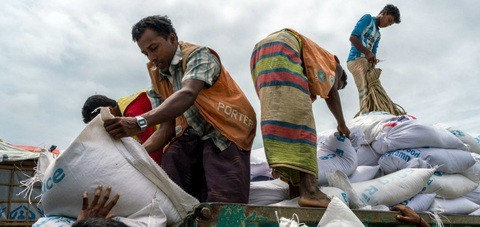 11 UN Actions that Impact People's Lives around the World Year of publication: 2022 Corporate author: United Nations (UN) This photo gallery contains 11 images from the UN 2022 release, representing 11 simple examples to explain how the UN, a global organization, can help make the world a better place. 联合国影响全世界人民生活的11项行动 Year of publication: 2022 Corporate author: United Nations (UN) 这个图片集包含了联合国2022年发布的11张图片,代表10个简单的事例,用来解释联合国这个全球性组织如何帮助世界变得更美好。
 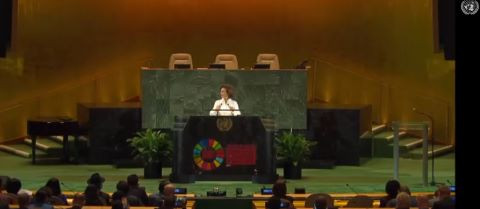 Audrey Azoulay (UNESCO) at the Transforming Education Summit Year of publication: 2022 Corporate author: United Nations (UN) This video shows the remarks made by Director-General of UNESCO Audrey Azoulay at the Opening segment of the UN Transforming Education Summit.