
Resources
Explore a wide range of valuable resources on GCED to deepen your understanding and enhance your research, advocacy, teaching, and learning.
2,781 Results found
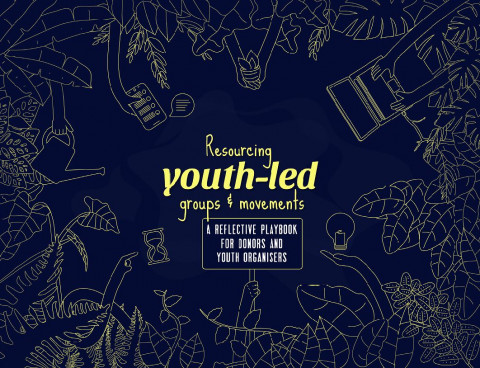 Obteniendo recursos para grupos y movimientos liderados por jóvenes: Guía de reflexión y prácticas para donantes y organizadores juveniles Year of publication: 2020 Author: Gioel Gioacchino Corporate author: CIVICUS | Recrear International Vous faites partie d'un mouvement social dirigé par des jeunes et vous cherchez des idées sur la façon de financer votre travail ? Ou bien un donateur, un philanthrope ou une institution qui défend le pouvoir des jeunes ? Si c'est le cas, cet espace est fait pour vous ! Vous y trouverez des outils, des liens et de nouvelles idées, tant pour les jeunes militants que pour leurs partenaires.Ce guide sur les ressources des groupes et mouvements de jeunes est le résultat d'une année de recherche. Nous avons écouté ce que des militants, des donateurs, des représentants de la jeunesse et d'autres organisations facilitatrices ont dit sur les réalités, les tendances et les solutions possibles pour mobiliser des fonds et des ressources non financières pour les jeunes militants, en particulier dans le Sud.Lisez les histoires de Lebo, Amanda, Dumiso, Priscilla, Elena, Christian et Bonnie, qui partagent leurs expériences et les défis qu'ils rencontrent dans leur travail, et dont les jeunes leaders d'Amérique latine et d'Afrique se font les porte-parole. Vous trouverez des exercices créatifs que vous pourrez utiliser, qui invitent les jeunes et les donateurs à repenser les visions du monde et les principes relatifs au financement de la société civile au 21ème siècle. L’accès aux ressources pour les groupes et mouvements dirigés par les jeunes: Un guide de réflexion destiné aux donateurs et membres d’organisations de jeunes Year of publication: 2020 Author: Gioel Gioacchino Corporate author: CIVICUS | Recrear International Vous faites partie d'un mouvement social dirigé par des jeunes et vous cherchez des idées sur la façon de financer votre travail ? Ou bien un donateur, un philanthrope ou une institution qui défend le pouvoir des jeunes ? Si c'est le cas, cet espace est fait pour vous ! Vous y trouverez des outils, des liens et de nouvelles idées, tant pour les jeunes militants que pour leurs partenaires.Ce guide sur les ressources des groupes et mouvements de jeunes est le résultat d'une année de recherche. Nous avons écouté ce que des militants, des donateurs, des représentants de la jeunesse et d'autres organisations facilitatrices ont dit sur les réalités, les tendances et les solutions possibles pour mobiliser des fonds et des ressources non financières pour les jeunes militants, en particulier dans le Sud.Lisez les histoires de Lebo, Amanda, Dumiso, Priscilla, Elena, Christian et Bonnie, qui partagent leurs expériences et les défis qu'ils rencontrent dans leur travail, et dont les jeunes leaders d'Amérique latine et d'Afrique se font les porte-parole. Vous trouverez des exercices créatifs que vous pourrez utiliser, qui invitent les jeunes et les donateurs à repenser les visions du monde et les principes relatifs au financement de la société civile au 21ème siècle.
 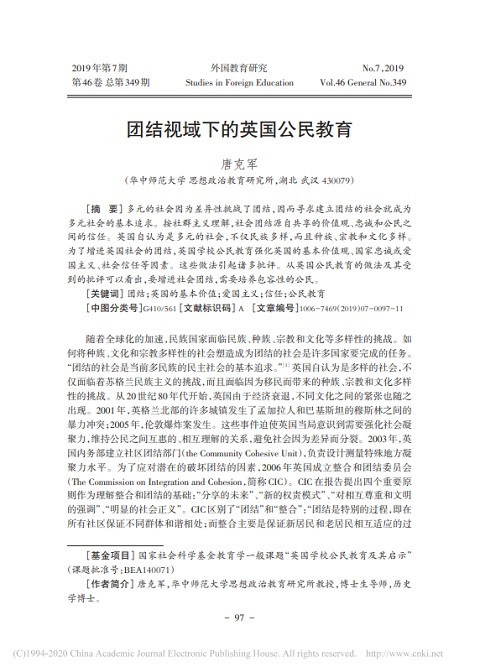 Examining the Citizenship Education in the UK from Perspective of Solidarity (Studies in Foreign Education; Vol. 46, No. 7) Year of publication: 2019 Author: Tang Kejun Corporate author: Northeast Normal University It is claimed to build a cohesive community in plural society because of diversity undermining social cohesion. According to communitarianism, the grounds of solidarity include shared values, loyalty and civic trust. Britain is seen as a plural society which made up of a diverse range of ethnicities, cultures nations and religions. So citizenship education are expected to place emphasis on promoting the fundamental British values national loyalty or patriotism and social trust in schools of the UK, which has caused a number of criticism. It is concluded from examining the approaches of citizenship education and its criticism that a cohesive society depends on an inclusive citizenship. 团结视域下的英国公民教育 (外国教育研究; Vol. 46, No. 7) Year of publication: 2019 Author: Tang Kejun Corporate author: Northeast Normal University 多元的社会因为差异性挑战了团结,因而寻求建立团结的社会就成为多元社会的基本追求。按社群主义理解,社会团结源自共享的价值观、忠诚和公民之间的信任。英国自认为是多元的社会,不仅民族多样,而且种族、宗教和文化多样。为了增进英国社会的团结,英国学校公民教育强化英国的基本价值观、国家忠诚或爱 国主义、社会信任等因素。这些做法引起诸多批评。从英国公民教育的做法及其受 到的批评可以看出,要增进社会团结,需要培养包容性的公民。
 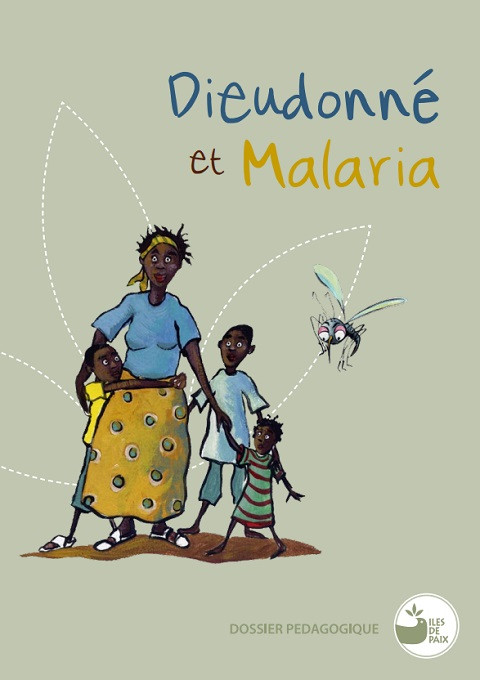 Dieudonné et Malaria: Dossier pédagogique Year of publication: 2012 Author: Laure Malchair | Florence Gossuin | Marie Freres Corporate author: Îles de Paix C'est un outil pédagogique visant la découverte, par les enfants, du mode de vie d’une famille pauvre au Burundi. Ils prennent ainsi conscience d’autres manières de vivre et jettent les bases d’une attitude respectueuse des autres. Le présent document arme l’enseignant pour son exploitation.
  코로나19로 보는 세상이야기: 2020 다문화·세계시민교육 자료집 Year of publication: 2020 Corporate author: 서울특별시교육청 다문화교육지원센터 본 자료는 서울시교육청 다문화교육지원센터에서 단위학교의 다문화 세계시민 교육을 지원하고자 제작된 것으로, 코로나19 시대에 필요한 평화교육, 세계시민교육, 다문화교육, 인권교육 등의 교수학습 자료이다.
 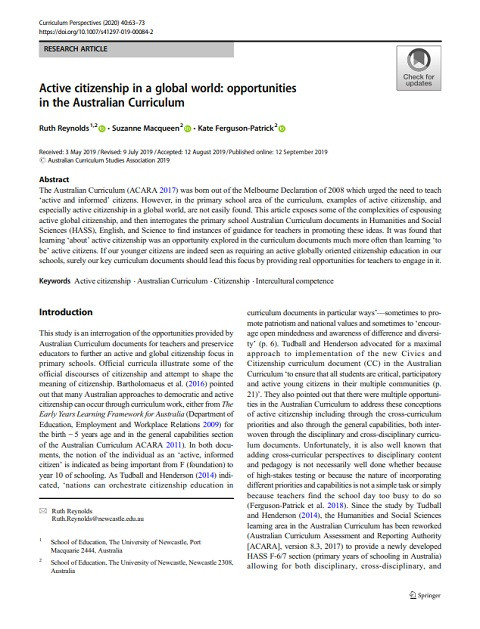 Active Citizenship in a Global World: Opportunities in the Australian Curriculum (Curriculum Perspectives; Vol. 40) Year of publication: 2019 Author: Ruth Reynolds | Kate Ferguson-Patrick | Suzanne MacQueen Corporate author: Australian Curriculum Studies Association (ACSA) The Australian Curriculum (ACARA 2017) was born out of the Melbourne Declaration of 2008 which urged the need to teach ‘active and informed’ citizens. However, in the primary school area of the curriculum, examples of active citizenship, and especially active citizenship in a global world, are not easily found. This article exposes some of the complexities of espousing active global citizenship, and then interrogates the primary school Australian Curriculum documents in Humanities and Social Sciences (HASS), English, and Science to find instances of guidance for teachers in promoting these ideas. It was found that learning ‘about’ active citizenship was an opportunity explored in the curriculum documents much more often than learning ‘to be’ active citizens. If our younger citizens are indeed seen as requiring an active globally oriented citizenship education in our schools, surely our key curriculum documents should lead this focus by providing real opportunities for teachers to engage in it.
 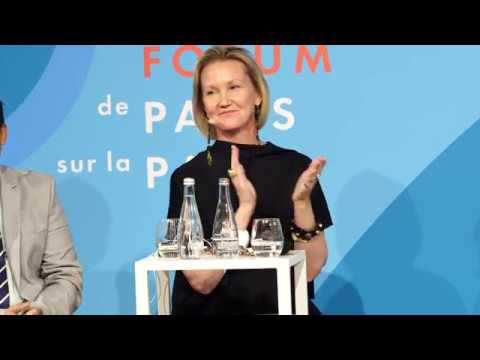 How Can Pluralism Strengthen Peace?: Global Centre for Pluralism at the 2019 Paris Peace Forum Year of publication: 2019 Author: Meredith P. Mcghie | Aung K. Moe | Bojana Dujkovic Corporate author: Global Pluralism Award Many of the most intractable challenges we face today − from entrenched poverty to conflict-driven migration − stem from the exclusion and resentment of groups defined as “the other”.Group-based grievances arising from inequality, exclusion and feelings of injustice increase the risk of instability and conflict. Pluralism is the choice to see diversity contribute to the common good. Making this choice is essential to building more secure, peaceful and resilient societies.Meredith Preston McGhie, the Secretary General of the Global Centre for Pluralism, was joined by two winners of the 2019 Global Pluralism Award to discuss how history education and community-based reconciliation can help strengthen pluralism, sustain peace and prevent conflict in diverse societies. Comment le pluralisme peut-il renforcer la paix?: Centre mondial du pluralisme au Forum de la paix de Paris 2019 Year of publication: 2019 Author: Meredith P. Mcghie | Aung K. Moe | Bojana Dujkovic Corporate author: Global Pluralism Award Plusieurs des épineux défis auxquels nous faisons face aujourd’hui – de l’appauvrissement endémique à la migration causée par des conflits – découlent de l’exclusion de groupes définis comme « l’autre » et du ressentiment à leur égard.Les griefs collectifs résultant de l’inégalité, de l’exclusion et de sentiments d’injustice augmentent le risque d’instabilité et de conflit. Le pluralisme est une option pour que la diversité contribue au bien commun. Il est essentiel de faire ce choix pour bâtir des sociétés plus sécuritaires, pacifiques et résilientes.Meredith Preston McGhie, secrétaire générale du Centre mondial du pluralisme, était accompagnée de deux lauréats du Prix mondial du pluralisme 2019 pour aborder la manière dont l’enseignement de l’histoire et la réconciliation à l’échelle communautaire peuvent aider à renforcer le pluralisme, entretenir la paix et prévenir l’éclatement de conflits dans les sociétés diversifiées.
 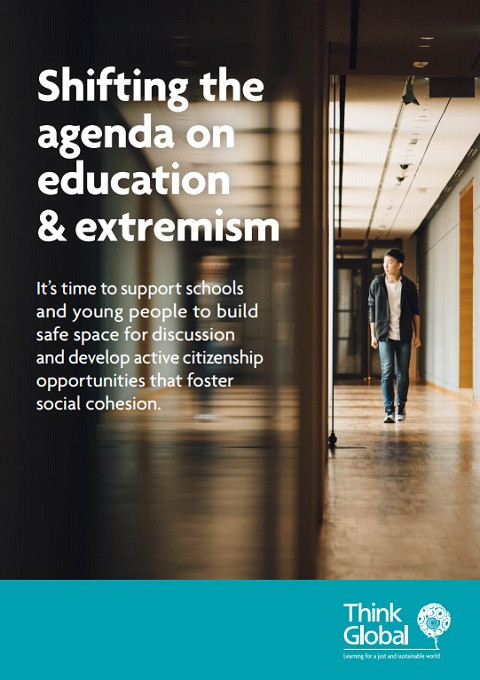 Shifting the Agenda on Education & Extremism Year of publication: 2018 Corporate author: Think Global This research report aims to build an understanding of young people’s idea of diversity, identity and extremism as well as how schools and young people can be better supported to promote social cohesion and engage in active citizenship opportunities.