
Resources
Explore a wide range of valuable resources on GCED to deepen your understanding and enhance your research, advocacy, teaching, and learning.
1,726 Results found
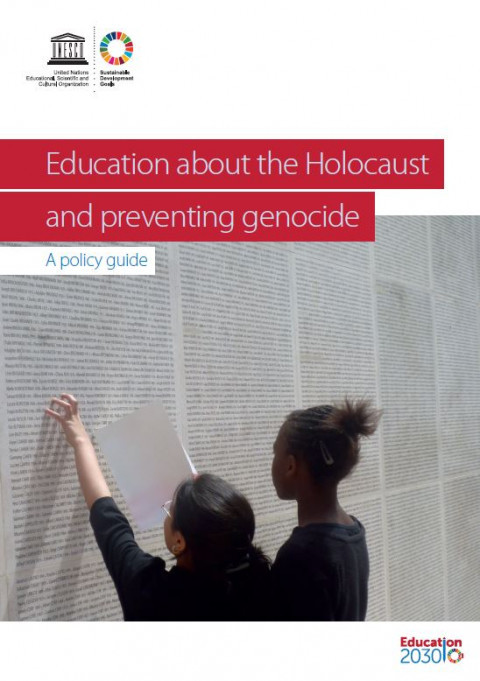 Educación sobre el Holocausto y la prevención del genocidio: Una guía para la formulación de políticas Year of publication: 2017 Corporate author: UNESCO La presente guía proporciona a los responsables de la formulación de políticas diversas soluciones para la introducción de la educación sobre el Holocausto, y posiblemente una educación más amplia sobre el genocidio y las atrocidades masivas, en los sistemas educativos y los planes de estudios. Es la primera obra de este tipo, al hacer hincapié en asuntos que atañen a las políticas, más que en la mera enseñanza de las prácticas. En la publicación se aborda una amplia gama de cuestiones, entre las que figuran: ¿Por qué conviene impartir enseñanza sobre el Holocausto? ¿Qué resultados de aprendizaje cabe esperar de estas iniciativas educativas? ¿Cuál es su relación con las prioridades educativas a escala global? ¿Cómo introducir el tema en los planes de estudios, formar a los profesores, promover las pedagogías más pertinentes, y trabajar con el sector no formal de la educación?
  Tools for Planning and Monitoring Programmes of Multilingual Education in Asia Year of publication: 2020 Corporate author: UNESCO | UNESCO Bangkok This booklet provides some tools that programme personnel may use in the M&E of their multilingual education (MLE) programmes. This booklet complements the five booklets of UNESCO’s MTB MLE Resource Kit – Including the Excluded: Promoting Multilingual Education (2018).
  Guidelines on the Development of Open Educational Resources Policies Year of publication: 2019 Corporate author: UNESCO | Commonwealth of Learning Open educational resources (OER) – and to a greater extent, OER policies – can increase the quality and accessibility of teaching and learning as well as foster knowledge creation within a country.This publication provides detailed guidelines on how to develop systematic and effective policies on OER. Such policies are important to coordinate, strengthen and drive initiatives in a country; they involve government and institution actors on various levels working together to leverage OER toward achieving common goals under a national educational framework. OER policy provisions can be a part of a dedicated national masterplan, be under the framework of an overall education programme, or be elements incorporated into various strategies across multiple sectors.These guidelines lay out steps to review, analyse, develop, implement and monitor a context-relevant OER policy. They guide, but do not determine, what involved actors should do in a specific set of circumstances, providing a comprehensive framework for governments and institutions to set out vision and the scope of their policy.Each chapter introduces the purpose of the phase, provides background information and references practical examples for illustration. At the end of each chapter, specific tasks are set for the policy designer, which will help with the formulation of the final OER policy.
  Her Education, Our Future Year of publication: 2019 Corporate author: UNESCO Too many girls and women are still held back by social norms and traditional school practices influencing their educational right and opportunities. But we know that their education is the most powerful investment to make for our collective future. Her education, our future is UNESCO’s new drive to accelerate action for girls’ and women’s education by leveraging political and financial commitments, as well as leadership for women and girls.Join #HerEducationOurFuture and be a part of our collective movement to advance girls’ and women’s education. Learn more: http://on.unesco.org/HerEducation
 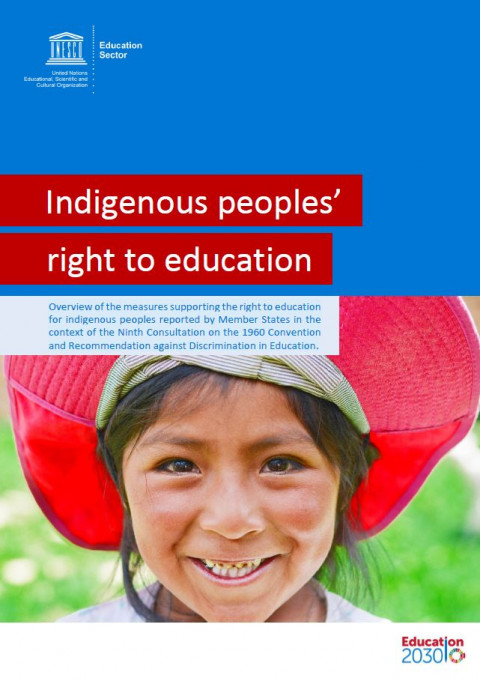 Indigenous Peoples’ Right to Education Year of publication: 2019 Corporate author: UNESCO Among the many inequalities that indigenous peoples face, the lack of access to quality education is particularly blatant. The 2030 Agenda commitment to ‘leave no one behind’, brings new impetus to ensure that indigenous peoples’ priorities are heard. In 2017, UNESCO adopted the Policy on engaging with indigenous peoples. Concurrently, as part of its mandate, UNESCO monitors the implementation of the 1960 Convention and Recommendation against Discrimination in Education. During the Ninth Consultation on the implementation of this instrument, several Member States reported upon measures they have taken in relation to the right to education for indigenous peoples. This document (Indigenous Peoples’ Right to Education: Overview of the Measures Supporting the Right to Education for Indigenous Peoples Reported by Member States in the Context of the Ninth Consultation on the 1960 Convention and Recommendation against Discrimination in Education) compiles practical examples extracted from these reports for information sharing and advocacy.
 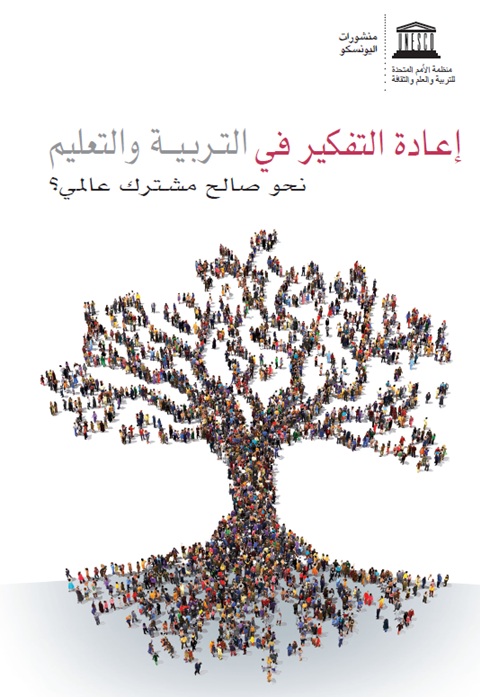 إعادة التفكير في التربية والتعليم: نحو صالح عام عالمي؟ Year of publication: 2015 Corporate author: UNESCO ات، ّرات توتّد هذه التغيّولُات جديدة من التعقيد والتناقض. وتّتتسم تغيرات عالم اليوم بسويئا لها الأفراد والجماعات، من خلال تزويدهم بالمقدرة على ِّتهينتظر من التربية والتعليم أن ُيتي التعليم ّعمليف والاستجابة. وفي هذا السياق يسهم هذا المطبوع في النظر مجددا في ّالتكيم. إذ إنه يؤسس على دور رئيسي تؤديه اليونسكو، دور مرصد عالمي للتحولات الاجتماعية، ّوالتعلبهدف حفز نقاش السياسات العامة.م من رؤية إنسانية َمستلهل هذا المطبوع دعوة إلى الحوار بين جميع الجهات المعنية.فهو ّويمثللتعليم والتنمية، مبنية على احترام الحياة وكرامة الإنسان، وعلى التساوي في الحقوق، والعدالة الاجتماعية، والتنوع الثقافي، والتضامن الدولي، والتشارك في المسؤولية من أجل مستقبل مها مطبوعا ّقدد الرؤية التي ّمستدام. تلك هي أساسيات إنسانيتنا المشتركة. إن هذه الوثيقة تؤيم: ذلك ّ، «تقرير فور»؛ و التعل(١97٢)ًوغدام لتكون: عالم التربية اليوم ّمان: تعلَلْاليونسكو المع، «تقرير ديلور».(١996)الكنز المكنو.
  Mainstreaming SDG4-Education 2030 in sector-wide policy and planning: technical guidelines for UNESCO field offices Year of publication: 2016 Corporate author: UNESCO Mainstreaming SDG4-Education 2030 in sector-wide policy and planning offers technical guidelines for UNESCO field offices to ensure adequate technical support to national authorities. The guidelines take into account the different profiles of countries’ need and capacities, thus avoiding a one-size-fits-all approach. The document contains resources and pointers that can be combined and tailored to fit the particular context of each country. In all cases, UNESCO is expected to ensure that all the relevant information about SDG4-Education 2030 is properly disseminated in these guidelines. Field staff will adapt the guidelines provided here to the country they are serving to ensure that UNESCO plays its role as the leading United Nations agency in the field.
 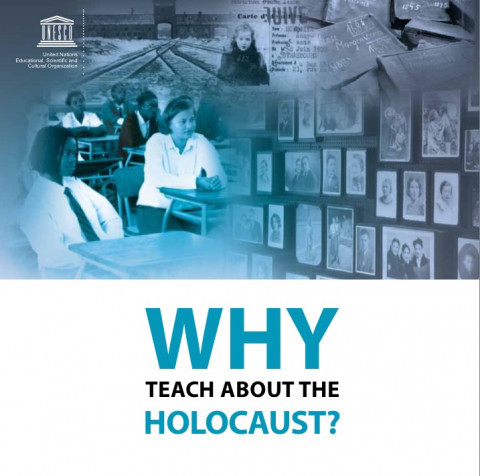 Pourquoi enseigner l'holocauste Year of publication: 2014 Corporate author: UNESCO The Holocaust was a turning point in human history. Understanding the genocide of the Jewish people and other crimes perpetrated by the Nazi regime remains of great signi cance in the modern world.Regardless of where we live or who we are, learning about this universal history can help engage students in a critical re action about the roots of genocide and the necessity to nurture peace and human rights to prevent such atrocities in the future.This short introduction provides an essential overview on education about the Holocaust that can support policymakers, educators and students alike in their understanding of genocide and why it is vital that we continue to teach about the Holocaust today. ¿Por qué enseñar sobre el holocausto? Year of publication: 2014 Corporate author: UNESCO The Holocaust was a turning point in human history. Understanding the genocide of the Jewish people and other crimes perpetrated by the Nazi regime remains of great signi cance in the modern world.Regardless of where we live or who we are, learning about this universal history can help engage students in a critical re action about the roots of genocide and the necessity to nurture peace and human rights to prevent such atrocities in the future.This short introduction provides an essential overview on education about the Holocaust that can support policymakers, educators and students alike in their understanding of genocide and why it is vital that we continue to teach about the Holocaust today. Зачем преподавать историю Холокоста? Year of publication: 2014 Corporate author: UNESCO The Holocaust was a turning point in human history. Understanding the genocide of the Jewish people and other crimes perpetrated by the Nazi regime remains of great signi cance in the modern world.Regardless of where we live or who we are, learning about this universal history can help engage students in a critical re action about the roots of genocide and the necessity to nurture peace and human rights to prevent such atrocities in the future.This short introduction provides an essential overview on education about the Holocaust that can support policymakers, educators and students alike in their understanding of genocide and why it is vital that we continue to teach about the Holocaust today.