
Resources
Explore a wide range of valuable resources on GCED to deepen your understanding and enhance your research, advocacy, teaching, and learning.
2,162 Results found
 Manual INSPIRE: Medidas destinadas a implementar las siete estrategias para poner fin a la violencia contra los niños Year of publication: 2018 Corporate author: World Health Organization (WHO) El Manual INSPIRE: Medidas destinadas a implementar las siete estrategias para poner fin a la violencia contra los niños (en adelante denominado el Manual INSPIRE) se explica en él cómo escoger y llevar a cabo intervenciones acordes con sus necesidades y su entorno. Tras una exposición de carácter general, en los capítulos sucesivos se aborda cada una de las siete estrategias, a saber: Implementación y vigilancia del cumplimiento de las leyes; Normas y valores; Seguridad en el entorno; Padres, madres y cuidadores reciben apoyo; Ingresos y fortalecimiento económico; Respuesta de los servicios de atención y apoyo; y Educación y aptitudes para la vida. El manual concluye con un resumen de los indicadores de ejecución e impacto de INSPIRE, tomados de la publicación conexa INSPIRE Indicator guidance and results framework (Orientación sobre indicadores y marco de resultados de INSPIRE).
 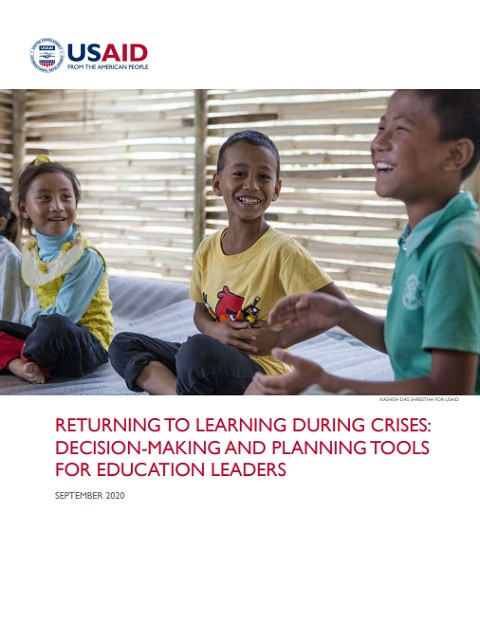 Returning to Learning During Crises: Decision-Making and Planning Tools for Education Leaders Year of publication: 2020 Corporate author: United States Agency for International Development (USAID) This toolkit is for USAID Mission staff and their partner national and local education officials, implementing partners, and administrators and educators of education institutions. It helps education planners plan and make key decisions on the return to learning during and after education disruptions caused by crises, such as COVID-19, in a way that is equitable, inclusive, and builds the resilience of education systems. To provide timely support to the field, this toolkit includes a first set of tools and identifies several tools that are forthcoming. The toolkit is expected to be updated with the full set of tools in late 2020.
  Taking Action for Change: Youth Civic Engagement and Activism; A Resource for Educators Year of publication: 2019 Author: Ian Davies | Mark Evans | Márta Fülöp | Dina Kiwan | Andrew Peterson | Jasmine B.-Y. Sim Corporate author: University of York ‘Youth activism, engagement and the development of new civic learning spaces’ was a project funded by the Leverhulme Trust and developed by an international network of researchers. The project took place between 2016 and 2019.In this resource for education, each member of the project team discusses developments in their own country and identifies key ideas and issues about how young people participate in society and what implications have for education. This book gives several examples that have already been done in different geographical areas and educational perspectives and includes promising practices that begin to illustrate ways in which educators may act.
  مجموعة أدوات بناء السلام للمعلمي: إصدار المدارس المتوسطة Year of publication: 2011 Author: Alison Milofsky Corporate author: United States Institute of Peace (USIP) تم تصميم مجموعة أدوات بناء السلام للمعلمين بواسطة المعلمين ومن أجلهم للمساعدة على تطوير الجيل التالي من صناع السلام. ويتضمن الدان - واحد للمدارس المتوسطة وآخر للمدارس الثانوية - دروساًتفاعلية تطرح مواضيع ومهارات بناء السلام للطلبة في أعمار ١١-١٣ و١٤-١٨ عاماًعلى التوالي. تم تنظيم الدروس حول ثلاث أفكار أساسية في مجال إدارة النزاعات الدولية:• النزاع طبيعة متأصلة في الإنسان.• إمكانية منع النزاع العنيف.• هناك العديد من الطرق لتصبح صانع سلام. وتتضمن هذه الدروس، التي تقدم خططاً مفصلة للمعلمين حديثي العهد بالأساليب التفاعلية، نشرات وموارد للمعلمين وأنشطة إرشادية موجهة لتعليم الطلبة حول التحديات وأهمية بناء السلام العالمي. وتطورهذه الدروسمهاراتالطلبة (مثلالاتصالات،وبناء العلاقات،وتحليلالنزاعات، والتفاوض، والوساطة) وقدراتهم على القيام بدور بناة السلام في مجتمعاتهم وفي العالم الأكبر.
  Primary schools and Prevent Year of publication: 2008 Corporate author: United Kingdom. Department for Children, Schools and Families This resource pack has been created to reduce the likelihood of young people becoming radicalized and then engaging in any form of violent extremism. The aim of ‘Prevent’ is to stop people becoming or supporting terrorists and to do this by challenging ideologies, protecting vulnerable individuals and supporting institutions, such as schools. It is part of the National Counter Terrorism Strategy known as CONTEST. Primary schools and Prevent Year of publication: 2008 Corporate author: United Kingdom. Department for Children, Schools and Families Cet ensemble de ressources a été élaboré afin d’empêcher, autant que possible, les jeunes de se radicaliser et de s’engager ensuite sur la voie de l’extrémisme violent. En effet, l’objectif d’une action préventive est d’empêcher les individus de rejoindre ou de supporter les groupes terroristes, en poussant à la remise en question de ces idéologies, en protégeant les personnes vulnérables et en soutenant les institutions en première ligne telles que les écoles. Cet outil participe ainsi à la Stratégie Nationale britannique de lutte contre le terrorisme, appelée CONTEST. Peacebuilding Toolkit for Educators: Middle School Edition Year of publication: 2011 Author: Alison Milofsky Corporate author: United States Institute of Peace (USIP) The Peacebuilding Toolkit for Educators is designed by and for educators to help develop the next generation of peacebuilders.The lessons are organized around three basic ideas within the field of international conflict management:• Conflict is an inherent part of the human condition.• Violent conflict can be prevented.• There are many ways to be a peacebuilder. Providing detailed plans for educators new to interactive methods, the lessons include handouts, teacher resources, and extension activities geared toward teaching students about the challenges and importance of global peacebuilding. These lessons develop students’ skills (such as communication, relationship building, conflict analysis, negotiation, and mediation) and their capacities to act as peacebuilders in their communities and in the greater world. Juego de herramientas para construir paz : Edición para educadores de la escuela intermedia (de 11 a 13 años) Year of publication: 2011 Author: Alison Milofsky Corporate author: United States Institute of Peace (USIP) El Juego de herramientas para construir paz ha sido diseñado por y para educadores con el fin de formar la próxima generación de constructores de paz. Las lecciones están organizadas en torno de tres ideas básicas dentro del campo del manejo de conflictos internacionales:• El conflicto es una parte inherente de la condición humana.• Los conflictos violentos pueden prevenirse.• Hay muchas maneras de ser un constructor de paz. Con el fin de proporcionar planes detallados para los educadores que aún no conocen los métodos interactivos, las lecciones incluyen material impreso, recursos para los profesores y actividades para ampliar cuyo fin es enseñar a los alumnos acerca de la importancia y las dificultades que entraña la construcción de paz a nivel mundial. Estas lecciones desarrollan las destrezas de los alumnos (como la comunicación, el afianzamiento de las relaciones, el análisis del conflicto, la negociación y la mediación) y sus capacidades para actuar como constructores de paz en sus comunidades y en el mundo. Boîte à outils pour le peacebuilding à l’intention des éducateurs : Édition pour les élèves de 11 à 13 ans Year of publication: 2011 Author: Alison Milofsky Corporate author: United States Institute of Peace (USIP) La Boîte à outils pour le peacebuilding a été conçue par et pour les éducateurs pour aider à former la génération suivante de peacebuilders. Les leçons s’articulent autour de trois idées fondamentales dans le domaine de la gestion des conflits internationaux :• Les conflits sont indissociables de la condition humaine.• Les conflits violents peuvent être évités.• Il existe de nombreuses manières de devenir un peacebuilder. Proposant des plans détaillés pour les éducateurs non encore initiés aux méthodes interactives, les leçons incluent des documents, des ressources pédagogiques et des activités complémentaires axés sur l’enseignement des défis et de l’importance du peacebuilding dans le monde aux élèves. Ces leçons renforcent les compétences des élèves (par ex. communication, établissement de relations, analyse de conflits, négotiation et médiation) et leurs capacités à assumer le rôle de peacebuilders dans leurs communautés et dans le monde au sens large.
 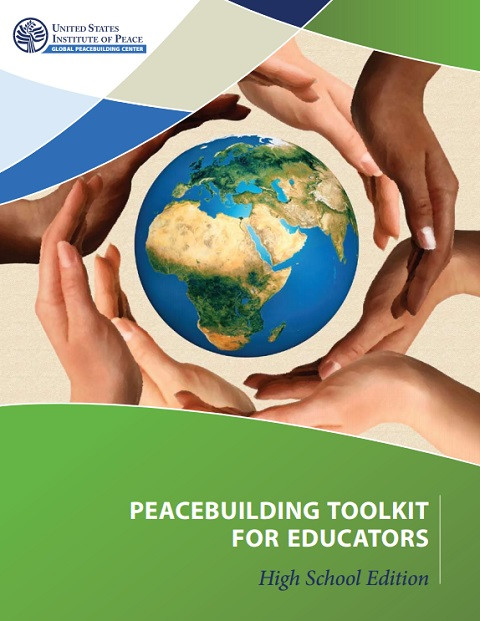 مجموعة أدوات بناء السلام للمعلمي: إصدار المدارس الثانوية Year of publication: 2011 Author: Alison Milofsky Corporate author: United States Institute of Peace (USIP) تم تصميم مجموعة أدوات بناء السلام للمعلمين بواسطة المعلمين ومن أجلهم للمساعدة على تطوير الجيل التالي من صناع السلام. ويتضمن الدان - واحد للمدارس المتوسطة وآخر للمدارس الثانوية - دروساً تفاعلية تطرح مواضيع ومهارات بناء السلام للطلبة في أعمار ١١-١٣ و١٤-١٨ عاماً على التوالي. تم تنظيم الدروس حول ثلاث أفكار أساسية في مجال إدارة النزاعات الدولية:• النزاع طبيعة متأصلة في الإنسان.• إمكانية منع النزاع العنيف.• هناك العديد من الطرق لتصبح صانع سلام. وتتضمن هذه الدروس، التي تقدم خططاً مفصلة للمعلمين حديثي العهد بالأساليب التفاعلية، نشرات ومواردللمعلمين وأنشطة إرشادية موجهة لتعليم الطلبة حول التحديات وأهمية بناء السلام العالمي. وتطور هذه الدروس مهارات الطلبة (مثل الاتصالات، وبناء العلاقات، وتحليل النزاعات، والتفاوض، والوساطة) وقدراتهم على القيام بدور بناة السلام في مجتمعاتهم وفي العالم الأكبر