
Resources
Explore a wide range of valuable resources on GCED to deepen your understanding and enhance your research, advocacy, teaching, and learning.
306 Results found
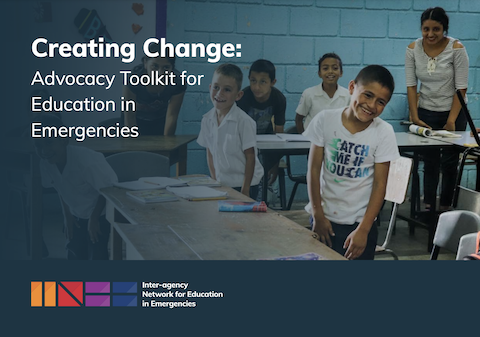 Creating Change: Advocacy Toolkit for Education in Emergencies Year of publication: 2021 Author: Eleanor Gall Corporate author: Inter-agency Network for Education in Emergencies (INEE) The INEE Advocacy Toolkit aims to make it easier and faster for INEE members to find the tools they need to strengthen their vital work. It pulls together resources from across the education, humanitarian, and development sectors and presents them as clear, concise lists. The resources listed have been selected in response to a survey of INEE members’ needs, and in acknowledgement of the diverse emergency contexts in which INEE members work. While this resource is aimed primarily at INEE members working at a national level, we hope it will be helpful to any organization or individual who advocates for—or wants to advocate for —EiE at a local, regional, or global level. It is by no means an exhaustive list, but it does provide extensive options, ideas, and inspiration for impactful, sustainable, advocacy that can help to ensure a quality, safe, andrelevant education for all who live in emergency and crisis contexts. Creando un Cambio: Caja de Herramientas de Incidencia Política para la Educación en Situaciones de Emergencia Year of publication: 2021 Author: Eleanor Gall Corporate author: Inter-agency Network for Education in Emergencies (INEE) El objetivo de la Caja de Herramientas de Incidencia Política de la INEE es que la búsqueda de las herramientas necesarias para fortalecer el trabajo vital de sus miembros sea más fácil y rápido. La Caja de Herramientas reúne recursos para la educación para ser usados en contextos humanitarios y de desarrollo, y los presenta como listas claras y concisas. Los recursos listados se han seleccionado en respuesta a una encuesta de las necesidades de los miembros de la INEE, y en reconocimiento de los diversos contextos de emergencia en los cuales trabajan los miembros de la INEE. Si bien este recurso se encuentra dirigido en primer lugar a los miembros de la INEE que trabajan a nivel nacional, esperamos que sea de ayuda para cualquier organización o individuo que aboga por, o que quiera abogar por la EeE a nivel local, regional o global. De ninguna manera la caja de herramientas es una lista exhaustiva, pero sí proporciona extensas opciones, ideas e inspiraciones para una incidencia política de impacto y sostenible que pueda ayudar a asegurar la educación de calidad, segura y relevante para todos los que viven en contextos de emergencia y crisis. Créer le changement: Boîte à outils pour le plaidoyer pour l’éducation en situations d’urgence Year of publication: 2021 Author: Eleanor Gall Corporate author: Inter-agency Network for Education in Emergencies (INEE) La boîte à outils pour le plaidoyer de l’INEE a pour but que les membres de l’INEE trouvent facilement et rapidement les outils dont ils et elles ont besoin pour renforcer leur travail vital. Elle rassemble des ressources issues des secteurs de l’éducation, humanitaire et du développement et les présente de façon claire sous forme de listes concises. Les ressources figurant dans les listes ont été sélectionnées suite à une enquête sur les besoins des membres de l’INEE et après avoir pris conscience des différents contextes d’urgence dans lesquels les membres de l’INEE travaillent.
 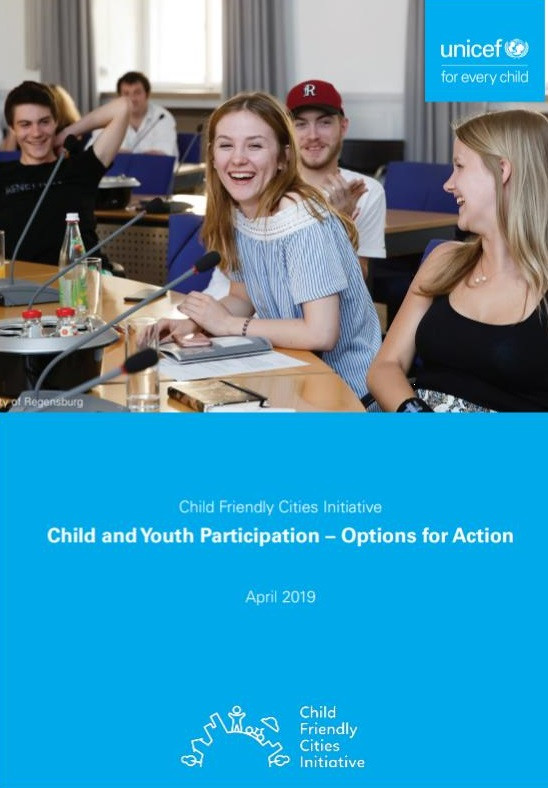 Child and Youth Participation – Options for Action: Child Friendly Cities Initiative Year of publication: 2019 Author: Gerison Lansdown Corporate author: United Nations Children's Fund (UNICEF) This report summarises practical experiences and recommendations for the development of child-friendly cities, which aimed at enabling children to become active citizens through participation. 促进儿童和青年参与——备选行动方案:儿童友好型城市倡议 Year of publication: 2019 Author: Gerison Lansdown Corporate author: United Nations Children's Fund (UNICEF) 本报告总结了儿童友好型城市发展的实践经验并提出相关建议,致力于促使儿童通过参与行使其积极公民权。
 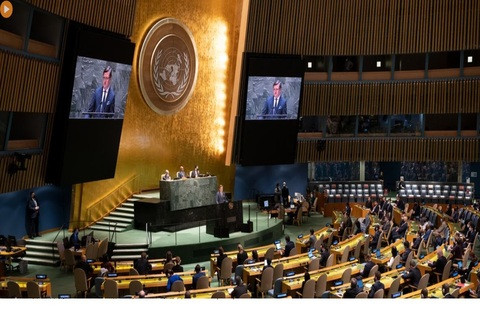 UN General Assembly Meeting on the Situation in Ukraine Year of publication: 2022 Corporate author: United Nations (UN) This video shows the statements made by the UN Secretary-General and delegates at the UN General Assembly on the situation in Ukraine. 联合国大会就乌克兰局势举行会议 Year of publication: 2022 Corporate author: United Nations (UN) 该视频展示了联合国大会上联合国秘书长与各国代表对乌克兰局势的发言。
 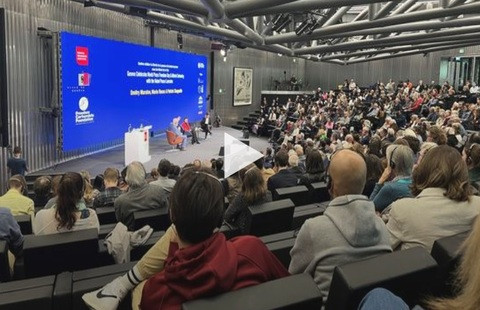 Feature Story: Freedom of the Press and Safety of Journalists in the Digital Age - Global Conference on World Press Freedom Day Year of publication: 2022 Corporate author: United Nations (UN) This audio is an introduction to the Global Conference on World Press Freedom Day, co-hosted by UNESCO and the Government of Uruguay, and includes brief content from some of the speakers. 《专题报道》数字时代下的新闻自由和记者安全 — 记世界新闻自由日全球会议 Year of publication: 2022 Corporate author: United Nations (UN) 本音频是对联合国教科文组织与乌拉圭政府共同主办的世界新闻自由日全球会议的介绍,包括一些发言人的内容简介。
  Feminist Perspectives on Security and the Role of Women in Peacebuilding - Interview with Feminist Scholar Priscyll Anctil Avoine Year of publication: 2022 Corporate author: United Nations (UN) This audio is an interview with Priscyll Anctil, a feminist researcher on security at Lund University in Sweden. It focuses on feminist security research, which examines the various forms and impacts of security through a gender lens.