
Resources
Explore a wide range of valuable resources on GCED to deepen your understanding and enhance your research, advocacy, teaching, and learning.
1,402 Results found
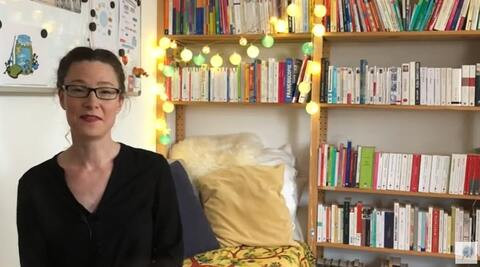 Freinet Pedagogy Adapted to French as a Foreign Language (FLE) Year of publication: 2021 Author: Alice Lenesley | Marianne Viader Corporate author: Culture FLE Interview with Alice Lenesley, who presents the Freinet method adapted to French as a Foreign Language (FLE) classes. In this video, she presents the teaching tools developed by Célestin Freinet, a teacher who adapted his way of teaching to his pupils and their physical constraints. Here are the tools presented in the video: getting out into nature, the "quoi de neuf", non-masterly teaching, the unexpected and spontaneity, autonomy, free text and little books. La pédagogie Freinet adaptée au FLE Year of publication: 2021 Author: Alice Lenesley | Marianne Viader Corporate author: Culture FLE Interview d'Alice Lenesley qui présente la méthode Freinet adaptée aux cours de Français Langue Étrangère (FLE), elle y présente les outils pédagogiques développés par Célestin Freinet, un instituteur qui a adapté sa manière d'enseigner aux élèves et à ses contraites physiques. Voici les outils présentés dans la vidéo : sortir dans la nature, le "quoi de neuf", un enseignement non magistral, l'imprévu et la spontanéité, l'autonomie, le texte libre et les petits livres.
 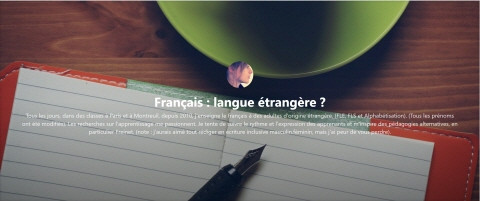 Bonjourjesuis Year of publication: 2021 Author: Alice Lenesley Corporate author: Bonjourjesuis Ce site internet recense plusieurs outils et des pédagogies alternatives pour enseigner le français langue étrangère ou l'alphabétisation. Ces outils issus de l'éducation populaire favorisent l'apprentissage des apprenants via une implication des étudiants dans les cours et les discussions, les apprenants ne sont plus en position de passivité mais deviennent acteurs du cours d'alphabétisation ou de français langue étrangère.Ces outils sont inspirés de la méthode Freinet. This website lists several tools and alternative pedagogies for teaching French as a foreign language or literacy. These popular education tools encourage learner learning by involving students in lessons and discussions. Learners are no longer in a passive position, but become actors in the literacy or French as a foreign language course. These tools are inspired by the Freinet's method.
 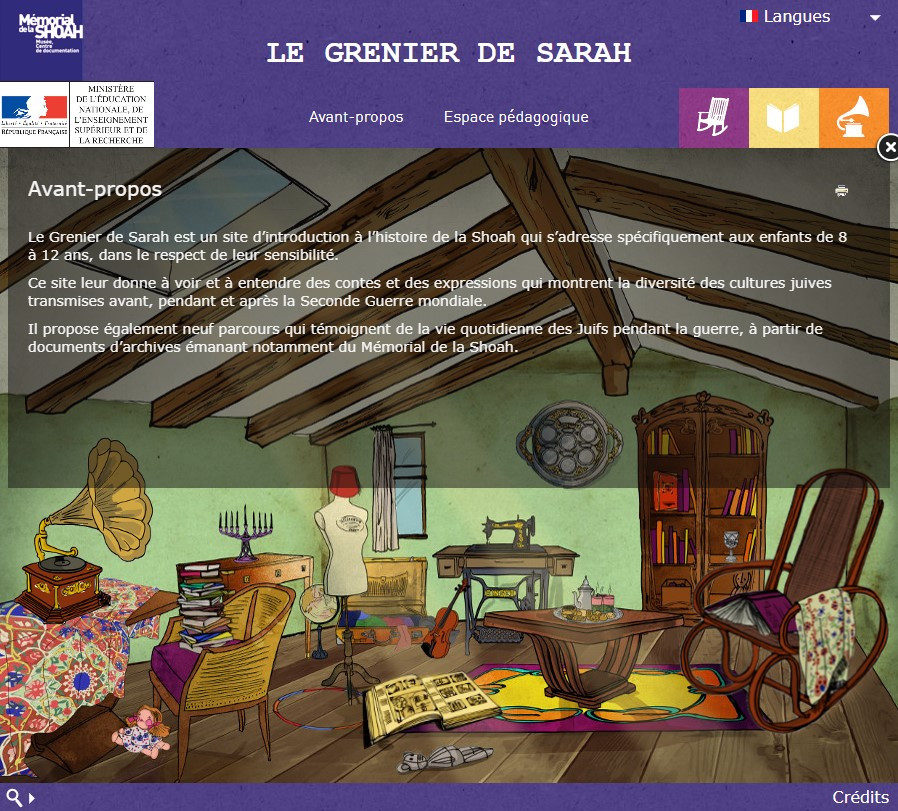 Le grenier de Sarah Author: Jacques Fredj | Barbara Mellul | Adeline Salmon | Barbara Mellul | Adeline Salmon | Tralalère | Alliance concept | Judith Panijel | Alban Perrin | Iannis Roder Lior Lalieu-Smadja | Karen Taieb | Ariel Sion Corporate author: Memorial de la Shoah Le Grenier de Sarah est un site d’introduction à l’histoire de la Shoah, créé spécifiquement pour les enfants de 8 à 12 ans, dans le respect de la sensibilité des jeunes visiteurs. Les choix éditoriaux et iconographiques du site traduisent scrupuleusement cette volonté de ne pas les choquer. Le site a été conçu à partir du questionnement des enfants sur cette période.- Qui étaient ces personnes que les nazis ont voulu assassiner ?- Dans quels pays vivaient-elles ? Quelles langues parlaient-elles ?- Quels ont été les parcours propres à chacune d’entre-elles ?Le Grenier de Sarah permet aux enfants de naviguer sur le site de façon autonome. Toutefois, il est conseillé aux adultes de les accompagner lors de leur première visite afin d’instaurer un dialogue et de répondre à d’éventuelles questions.Pour y répondre, trois rubriques, « Il était une fois », « Des mots à l’oreille » et « En noir et blanc », donnent des clefs de compréhension.- Dans « Il était une fois », des contes donnent un aperçu de la diversité des cultures juives. - Dans « Des mots à l’oreille », des expressions en hébreu, yiddish, judéo-espagnol et judéo-arabe ouvrent une fenêtre sur la pluralité du judaïsme. - Dans « En noir en blanc », neuf parcours témoignent de la vie quotidienne des Juifs pendant la guerre. En cliquant sur l’album photo, l’enfant choisit d’entendre un des récits de vie proposés.Tout au long de chaque parcours, des définitions et des documents, sont à la disposition du jeune visiteur. Pour les enseignants, un espace pédagogique spécifique a été créé afin d’y trouver des ressources complémentaires et des pistes de travail. Sarah’s attic is a website introducing to the Shoah History. It was specifically created for children from age 8 to 12 and respects their sensibility as young visitors. The contents and iconography are carefully intended to suit their emotional and cognitive abilities.The website was designed and elaborated from questions asked by children in History classes teaching this time period - Who were these persons the Nazis wanted to murder?- In which countries did they live? Which languages did they speak?- What were their personal experiences? Sarah’s attic enables children to navigate through the website on their own. Nevertheless, we recommend that adults accompany them on their first visit in order to create a dialog and answer possible questions.As part of a school or extra-curricular framework, this program can be used in small groups with the guidance of an adult.In order to answer these questions, three sections “Once upon a time”, “Words to my ear” and “In black and white” give keys to understanding the event.- In “Once upon a time”, tales give a glimpse of the diversity of Jewish cultures. - In “Words to my ear”, expressions in Hebrew, Yiddish, Judeo-Spanish and Judeo-Arabic open a window on the pluralism of Judaism. - In “In Black and white”, nine personal itineraries bear witness of the daily life of Jews during the war. Along each personal story, definitions and documents are available to the young visitor.For teachers and educators, a specific educational section contains additional resources, guidelines and teaching materials.
 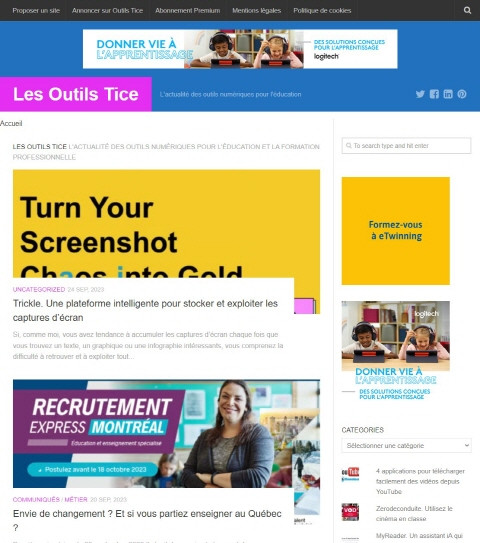 Les Outils TICE - L'actualité des outils numériques pour l'éducation Author: Fidel Navamuel Les outils Tice est un site de références dans son domaine.Créé par un journaliste, il recense, chaque semaine l’actualité des sites et des outils utilisant les Technologies de l’Information et de la Communication dans l’Education (TICE). Chaque ressource est présentée et analysée. Les ressources sont classées par catégorie et une newsletter permet de recevoir chaque semaine les dernières nouveautés. Les outils Tice is a reference site in its field.Created by a journalist, it provides weekly news on sites and tools using Information and Communication Technologies in Education.(ICTE). Each resource is presented and analyzed. Resources are classified by category, and a weekly newsletter keeps you up to date with the latest news.
 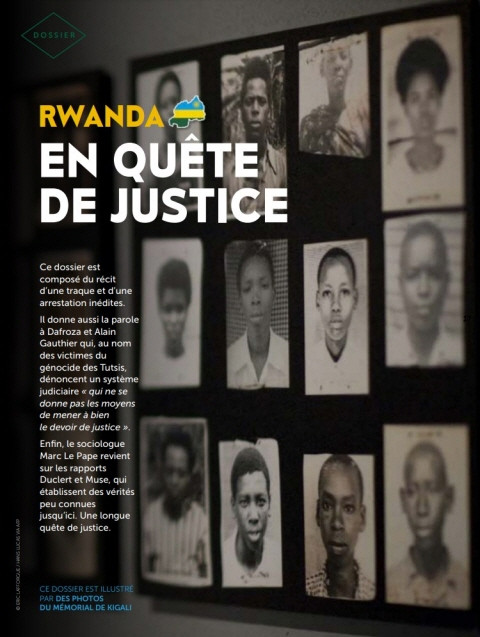 Rwanda: In Search of Justice(Humains; no.30) Year of publication: 2024 Corporate author: Action by Christians for the Abolition of Torture (ACAT France) On the thirtieth anniversary of the genocide of the Tutsis in Rwanda, ACAT-France looks back at this tragic event for human rights. Discover the dossier in the magazine Humains #32 devoted to this subject. Rwanda: En quête de justice (Humains; n° 30) Year of publication: 2024 Corporate author: Action by Christians for the Abolition of Torture (ACAT France) À l’occasion du trentième anniversaire du génocide des Tutsis au Rwanda, l’ACAT-France revient sur cet événement tragique pour les droits de l’Homme. Découvrez le dossier de la revue Humains #32 consacré à ce sujet.
 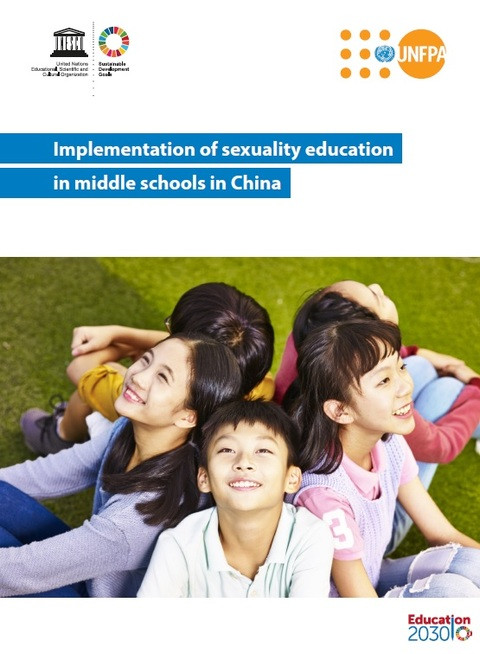 Implementation of Sexuality Education in Middle Schools in China Year of publication: 2018 Corporate author: UNESCO Beijing | United Nations Population Fund (UNFPA) This research report describes the current situation and problems with the implementation of sex education in schools in China, and makes relevant recommendations for policy makers and schools. 中国初级中学性教育实施状况 Year of publication: 2018 Corporate author: UNESCO Beijing | United Nations Population Fund (UNFPA) 本调研报告介绍了中国目前开展学校性教育的情况以及存在的问题,并对政策制定者和学校提出了相关建议。
 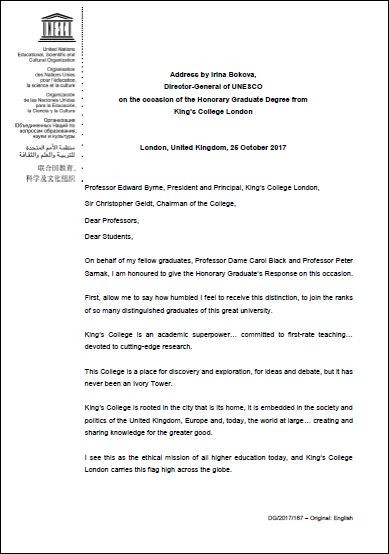 Address by Irina Bokova, Director-General of UNESCO, on the occasion of the Honorary Graduate Degree from King's College London Year of publication: 2017 Corporate author: UNESCO. Director-General, 2009-2017 (Bokova, I.G.) This address was delivered by Irina Bokova, Director-General of UNESCO, on the occasion of the Honorary Graduate Degree from King's College London on 25 October 2017.