
Resources
Explore a wide range of valuable resources on GCED to deepen your understanding and enhance your research, advocacy, teaching, and learning.
874 Results found
 The Concept of Citizenship Throughout History Year of publication: 2021 Corporate author: Argentina. Ministry of Education This video explores the notion of citizenship throughout history. This video was produced within the framework of the Seguimos Educando Program, which during 2020 and 2021 allowed, through different means, students to remain in contact with school. The proposed activities and content are guided by the Priority Learning Cores common to the entire country. El concepto de ciudadanía a lo largo de la historia Year of publication: 2021 Corporate author: Argentina. Ministry of Education Este video recorre la noción de ciudadanía a lo largo de la historia. Este video fue elaborado en el marco del Programa Seguimos Educando, que durante 2020 y 2021 permitió, a través de distintos medios, que las y los estudiantes siguieran en contacto con la escuela. Las actividades y contenidos propuestos están orientados por los Núcleos de Aprendizajes Prioritarios comunes para todo el país.
  Skills for Citizenship: Democratic Inclusion in Schools Year of publication: 2014 Corporate author: Argentina. Ministry of Education This material aims to provide tools to the different institutional actors for their daily encounter with young students so that they can, in turn, learn and develop them throughout their lives. The topics and activities it develops cover conflict management, assertive communication, life skills, participation of young people and adults in the institution, the meaning and growth of group life and interpersonal relationships. Habilidades para la ciudadanía: Inclusión democrática en las escuelas Year of publication: 2014 Corporate author: Argentina. Ministry of Education Este material se propone brindar herramientas a los diferentes actores institucionales para su encuentro cotidiano con los jóvenes estudiantes y para que estos puedan, a su vez, aprehenderlas y desarrollarlas a lo largo de sus vidas. Los temas y actividades que desarrolla recorren la gestión del conflicto, la comunicación asertiva, las habilidades para la vida, la participación de los jóvenes y los adultos de la institución, el significado y crecimiento de la vida de grupo y las relaciones interpersonales.
  I International Congress: Good Training Practices for the Professional Development of Teachers 2023 Year of publication: 2023 Corporate author: Chile. Ministry of Education | Organization of Ibero-American States for Education, Science and Culture (OEI) This book is the result of the First International Congress of Good Training Practices for the Professional Development of Teachers, held on December 5 and 6, 2023 at the Center for Improvement, Experimentation and Pedagogical Research (CPEIP) of the Ministry of Education of Chile (Mineduc), in conjunction with the Organization of Ibero-American States (OEI). It includes practices for training with a focus on rights and for sustainable development. I Congreso Internacional: Buenas prácticas formativas para el desarrollo profesional docente 2023 Year of publication: 2023 Corporate author: Chile. Ministry of Education | Organización de Estados Iberoamericanos para la Educación, la Ciencia y la Cultura (OEI) Este libro es el resultado del Primer Congreso Internacional de Buenas Prácticas Formativas para el Desarrollo Profesional Docente, desarrollado los días 5 y 6 de diciembre del 2023 en dependencias del Centro de Perfeccionamiento, Experimentación e Investigaciones Pedagógicas (CPEIP) del Ministerio de Educación de Chile (Mineduc), en conjunto con la Organización de Estados Iberoamericanos (OEI). Incluye prácticas para la formación con enfoque de derechos y para el desarrollo sostenible.
  Building Democratic Citizenship in School: Memory and Human Rights Year of publication: 2021 Corporate author: Argentina. Ministry of Education | Organization of Ibero-American States for Education, Science and Culture (OEI) | Spanish Agency for International Development Cooperation (AECID) This material seeks to reflect on the ways of approaching the construction of democratic citizenship, memory and human rights in secondary schools. The book thus proposes a series of memory activities and exercises based on significant historical sources and documents. At the same time, guidelines and suggestions are presented for the development of a citizenship construction project as a teaching strategy. Construir ciudadanía democrática en la escuela: Memoria y Derechos Humanos Year of publication: 2021 Corporate author: Argentina. Ministry of Education | Organización de Estados Iberoamericanos para la Educación, la Ciencia y la Cultura (OEI) | Spanish Agency for International Development Cooperation (AECID) Este material busca reflexionar sobre los modos de abordar la construcción de la ciudadanía democrática, la memoria y los derechos humanos en las escuelas secundarias. El libro propone así una serie de actividades y ejercicios de memoria que parten de fuentes y documentos históricos significativos. A su vez, se presentan pautas y sugerencias para la elaboración de un proyecto de construcción de ciudadanía como estrategia de enseñanza.
 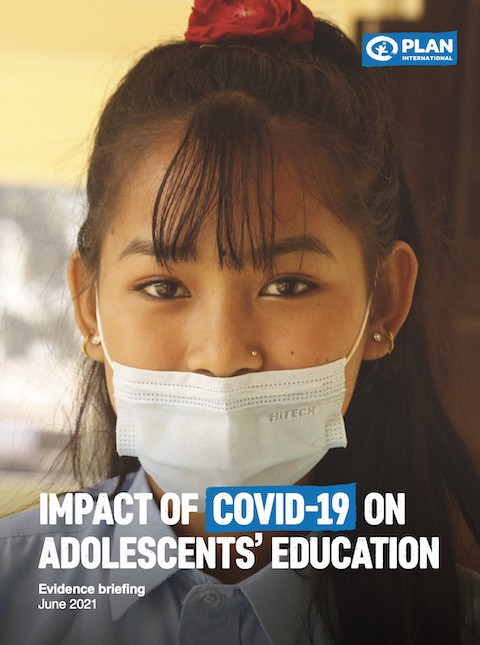 Impact of COVID-19 on Adolescents’ Education: Evidence Briefing Year of publication: 2021 Author: Adrienne Monteath-van Dok | Anthony Davis | Nicholas Frost Corporate author: Plan International UK This paper highlights the impact of COVID-19 on the education of adolescent girls and boys.
 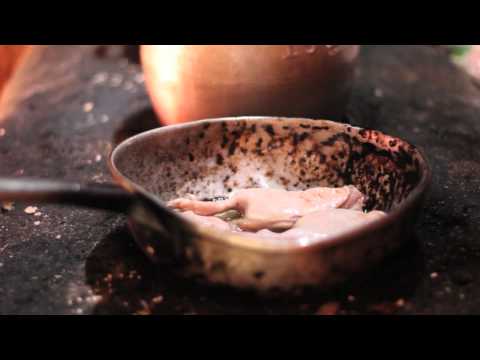 Guinea Pig VF (S. Prijot) Year of publication: 2015 Corporate author: Îles de Paix In Peru, the guinea pig is bred for its protein-rich flesh. For a long time, they grew up within the family itself, without any particular precaution in terms of hygiene and the care to be provided to them. Thanks to the intervention of Iles de Paix, a hundred women were trained in the breeding of these animals, thus making it possible to improve the quality and the quantity of the production. Through this action, many families have seen their food enriched considerably and for some, their income improved.