
Resources
Explore a wide range of valuable resources on GCED to deepen your understanding and enhance your research, advocacy, teaching, and learning.
1,322 Results found
 Философия независимой жизни: состояние инклюзивного образования в Казахстане (обзорный анализ современных исследований) (Вестник ЕНУ им. Л.Н. Гумилева. Серия: Исторические науки. Философия. Религиоведение; Vol.142, No.1) Year of publication: 2023 Author: Абдина Айнур К. | Уызбаева Анар А. | Жанарстанова Марал Б. Люди с ограниченными возможностями имеют право на полноценное участие в жизни общества. Философия независимой жизни связана с самоопределением, с тем, чтобы люди с ограниченными возможностями решали, что для них лучше. Для преодоления ими барьеров, существующих в социальном пространстве, необходимы не только пандусы, специальное оборудование и обученный персонал, но и изменение отношения людей. Речь идет не о благотворительности, а о правах. Необходимо принятие соответствующих законов, создание полноценно развитой социальной инфраструктуры и дружелюбной окружающей среды. Авторы статьи рефлексируют над понятием «философия независимой жизни», выделяя его ключевой момент – концептуализацию проблем инвалидности и выстраивания адекватного отношения в обществе к людям с ограниченными возможностями здоровья (ОВЗ) и особыми образовательными потребностями (ООП). Центральное место в философии независимой жизни занимает инклюзивный подход. Несомненно, проблема адаптации лиц с ООП к системе образования является одним из актуальнейших вопросов в глобальном дискурсе об инвалидности. В то же время, нельзя утверждать, что исследования в области инклюзивного образования получили достаточно широкое распространение в мировом научном сообществе и образовательном пространстве. Существуют огромные различия между национальными уровнями исследований и их интерпретационными рамками. Для выявления состояния инклюзивного образования в Казахстане, авторами предпринята попытка обзорного анализа современных научных исследований в данной области, проведенных отечественными учеными. Кроме того, делается акцент на еще одном важном моменте инклюзивного образования – на ассистивных технологиях.
 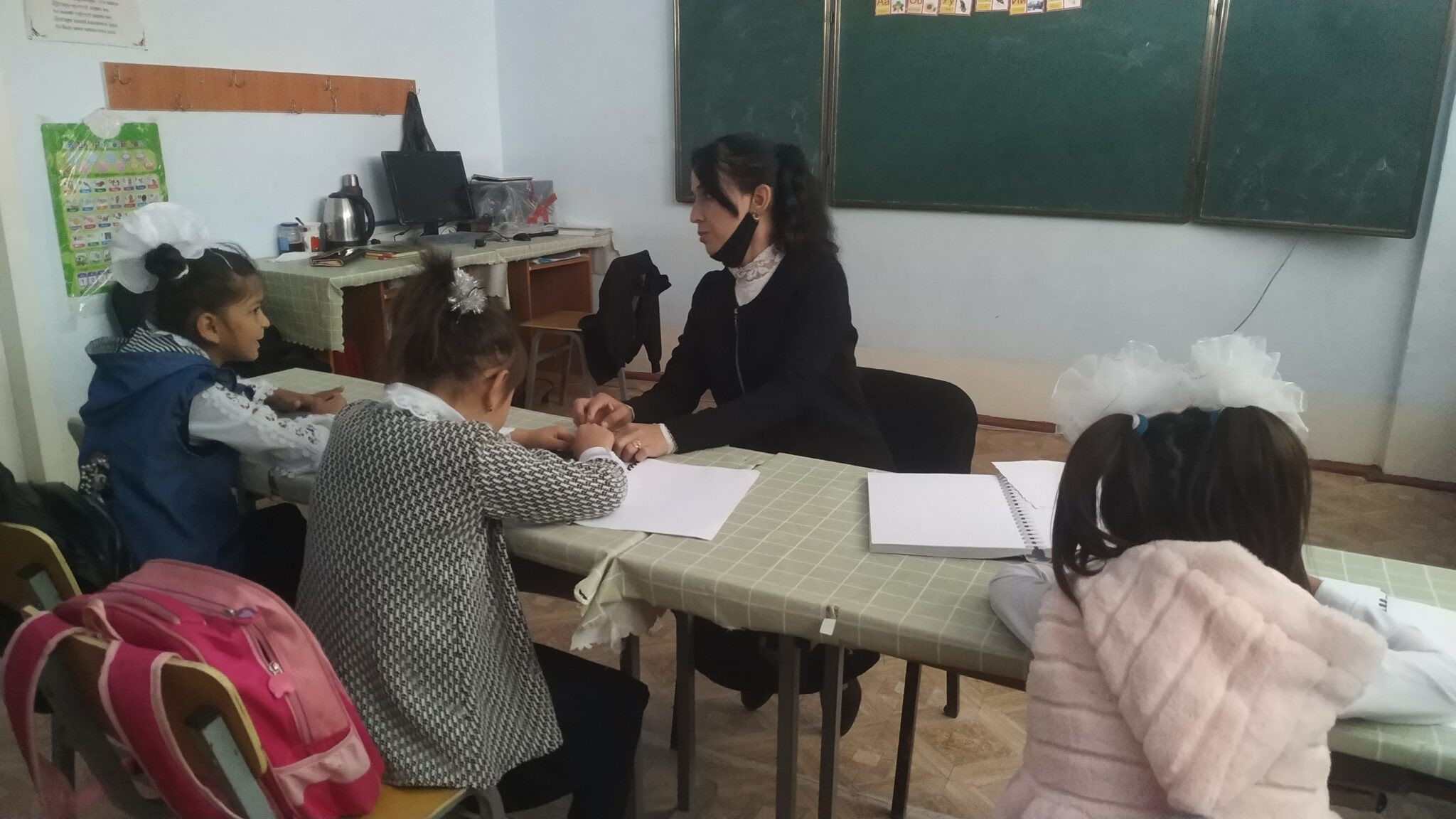 Children with Disabilities in Remote Regions of Tajikistan Have No Access to Quality Education Year of publication: 2023 Corporate author: CABAR.asia Parents of children with disabilities from remote villages in Khatlon Province are concerned about their children’s education conditions, but authorities say all are covered. У детей с инвалидностью в отдаленных регионах Таджикистана нет доступа к качественному образованию Year of publication: 2023 Corporate author: CABAR.asia Родители детей с инвалидностью из отдаленных сел Хатлонской области обеспокоены условиями обучения своих детей, но власти заявляют, что все они охвачены образованием.
  Почему дискриминируются незрячие педагоги? Year of publication: 2021 Author: Абдулла Абдухалилов | Дильмурад Юсупов Вовлечение незрячих учителей в систему образования необходимо для развития инклюзии в этой сфере Узбекистана. Созданы ли равные условия и возможности для педагогической деятельности? Абдулла Абдухалилов и Дильмурад Юсупов изучили проблему на основе личного опыта и успешных примеров инклюзии в педагогике.
  초등학교 교육과정 분석을 통한 동물권 교육의 위계 방안 모색: 동물복지 교육을 중심으로 Year of publication: 2018 Author: 박헌우 | 강연실 | 채희숙 | 문승준 | 장은정 | 표수연 | 송재경 | 김은숙 | 이봉희 | 박아름 Corporate author: 서울특별시교육청 교육연구정보원 | 서울교육정책연구소 반려동물을 기르는 인구수가 천만을 넘어서고 반려동물에 대한 국민적 관심과 인식 수준이 높아지고 있는 상황을 고려할 때, 지금이 동물의 복지와 권리에 대한 학생들의 올바른 이해와 준비가 필요한 시점이다.본 연구는 학생들의 동물권에 대한 인식을 제고하기 위하여 초등학교 현장에서 적용 가능한 초등학교 동물복지 교육의 위계를 설정하고, 동물복지 교육 프로그램을 개발하는 데 그 목적이 있다. 서울특별시교육청교육연구정보원이(가) 창작한 [정책-17-32] 초등학교 교육과정 분석을 통한 동물권 교육의 위계 방안 모색-동물복지 교육을 중심으로- 저작물은 "공공누리 제4유형(출처표시-상업적 이용금지-변경금지)" 조건에 따라 이용 할 수 있습니다.
  Uzbekistan: Gender Score by Country Year of publication: 2014 Corporate author: Asian Development Bank (ADB) This country gender assessment describes the changing status of women and men in Uzbekistan as the country rapidly transitions from a state-controlled, agriculture-based economy to a market-based system. Prepared under ADB regional technical assistance, this report details several characteristics of Uzbekistan's transformation and their direct relevance to gender equality. Узбекистан. Гендерная оценка по стране Year of publication: 2014 Corporate author: Asian Development Bank (ADB) Эта гендерная оценка по стране описывает изменения в положении женщин и мужчин в Узбекистане, так как страна быстро переходит из контролируемой государством, сельско-хозяйственной экономики к рыночной системе. Подготовлено под региональной технической помощью АБР, в настоящем докладе подробно описывается несколько характеристик преобразования Узбекистана и их непосредственное отношение к гендерному равенству.
  Strengthening the Gender Journalism Curriculum in the Republic of Kazakhstan Year of publication: 2018 Author: Sergey Karpov | Nazgul Shyngysova This program focuses on how strategic gender analysis might be incorporated into journalistic production. It describes and analyzes how inequalities between men and women occur culturally and are reproduced in the media, enabling students to critically examine and reconsider their own stereotypes. Усиление учебной программы по гендерной журналистике в Республике Казахстан Year of publication: 2018 Author: Sergey Karpov | Nazgul Shyngysova Эта программа посвящена тому, как стратегический гендерный анализ мог бы быть включен в журналистское производство. В нем описывается и анализируется, как неравенство между мужчинами и женщинами происходит в культурном плане и воспроизводится в СМИ, давая возможность студентам критически выяснить и пересмотреть свои собственные стереотипные представления.
  Central Asia and Mongolia. OSCE Sub-regional Expert Meeting on Eliminating Violence against Women and Girls Year of publication: 2021 Corporate author: Organization for Security and Co-operation in Europe (OSCE) In 2020, the OSCE Gender Issues Programme conducted a series of sub-regional expert meetings in order to take stock of progress towards fulfilment of OSCE commitments on preventing and combating violence against women and girls.The report summarizes the outcomes of the meeting aimed at exchanging information and identifying areas of progress as well as persistent challenges.