
Resources
Explore a wide range of valuable resources on GCED to deepen your understanding and enhance your research, advocacy, teaching, and learning.
882 Results found
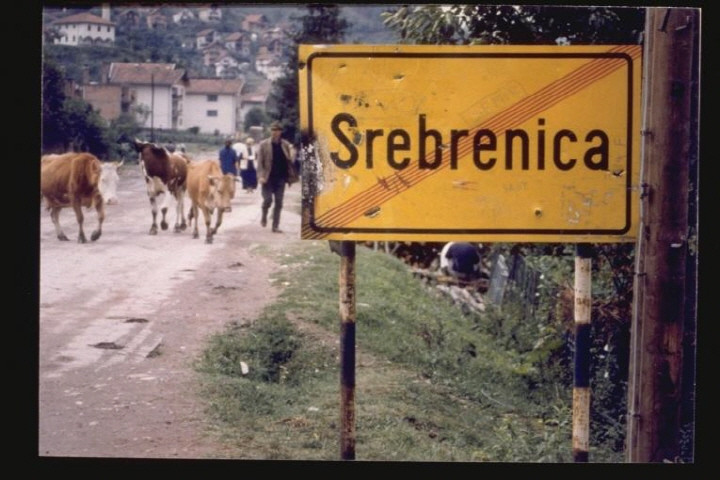 [Podcast] Back to Srebrenica Year of publication: 2022 Corporate author: Doctors without Borders Since its creation in 1971, Médecins Sans Frontières has been providing medical assistance to populations in need in numerous extremely complex situations. Its staff has often witnessed various types of crimes and abuses. In this podcast, we will take a closer look at one of these crises: the siege of the city of Srebrenica and the massacre that followed the fall of this city during the Bosnian War in the 1990s. [Podcast] Retour à Srebrenica Year of publication: 2022 Corporate author: Doctors without Borders Depuis sa création en 1971, Médecins Sans Frontières apporte une aide médicale aux populations qui en ont besoin dans nombre de situations extrêmement complexes. Son personnel a souvent été témoin de toutes sortes de crimes et d’abus. Dans ce podcast, nous allons examiner en détail l’une de ces crises : le siège de la ville de Srebrenica et le massacre qui suivra la chute de cette ville, lors de la guerre de Bosnie, au cours des années 1990.
  حالة حقوق الإنسان في العالم: أبريل/نيسان 2024 Year of publication: 2024 Corporate author: Amnesty International Le Rapport d’Amnesty International décrit la situation des droits humains dans le monde en 2023 dans 155 pays différents. Les équipes de journalistes et d’enquêteurs de l'ONG peignent un portrait plutôt sombre, avec notamment un recul du droit des femmes, les conséquences dramatiques du réchauffement climatique sur les populations les plus vulnérables, le recul du droit de manifester, ou encore la prolifération de la haine en ligne dans le monde. La multiplication des conflits armés et le choc du 7 octobre ont également eu des conséquences dramatiques. Cependant, quelques bonnes nouvelles sont aussi à noter, avec des avancées pour les droits des personnes LGBTI par exemple. Amnesty International Report describes the human rights situation worldwide in 2023 in 155 different countries. TheNGO's teams of journalists and investigators paint a rather gloomy picture, with, in particular, a decline in women's rights, the dramatic consequences of global warming on the most vulnerable populations, a decline in the right to protest, and the proliferation of online hate around the world. The multiplication of armed conflicts and the shock of October 7 have also had dramatic consequences. However, there is some good news too, with advances in LGBTI rights for example. 世界人权状况:2024年4月 Year of publication: 2024 Corporate author: Amnesty International Le Rapport d’Amnesty International décrit la situation des droits humains dans le monde en 2023 dans 155 pays différents. Les équipes de journalistes et d’enquêteurs de l'ONG peignent un portrait plutôt sombre, avec notamment un recul du droit des femmes, les conséquences dramatiques du réchauffement climatique sur les populations les plus vulnérables, le recul du droit de manifester, ou encore la prolifération de la haine en ligne dans le monde. La multiplication des conflits armés et le choc du 7 octobre ont également eu des conséquences dramatiques. Cependant, quelques bonnes nouvelles sont aussi à noter, avec des avancées pour les droits des personnes LGBTI par exemple. Amnesty International Report describes the human rights situation worldwide in 2023 in 155 different countries. TheNGO's teams of journalists and investigators paint a rather gloomy picture, with, in particular, a decline in women's rights, the dramatic consequences of global warming on the most vulnerable populations, a decline in the right to protest, and the proliferation of online hate around the world. The multiplication of armed conflicts and the shock of October 7 have also had dramatic consequences. However, there is some good news too, with advances in LGBTI rights for example. 세계 인권 현황 보고서: 2024년 4월 Year of publication: 2024 Corporate author: Amnesty International Le Rapport d’Amnesty International décrit la situation des droits humains dans le monde en 2023 dans 155 pays différents. Les équipes de journalistes et d’enquêteurs de l'ONG peignent un portrait plutôt sombre, avec notamment un recul du droit des femmes, les conséquences dramatiques du réchauffement climatique sur les populations les plus vulnérables, le recul du droit de manifester, ou encore la prolifération de la haine en ligne dans le monde. La multiplication des conflits armés et le choc du 7 octobre ont également eu des conséquences dramatiques. Cependant, quelques bonnes nouvelles sont aussi à noter, avec des avancées pour les droits des personnes LGBTI par exemple. Amnesty International Report describes the human rights situation worldwide in 2023 in 155 different countries. TheNGO's teams of journalists and investigators paint a rather gloomy picture, with, in particular, a decline in women's rights, the dramatic consequences of global warming on the most vulnerable populations, a decline in the right to protest, and the proliferation of online hate around the world. The multiplication of armed conflicts and the shock of October 7 have also had dramatic consequences. However, there is some good news too, with advances in LGBTI rights for example.
 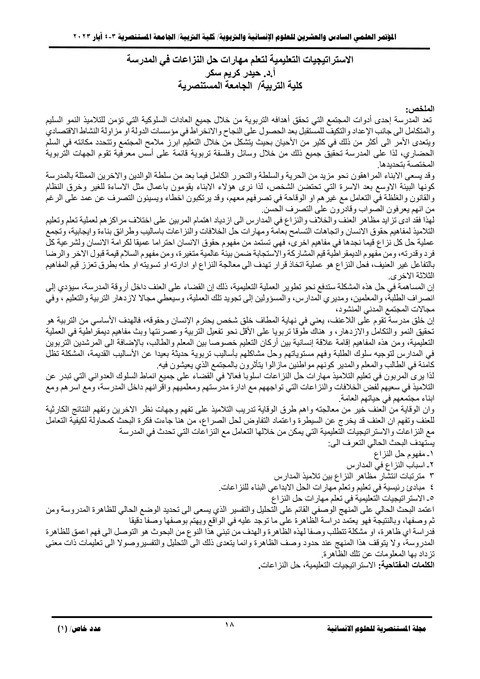 Instructional Strategies for Learning Conflict Resolution Skills in School (Mustansiriyah Journal of Humanities; Vol. 1-1, Special Issue) Year of publication: 2023 Author: Haider Kareem Sukar Corporate author: Mustansiriyah University The school is a community tool that achieves its educational goals through all behavioral habits that provide students with sound and integrated growth, as well as preparation and adaptation for the future after obtaining success and involvement in government institutions and the economy. In the civilizational scale, so the school must achieve all means of education and an educational philosophy based on foundations with educational entertainment Adolescent children may seek more freedom, power, and complete liberation later on from the authority of parents and others represented by the school, as it is the broader environment after the family that embraces the person, so we see these children doing actions such as abuse of others, violation of order and law, harshness in dealing with others, or rudeness in their behavior with them They may make mistakes and misbehave on purpose even though they know what is right and are able to act well. Therefore, the increasing manifestations of violence, disagreement and conflict in schools have led to an increase in the interest of educators of all positions in the process of learning and teaching students the concepts of human rights and the attitudes of tolerance in general and the skills of resolving differences and conflicts in constructive and positive ways and means. الاستراتيجيات التعليمية لتعلم مهارات حل النزاعات في المدرسة (مجلة المستنصرية للعلوم الإنسانية؛ Vol. 1-1، العدد الخاص) Year of publication: 2023 Author: Haider Kareem Sukar Corporate author: Mustansiriyah University تعد المدرسة إحدى أدوات المجتمع التي تحقق أهدافه التربوية من خلال جميع العادات السلوكية التي تؤمن للتلاميذ النمو السليم والمتكامل الى جانب الإعداد والتكيف للمستقبل بعد الحصول على النجاح والانخراط في مؤسسات الدولة او مزاولة النشاط الاقتصادي ويتعدى الأمر الى أكثر من ذلك في كثير من الأحيان بحيث يتشكل من خلال التعليم ابرز ملامح المجتمع وتتحدد مكانته في السلم الحضاري، لذا على المدرسة تحقيق جميع ذلك من خلال وسائل وفلسفة تربوية قائمة على أسس معرفية تقوم الجهات التربوية المختصة بتحديدها. وقد يسعى الابناء المراهقون نحو مزيد من الحرية والسلطة والتحرر الكامل فيما بعد من سلطة الوالدين والاخرين الممثلة بالمدرسة كونها البيئة الاوسع بعد الاسرة التي تحتضن الشخص، لذا نرى هؤلاء الابناء يقومون باعمال مثل الاساءة للغير وخرق النظام والقانون والغلظة في التعامل مع غيرهم او الوقاحة في تصرفهم معهم، وقد يرتكبون اخطاء ويسيئون التصرف عن عمد على الرغم من انهم يعرفون الصواب وقادرون على التصرف الحسن. لهذا فقد ادى تزايد مظاهر العنف والخلاف والنزاع في المدارس الى ازدياد اهتمام المربين على اختلاف مراكزهم لعملية تعلم وتعليم التلاميذ لمفاهيم حقوق الانسان واتجاهات التسامح بعامة ومهارات حل الخلافات والنزاعات باساليب وطرائق بناءة وايجابية. La situation des droits humains dans le monde: Avril 2024 Year of publication: 2024 Corporate author: Amnesty International Le Rapport d’Amnesty International décrit la situation des droits humains dans le monde en 2023 dans 155 pays différents. Les équipes de journalistes et d’enquêteurs de l'ONG peignent un portrait plutôt sombre, avec notamment un recul du droit des femmes, les conséquences dramatiques du réchauffement climatique sur les populations les plus vulnérables, le recul du droit de manifester, ou encore la prolifération de la haine en ligne dans le monde. La multiplication des conflits armés et le choc du 7 octobre ont également eu des conséquences dramatiques. Cependant, quelques bonnes nouvelles sont aussi à noter, avec des avancées pour les droits des personnes LGBTI par exemple. Amnesty International Report describes the human rights situation worldwide in 2023 in 155 different countries. TheNGO's teams of journalists and investigators paint a rather gloomy picture, with, in particular, a decline in women's rights, the dramatic consequences of global warming on the most vulnerable populations, a decline in the right to protest, and the proliferation of online hate around the world. The multiplication of armed conflicts and the shock of October 7 have also had dramatic consequences. However, there is some good news too, with advances in LGBTI rights for example. La situación de los derechos humanos en el mundo: abril de 2024 Year of publication: 2024 Corporate author: Amnesty International Le Rapport d’Amnesty International décrit la situation des droits humains dans le monde en 2023 dans 155 pays différents. Les équipes de journalistes et d’enquêteurs de l'ONG peignent un portrait plutôt sombre, avec notamment un recul du droit des femmes, les conséquences dramatiques du réchauffement climatique sur les populations les plus vulnérables, le recul du droit de manifester, ou encore la prolifération de la haine en ligne dans le monde. La multiplication des conflits armés et le choc du 7 octobre ont également eu des conséquences dramatiques. Cependant, quelques bonnes nouvelles sont aussi à noter, avec des avancées pour les droits des personnes LGBTI par exemple. Amnesty International Report describes the human rights situation worldwide in 2023 in 155 different countries. TheNGO's teams of journalists and investigators paint a rather gloomy picture, with, in particular, a decline in women's rights, the dramatic consequences of global warming on the most vulnerable populations, a decline in the right to protest, and the proliferation of online hate around the world. The multiplication of armed conflicts and the shock of October 7 have also had dramatic consequences. However, there is some good news too, with advances in LGBTI rights for example.
  Education Sector Analysis: Methodological Guidelines (Vol. 3) Year of publication: 2021 Corporate author: UNESCO International Institute for Educational Planning (IIEP) | United Nations Children's Fund (UNICEF) | Global Partnership for Education (GPE) | Foreign, Commonwealth & Development Office (UK) This present volume is the third in a series of education sector analysis (ESA) guidelines following two volumes published in 2014. The series provides methodologies and applied examples for diagnosing education systems and informing national education policies and plans. This volume proposes guidelines to strengthen national capacities in analyzing education systems in four areas: inclusive education system for children with disabilities, risk analysis for resilient education systems, functioning and effectiveness of the educational administration, and stakeholder mapping and problem-driven analysis (governance and political economy).