
Resources
Explore a wide range of valuable resources on GCED to deepen your understanding and enhance your research, advocacy, teaching, and learning.
3,229 Results found
 تعزيز رفاه الشباب عبر الصحة والتعليم: رؤى وفرص Year of publication: 2019 Author: Wing Yi Chan | Jennifer Sloan | Anita Chandra Corporate author: RAND Corporation أضحى الرفاه، باعتباره ركيزة أساسية في عمليات التخطيط وصناعة السياسات وتخصيص الموارد، ضرورةً لا غنى عنها لتنمية المجتمعات والدول التي تسير في درب الازدهار، مما دفعنا في هذا التقرير لدراسة المؤلفات الأكاديمية وغير الأكاديمية وثيقة الصلة بالموضوع لتحديد الأطر النظرية التي تحقق التكامل بين الصحة والتعليم داخل منظومة واحدة. Promoting Youth Well-Being Through Health and Education: Insights and Opportunities Year of publication: 2019 Author: Wing Yi Chan | Jennifer Sloan | Anita Chandra Corporate author: RAND Corporation Putting well-being at the heart of planning, policy making, and resource allocation is emerging as critical to the development of thriving communities and nations. We examined the academic and grey literature to identify theoretical frameworks that integrate health and education. We identified and described policies and programs supporting well-being around the world, and interviewed experts from each location to gain a deeper understanding of them.The report found that although wellbeing frameworks that integrate education and health exist, few of them have been examined rigorously to reveal how both educational and health outcomes can be achieved together.
  Hacia una Educación para la Sostenibilidad: 20 años después del Libro Blanco de la Educación Ambiental en España Year of publication: 2019 Author: Javier Benayas | Carmelo Marcén Corporate author: Red Española para el Desarrollo Sostenible (REDS) | Centro Nacional de Educación Ambiental (CENEAM) | Ecoembes El document presenta las luces y sombras de la multiforme intervención de la Educación Ambiental en los últimos 30 años; a la vez identifica pautas para recorrer el camino hacia la sostenibilidad de una forma más eficaz y segura pero sobre todo con la implicación de toda la sociedad.
 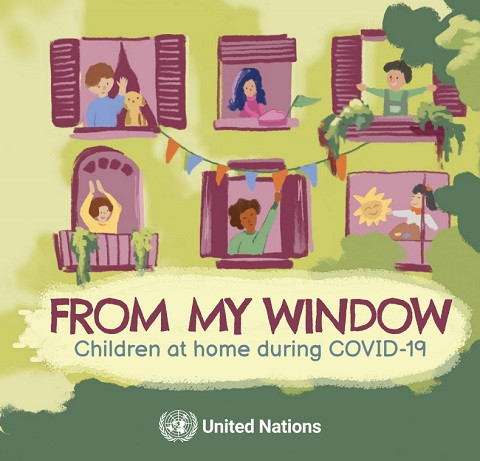 From My Window: Children at Home During COVID-19 Year of publication: 2020 Author: Xue Bai Corporate author: World Health Organization (WHO) | United Nations Children's Fund (UNICEF) | United Nations (UN) This book for young readers looks at the lives of housebound children during the coronavirus epidemic. Inspired by true events and people from around the world, From My Window shows children that we all have the same fears and that we can overcome them by being creative, and empathetic, and by staying positive and healthy. This book shows us that there are opportunities every day to love, learn, create, and connect, no matter the circumstances.
  Manual for Teachers and Educators: To Empower Young People on Sdgs and Migration Year of publication: 2018 Corporate author: Start the Change | European Union (EU) The Start the Change project aims to improve education provision linked to the Sustainable Development Goals (SDGs) in 12 European countries, with a special emphasis on the relationship between migration and global inequality, and contributing to the fulfilment of the 2030 Agenda for Sustainable Development.The first part of the guide (THINK) describes the educational model proposed by Start the Change. Service Learning gives an overview of a pedagogical approach that promotes a new perspective to acquiring global citizenship knowledge, skills and attitudes - not just in the classroom but also through direct experience of working on real issues in the community. MANUAL TO INSPIRE: START THE CHANGE 11 Participative methodologies are the basis of all good global citizenship education, and youth empowerment can be enhanced through peer to peer approaches. The second part of the guide (LEARN) is dedicated to enhancing teachers’ and educators’ knowledge of the contents of the project: the Sustainable Development Goals, inequality and migration issues. Storytelling can be used to develop short film storylines on Start the Change issues. Educational activities can be enriched by using ICT to promote global learning and include voices and experiences from the Global South. The third part of the guide (DO) is dedicated to activities and methodologies to help young people explore these issues and inspire them to take action in their communities.
 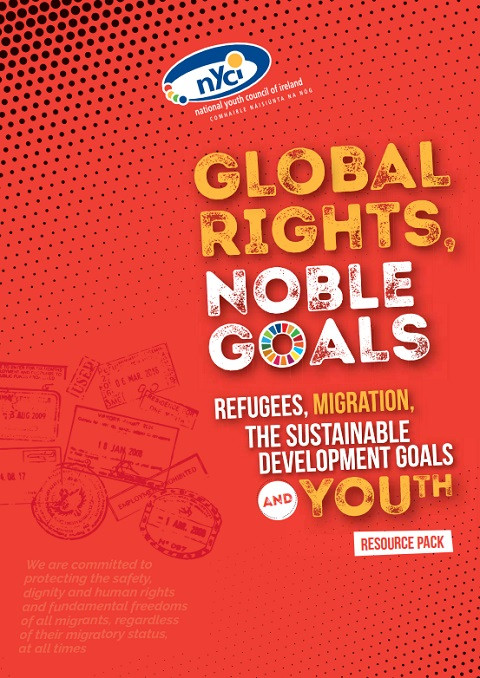 Global Rights, Nobel Goals: Refugees, Migration, the Sustainable Development Goals and Youth; Resource Pack Year of publication: 2016 Author: Valerie Duffy | Leo Gilmartin | Grace McManus | Dermot O’Brien Corporate author: National Youth Council of Ireland (NYCI) This resource pack explores the terms around migration (asylum seeker, refugee, internally displace peoples etc), the reasons that people choose or are forced to migrate and makes connections with the SDGs. It also includes a great selection of activities for young people at different ages and stages.
 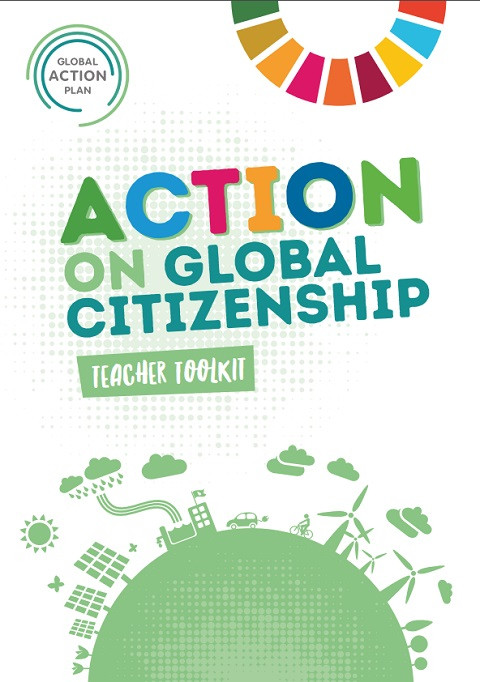 Action on Global Citizenship: Teacher Toolkit Year of publication: 2017 Author: Gráinne Ryan | Deirdre Walsh Corporate author: Global Action Plan (GAP) Ireland | Irish Aid This toolkit aims to support educators to empower their students in becoming active global citizens in their schools and communities, with a range of activities and resources which align to the Irish Curriculum, whilst using active learning methodologies in an engaging and fun way.
 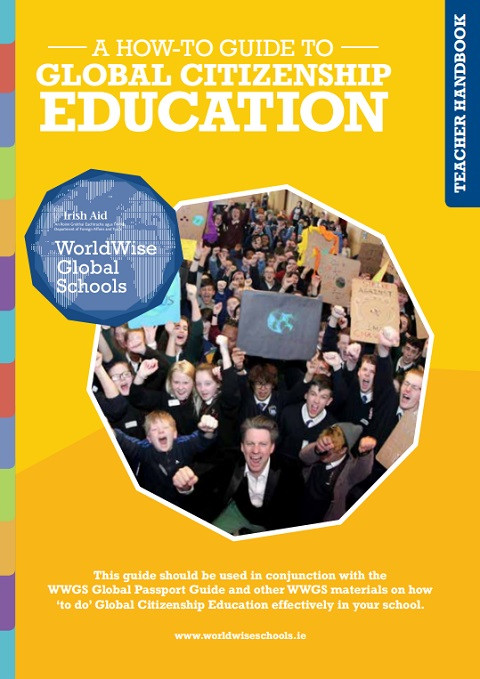 A How-to Guide to Global Citizenship Education: Teacher Handbook Year of publication: 2019 Corporate author: WorldWise Global Schools (WWGS) | Irish Aid This guide is for post-primary schools that are working to embed Global Citizenship Education (GCE) into their school community, and are part of the WorldWise Global Schools (WWGS) Programme. It aims to support schools to integrate Global Citizenship Education and create global citizens in their schools. Whether you are just starting to explore, or you are experienced in Global Citizenship Education, this handbook will help to guide your GCE practice and offer some suggestions as to how you can approach your GCE work and engage with the WWGS programme.
  Les ODD comme nouvelle citoyenneté mondiale Year of publication: 2018 Corporate author: UVED Cynthia Fleury, professeur au Conservatoire National des Arts et Métiers, titulaire de la Chaire « Humanités et Santé », et également professeur associée à PSL / Mines ParisTech, présente dans cette vidéo (10'27) les trois questions qui lui paraissent fondamentales pour la réalisation des Objectifs de Développement Durable : celle de l'état de droit, celle de la santé humaine entendue dans son sens le plus large et celle de la transition numérique, indissociable de la transition écologique.
 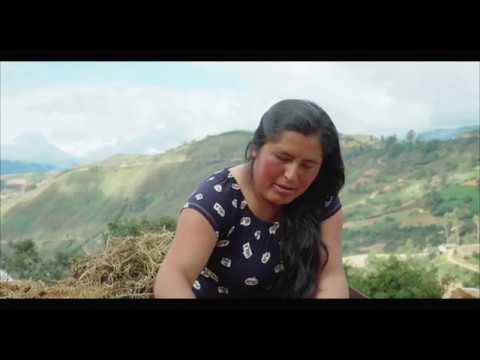 Del campo al plato Year of publication: 2019 Corporate author: Îles de Paix D’où vient la nourriture consommée quotidiennement ? Qui produit ces aliments ? Comment ont-ils été produits ? Et quels sont leurs impacts sur le Monde ? Autant de questions que chaque consommateur peut se poser et auxquelles les réponses peuvent varier… Del campo al plato, produit avec SOS Faim et Autre Terre, est un reportage de 15 minutes qui aborde ces questions en présentant un modèle alternatif de commercialisation au Pérou.