
Resources
Explore a wide range of valuable resources on GCED to deepen your understanding and enhance your research, advocacy, teaching, and learning.
3,387 Results found
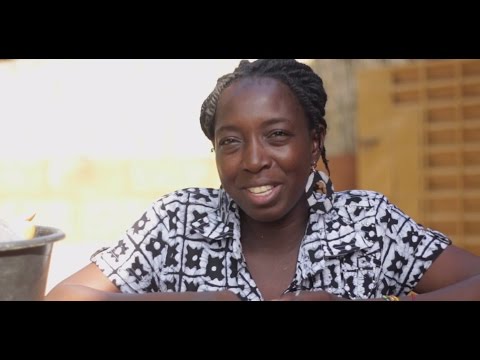 L'émancipation des femmes Year of publication: 2015 Corporate author: Îles de Paix Iles de Paix mène au Bénin un programme dédié aux femmes. Il concerne le développement de leurs activités rémunératrices, mais aussi des formations en gestion, au crédit, à l’épargne et des sensibilisations pour une amélioration de leur position dans la société. Ce programme ambitieux, qui concernera directement, sur trois ans, plus de 600 femmes, engendre de profonds bouleversements et, pour bien de ses bénéficiaires, des changements majeurs dans leur vie quotidienne. En témoigne cette femme, qui y a participé. « Au début, quand je voulais suivre une formation pour mener une activité, mon mari me battait pour m’en empêcher. Il me disait que ma place était à la maison.Mais aujourd’hui, il constate que, grâce à cette formation et aux choses que j’ai apprises, je gagne beaucoup mieux ma vie. Alors, il m’encourage à continuer et… il me supplie de lui donner de l’argent ! »Il reste à souhaiter que tous ses gains ne finissent pas dans l’escarcelle de son mari et qu’ils servent avant tout à répondre à ses besoins personnels et à ceux de ses enfants.
  Management of Transboundary Water Resources in the Danube and the Sava River Basins Year of publication: 2019 Author: Aksulu Kushanova Corporate author: Regional Environmental Centre for Central Asia (CAREC) This analytical work “Management of transboundary water resources in the Danube and Sava River Basins” conveys knowledge and information on the management of the transboundary water resources by acknowledging the importance of the WEF Nexus in the Danube and Sava River Basins. Firsthand information was received during face-to-face meetings with the ICPDR and the ISRBC and the summarized work at hand shares the European experience with a wider audience.The analytical work narrates the institutional and legislative frameworks within the sectoral characteristics on the management of two River Basins: the Danube River Basin, which is the largest and the most international one in Europe, and the Sava River Basin, which serves as the greatest tributary to the Danube River. The study reviews the operations of the ICPDR and the ISRBC and technical tools applied at the basin level, which include accident emergency warning systems, monitoring networks, flood forecasting and more. Управление трансграничными водными ресурсами в бассейнах рек Дунай и Сава Year of publication: 2019 Author: Aksulu Kushanova Corporate author: Regional Environmental Centre for Central Asia (CAREC) Настоящая аналитическая записка «Управление трансграничными водными ресурсами в бассейнах рек Дунай и Сава» передает знания и информацию по вопросам управления ТВР, которые еще раз подчеркивают важную роль взаимосвязи (нексуса) «вода-энергия-продовольствие» (ВЭП), в данном случае на примере трансграничных рек Дунай и Сава. Информация из первых рук была получена в ходе рабочих встреч с представителями МКОРД и МКБРС и впоследствии обобщены для ознакомления с европейским опытом более широкой аудитории.В настоящей аналитической работе описываются институциональные и нормативно-правовые принципы построения и характеристики систем управления двумя речными бассейнами, а именно, бассейном р. Дунай – крупнейшим в Европе с наибольшим количеством прибрежных государств, и бассейном р. Сава – самого крупного притока Дуная. В документе анализируется деятельность МКОРД и МКБРС и технический инструментарий, применяемый ими на бассейновом уровне, включая системы предупреждения о чрезвычайных ситуациях, мониторинговые сети, системы прогнозирования наводнений и др.
  Intercultural Multilingual Education in Latin America: Mexico, Guatemala, Colombia, Brazil, Ecuador, Peru, Bolivia and Paraguay, and Norway Year of publication: 2011 Corporate author: Internacional de la Educación para Latinoamerica This document deals with Intercultural Bilingual Education (IBE), its current status and the concepts and processes driving it today – and in a certain way the conflicts encompassing it. It contains information on Mexico, Guatemala, Colombia, Brazil, Ecuador, Peru, Bolivia and Paraguay, and includes some data and comments on Norway. Certainly all Latin America is involved in the topic, one way or another, but for now this is the geographical scope of the paper. It seeks to give an overview of the whole and profile a few specific aspects by country.
  Equality & Diversity: Building a Culture of Equality in Our Society; A Citizenship Education Resource for Transition Year and Key Stage 4 Year of publication: 2012 Author: Mary Gannon | Aoife Ruane-Kelly Corporate author: City of Dublin Vocational Education Committee (CDVEC). Curriculum Development Unit | Centre for Cross Border Studies This resource is intended to support young people in critically exploring the concepts of equality and diversity and in acting to build a culture of equality within their own environment and within society. Looking specifically at equality and diversity within the school, community and society, the resource provides an opportunity for students to increase their knowledge and understanding of equality, develop the skills to critically analyse inequality, and become empowered to actively promote equality within their school and/or community.The resource is intended primarily for use in Citizenship Education in Transition Year (Ireland) and Key Stage 4 (Northern Ireland). As a resource on equality and diversity, it is clearly based on human rights, which underpin the citizenship curricula in both jurisdictions. It meets the aims of the KS 4 curriculum for Local and Global Citizenship by helping students:Respond to the specific challenges and opportunities which diversity and inclusion present in Northern Ireland and the wider worldIdentify and exercise their rights and social responsibilities in relation to local, national and global issuesDevelop their understanding of the role of society and government in safeguarding individual and collective rights in order to promote equality and to ensure that everyone is treated fairlyDevelop their understanding of how to participate in a range of democratic processesDevelop awareness of key democratic institutions and their role in promoting inclusion, justice and democracy.
 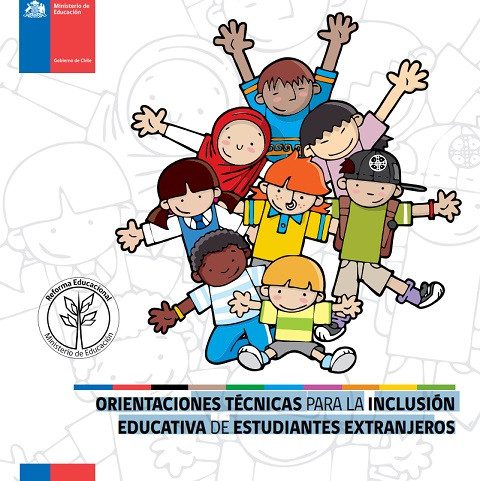 Technical Guidelines for the Educational Inclusion of Foreign Students Year of publication: 2017 Corporate author: Chile. Ministry of Education This book offers general guidelines for the incorporation of an intercultural approach in the inclusion of foreign students, but also of other migrant and diverse populations. Orientaciones técnicas para la Inclusión educativa de estudiantes extranjeros Year of publication: 2017 Corporate author: Chile. Ministerio de Educación Este libro ofrece orientaciones generales para la incorporación de un enfoque intercultural en la inclusión de estudiantes extrangeros, pero también de otras poblaciones migrantes y diversas.
 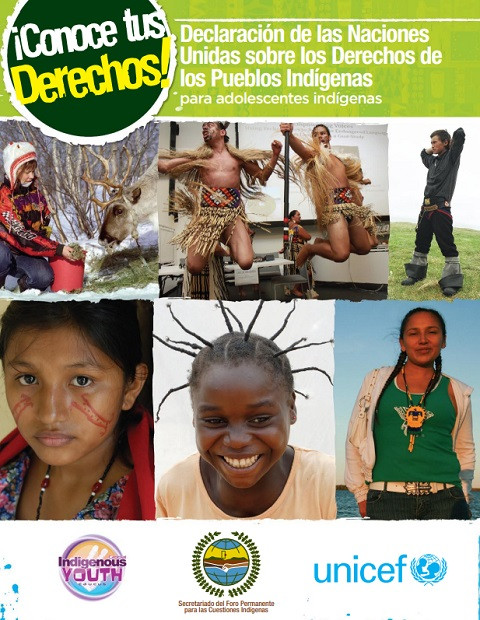 Know Your Rights!: United Nations Declaration on the Rights of Indigenous Peoples for Indigenous Adolescents Year of publication: 2013 Corporate author: United Nations Children's Fund (UNICEF) This publication presents, in a format specifically targeted at indigenous adolescents, the United Nations Declaration on the Rights of Indigenous Peoples, its implications and relationship with indigenous movements. ¡Conoce tus derechos!: Declaración de las Naciones Unidas sobre los Derechos de los Pueblos Indígenas para adolescentes indígenas Year of publication: 2013 Corporate author: United Nations Children's Fund (UNICEF) Esta publicación presenta, en un lenguaje dirigido específicamente a adolescentes indígenas, la Declaración de las Naciones Unidas sobre los Derechos de los Pueblos Indígenas, sus implicaciones y relación con los movimientos indígenas.
  Critical Understanding on Global Citizenship Education in Post 2015 Context (Theory and Research in Citizenship Education; Vol. 57, No. 1) Year of publication: 2015 Author: Jinhee Kim Corporate author: Korea Association of Social Education It is notable that global citizenship education has recently gained prominence in Post 2015 context. This study attempted to explore diverse discourses of global citizenship education in theoretical dimension and it also analyzed the current status of global citizenship education as a new global education agenda. Major findings displayed issues and challenges; de-contextualization against local dimension; vague conceptualization of global citizenship education; limitation of transformative pedagogy and learning discourse; indicator development and monitoring issues; a paradigm shift for global citizenship education engaging with lifelong learning. Eventually, this study argues that comprehensive vision and long term road-map should be established to enhance global citizenship education. Lifelong learning approach is crucial to reshape global citizenship education while interacting with life-world context and life experience, which can promote an epistemology of learning to live together.