
Resources
Explore a wide range of valuable resources on GCED to deepen your understanding and enhance your research, advocacy, teaching, and learning.
685 Results found
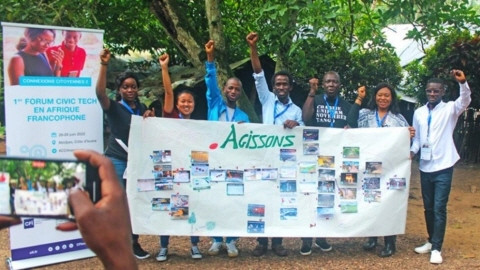 Civic Tech in Africa: When Citizen’s Connections Work for Democracy Year of publication: 2022 Author: Raphaëlle Constant Corporate author: Radio France International (RFI) The first civic tech forum in French-speaking Africa was held at the end of June in Abidjan, Côte d'Ivoire, at the initiative of CFI. For "L'atelier des médias", Raphaëlle Constant spoke to the people who are developing digital initiatives in several African countries to improve the flow of information and mobilise citizens to influence public debate. Civic tech en Afrique: Quand des connexions citoyennes œuvrent pour la démocratie Year of publication: 2022 Author: Raphaëlle Constant Corporate author: Radio France International (RFI) Le premier forum civic tech en Afrique francophone s’est tenu fin juin à Abidjan, en Côte d’Ivoire, à l'initiative de CFI. Pour L’atelier des médias, Raphaëlle Constant y a tendu son micro à celles et ceux qui développent des initiatives numériques dans plusieurs pays africains pour améliorer la circulation de l’information et déclencher des mobilisations citoyennes pour peser dans le débat public.
 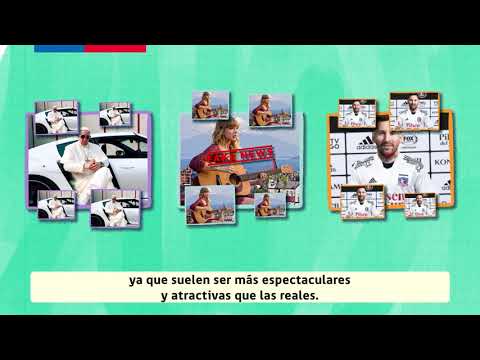 Chapter 4: What Is Disinformation and How Do We Deal With It? Year of publication: 2024 Corporate author: Chile. Ministry of the General Secretariat of Government Why have fake news become so popular? How can we avoid them when doing homework, assignments and getting informed about what is happening in the country and the world? In this capsule, aimed at parents, guardians and tutors, we will learn what disinformation is, more popularly known as the phenomenon of fake news, along with advice on how to confront it and not continue its spread. This capsule was produced by the Ministry of the General Secretariat of Government in collaboration with Mineduc, within the framework of the Citizenship and Digital Literacy Plan. Capítulo 4: ¿Qué es y cómo enfrentamos la desinformación? Year of publication: 2024 Corporate author: Chile. Ministry of the General Secretariat of Government ¿Por qué se han hecho tan populares las noticias falsas? ¿Cómo podemos evitarlas al momento de hacer tareas, trabajos e informarnos de lo que sucede en el país y en el mundo? En esta cápsula, dirigida a padres, madres, apoderadas y apoderados conoceremos lo que es la desinformación, más popularmente conocida como el fenómeno de las fake news, junto con consejos para enfrentarla y no continuar su propagación. Esta cápsula fue realizada por el Ministerio Secretaría General de Gobierno en colaboración con Mineduc, en el marco del Plan Ciudadanía y Alfabetización Digital.
  Developing Digital Citizenship and Language Competences Year of publication: 2023 Author: Christian Ollivier | Catherine Jeanneau Corporate author: European Centre for Modern Languages (ECML) The profile of citizens who use languages and digital tools helps to define the objectives to pursue in language training that incorporates digital citizenship education. The Didactic Framework outlines a socio-interactional approach that enables this integration. Développer citoyenneté numérique et compétences langagières Year of publication: 2023 Author: Christian Ollivier | Catherine Jeanneau Corporate author: European Centre for Modern Languages (ECML) Le portrait des citoyens et citoyennes usagers et usagères des langues et du numérique permet de préciser les objectifs à poursuivre dans une formation en langue qui intègre l'éducation à la citoyenneté numérique. Le Cadre didactique définit une approche socio-interactionnelle permettant cette intégration.
  The “Hate Speech” Policies of Major Platforms during the COVID-19 Pandemic Year of publication: 2021 Corporate author: UNESCO Montevideo This document reports an increase in so-called “hate speech” posts on Facebook, Twitter, and YouTube after the onset of the COVID-19 pandemic. Although dissimilar, such an increase can be observed in the transparency reports of the different platforms and the surge in content moderation since March 2020.During the same period—as a result of the lockdown measures adopted in most countries around the world—platforms increased the use of AI tools for content moderation. Therefore, we can’t fully say whether the interannual growth is linked to increased posts or changes in monitoring systems. Las políticas de las grandes plataformas sobre discurso de odio durante el Covid-19 Year of publication: 2021 Corporate author: UNESCO Montevideo Este documento da cuenta de un aumento de posteos considerados discurso de odio a partir de la llegada de la pandemia COVID-19 en Facebook, Twitter y YouTube. Aunque dispar, ese aumento puede establecerse a partir de los informes de transparencia de las distintas plataformas y los crecimientos registrados en la moderación de esos contenidos a partir de marzo de 2020.Dado que en ese mismo período, y como consecuencia de las medidas de aislamiento tomadas ven la mayoría de los países del mundo, las plataformas tomaron la decisión de aumentar el uso de herramientas de inteligencia artificial en sus procesos de moderación no es posible asegurar a ciencia cierta que ese crecimiento se haya registrado por un aumento en la creación y publicación de mensajes o a partir de un cambio en los sistemas de detección que afectó los resultados entre un año y otro.
 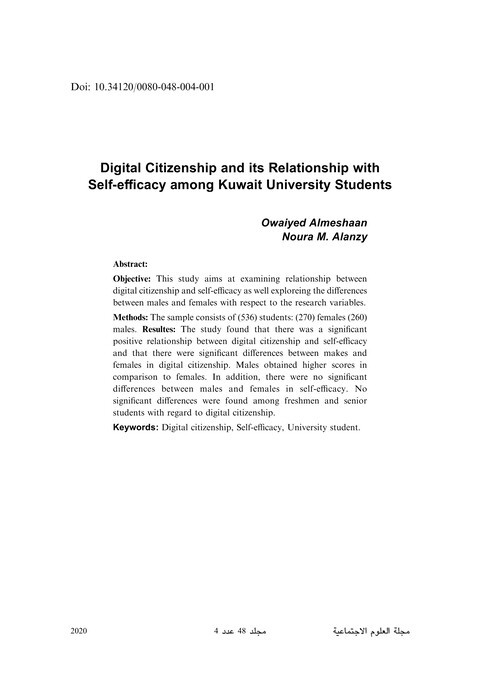 المواطنة الرقمية وعلاقتها بالكفاءة الذاتية لدى طلاب جامعة الكويت وطالباتها (مجلة العلوم الاجتماعية ;no.4, vol.48) Year of publication: 2020 Author: Owaiyed Almeshaan | Noura Alanzy Corporate author: Kuwait University تهدف هذه الدراسة إلى فحص العلاقة بين المواطنة الرقمية والكفاءة الذاتية، والكشف عن الفروق بين الذكور والإناث في متغيرات الدراسة. المنهجية: تكونت عينة الدراسة من (536)؛ بواقع (266) من الذكور و(270) من الإناث. النتائج: كشفت نتائج الدراسة عن أنه توجد علاقة موجبة بين المواطنة الرقمية والكفاءة الذاتية، كما توجد فروق دالة إحصائياً بين الذكور والإناث في المواطنة الرقمية؛ إذ إن متوسط الذكور أعلى من متوسط الإناث، بينما لا توجد فروق بينهما في الكفاءة الذاتية. كما لا توجد فروق دالة إحصائياً بين الذكور والإناث وفقاً للكلية والمرحلة الدراسية. Digital Citizenship and Its Relationship With Self-Efficacy Among Kuwait University Students (Journal of Social Sciences; vol.48, no.4) Year of publication: 2020 Author: Owaiyed Almeshaan | Noura Alanzy Corporate author: Kuwait University This study aims at examining relationship between digital citizenship and self-efficacy as well exploring the differences between males and females with respect to the research variables.Methods: The sample consists of (536) students: (270) females (260) males. Results: The study found that there was a significant positive relationship between digital citizenship and self-efficacy and that there were significant differences between males and females in digital citizenship. Males obtained higher scores in comparison to females. In addition, there were no significant differences between males and females in self-efficacy. No significant differences were found among freshmen and senior students with regard to digital citizenship.