
Resources
Explore a wide range of valuable resources on GCED to deepen your understanding and enhance your research, advocacy, teaching, and learning.
3,229 Results found
 한국사회와 지속가능발전목표 4: 지속가능한 사회를 꿈꾸는 교육 Year of publication: 2018 Author: 임현묵 | 박환보 Corporate author: 유네스코한국위원회 지속가능발전목표에 대한 시민의 이해를 돕고자 유네스코한국위원회가 발간하는 ‘한국사회와 지속가능발전목표’ 시리즈 중 4번째로, 세계시민교육과 지속가능발전교육을 포함한 지속가능발전목표 4번을 집중적으로 다루고 있다. 유네스코한국위원회는 2017년 <<한국사회와 지속가능발전목표 7: 우리의 지속가능한 에너지>>와 <<한국사회와 지속가능발전목표 11: 우리의 지속가능한 도시>>를 펴낸 데 이어, 2018년에는 <<한국사회와 지속가능발전목표 15: 우리의 지속가능한 생물다양성>>과 이 책을 발간했다.
 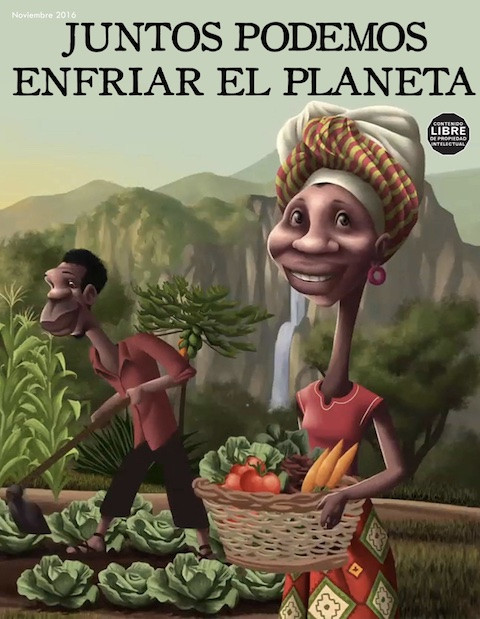 Together We Can Cool the Planet Year of publication: 2016 Corporate author: GRAIN | La Via Campesina It is a story based on the video "together we can cool the planet" that talks about global warming, its causes and consequences. It reports how industrial food production affects this phenomenon. It recounts each step of industrial food production, the use of fertile lands, the burning of trees that produces carbon dioxide, the use of machinery, the use of fertilizers and pesticides, the production of animal excrement that produces methane gas, as well as the transport that must be used so that this production reaches where it must be sold. They then propose a series of solutions consisting of 5 steps.
  ‘공존과 상생’의 2021 평화·세계시민교육 기본계획 Year of publication: 2021 Corporate author: 서울특별시교육청 본 자료는 서울특별시교육청의 2021 평화·세계시민교육 기본계획안으로, 서울 관내 초·중·고등학교를 대상으로 세계시민교육 현황을 조사 및 분석하고 2021학년도 세계시민교육의 향후 과제 및 세부추진계획을 제시하였다.
  Estrategia de educación para la ciudadanía global en el ámbito no formal en la ciudad de València (2019-2022) Year of publication: 2018 Author: Alejandra Boni | Sergio Belda | Carola Calabuig | María Alejandra Millán | Alba Talón Corporate author: INGENIO | Ayuntamiento de Valencia Este documento nos va a permitir incorporar los contenidos de la Educación para la Ciudadanía Global, en las acciones que se impulsan desde cada uno de los espacios educativos no formales dependientes del Ajuntament de València.
 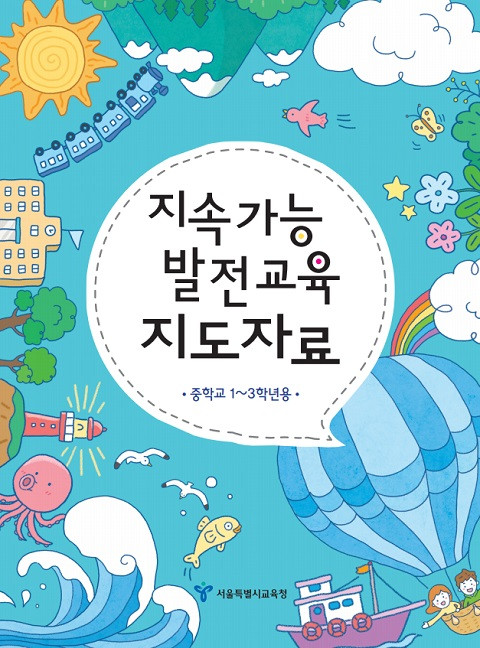 지속가능발전교육 지도자료: 중학교 1~3학년용 Year of publication: 2020 Author: 박성은 | 박에스더 | 승현아 | 은정매 | 이수종 | 전명재 | 정은경 Corporate author: 서울특별시교육청 본 자료는 중학생의 지속가능발전과 생태환경에 대한 인식을 제고하기 위해 학교 생태전환교육에 활용할 수 있다.
 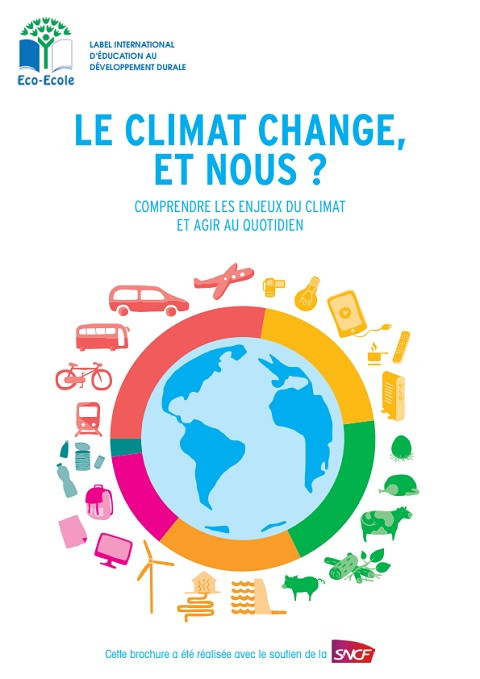 Le climat change, et nous?: Comprendre les enjeux du climat et agir au quotidien Year of publication: 2015 Corporate author: Eco-Ecole Réalisé avec le soutien de nos partenaires, cette brochure explique en quelques pages la façon dont nous modifions le climat et propose des solutions pour agir. Elle s’adresse à tout citoyen, jeune ou adulte, qui s’interroge sur le climat et se demande ce qu’il peut faire à son échelle à l’école, à la maison, dans son travail ou dans sa ville. Juntos podemos enfriar el planeta Year of publication: 2016 Corporate author: GRAIN | La Via Campesina Es una historia basada en el video " juntos podemos enfriar el planeta" que habla sobre el calentamiento global, sus causas y consencuencias, Reporta el cómo la producción industrial de alimentos afecta este fenomeno. Relata cada paso de producción industrial de alimentos, el uso de tierras fértiles, la quema de árboles que produce dióxido de carbono,el uso de maquinarias, uso de fertilizantes y agrotóxicos,la producción de excremento de animales que produce gas metano, así como el transporte que debe ser usado para que esta producción llegue a donde debe ser vendida. Posteriormente proponen una serie soluciones que constan de 5 pasos.
  Boosting Gender Equality in Science and Technology: A Challenge for TVET Programmes and Careers Year of publication: 2020 Corporate author: UNESCO International Centre for Technical and Vocational Education and Training (UNEVOC) While technical and vocational education and training (TVET) has the potential to bolster the participation of women in the labour market, this potential is not always well understood and capitalized on. In general, female students are lowly represented in TVET compared to general programmes, and in particular girls and women tend to be under-represented in the fields that require science, technology, engineering and mathematics (STEM) skills and knowledge. In addition to being required for ‘traditional’ and ‘emerging’ occupations, STEM skills and knowledge are often needed for the so-called ‘jobs of the future’, driving innovation, inclusive growth and sustainable development. This report examines the key issues concerning girls and women’s participation and achievement in STEM-related TVET programmes and their transition STEM related careers.
 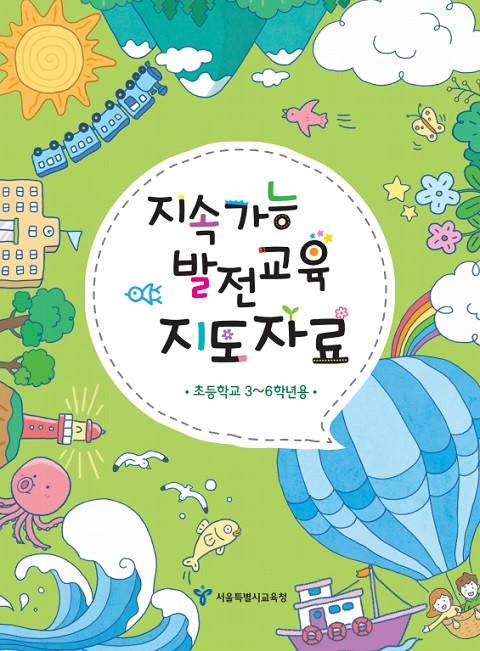 지속가능발전교육 지도자료: 초등학교 3~6학년용 Year of publication: 2020 Author: 고은미 | 김수양 | 박덕현 | 박혜림 | 이성희 | 이정미 Corporate author: 서울특별시교육청 본 자료는 초등학교 3학년~6학년의 지속가능발전과 생태환경에 대한 인식을 제고하기 위해 학교 생태전환교육에 활용할 수 있다.
  Quality TVET for the Successful Training to Employment Transition of Africa’s Youth Year of publication: 2020 Corporate author: UNESCO International Institute for Educational Planning (IIEP) | Agence luxembourgeoise pour la coopération au développement (LuxDev) | Institut de la Francophonie pour l'éducation et la formation (IFEF) This report constitutes the analytical synthesis of the 2nd Regional Workshop for Exchange between Vocational Training Actors in Africa and their Mutual Strengthening, held in Nairobi from 18-20 June 2019, on the theme of “Quality TVET for the successful training to employment transition of Africa’s youth”.