
Resources
Explore a wide range of valuable resources on GCED to deepen your understanding and enhance your research, advocacy, teaching, and learning.
1,445 Results found
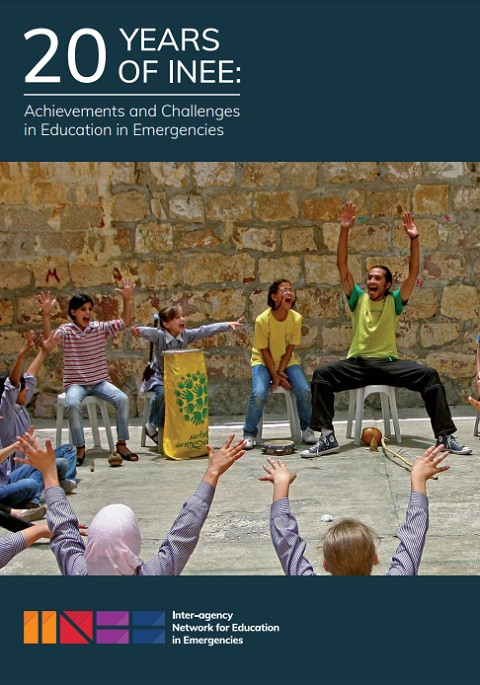 20 ans de l’INEE : Réalisations et Défis dans l’Éducation en Situations d’Urgence Year of publication: 2020 Corporate author: Inter-agency Network for Education in Emergencies (INEE) Ce rapport, qui marque le 20e anniversaire de l’INEE, souligne les réalisations dans le domaine de l’ESU au cours des deux dernières décennies et identifie les défis permanents. Il retrace les changements qui ont amené l’ESU dans les programmes mondiaux de planification et d’action et note les étapes clés du développement de l’ESU en tant que domaine reconnu. Reconnaissant également les engagements énoncés dans l’Agenda 2030 pour le développement durable, notamment la promesse de veiller à ce que « personne ne soit laissé de côté » (ONU, 2015), ce rapport se tourne vers l’avenir en recommandant des actions immédiates et durables pour atteindre l’Objectif de Développement Durable 4 (ODD 4), une éducation de qualité et des possibilités de formations permanente inclusives et équitables pour tous - incluant les enfants et les jeunes dans les contextes de crise (ONU, 2015). 20º aniversario de la INEE: Logros y desafíos en la educación en situaciones de emergencia Year of publication: 2020 Corporate author: Inter-agency Network for Education in Emergencies (INEE) Este informe, con motivo del 20.º aniversario de la INEE, enfatiza los logros alcanzados en el ámbito de la EeE en las últimas dos décadas y señala los desafíos que siguen existiendo. Explora los cambios que facilitaron la inclusión de la EeE en los programas globales de planificación y acción, y señala los hitos principales en el desarrollo de la EeE como un campo reconocido. Asimismo, este informe reconoce los compromisos establecidos en la Agenda de Desarrollo Sostenible de 2030, incluido el compromiso de «no dejar a nadie atrás» (ONU, 2015), y enfrenta el futuro con la recomendación de acciones inmediatas y sostenidas para alcanzar el Objetivo de Desarrollo Sostenible 4 (ODS 4),una educación de calidad inclusiva y equitativa, y oportunidades de aprendizaje durante toda la vida para todos; incluidos los niños, niñas y jóvenes en contextos de crisis (UN, 2015).
  Health-related SDG Targets in Tajikistan: Implementation of Policies and Measures for Health and Well-being Year of publication: 2020 Corporate author: World Health Organization (WHO) This report reviews and assesses the achievements towards SDG 3 and its targets as well as health-related targets of other SDGs to date in Tajikistan. This is the first step of the GAP process (engage, assess, align, accelerate and account) and will clarify priorities for action to accelerate the achievement of SDG 3 in Tajikistan and alignment of development partners’ support. Задачи ЦУР, связанные со здоровьем, в Таджикистане: реализация политики и мер в области здравоохранения и повышения благополучия населения Year of publication: 2020 Corporate author: World Health Organization (WHO) В этом отчете проводится обзор и оценка достижений в достижении ЦУР 3 и связанных с ней задач, а также связанных со здоровьем задач других ЦУР на сегодняшний день в Таджикистане. Это первый шаг процесса ГПД (вовлечение, оценка, согласование, ускорение и учет), который прояснит приоритеты действий для ускорения достижения ЦУР 3 в Таджикистане и согласования поддержки партнеров по развитию.
  Guidance Note on Uzbekistan Green Taxonomy Year of publication: 2023 Corporate author: World Bank This Guidance Note serves to support the government of Uzbekistan in the design of a national Green Taxonomy. A green taxonomy sets out rules for classifying environmentally sustainable activities and can be instrumental inthe transition to a Green Economy by guiding policies and public resource flows, and influencing the private sector’s investment response. The Guidance Note discusses methodological choices for the taxonomy and their policy implications, reviews existing international practices, and recommends a model taxonomy and roadmap for further development of the taxonomy. A key message in the note is the importance of setting clear strategic goals that will inform the selection of the taxonomy’s environmental objectives and its other features. Also discussed are theinstitutional arrangements to coordinate the actions and inputs of multiple stakeholders during the development process of the taxonomy, and the importance of strong oversight and consistent enforcement of taxonomy rules by a competent regulatory body. Методические рекомендации по «зеленой» таксономии для Узбекистана Year of publication: 2023 Corporate author: World Bank Настоящие Методические рекомендации призваны оказать содействие правительству Узбекистана в разработке национальной «зеленой» таксономии. «Зеленая» таксономия устанавливает правила классификации экологически устойчивых видов деятельности и может сыграть важную роль в переходе к «зеленой» экономике, определяя политику и потоки государственных ресурсов, а также влияя на инвестиционную активность частного сектора. В Методических рекомендациях обсуждаются методологические варианты таксономии и их политические последствия, рассматривается существующая международная практика, а также даются рекомендации по модельной таксономии и «дорожной карте» ее дальнейшей разработки. Одним из ключевыхтезисов Рекомендаций является важность постановки четких стратегических целей, на основе которых будут определяться экологические цели таксономии и другие ее характеристики. Кроме того, рассматриваются институциональные механизмы координации действий и участия многочисленных заинтересованных сторон в процессе разработки таксономии, а также отмечается важность обеспечения компетентным регулирующиморганом надежного надзора и последовательного соблюдения правил таксономии.
 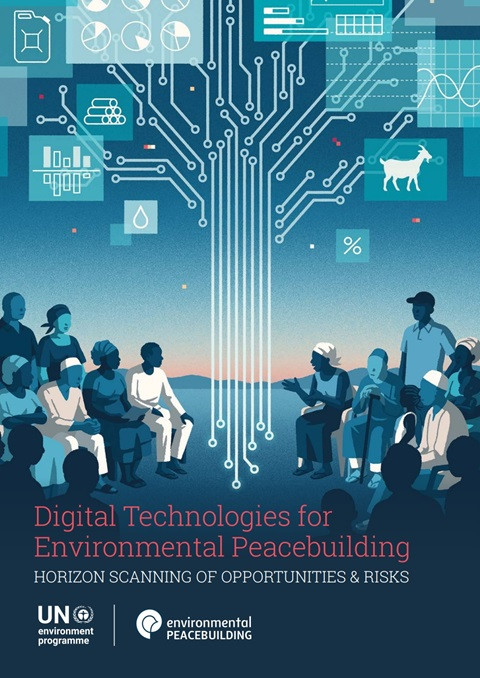 Digital Technologies for Environmental Peacebuilding: Horizon Scanning of Opportunities and Risks Year of publication: 2024 Corporate author: United Nations Environment Programme (UNEP) This report specifically delves into how digital technologies can be harnessed to manage environmental and natural resource risks that contribute to insecurity and social conflict, as well as the opportunities they present for peacebuilding, cooperation, and social cohesion. It examines relevant use cases spanning the peace and security continuum and concludes with a set of important policy and governance recommendations. The report is designed to inform and contribute to significant upcoming frameworks addressing digital technologies, including the Summit of the Future and the Global Digital Compact.
 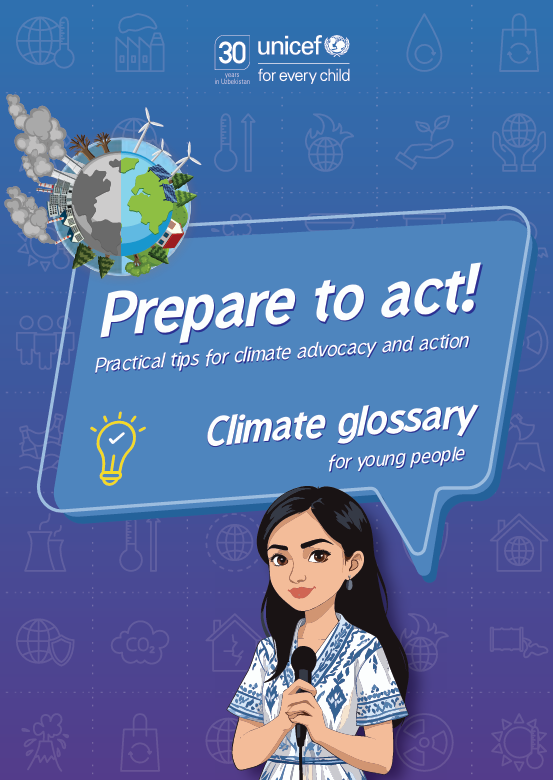 Prepare to Act!: Practical Tips for Climate Advocacy and Action; Climate Glossary for Young People Year of publication: 2024 Corporate author: UNICEF Uzbekistan The Toolkit for Young Climate Activists in Uzbekistan was created by young people who, like you, are concerned about our planet's situation and who, as activists, have faced many challenges when advocating and taking action. Main goal is to share clear, concise, easily understandable information that describes the course of global, regional and national climate action, in order to prepare you for full and informed participation. Приготовьтесь действовать!: Практические советы по защите окружающей среды и борьбе с изменением климата; Климатический глоссарий для молодёжи Year of publication: 2024 Corporate author: UNICEF Uzbekistan Инструментарий для молодых активистов в области изменения климата в регионе Латинской Америки и Карибского бассейна был создан молодыми людьми, обеспокоены ситуацией, сложившейся на нашей планете и которые, будучи активистами, столкнулись со многими проблемами при отстаивании интересов и принятии мер по борьбе с изменением климата. Цель - поделиться четкой, краткой и понятной информацией, описывающей ход глобальных, региональных и национальных действий в области изменения климата с тем, чтобы подготовить вас к активному и осознанному участию в них.
  Progress on the Sustainable Development Goals: The Gender Snapshot 2024 Year of publication: 2024 Author: Papa Alioune Seck | Antra Bhatt | Farrah Frick | Yongyi Min | Heather Page | Natalia Tosi | Sokunpanha You | Guillem Fortuny Fillo Corporate author: United Nations Entity for Gender Equality and the Empowerment of Women (UN Women) | UN. Department of Economic and Social Affairs (UN. DESA) This publication highlights new data and evidence on gender equality trends. It finds the world falling short on its commitments to women and girls. Despite declining poverty and narrowing gender gaps in education, not a single indicator under the global gender equality Goal has been achieved. The report stresses the high cost of not investing in women's rights and champions radical action to accelerate the pace of change.